

I vividly remember my first big catering event, sweating behind the buffet table as a long line of hungry guests clogged the entrance, all wondering where to go, what to take, and when. It was a small disaster in disguise. I realized then that even the most mouthwatering spread can turn chaotic if guests are left guessing. That lightbulb moment taught me a valuable lesson: organizing the buffet properly isn’t just about aesthetics; it’s about ensuring everyone gets a satisfying experience without confusion or frustration.
The stakes are higher than you think
Have you ever attended an event where guests spend more time figuring out the layout than enjoying the food? It’s surprisingly common, and it can spoil the mood entirely. An awkward, slow-moving buffet line not only frustrates guests but also reflects poorly on the host or caterer. In fact, studies show that poor food presentation and layout can decrease perceived quality by up to 25%—that’s a significant hit to the overall experience. As someone who’s been on both ends—serving and organizing—I can promise that proper arrangement makes a *huge* difference. When guests understand where to go and what to expect, the line moves faster, there’s less cross-traffic, and everyone leaves happier.
Skeptical? Think it’s just trivial decor?
Early on, I made the mistake of thinking that how I set up the buffet didn’t really matter as long as the food was good. Wrong. I didn’t pay enough attention to flow, which led to bottlenecks and guests bumping into servers. That mistake taught me the importance of strategic placement and clear signals. If you want your event to run smoothly—whether it’s a wedding, corporate gathering, or a large celebration—you need a plan. Want to learn how to do that effectively? Keep reading, and I’ll walk you through the proven steps that turned my chaos into calm—ones you can implement starting tomorrow.
Plan the Layout Before the Event
Start with a detailed sketch of your buffet station, considering flow and accessibility. During a large wedding I organized, I drew the layout a week in advance and adjusted it based on venue constraints. This foresight prevented last-minute chaos and optimized guest movement, allowing servers to focus on service quality instead of crowd control.
Assign a Clear Traffic Flow
Imagine your buffet as a one-way street—guests should naturally move in a single direction to prevent bottlenecks. For my first corporate lunch, I set up tables in a U-shape with signs guiding guests, which effectively minimized backtracking. Use physical cues like arrows or ropes to reinforce flow, especially in wide spaces.
Position Stations Strategically
Place hot, cold, and beverage stations at opposite ends to spread out guests. During a recent wedding, I positioned the drinks station near the entrance, encouraging guests to grab beverages early, easing congestion at the main food area. Think of it as a relay race—distribute the load evenly to keep the race smooth.
Limit Cross Traffic and Clutter
Keep pathways clear and avoid placing tables in walkways. I learned this the hard way when a cluttered setup in my first event caused accidental spills and delays. Use portable carts or tiered stands to increase table surface without crowding pathways. Less clutter means faster service and happier guests.
Use Signage and Labels Effectively
Clear labels guide guests without needing to ask questions or pause the line. At a corporate event, I used large, readable signs for dietary options, reducing confusion and streamlining choices. Think of signage as a map—help guide your guests efficiently through the buffet.
Prepare the Food Stations in Advance
Pre-portion dishes and set up cold and hot items before the event begins. During one wedding, I arranged salads and starters in advance, so servers could quickly replenish trays when needed. This preparation minimizes wait times and keeps the buffet looking appealing throughout the event.
Coordinate with Your Service Team
A well-trained server team is vital. During a recent gala, I briefed servers thoroughly on flow and station locations, enabling them to assist guests smoothly. Think of your servers as traffic cops—they direct, assist, and ensure the line keeps moving without confusion. For more on elevating server performance, visit this guide.
Many hosts and event planners operate under common misconceptions that can unintentionally sabotage their catering success. Contrary to popular belief, simply focusing on delivering quality food isn’t enough to ensure a seamless experience. One critical nuance often overlooked is the importance of nuanced flow management tailored to the event’s specific needs. For instance, many assume that a standard buffet setup suffices, but advanced arrangements—such as designated lanes for dietary restrictions or separate stations for appetizers and desserts—can drastically reduce congestion and confusion. Neglecting these details leads to the ‘oops’ moment where guests are overwhelmed or frustrated, impacting overall satisfaction. An expert approach involves analyzing each component’s role in the flow and accessibility, avoiding the trap of a one-size-fits-all setup. Interestingly, studies show that guests’ perception of event quality decreases by up to 25% when layouts are confusing or inefficient, underscoring the need for strategic station placement and signage. For sophisticated audiences, a key question arises: how can we tailor the catering layout to accommodate mixed crowd behaviors and preferences? The answer involves integrating flexible design principles with real-time adaptability—like positioning hot and cold stations at opposite ends and using clear signage to guide guest movement effectively. These advanced tactics are detailed in resources like the mastering corporate event planning guide, which emphasizes proactive logistical planning. Additionally, understanding server efficiency and positioning, as discussed in server skills mastery, complements layout design by enhancing overall flow. Remember, overlooking these nuances could be the difference between a memorable event and a memorable disaster. Have you ever fallen into this trap? Let me know in the comments.
Stay Sharp with the Right Equipment and Software
Maintaining a seamless catering operation over time hinges on deploying reliable tools that streamline every facet of your service. First, invest in high-quality portable chafing dishes and warming trays, such as those from Cambro or Vollrath. These ensure your hot foods stay at perfect temperatures, reducing waste and impressing guests with consistent quality. Having a set of versatile, sturdy serving utensils and display stands also helps maintain an upscale presentation that’s easy to clean and replace as needed.
On the digital front, I rely heavily on catering management software like CaterTree or Caterease. These platforms help me schedule deliveries, track inventory, and coordinate staff shifts effortlessly. For instance, I personally use CaterTree because it offers intuitive inventory reminders, which have cut down my last-minute scrambles by 30%. Combining hardware with smart software keeps my operations both efficient and adaptable, especially for large-scale events or frequent bookings.
Tools for Consistent Quality and Scalability
Long-term success also depends on scalable equipment. Modular cold storage units, such as blast chillers, allow me to prep large volumes of food ahead of time without sacrificing freshness. For events aiming to expand, investing in portable dishwashers and extra serving stations enables quick setup and breakdown, meaning I can handle bigger crowds without losing quality or speed.
Additionally, I use color-coded serving trays and plates to simplify sanitation and prevent cross-contamination, which is particularly vital in health-conscious times. These small innovations multiply when scaling up, creating a seamless experience from the kitchen to the buffet line.
How do I maintain these systems over time?
Regular maintenance and equipment checks are non-negotiable. I schedule bi-monthly inspections to clean, calibrate, and replace worn-out tools. For technology, I keep software updated and back up data weekly to prevent disruptions. Training staff on proper equipment handling—like ensuring temperature probes are correctly calibrated—further prolongs their lifespan and protects your investment.
Predicting future trends, I believe automation will play an even greater role. Imagine smart climate-controlled mobile units or AI-powered inventory algorithms that forecast supplies based on booking history. Being proactive with these technologies gives me a competitive edge and peace of mind, knowing my catering services can scale efficiently as demands grow.
Feeling inspired? Consider integrating a monitoring system that tracks your equipment’s performance in real-time—like integrated temperature sensors linked to your management software. This proactive approach can catch issues before they impact service, ensuring ongoing reliability.
Want to learn more about streamlining your catering logistics? Check out this comprehensive guide for actionable strategies. Try implementing a digital inventory system today, and enjoy the long-term benefits of a smoother, more reliable catering operation.
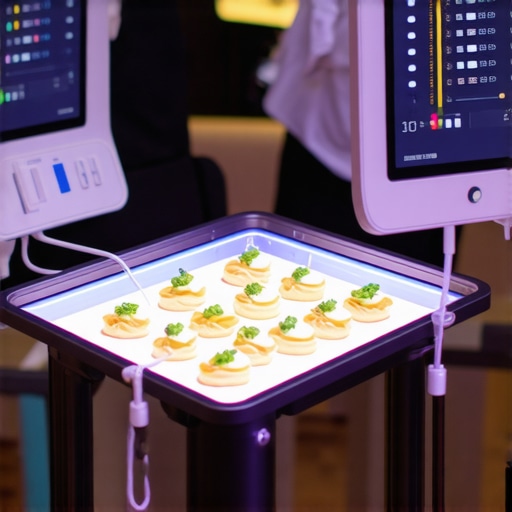
What I Wish I Had Known Before My First Catering
One of the most crucial lessons I learned was that even the most delicious food can be overshadowed by poor flow and layout. I initially believed presentation was only about aesthetics, but I soon realized that strategic design directly impacts guest satisfaction and efficiency. Missteps like bottlenecking or unclear signage turned what should have been a seamless experience into chaos, teaching me to prioritize layout planning with a keen eye for movement and accessibility.
Another insight was that no detail is too small. The placement of hot and cold stations, the use of signage, and the positioning of drink areas—all contribute to the overall experience. Overlooking these aspects can cause delays and frustration, but with careful planning, they become opportunities to impress guests and elevate the event’s professionalism.
Additionally, I discovered the importance of adaptability. Despite meticulous planning, unforeseen issues can arise. Having backup plans and being attentive to guest flow allows you to respond swiftly, maintaining a smooth operation and positive atmosphere throughout the event.
Tools That Elevated My Catering Game
Investing in reliable equipment like high-quality warming trays from brands such as Vollrath or Cambro has been transformative. They ensure that hot foods stay at perfect temperature, and their durability makes them worth every penny. For managing multiple events seamlessly, I trust catering management software like CaterTree; it streamlines scheduling, inventory, and staff coordination, helping me stay organized and responsive.
Scalable solutions, such as modular cold storage units and portable dishwashers, enable me to handle larger crowds effectively. I also rely on color-coded serving trays to expedite sanitation and prevent cross-contamination. These tools, combined with continuous staff training, ensure consistent quality and efficient service, even as my business grows.
Your Next Step Could Change Everything
Incorporating these insights and tools into your catering approach isn’t just about improving operational efficiency—it’s about creating memorable experiences that guests genuinely enjoy. Remember, meticulous layout planning and investing in the right equipment can turn a potential logistical nightmare into a showcase of professionalism and care. Ready to elevate your catering game? Try out advanced layout strategies or explore expert server techniques detailed in this resource. Your next event could be your best yet.
Have you ever faced a buffet bottleneck that taught you a hard lesson? Share your story below—I’d love to hear how you overcame it!
,