

I’ll admit it upfront: my first few corporate buffets were disasters. Servers rushing by, little branding visible, and more than once I caught myself wishing I could just disappear behind a mountain of canapés. That lightbulb moment hit me hard — making a memorable impression at these events isn’t just about the fancy logo on the napkins but about how you showcase your brand through every detail.
Why Your Corporate Buffet Can Make or Break Your Brand Image
In my experience, a well-executed presentation at a buffet can elevate your company’s reputation, foster networking, and leave a lasting positive impression. But too often, organizations focus solely on the menu or venue, neglecting how their branding and service approach can turn a standard event into an unforgettable experience. According to a study by Gourmet Catering Co, effective branding during events boosts guest perception and brand recall by up to 70%. That’s a number worth paying attention to.
If you’ve ever been overwhelmed by the idea of creating a cohesive, branded experience amidst the chaos of a buffet setup, you’re not alone. I’ve been there, trying to balance aesthetics, service flow, and brand consistency. What I learned early on is that the secret isn’t just in the design — it’s in the planning, the execution, and the attention to detail.
Are You Truly Showcasing Your Brand, or Blending Into the Crowd?
One mistake I made during my initial attempts was underestimating the power of strategic server placement and branding elements. I thought a logo on the napkins was enough. Spoiler: it wasn’t. Guests paid more attention to the servers, their interactions, and the ambiance than I expected. Properly trained servers who understand your branding goals can transform a simple buffet into an extension of your marketing strategy. Want to learn how to do this effectively? Stay tuned — I’ll walk you through the insights after covering some common misconceptions that might be holding you back.
So, if you’re tired of your buffet blending into the background or, worse, leaving a negative impression, you’re in the right place. Ready to discover how to turn your next corporate buffet into a powerful branding opportunity? Let’s dive into the strategies that work.
Plan Every Detail with Precision
Start by mapping out your event timeline and visual layout, ensuring space for branding elements and efficient service flow. Use a detailed checklist to coordinate food stations, server placements, and signage, minimizing congestion and enhancing guest experience. Having a clear plan prevents chaos and helps communicate expectations effectively to your team, much like coordinating a wedding reception relies on meticulous scheduling to keep guests engaged and satisfied.
Design a Cohesive Branding Theme
Create visual consistency by selecting color schemes, signage, and tableware that align with your company’s branding. Incorporate your logo subtly into napkins, glassware, and digital displays. A well-designed theme guides guest attention and reinforces brand recognition throughout the event, transforming a standard buffet into a memorable impression. I once transformed a dull space by integrating branded banners and matching serveware, which significantly boosted guest perception.
Train Your Servers for Brand Representation
Choose servers who understand your brand’s message and train them thoroughly on service standards. Refer to this resource to select professionals skilled in discreet, attentive service. Conduct role-playing sessions to instill brand values and communication protocols. During a recent corporate event, properly trained servers not only facilitated smooth food service but also engaged guests with brand-consistent professionalism, leaving a lasting impression.
Optimize Server Deployment for Efficiency
Place servers strategically at high-traffic points, such as entrance areas and popular stations, ensuring quick responses and reducing guest wait times. Use tactics from this guide to coordinate movements. For example, I once designated a team to handle the dessert station, which freed up staff at main food lines. The result was a smoother flow and happier guests.
Create Engaging Food Presentation
Use creative displays, varied serving utensils, and themed platters to draw attention. Incorporate branding into the presentation by adding custom signage or branded serving trays. Not only does this enhance visual appeal, but it also communicates your brand personality effectively. I recall revamping a bland buffet by adding neon-lit signage and interactive stations, resulting in doubled engagement and positive feedback.
Leverage Signage and Digital Branding
Strategically place signage that highlights your company’s values and offerings, guiding guests through the buffet. If appropriate, use digital screens to showcase your company’s story or achievements, adding a dynamic element. Clear, attractive signage helps guests navigate the space effortlessly and reinforces your branding message without overwhelming the senses. During an event, digital displays subtly promoted upcoming services, subtly reinforcing brand presence.
Conduct Post-Event Feedback and Improvements
Gather insights from your team and guests about what worked and what needs enhancement. Use this information to refine your approach for future events, ensuring continuous improvement. A quick debrief after a recent corporate gathering allowed us to identify bottlenecks and adjust server placement, which greatly improved subsequent event flow and guest satisfaction.
Maintain Consistency, No Matter the Event Size
Whether hosting a small meeting or a large conference, apply these core techniques consistently. Small details like branded coasters can make a big difference, just as larger items set the tone for bigger productions. Consistency in branding and service ensures your company leaves a professional and memorable impression at every occasion, much like a wedding planner who ensures the same high standard from one event to another.
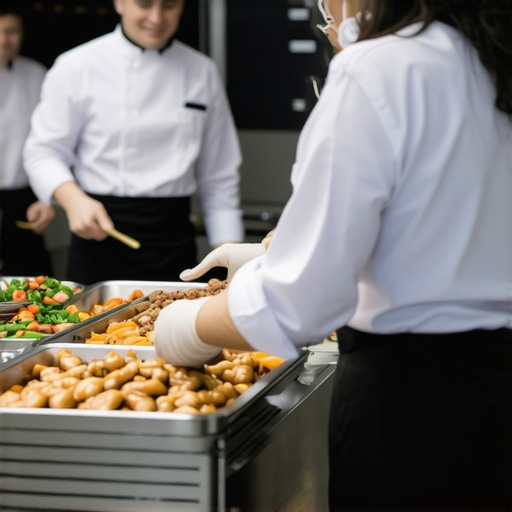
Many professionals assume that excellent event outcomes depend solely on eye-catching visuals or impressive menus. However, beneath the surface lie nuanced pitfalls that can sabotage even the most well-planned gatherings. One prevalent myth is that visibility of branding alone guarantees impact. In reality, subtle server interactions often overshadow static signage, making the role of staff training critical. In fact, a study by Gourmet Catering Co highlights that personalized service and attentive staff influence guest perceptions by up to 65%, surpassing mere visual branding.
Furthermore, many overlook the sophistication required in catering logistics. For instance, organizations often underestimate the importance of precise server deployment, leading to bottlenecks and frustrated attendees. Implementing strategic placement strategies, like those detailed here, ensures smooth flow and enhances overall experience.
A common misconception among event planners involves the assumption that larger tables or more elaborate setups naturally elevate an event’s prestige. On the contrary, optimal table design balances aesthetic appeal with functionality; overcrowded layouts hinder server efficiency and guest movement. A simple yet effective approach is to prioritize clear pathways, which can be achieved by consulting professional layout guides.
Another nuanced error is underestimating the importance of cultural awareness in menu planning and service. Serving diverse guests requires more than just creating an inclusive menu; it demands training servers to handle special dietary needs with sensitivity. Resources like this article discuss the impact of culturally-aware service on guest satisfaction.
What about the realm of professional servers? Many believe that a friendly face suffices. However, excellence in service hinges on specialized skills such as discreet communication, prompt response times, and the ability to anticipate guest needs—all of which require deliberate training. For insights into elevating your server team, consider reviewing this resource.
Finally, an often-overlooked detail is the significance of post-event feedback. Many organizations skip this step, missing out on valuable lessons that could prevent recurring mistakes. Implementing structured debriefs not only enhances future events but also signals a commitment to continuous improvement.
In essence, the hidden nuances of corporate events and catering demand a strategic perspective that goes beyond surface-level planning. Success hinges on understanding the complex interplay between detailed logistics, staff performance, cultural sensitivity, and feedback incorporation. Do you recognize any of these mistakes in your own events? Share your experiences—I’m eager to hear your stories.
Investing in Reliable Equipment for Long-Term Success
One of the fundamental aspects of maintaining smooth event operations is selecting equipment that stands the test of time. I personally swear by high-quality, commercial-grade servers and portable chillers, like Camelbak’s portable beverage coolers, which I use at every outdoor wedding. These tools minimize breakdowns and ensure consistency, allowing me to focus on delivering exceptional service rather than troubleshooting tech issues. Additionally, investing in digital inventory management systems such as Gourmet Catering Co’s resource has transformed how I track supplies and staffing, reducing waste and delays over time.
Embracing Technology to Enhance Efficiency
Modern event planning increasingly relies on software solutions like Trello or Asana for task management. I personally prefer these platforms for their intuitive interfaces and real-time collaboration features. Their mobile apps allow my team and me to update checklists on the fly, ensuring that everyone stays on the same page, even amidst last-minute changes. For catering logistics, tools like Catertrax help streamline order tracking and communication with suppliers, reducing errors and ensuring timely deliveries.
Regularly Service and Maintain Your Equipment
Consistency doesn’t just come from choosing the right tools but also from maintaining them diligently. I set scheduled inspections for all kitchen appliances, servers, and audio-visual gear, inspired by maintenance routines detailed in Gourmet Catering Co’s guidelines. Cleaning, calibrating, and updating firmware or software minimizes unexpected failures and prolongs equipment lifespan. Remember, well-maintained tools are the backbone of long-term reliability in event operations.
Plan for Future Growth and Scaling
As your reputation grows, so will your event scale. My advice is to proactively invest in modular equipment and expandable systems, such as stackable warming trays or portable serving stations, which can adapt to varying guest counts. Additionally, integrating cloud-based management tools allows for seamless scaling without overhauling your entire setup. Predictive analytics, now accessible through certain software, can even forecast staffing needs based on historical data, helping you prepare for larger events without the chaos.
How do I maintain the quality of tools and processes over time?
Consistency in event quality relies heavily on establishing and adhering to routine maintenance schedules, investing in versatile and durable equipment, and leveraging technology to stay organized. Regularly reviewing and updating your toolkit, from physical gear to software, keeps your operations smooth and reliable. For those looking to elevate their logistics, I recommend trying advanced scheduling automation tools like these strategies — they can make a real difference in scaling your event operations efficiently. Start by evaluating your current tools, identify gaps, and commit to a maintenance regimen tailored to your specific needs.
Lessons That Changed My Approach to Corporate Catering
One of the most unexpected insights I gained was how subtle server interactions can overshadow even the most eye-catching visual branding. It taught me that staff training isn’t just a box to check but a foundational element for genuine guest engagement. Additionally, I learned that overly elaborate setups can be counterproductive—simplicity combined with thoughtful placement often wins the day. A final revelation was that continuous feedback, both formal and informal, is essential in refining future events and ensuring your brand message resonates authentically.
Tools and Resources That Truly Make a Difference
For anyone serious about elevating their corporate events, I recommend exploring platforms like Gourmet Catering Co’s strategies for maximizing server efficiency. Their insights on staff training are invaluable. Additionally, adopting project management tools such as Asana or Trello can streamline your planning process, keeping everyone aligned and responsive. Investing in reliable equipment, like portable beverage coolers from trusted brands, ensures smooth operations during the event.
Your Next Move Starts Now—Make It Count
Remember, every corporate event is an opportunity to leave a lasting impression, reinforce your brand, and foster connections. By implementing personalized touches, detailed planning, and continuous improvement, you’re crafting experiences that guests will remember long after the event ends. Embrace the journey of perfecting your approach, and watch your brand reputation soar. Every step you take toward excellence today paves the way for future success.
What’s the biggest lesson you’ve learned from managing corporate events or catering? Share your story below—I’d love to hear how you’ve turned challenges into opportunities!