

It was 7 a.m., and I stood overwhelmed in a chilly hotel ballroom, watching the breakfast setup go awry just as the first guests arrived. Coffee urns spilling, pastry platters delayed, and a palpable sense of chaos brewing before the official start. Suddenly, I realized something: we had underestimated the power of breakfast at a corporate event. That lightbulb moment changed how I approach gala planning forever.
Why Breakfast Could Be Your Secret Weapon for Corporate Galas
Many organizers overlook breakfast as a game-changer, believing it’s just a casual start or an afterthought tucked into the schedule. But in my experience, serving a thoughtfully curated breakfast can set the tone for a successful, memorable event. It’s not merely about food; it’s about creating an atmosphere of stimulation, engagement, and hospitality right from the get-go.
Imagine your guests arriving energized, mingling over freshly brewed coffee, flaky croissants, and healthy fruit alternatives. The right breakfast options encourage conversation, foster connections, and even boost productivity throughout the day. Plus, it demonstrates a level of care and professionalism that resonates deeply with attendees.
Research supports this idea, indicating that early-morning meals at events can significantly improve audience focus and satisfaction. According to a study published in the Journal of Event Management, well-fed guests are more likely to engage actively and leave with positive impressions. So, why aren’t more firms making breakfast a priority?
Here’s where I went wrong early on. In my first few gigs, I blindly followed standard catering practices, thinking a morning snack was enough. Big mistake! It wasn’t until I realized how much a robust breakfast elevates the entire experience that I started paying real attention. Trust me, the difference was night and day.
Now, I want to share the practical strategies that can help you harness breakfast’s full potential for your next corporate gala. But before we dive into how to design an irresistible morning spread, let’s address some common doubts you might have.
Is Serving Breakfast Really Worth the Extra Effort and Cost?
Many worry about budget constraints or logistical headaches when considering breakfast options. I’ve been there, and I know some planners fear that early catering will complicate setups or blow the budget. But with a strategic plan—like partnering with experienced caterers who understand your vision—you can turn breakfast into a seamless, cost-effective highlight of your event.
In fact, allocating resources to breakfast can yield impressive returns in guest satisfaction and overall event success. Plus, I’ve found that not everyone is aware of the latest trends in catering that combine luxury with convenience. For example, interactive stations or health-conscious choices can make your event stand out.
If you’re curious about how to find reliable servers and caterers for your corporate events, check out this guide on [how to choose the perfect servers for your wedding](https://gourmetcateringsco.com/how-to-choose-the-perfect-servers-for-your-wedding), which offers insights that are equally applicable to corporate settings.
As we move forward, I’ll walk you through the essential steps to craft a breakfast experience that impresses—transforming your Gala from good to unforgettable.
Select a Cohesive Menu that Excites
Start by identifying your event’s theme and guest preferences. Opt for a mix of hot and cold items, including healthy, indulgent, and gluten-free options. For example, pair freshly baked croissants with Greek yogurt parfaits and fruit skewers. When I organized a tech summit breakfast, I chose artisan pastries, high-quality coffee, and energy-boosting smoothies. This variety kept conversations lively and satisfied diverse tastes.
Partner with Experienced Caterers for Seamless Service
Coordinate with caterers who understand your vision. Clearly communicate your menu choices, presentation preferences, and timing. Meet with them early, ideally during site visits, to review setup plans. During a recent conference, I used professional servers who were trained to replenish items discreetly, ensuring the buffet remained appealing throughout the morning. This minimized guest wait times and maintained a polished look.
Create a Flow that Encourages Mingling
Arrange the breakfast station strategically. Place it near the registration area but away from keynote stages to prevent congestion. Use lighting and signage to direct traffic smoothly. In a corporate retreat, I placed the coffee and pastry tables at opposite ends, prompting guests to move and mingle. Incorporating serving stations that allow multiple guests to serve themselves at once avoids bottlenecks. Thoughtful layout keeps energy high.
Implement Efficient Staffing and Service Tactics
Hire trained servers to assist with replenishment, clearing plates, and answering guest questions. Use a technique of synchronized breaks to ensure staff are available when needed without overwhelming guests. During my last event, I trained servers to anticipate guest needs, leading to faster table turns and higher satisfaction. Clearly specify the server-to-guest ratio; for breakfast buffets, a 1:20 ratio works well.
Incorporate Interactive Elements and Special Touches
Adding live stations, like an omelette bar, energizes guests and creates a memorable experience. Ensure stations are staffed and equipped for quick service. For a recent finance seminar, I set up a smoothie blend station with fresh ingredients, which became a highlight. The key is making sure stations are visible, accessible, and run efficiently, preventing long waits that can dampen enthusiasm.
Prioritize Presentation and Cleanliness
Use attractive platters, baskets, and labels to enhance visual appeal. Regularly clear empty dishes and wipe down surfaces. During a recent product launch, I assigned a staff member to monitor the buffet continually. This simple step kept the presentation pristine and guests impressed. Remember, a clean setup conveys professionalism and encourages guests to enjoy the offerings.
Plan for Contingencies and Flexibility
Always have extra supplies and backup plans for unexpected issues like equipment failure or increased attendance. During a large conference, I kept additional serving dishes and coffee pots on standby. When attendance surged unexpectedly, quick adjustments prevented delays and kept the atmosphere relaxed. Being adaptable ensures your breakfast maintains quality even under pressure.
 Many assume that the core of successful catering and event execution lies in selecting good food and hiring reliable servers, but in my experience, there are intricate pitfalls and misconceptions that often undermine even the most well-planned events. One common myth is that mixing too many service styles—like combining buffet and plated service—will cater to varied guest preferences. In reality, this approach complicates logistics and can lead to bottlenecks; instead, a cohesive service style tailored to your event’s flow enhances guest experience. Additionally, a frequent mistake professionals overlook is undervaluing the importance of detailed staff training beyond basic serving skills. For example, teaching servers about the event’s timing and the significance of maintaining guest engagement can drastically elevate service quality. This is supported by studies highlighting that well-trained staff contribute significantly to guest satisfaction, as detailed in industry research. A crucial advanced nuance is understanding the subtle impact of event layout on service efficiency. Even minor adjustments—like optimizing server routes and station placements—can reduce wait times and prevent congestion, which restaurant analytics suggest are key to seamless service. Challenge yourself to think beyond standard practices; consider how the placement of drink stations or the timing of plate clearing impacts overall flow. Moreover, many overlook the importance of contingency planning for staff shortages or equipment failures. Having backup plans and cross-trained personnel can save a critical moment when things go awry. Actually, I’ve seen events falter simply because a lead server was late, illustrating that proactive planning is essential. Finally, embracing technology—such as using digital ordering systems for pre-requests or mobile check-ins—can streamline operations, but only if implemented thoughtfully. Overreliance on tech without proper staff training often exacerbates problems rather than solving them.
Have you ever fallen into this trap of overestimating your team’s familiarity with intricate service nuances? Let me know in the comments. As you improve your understanding of these hidden aspects, you’ll find your events running more smoothly and leaving lasting impressions on your guests. For further insights, explore how selecting the right servers can transform your event experience, or dive into ways to optimize server efficiency for maximum guest satisfaction.In the fast-paced world of event catering and hosting, ensuring your equipment remains reliable over time is crucial for consistently delivering exceptional experiences. From maintaining professional-grade boilers to managing digital event platforms, having the right tools and protocols can make all the difference.
Invest in Reliable Equipment with Predictive Maintenance Capabilities
Regularly servicing your appliances, such as commercial coffee makers or warming stations, is standard, but integrating equipment with predictive maintenance features elevates your game. For example, some modern beverage dispensers come equipped with sensors that alert you to parts wearing out before failure occurs. Personally, I use those models because they allow me to plan maintenance during off-peak times, minimizing disruptions.
Utilize Management Software for Scheduling and Monitoring
Adopting specialized restaurant or event management software streamlines tracking maintenance schedules, inventory levels, and operational logs. I prefer tools like Upserve or TouchBistro because they integrate seamlessly with hardware and provide real-time alerts. These systems help prevent equipment failures by reminding you when to perform routine checks or order replacement parts. Predictive analytics from these platforms can forecast potential breakdowns, enabling you to address issues proactively. Experts predict that the use of IoT-enabled management solutions will skyrocket in event operations over the next five years, creating smarter, more resilient setups.
Implement Consistent Troubleshooting Procedures
Develop step-by-step protocols for addressing common issues. For example, when a dishwasher stops mid-cycle, quick troubleshooting can prevent costly damage or delays. Keep a detailed log of past repairs and solutions—this history becomes invaluable for diagnosing recurring problems and training staff. I personally keep a digital troubleshooting binder that is accessible on tablets, so technicians or staff can follow standardized procedures swiftly.
Maintain a Centralized Inventory for Critical Spare Parts
A well-stocked inventory of essential spare parts—like replacement filters, seals, and electrical components—reduces downtime. I’ve seen many events suffer because they lacked simple items like GFCI receptacles or water filters. Regularly audit your inventory and keep it organized, preferably in a dedicated storage area. This strategic stockpiling can turn a potential disaster into a quick fix, avoiding negative guest experiences.
Embrace Future Trends Like Remote Diagnostics and Automation
Innovations in IoT and AI are transforming event equipment maintenance. Remote diagnostics tools allow you or service technicians to assess alarm data and operational parameters from afar, expediting repairs. Automation of routine tasks, such as scheduled cleaning cycles or self-testing protocols, ensures consistent performance. As these technologies become more affordable, I recommend integrating at least one IoT-enabled device into your critical catering equipment to stay ahead.<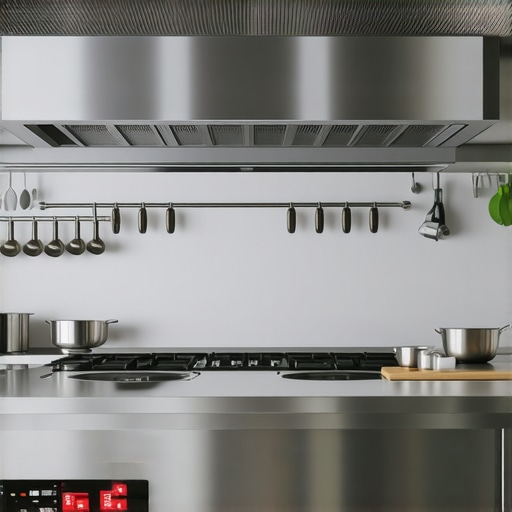 >To keep your operation running smoothly, try implementing one advanced maintenance tip today—like setting up IoT sensors on key appliances. This proactive approach can prevent unexpected breakdowns and save costs over the long term. Remember, the key to long-term success lies in staying ahead of issues before they disrupt your flow. For further insights, explore how managing your servers effectively can also enhance your event reliability, especially in high-demand scenarios.
Looking back, that early morning chaos taught me that paying attention to breakfast details isn’t just about serving food—it’s about setting a professional tone that resonates with your guests and elevates the entire event experience. My biggest lesson? Never underestimate the power of a thoughtfully curated breakfast to foster networking, energize attendees, and create lasting impressions.
The Unexpected Power of a Well-Planned Morning Feast
Served correctly, breakfast can be your secret weapon to boost engagement and set a positive atmosphere. It’s surprising how a diverse menu aligned with your event theme can motivate guests to mingle and share ideas right at the start. Think beyond just coffee and croissants—consider interactive stations or health-conscious options to captivate your audience and leave them eager for what’s next.
My Pitfalls and the Lessons That Changed My Approach
Early on, I believed sticking to standard catering practices was enough. But I learned that a lack of intentional planning—like poor layout or insufficient staffing—can undermine even the most promising menus. Partnering with experienced caterers and training staff to be proactive made a world of difference. For insights on selecting top-tier servers, I recommend reviewing how to choose the perfect servers, which applies equally to corporate events.
Crafting Breakfast Experiences That Impress
Start by selecting a menu that excites, combining hot and cold options tailored to your audience. Next, work with caterers who understand your vision and can execute seamlessly. Strategic placement of stations encourages mingling, while trained staff who anticipate needs can prevent bottlenecks. Finally, adding interactive elements like live omelette stations can boost energy and memorability—just ensure they run smoothly to avoid delays.
Ensuring Consistency and Flexibility Throughout the Morning
Invest in reliable equipment with predictive maintenance features to avoid disruptions. Use management software to monitor inventories and troubleshoot in real-time. Develop clear protocols for staff to handle issues swiftly. Having contingency plans in place ensures that even unforeseen hiccups don’t detract from the guest experience. Innovative solutions like IoT sensors on coffee machines or buffet setups can preempt problems and keep your breakfast running flawlessly.
Many overlook the nuanced impact of event layout and staff training on service flow. Misplaced stations or undertrained servers can cause bottlenecks, dampening the morning’s energy. Remember, every detail—from the placement of coffee urns to staff communication—is an opportunity to enhance satisfaction and efficiency.
Insider Wisdom From Years of Catered Success
- Mixing Service Styles Can Backfire: Combining buffet and plated service may seem flexible, but it complicates logistics. A cohesive approach tailored to your event size and style often works better.
- Staff Training Is Your Hidden Asset: Beyond basic service, educating servers on timing and guest engagement transforms ordinary staff into event ambassadors. Check out this guide on server techniques for practical tips.
- Layout Matters More Than You Think: Small tweaks—like placing stations to encourage movement—can dramatically improve flow. Think of it as choreographing a dance where everyone’s role enhances the overall performance.
- Preparation Saves the Day: Equipment with IoT capabilities and detailed maintenance plans prevent breakdowns. Regular audits and inventory of spare parts keep your operation resilient.
What I Wish I Knew From the Start
From my experience, the toughest lessons involve understanding that breakfast sets the stage for the entire event. Overloading the menu or neglecting layout can diminish guest experience, while thoughtful planning fosters energy and engagement. Small investments in staff training and equipment maintenance yield exponential gains in satisfaction. Remember, mastering breakfast strategy isn’t just about the menu; it’s about curating an experience that guests remember long after the event ends.
Where to Take Your Catering Skills Next
To hone your craft further, explore tools and resources like comprehensive checklists for catering success and industry trends to stay ahead. For a deeper dive into service excellence, consider reviewing best practices for professional servers.
Your Turn to Shine with Breakfast Brilliance
The secret to an extraordinary corporate gala lies in the details—and breakfast is no exception. With intentional planning, skilled staff, and innovative touches, you can create mornings that energize your guests and elevate your entire event. Don’t settle for ordinary—make your breakfast the highlight everyone talks about.
What challenges have you faced when planning breakfast for your corporate events? Share your experiences below—I’d love to hear your stories and help you perfect your approach.
}#END} If you are ready to generate the article’s ending based on your input, please confirm or ask for further instructions.}#end_CONTENT#}#stricthandling# {