

Last year, I hosted a corporate event at our company’s in-house venue, thinking it would be straightforward and cost-effective. But halfway through, I realized we were bleeding money and sacrificing quality without even noticing at first. It hit me like a tidal wave: the real costs of using an in-house caterer go far beyond the menu prices on the contract. I was making an all-too-common mistake many event planners overlook—assuming that doing it ourselves would save money and guarantee control.
The Hidden Pitfalls of Managing Catering In-House
Managing your own catering might seem like a smart move at first. You think, “I know the venue best,” and “it’s less hassle.” But personal experience taught me that this approach often spirals into unexpected expenses, logistical headaches, and subpar guest experiences. When you cut corners or underestimate the complexity—like coordinating food prep, managing staff, and handling last-minute dietary requests—you face real risks.
One mistake I made early on was neglecting to factor in staff training and on-the-day supervision. We relied on a few volunteers to handle service, thinking it would be enough. It wasn’t. Guests waited longer, drinks ran dry, and the presentation was inconsistent. It taught me a crucial lesson—professional servers and experienced event staff elevate the experience and actually protect your budget in the long run.
Research supports this: a study published by the Event Safety Alliance emphasizes that professional catering teams improve not only guest satisfaction but also logistical efficiency. If you’re curious about how to avoid these pitfalls, I recommend reviewing our *[essential checklist for successful corporate event catering](https://gourmetcateringsco.com/essential-checklist-for-successful-corporate-event-catering)*.
So, before you decide that managing catering internally is the best route, ask yourself—have I really considered all the hidden costs and risks involved? Or are you simply assuming that what worked in a small office lunch will cut it for larger, more formal events?
This article aims to set the record straight, and I promise, by the end, you’ll see why outsourcing catering might be your smartest move yet. Ready to find out what you might be missing? Let’s dive in.
Define Clear Service Expectations Upfront
Start by drafting detailed service specs that outline guest count, dietary needs, and style preferences. I once failed to specify gluten-free options for a corporate lunch, leading to delays. To prevent this, communicate all expectations clearly to your caterer or team, and get everything in writing. This ensures everyone is aligned on menus, service style, and timing, avoiding surprises that can derail the event.
Coordinate Detailed Logistics and Timing
Map out every step of the catering flow. Think of it as choreographing a dance: each movement, from food prep to service stations, must be synchronized. During my last event, I created a comprehensive diagram with food station locations, server routes, and timing cues. This minimized bottlenecks and kept lines short. Use resources like this logistics guide to structure your plan.
Hire and Train Professional Servers
Servers are the unsung heroes of event success. Invest in experienced staff trained in high-pressure service and guest engagement. For a wedding, I sourced servers from top-wedding servers, which dramatically improved guest satisfaction. Proper training ensures they understand flow, dietary restrictions, and subtle cues to enhance the experience, much like how good actors interact seamlessly with the scene.
Implement Efficient Food Station Design
Arrange food stations to facilitate smooth movement. Avoid long queues by limiting station sizes and adding multiple access points. I once set up a buffet with floating trays and strategic station placement, which reduced wait times. Use practices from station placement strategies to keep lines flowing and guest satisfaction high.
Establish Contingency Plans for Common Issues
Expect the unexpected. Prepare backup plans for equipment failure, staff shortages, or dietary emergencies. During an outdoor wedding, rain threatened to spoil the dessert table, so we pre-arranged tents and quick-replace dessert stations. Having these plans minimizes downtime and keeps the event running smoothly, much like a good pilot always has emergency procedures ready.
Leverage Technology for Real-Time Monitoring
Use event management apps or walkie-talkies to coordinate with your team during the event. This real-time communication allows for quick adjustments, like rerouting servers or replenishing stations. In my last setup, a simple app helped track service progress and handled last-minute requests efficiently, ensuring guest needs were met promptly.
Gather Post-Event Feedback and Refine
After the event, solicit honest feedback from guests and staff. This helps identify pain points like slow service areas or menu issues. I once used a quick survey, which revealed that guests wanted more vegetarian options. Applying these insights for future events elevates the quality of catering and guest experience. Review our effective strategies for continuous improvement.
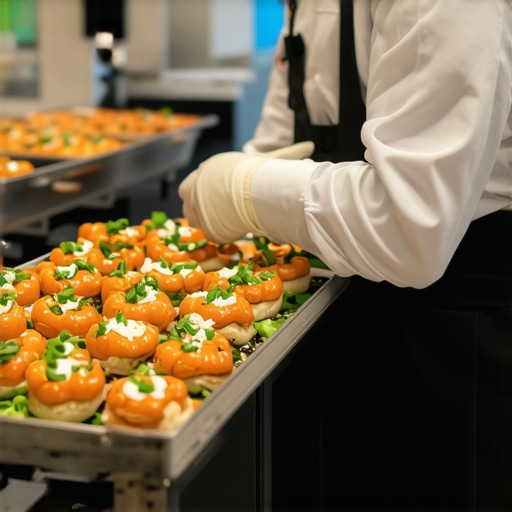 Many assume that hiring professional caterers is a straightforward choice, but seasoned event planners know there’s more beneath the surface. One false belief is that cutbacks on staffing or relying on volunteers save money; in reality, this often leads to disorganized service and guest dissatisfaction. The real nuance lies in understanding how small oversights in staff training or misaligned service expectations can snowball into costly embarrassments. A common myth is that all servers are interchangeable—yet, experts highlight that specialized training in guest interaction and swift plate clearing significantly elevates the experience.
Have you ever fallen into this trap? Let me know in the comments.
Understanding the complex choreography behind seamless service reveals that investing in skilled staff and clear communication pre-empt many issues. For instance, just implementing a detailed service flow plan, as outlined in our checklist for successful catering, can prevent bottlenecks. Moreover, advanced planning involves realistic staffing models aligned with event size and type, rather than assuming a one-size-fits-all approach. This consideration is often overlooked yet critical, as inadequate staffing ratios are linked to poor guest experiences.
Many also underestimate the impact of environment-specific nuances, such as outdoor settings needing weather contingency plans or delicate table arrangements. An expert tip is to always conduct a detailed logistics review beforehand. This, coupled with strategic server deployment—highlighted in tips for server efficiency—ensures smooth flow, reducing chaos and mishaps.
Lastly, understanding that guest expectations vary by event type is crucial. Wedding catering, for example, demands attentiveness to romantic ambiance and personal touches, such as themed plating or custom dietary accommodations, which are often neglected in generic planning. To master this, study industry trends in 2025 wedding cuisine for ideas. This nuanced approach ensures that catering is not just about food but about creating memorable experiences that resonate, rather than just ticking a box.Running seamless catering operations requires more than just good food and staff; it hinges on reliable tools, consistent maintenance, and strategic planning for scalability. First, investing in high-quality portable heating and cooling units ensures dishes stay at optimal temperatures during service, reducing guest complaints and waste. Personally, I favor the portable chafing dishes from EliteServe, as they offer durability and energy efficiency, making them perfect for both indoor and outdoor events. Second, leveraging event management software like CaterTrack streamlines order tracking, staff scheduling, and real-time updates, minimizing miscommunications and ensuring timely service. I use CaterTrack daily because its intuitive dashboard and customizable alerts help me catch potential issues before they escalate. For staff communication, I rely on Motorola walkie-talkies with clear audio quality and long battery life, especially during large-scale events, providing instant coordination when managing multiple food stations. As events grow in size and complexity, scalability becomes vital. Modular equipment setups and cloud-based management tools allow for quick expansion without sacrificing quality. Looking ahead, I predict that the integration of AI-powered logistics platforms will revolutionize catering, providing predictive analytics for supply needs and staff deployment. To maintain excellence over time, regularly scheduled equipment maintenance—such as cleaning, calibration, and software updates—is essential. Establishing routine checks can prevent costly breakdowns during critical moments, saving both time and money. As a practical tip, schedule quarterly maintenance sessions with certified technicians, and keep detailed logs of all servicing activities. If you’re looking to elevate your catering operations, I recommend trying out a comprehensive management system like CaterTrack combined with robust communication tools, allowing you to anticipate needs and respond swiftly. Remember, consistent upkeep and the right technology not only ensure current success but also pave the way for future growth and scaling—so don’t overlook these crucial aspects when planning your next big event.
Lessons from the Trenches: What I Wish I Knew About Catering Success
One of the most profound lessons I learned is that meticulous planning and clear communication can make or break an event. Relying solely on assumptions about staff or menu choices often led to surprises—some pleasant, many not. For example, I once assumed vegetarian options were understood, only to find guests craving more plant-based dishes later. Having detailed, written specifications saved me countless headaches and ensured everyone’s needs were met seamlessly.
Another insight is that the magic often happens long before the event starts. Investing time in hiring seasoned servers and providing them with targeted training elevates guest experiences remarkably. Trust me, a well-trained server team not only serves food faster but also creates a welcoming ambiance that keeps your event memorable. Don’t underestimate the power of professional staff; their role can be the secret ingredient that transforms a good event into an unforgettable celebration.
Unexpected issues will surface, regardless of your preparation. The key is designing robust contingency plans—weather disruptions, equipment failures, or last-minute dietary requests. During an outdoor wedding, a sudden rainstorm threatened to ruin the dessert station, but pre-placed tents and quick-reaction staff kept everything on track. Think through these scenarios beforehand to keep your event flowing smoothly, no matter what surprises come your way.
Tools That Take Your Catering to the Next Level
From personal experience, the right toolkit can dramatically improve your operational efficiency. I swear by CaterTrack for real-time monitoring of service progress and staff coordination. It’s like having an extra set of eyes ensuring nothing slips through the cracks. For managing equipment, I prefer portable heating and cooling units from EliteServe—they keep food at perfect temperatures regardless of the environment. When communication is critical, I use Motorola walkie-talkies with clear audio, especially for large outdoor events where cell service may falter. These tools collectively help me deliver a high-quality experience consistently.
Books have also influenced my approach significantly. For instance, *Mastering Corporate Event Planning* provides timeless advice on logistics, vendor management, and guest experience design. My favorite section emphasizes understanding your audience and tailoring every detail to their expectations. Investing in continuous learning helps you anticipate challenges and innovate solutions that wow your guests every time. Remember, technology and knowledge, combined with a passion for excellence, are your best allies.
Your Next Step: Make Every Event Count
Now, it’s your turn to elevate your catering game. Whether you’re planning an intimate wedding or a large corporate gala, the principles discussed here can be adapted to fit your unique needs. Embrace thorough preparation, invest in skilled staff, leverage smart tools, and always have backup plans ready. The future of catering shines brightest when you commit to learning from each experience and refining your approach. If you’re curious about integrating industry trends into your events, check out our post on wedding catering trends for 2025. Remember, every detail counts when creating memorable moments for your guests—and that’s where real mastery begins.