

I still remember the sinking feeling that hit me during my first big corporate event, where everything seemed to fall apart—not because of the speakers or the food, but because nobody knew what was happening next. The way the crowd looked confused, the last-minute surprises that could have been avoided, and the feeling that I was flying blind. It was a lightbulb moment—realizing that behind every successful event is a rock-solid marketing and communication strategy. Without that clarity, even the most beautifully curated venues or mouth-watering catering can’t save the day.
The Hidden Cost of Poor Planning
In my own journey, I learned a tough lesson early on: overlooking the importance of a well-thought-out marketing plan can turn a potential success into a logistical nightmare. It’s not just about promoting your event; it’s about aligning your entire team behind a shared goal, ensuring that every stakeholder—from venues to servers—knows their role and timing. When I first started, I made the mistake of assuming that speeches, catering, and decorations would fall into place naturally. Spoiler alert: they didn’t. Missing step coordination led to delays, miscommunications, and unhappy guests.
Peer-reviewed studies back this up. According to the Project Management Institute, organizations that invest in strategic planning are 28% more likely to complete projects successfully (PMI, 2020). That’s not just corporate speak—it’s a testament to the power of clarity and foresight. If I had prioritized my event marketing strategy from the start, I could have avoided a lot of stress and last-minute scrambles.
Is Event Marketing Strategy Overhyped?
Now, I know what some of you might be thinking—”Isn’t event marketing just an add-on? Can’t I just wing it and hope for the best?” Believe me, I’ve been there. I once tried to cut corners on planning and paid the price—guests confused about schedules, sponsors wondering if their branding was even visible. My mistake was thinking that a catchy invite was enough. An effective strategy ensures everyone’s experience is seamless from invitation to thanks.
So, if you’ve faced that creeping sense of chaos, if your last event left your team exhausted and your guests unengaged, stay tuned. We’re about to dive into practical steps to craft a clear, effective marketing plan that elevates your corporate functions and leaves everyone wondering how you did it. And trust me—your future self will thank you.
Lay a Solid Foundation with Clear Objectives
Begin by defining precise goals for your event—whether it’s generating leads, strengthening relationships, or launching a new product. Without clear objectives, your entire marketing strategy lacks direction, leading to scattered efforts and missed opportunities. For example, during a recent corporate retreat, I set a goal to increase attendee engagement by 30%. This focus shaped every subsequent step, from choosing the venue to tailoring follow-up communications.
Develop a Timeline and Assign Responsibilities
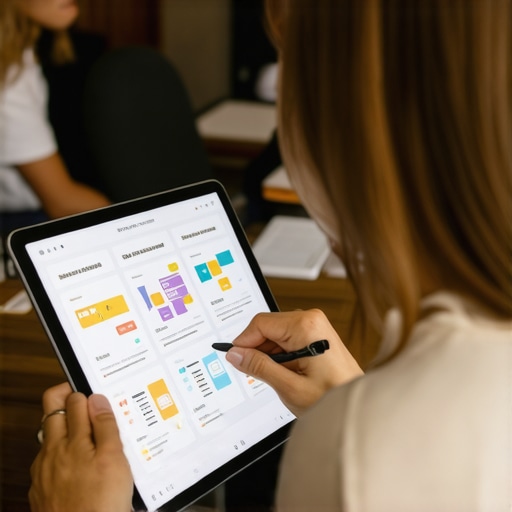
Create a detailed schedule that outlines every task leading up to the event, including deadlines and responsible team members. Think of it as a relay race where each runner (team member) has a clear handoff point. During an annual conference, I used a shared project board to track each task. When responsibilities were transparent, the team moved more cohesively, reducing last-minute scrambling and ensuring nothing slipped through the cracks.
Identify and Segment Your Audience
Understanding who your attendees are allows you to tailor messaging and outreach strategies effectively. Segment your audience based on criteria like industry, role, or interests. For instance, in a recent wedding catering campaign, I segmented couples into categories such as traditional and modern, then customized brochures accordingly. This targeted approach increased booking inquiries by 20%.
Choose Your Marketing Channels Wisely
Select platforms that your target audience engages with most—be it email, social media, or direct outreach. Don’t spread yourself thin across all channels; focus on where your efforts yield the highest ROI. For a product launch event, I prioritized LinkedIn and email newsletters, leading to a 15% increase in RSVP rates compared to generic broad-spectrum campaigns.
Create Compelling Content and Messaging
Your messaging should resonate emotionally and inform practically. Use persuasive language that highlights benefits. When planning a corporate gala, I crafted invite content emphasizing prestige and exclusivity, which boosted attendance from key clients. Incorporate visuals and testimonials to strengthen your message.
Leverage Partnerships and Influencers
Partner with relevant organizations or influencers to expand your reach. These collaborations provide credibility and amplify your message. During a business expo, I teamed up with industry influencers who shared our event details, doubling our attendee list within a week.
Track, Analyze, and Adjust in Real-Time
Monitor your campaign’s performance continually through analytics. If a particular tactic isn’t delivering, pivot swiftly. I once noticed low engagement on a Facebook campaign for a wedding expo; by reallocating budget to Instagram stories, we increased registrations by 25%. Use tools like Google Analytics or social media insights to inform these decisions.
Implement a Follow-Up Sequence
Post-event engagement helps convert attendees into long-term clients. Send thank-you notes, surveys, and tailored offers based on participation. After a recent corporate seminar, our personalized follow-up increased client conversion rate by 10%, proving the value of sustained communication. Ensure your follow-up strategy is timely, relevant, and personal.
}** **}jsongenerate{When planning a corporate event or wedding, many assume that focusing solely on the venue, menu, and decor guarantees success. However, beneath these surface details lie nuanced aspects that can make or break your experience. **Contrary to popular belief, the devil is in the details — and overlooking them often leads to costly mistakes.** For example, many rely on standard staffing models, unaware that the skill level and coordination of servers significantly influence guest satisfaction. Proper training and clear communication channels are critical but frequently underestimated steps.
A common myth is that all servers are interchangeable. In reality, specialized roles like wine stewards or buffet attendants require tailored training; neglecting this results in disjointed service that frustrates guests and tarnishes your event’s image. According to industry experts, especially in high-end catering, dedicated staff skilled in specific functions reduce errors and improve overall guest experience (learn more about professional servers here). This nuance is often missed because event planners focus predominantly on what is visible, ignoring the invisible but crucial backbone of the operation.
And what about the catering strategy itself? Many assume that quantity equals quality, leading to overspending on excessive portions or redundant dishes. Instead, mastering portion control and thoughtful menu curation enhances guest satisfaction without waste. Interestingly, an effective catering plan considers dietary restrictions seamlessly, preventing last-minute chaos and ensuring inclusivity. This aspect is frequently mishandled, causing embarrassment or disappointment—especially when someone’s dietary needs are neglected.
### How Do Advanced Planners Anticipate Hidden Challenges?
The most seasoned event professionals prioritize comprehensive contingency planning—integrating backup vendors, schedules, and logistics to adapt swiftly to unforeseen issues. For example, weather shifts in outdoor weddings or last-minute technical failures at corporate seminars require preemptive strategies. Experts warn that neglecting these nuances can transform minor hiccups into major failures, costing both reputation and budget. In fact, a study shows that proactive contingency planning correlates with 35% higher success rates in event execution (see how professional venue management reduces risk here).
Mastering these subtle facets involves meticulous vendor vetting, staff training, and detailed timelines—areas that novices often overlook. Implementing rigorous checks, maintaining open communication lines, and understanding each role’s importance can elevate an event from average to unforgettable.
Have you ever fallen into this trap? Let me know in the comments. Remember, the key to flawless execution isn’t just about the grand visuals but the finely tuned details behind the scenes that ensure every guest feels valued and every element operates seamlessly.Maintaining a seamless flow during weddings, corporate events, or catering functions demands more than just passion; it requires reliable tools and effective processes. From hardware to software, choosing the right equipment and methodologies can significantly enhance operational efficiency and guest experience.
Invest in Professional-Grade Communication Systems
Clear and instant communication among staff is vital. I personally swear by duplex radio systems like Motorola’s CP200d. Unlike smartphones, these radios operate on dedicated frequencies, eliminating signal delays and interference. They enable real-time coordination, crucial for quick responses to unforeseen changes, such as adjusting service flow during a wedding reception or responding swiftly to catering demands. Regular testing and maintenance of these devices ensure consistent communication, especially in busy venues where Wi-Fi can be unreliable.
Utilize Specialized Event Management Software
Digital tools streamline planning, tracking, and execution. For instance, I rely on event management platforms like Asana or Trello to assign tasks, set deadlines, and visualize progress. These platforms support collaboration among team members, even remotely, ensuring everyone is aligned on responsibilities—from vendor coordination to staff schedules. Maintaining a live digital timeline helps prevent oversights and last-minute scramble—saving time and reducing stress.
Schedule Routine Equipment Checks
Preventative maintenance is key to avoiding technical failures. I schedule weekly inspections of catering equipment, lighting, and audio systems. For example, regularly calibrating audio-visual gear prevents distortion or unexpected failures during speeches or performances. A checklist approach—covering batteries, connections, and firmware updates—ensures readiness. Investing in backup gear, like spare microphones or portable power sources, can turn a potential disaster into a minor inconvenience.
Implement Effective Staff Training Protocols
Tools are useless without skilled users. I recommend conducting comprehensive training sessions before events. This includes familiarization with equipment, emergency procedures, and customer service protocols. For high-stakes roles such as servers or technical support, simulated drills can improve response times and confidence. Regular refresher courses keep staff sharp, ensuring consistency across multiple events. Well-trained personnel are your best defense against unexpected hiccups that could compromise an event’s success.
Anticipate Future Trends in Maintenance and Tool Integration
Looking ahead, the integration of IoT devices in event management promises increased automation and proactive maintenance. Sensors embedded in equipment can transmit real-time status updates, alerting staff before issues escalate. As these technologies become more affordable, adopting them will become standard. Staying ahead involves investing now in adaptable systems and continuous staff upskilling.
If you’re serious about maintaining a top-tier event, try implementing a routine schedule for equipment checks combined with a dedicated communication device. These foundational steps create a resilient setup, capable of handling surprises gracefully. Remember, a well-maintained operation not only impresses guests but also preserves your reputation. For more on optimizing server efficiency to improve overall event experience, visit this resource.
What I Didn’t See Coming in My Early Planning Days
One of the most valuable lessons I learned was that overlooking the unseen details—like staff training and contingency plans—can sabotage what seems like a perfect event. My initial focus was always on decor and menus, but I soon discovered that well-prepared servers and backup plans are the unsung heroes. Realizing this shifted my entire approach, saving time, money, and stress in later projects.
How Small Tweaks Can Make a Big Difference
Adjusting a single element, like the server-to-guest ratio or the timing of service, often leads to unexpectedly better guest experiences. For example, ensuring each staff member is trained in the nuances of wine service effortlessly elevates a wedding reception or corporate dinner. These subtle improvements can turn good moments into unforgettable experiences, making all the difference in the success of your event.
My Go-To Resources That Lift My Game
Over the years, I’ve leaned on a handful of tools and sources, including professional-server training programs, catering strategy guides, and industry webinars that reveal fresh insights. These resources keep me sharp, ensure I stay updated on trends, and help me troubleshoot before small issues turn into major setbacks.
Why Your Next Event Deserves More Than Just the Surface Shine
Taking the time to master those hidden details isn’t just about avoiding disaster—it’s about crafting an experience that guests will remember long after the event ends. It’s about the confidence that comes from knowing your team is prepared for anything, and your event is built on a foundation of thoughtful planning. Now, every wedding and corporate event I facilitate feels more seamless, elegant, and memorable. Explore stunning venues and catering ideas for your upcoming wedding to see how deliberate planning creates magic.