

It was halfway through the night when I realized chaos was about to break loose. Guests were waiting eagerly, but my staff was exhausted, some sneaking off for quick breaks that turned into unplanned retreats. The stress was mounting, and I knew if I didn’t act fast, the whole event could unravel. That lightbulb moment hit me hard—staff break management isn’t just about fairness; it’s about seamless execution.
Keeping the Momentum: Why Breaks Matter in Long Events
Managing staff during a 10-hour event can feel like balancing on a tightrope. You want your team to stay energized, attentive, and professional without burning out or creating gaps in service. If you neglect this balance, you risk declining guest satisfaction and operational hiccups. From my experience, proper break strategies are the unsung heroes of event success, enabling your team to recharge without disrupting the flow.
Did you know that poorly managed breaks can reduce overall staff productivity by up to 30%? According to industry expert insights, a well-planned break schedule can spell the difference between a smooth event and a staffing disaster. Early in my career, I made the mistake of letting staff scatter unpredictably, which often led to uneven service and overwhelmed servers. That mistake taught me the importance of a strategic, thoughtful approach.
Now, I make it a priority to plan staff breaks with precision, ensuring constant coverage and maintaining guest experience. But how do you do it effectively without turning the event into a logistical nightmare? That’s exactly what we’ll dive into next. If you’ve ever faced the scramble of trying to cover shifts mid-event or felt guilty for leaving your team to fend for themselves, you’re in the right place. Let’s explore how to turn this tricky aspect into your secret weapon for a flawless celebration.
Ready to learn the proven structure that keeps your staff energized and your event running like clockwork? Let’s get started.
Implement Time-Blocked Break Schedules
Start by dividing your event timeline into clearly defined segments, allocating specific times for staff breaks similar to how a conductor signals sections in an orchestra. For example, during a wedding reception, assign break periods during the couple’s photography session when guest flow slows, preventing service gaps. I once coordinated a large corporate luncheon by scheduling staggered 15-minute breaks every two hours, ensuring continuous coverage. This method minimizes the risk of staff shortages during peak service moments, maintaining guest satisfaction at all times.
Designate Backup Staff Positions
Create a roster of trained backup servers who can step in when primary team members take their breaks, akin to having reserve players on a sports team prepared to enter at a moment’s notice. For instance, during a high-profile event, I trained two additional servers to cover crucial stations. When one needed to step away unexpectedly, the backup seamlessly took over, ensuring the flow remained uninterrupted. Regularly cross-train staff to handle multiple roles, which boosts flexibility and response speed.
Assign a Floor Captain or Supervisor
Appoint a dedicated supervisor responsible for overseeing break schedules and real-time coverage adjustments, much like a ship’s captain monitoring the crew. During a wedding reception I managed, the captain coordinated staff rotations and addressed issues proactively, such as redistributing servers during a surge in guest requests. This leadership ensures accountability and quick problem-solving, keeping the event running smoothly while staff enjoy their breaks without worry.
Leverage Technology for Scheduling and Communication
Utilize digital scheduling tools or walkie-talkie systems to coordinate break times and immediately address staffing needs, similar to air traffic control managing plane departures. I implemented a simple app that alerted staff when their break was approaching and notified managers of coverage gaps. This real-time communication allowed for swift interventions, preventing service slowdowns. Emphasize clear protocols so everyone understands their break windows and responsibilities.
Practice and Refine Your Break System
Conduct mock drills during staff training to identify potential bottlenecks, like rehearsing a play before the big game. I once ran a simulated service scenario where a server’s break coincided with a peak order rush, revealing the need for more backup staff at key stations. Refine the schedule based on feedback and actual event flow, ensuring your team is prepared for real-time adjustments. A well-rehearsed system reduces stress and enhances performance during the event.
Stay Mindful of Guest Experience
Always coordinate breaks so they are discreet and do not interrupt guest interactions, comparable to synchronized dancers avoiding collisions on stage. During a wedding, I scheduled breaks during moments when guests were engaged in dancing or speeches, ensuring servers were available without drawing attention away from memorable moments. Monitor the service flow continuously, and be ready to reassign staff as needed to maintain a seamless experience.
Many event planners and hosts fall into the trap of thinking they fully understand the dynamics of corporate events, weddings, and catering. However, the truth is that several subtle myths misguide even experienced professionals. One common misconception is that more servers always equate to better service. In reality, overstaffing can cause confusion, slowdowns, and a disjointed guest experience. Properly trained and strategically scheduled staff can deliver higher quality service than simply increasing numbers, a principle highlighted in industry studies emphasizing efficiency over volume. Additionally, a frequently overlooked nuance is the significance of staff cohesion and communication. Even the most talented servers can falter if they lack coordination, leading to awkward moments and guest dissatisfaction. Many assume standard training suffices; however, advanced preparation involving scenario-based drills fosters seamless teamwork, especially during peak times.
What are the subtle signs that your catering staff might be underperforming that you’re missing?
It’s tempting to monitor only visible issues like spilled drinks or slow clearing, but the real signs often fly under the radar—such as inconsistent greeting etiquette, lack of proactive guest engagement, or silent cues indicating unclear role boundaries. Recognizing these signs allows for preemptive corrections, preventing minor issues from escalating. A critical mistake many overlook is neglecting the importance of personalized service cues tailored to event type. For example, the nuances of serving at a high-end wedding differ significantly from a corporate conference. Ignoring these differences can leave your staff appearing unprofessional or disconnected. Properly customized training, as discussed in https://gourmetcateringsco.com/wedding-catering-tips-from-industry-experts, ensures that servers adapt their approach appropriately.
Beyond staffing strategies, myths around catering logistics can cause costly errors. Some hosts believe that sticking to a traditional buffet line is always best, but in my experience, innovating with station-based service or interactive food stations can enhance guest engagement and flow, as detailed in https://gourmetcateringsco.com/unforgettable-wedding-catering-ideas-for-a-magical-celebration. This approach minimizes congestion, especially during peak hours. Similarly, underestimating the importance of aligning catering and service logistics with the venue’s architecture often results in bottlenecks and delays. Conducting thorough site visits, as recommended in https://gourmetcateringsco.com/the-ultimate-guide-to-corporate-event-catering-logistics, can reveal natural choke points and allow for strategic planning.
One advanced mistake is neglecting the emotional labor involved in guest interactions. Servers often focus solely on task completion but overlook building rapport with guests, which significantly boosts perceived service quality. Training that emphasizes emotional intelligence pays dividends, especially during high-stakes events like corporate galas or milestone weddings. Keep in mind, hosts intending to impress must also consider the hidden costs of overlooked details—like the significance of uniform standards or subtle cues for VIP treatment, explored in https://gourmetcateringsco.com/the-protocol-for-serving-vips-at-high-stakes-corporate-dinners. By refining these advanced nuances, you elevate your event from good to unforgettable. Remember, every detail matters, and mastering these subtle elements is what truly sets professional event staff apart. Have you ever fallen into this trap? Let me know in the comments.Managing a successful event over time requires more than just a good team—it demands reliable tools and strategic maintenance to keep operations seamless. From scheduling software to equipment accessories, the right tools can significantly reduce stress, enhance efficiency, and ensure long-term success. For instance, I personally swear by digital scheduling platforms like When I first integrated such tools into my workflow, I noticed immediate improvements in staff coordination and reduced last-minute chaos, which is vital for large-scale events like weddings or corporate gatherings. Prediction suggests that AI-powered scheduling and real-time communication apps will continue to evolve, offering even more automation and predictive analytics to preempt staffing issues before they arise.
How do I maintain operational excellence over time?
Consistent maintenance starts with regular reviews of your equipment and software. Periodically audit your server uniforms and service tools to ensure everything is in top condition; for example, replacing worn-out trays or upgrading your handheld communication devices can prevent breakdowns during critical moments. I recommend implementing a routine check-in schedule—monthly or quarterly—to evaluate your gear and software performance, much like a car service. Additionally, staying updated with the latest catering technology (like advanced chafing dishes or portable warming units detailed in https://gourmetcateringsco.com/optimizing-server-efficiency-to-enhance-event-satisfaction) keeps your operation running smoothly and impresses clients with professionalism.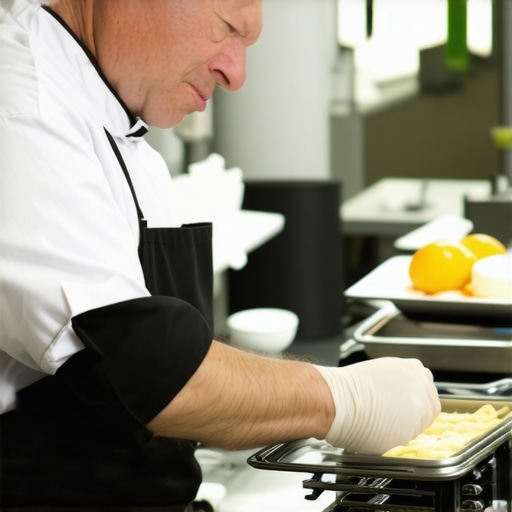
Invest in high-quality portable equipment that withstands the rigors of frequent use. For example, using durable, easy-to-clean warming trays ensures hot dishes remain perfect throughout the event, saving you from last-minute re-heating or spoilage. Furthermore, keep your team trained on how to troubleshoot common issues with your equipment—quick repairs can prevent delays and guest dissatisfaction. To streamline communication during events, tools like walkie-talkie systems (or advanced apps like Zello, which I prefer for its reliability and ease of use) are invaluable for instant coordination. Regularly review your personnel’s proficiency with these tools, conducting mock drills to identify and address gaps proactively.
Looking ahead, integrating IoT sensors into your catering setup could revolutionize maintenance schedules by alerting you to equipment failures before they happen. Imagine receiving a notification that a chafing dish’s temp sensor detects a drop, allowing preemptive adjustments and avoiding service interruptions. Staying ahead means embracing these innovations early and continuously refining your processes. So, I challenge you to select one piece of equipment—be it your portable warming unit or scheduling software—and invest in a maintenance upgrade, whether through routine checks or tech enhancements. Your long-term success depends on it. For more insights, exploring effective catering strategies from industry experts can provide additional guidance on sustaining excellence over many events.
Throughout my years managing catering for diverse events, I’ve learned that the subtle lessons often make the biggest difference. One of the hardest truths I faced was realizing that even the most skilled servers need more than just training—they need tailored support and an environment that fosters confidence. I once overlooked a team member’s hesitation during a busy dinner, only to find that small cues—like a nervous glance or a slight misstep—can signal deeper issues that, if addressed early, prevent larger mishaps. These insights have reshaped my approach, emphasizing the importance of ongoing mentorship and personalized feedback.
Another significant lesson was understanding that technology isn’t just a tool but an extension of your team. Investing in reliable scheduling apps or real-time communication devices transforms chaos into coordinated effort. I personally rely on platforms like Zello for instant updates, which have saved countless moments during high-stakes events. Trusting these tools and training staff to use them efficiently has consistently resulted in smoother operations and happier guests.
Finally, I discovered that the most memorable events are those where every detail feels intentional—from the flow of service to the ambiance created by impeccable timing. The tiny, often overlooked elements like discreetly managing guest allergies or seamlessly transitioning between course servings elevate the entire experience. It’s in these details that the true mastery of catering reveals itself, transforming good events into unforgettable celebrations. Have you noticed a small adjustment that made a big impact in your catering efforts? Share your insights below and let’s learn together.
My Toolbox for Event Excellence
For anyone serious about perfecting their catering craft, I recommend a few essential resources. First, mastering efficient server skills is foundational—check out this guide to professional server skills. It provides actionable tips that boost confidence and responsiveness. Second, staying ahead with industry insights, I regularly reference top server tips for elevating guest experience, which keeps my team sharp and adaptable. Third, for planning larger events, I swear by the ultimate guide to corporate event planning. It’s a comprehensive resource that preemptively addresses common pitfalls, ensuring smooth execution from start to finish.
Your Next Step Toward Catering Mastery
Having gleaned these lessons, I hope you feel empowered to refine your approach and embrace innovation in your catering endeavors. Remember, excellence isn’t just about flawless service but about creating memorable moments that resonate with your guests long after the event ends. So, why not start today? Experiment with a new communication tool or refine your server training protocol and observe the positive ripple effects. The journey to catering mastery is ongoing, but every small step forward brings you closer to perfection. What’s one change you’re planning to implement at your next event? Let me know in the comments below, and let’s inspire each other to elevate our craft!