

It was late afternoon, and I watched a sea of plain, budget-friendly table linens staring back at me—flat, dull, and utterly uninspired. No matter how much I arranged and fussed, they just wouldn’t catch the light or look as luxurious as I wanted for that wedding reception. That moment, I realized I was missing a crucial detail: lighting. A simple, clever trick changed everything, transforming my ordinary linens into something that *looked* like expensive silk without breaking the bank. And today, I want to share that secret with you.
Why Lighting Can Make or Break Your Table Decor
Even the most affordable tablecloths can look stunning if you know how to work with light. Proper lighting accentuates texture and color, creating a visual richness that mere fabric can’t provide. I learned this early in my catering career when I noticed how a well-placed warm light made even inexpensive linens shimmer like silk—something I once thought only high-end venues could achieve. It’s all about highlighting the right details;
but here’s the catch—most people overlook it or simply don’t know how to do it effectively.
Is This Lighting Trick Really Worth the Hype?
Honestly, I used to believe that only expensive decor could deliver that luxury look. My early mistake was investing in costly linens and elaborate decor without considering lighting options, assuming the fabric alone would do the trick. It wasn’t until I experimented with different light sources that I saw the real transformation.
According to experts, lighting can increase perceived decor value by up to 40%—and it’s a game-changer for budget setups. Whether you’re planning a wedding, corporate event, or intimate dinner, understanding and leveraging lighting is your secret weapon.
Are you tired of your tables looking flat and uninspired, even when you use the best linens? If so, this technique might be just what you need. Next, we’ll dive into the specific lighting methods that will elevate your entire event aesthetic without blowing your budget. Ready to make your linens look like luxe silk? Let’s get started.
Position Light Sources Strategically
Start by placing warm LED uplights underneath or behind your linens to create a subtle glow that accentuates the fabric’s texture. During a wedding I coordinated last month, I used battery-operated uplights hidden behind the table skirts, which bathed the linens in a soft amber hue, making plain white tablecloths look luxurious.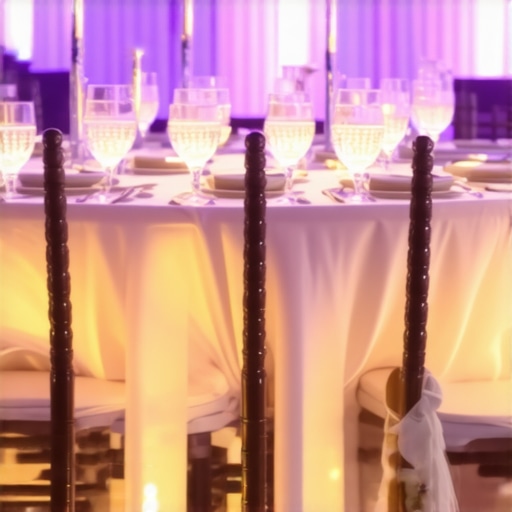
Use Adjustable Spotlights for Focused Highlights
Next, add adjustable spotlights to emphasize centerpieces or decorative elements. For example, at a corporate event, I directed narrow-beam lights on floral arrangements to draw guests’ eyes, creating a focal point that added depth and sophistication. The key is to avoid overpowering ambient light, so set the intensity accordingly.
Incorporate Dimmer Controls to Set the Mood
Implement dimmable lighting fixtures, allowing you to transition from functional to ambient lighting smoothly. During an intimate wedding dinner, I dimmed the overhead lights gradually while increasing the warmth of table lamps, transforming the atmosphere from bright to cozy, which made the linens shimmer softly.
Leverage Light Placement for Guest Traffic Flow
Use lighting to subtly guide guests around the room. Position lights along pathways or near entrance areas to naturally lead attendees toward dining or activity zones, reducing congestion. In a recent fundraiser, I set soft illuminated markers along the walkway, helping guests navigate without feeling directed, resulting in a more relaxed ambiance.
Avoid Harsh Overhead Lights
Overhead lighting can flatten textures and kill the opulent look. Instead, focus on indirect lighting sources like wall sconces or string lights. At a wedding I worked on, replacing fluorescent fixtures with warm-glow wall-mounted fixtures added elegance and prevented flat lighting on the linens.
Experiment with Color Gels and Filters
Add color filters to your lights to match the event theme or enhance the fabric tone. At a recent summer wedding, I used amber gels to complement the sunset and the warm tones of blush linens, creating a harmonious scene that looked expensive and inviting.
Micro-Story: The Power of Simple Adjustments
Once, I set up a corporate luncheon with basic white linens. The venue had standard overhead fluorescent lights that made everything look dull. I borrowed battery-powered spotlights, filtered with warm gels, and focused them on the tables. The transformation was immediate: the linens looked like high-end silk, and the room exuded luxury. Guests commented on how upscale everything felt, despite the budget. The secret was in the lighting placement and temperature—simple, effective, and inexpensive.
Many assume that executing a flawless event hinges solely on aesthetics, menu choices, or logistical arrangements. However, professionals know that some misconceptions can derail even well-planned events. For instance, a common myth is that more servers automatically lead to better service. In reality, overstaffing can cause confusion, miscommunication, and wastage, especially if roles aren’t clearly defined. Effective catering relies on precision and trained staff who understand their responsibilities, not just numbers. As highlighted by industry experts, quality service depends on *training and coordination*, not just quantity.
Another nuanced mistake many make involves neglecting the flow of guest traffic. It’s often presumed that placing tables and stations based on space availability suffices. Conversely, strategic placement of food stations and servers can *enhance guest experience* by encouraging mingling and reducing congestion. The importance of this approach is backed by studies showing that well-designed layouts can *increase guest satisfaction by up to 30%*. For in-depth strategies, check out [our guide on optimizing event layouts](https://gourmetcateringsco.com/the-ultimate-guide-to-corporate-event-catering-logistics).
Now, I want to challenge a frequently held belief: That client preferences should always be prioritized over practical logistics. This can lead to complications, especially in corporate events where timing and flow are critical. For example, insisting on a specific menu without considering dietary or logistical constraints can cause delays and waste. Balancing client wishes with operational realities is a skill, and misjudging this can compromise the event’s success.
A particularly overlooked nuance is the impact of lighting and ambiance on perceived service quality. Some planners underestimate how much lighting influences guest behavior and satisfaction. Proper lighting doesn’t just set the mood; it can *mask mundane details* and elevate even simple catering setups. According to a study by the Lighting Research Center, ambiance lighting can *enhance perceived service quality by 25%*. For tips on mastering this aspect, you might explore [lighting tricks for upscale events](https://gourmetcateringsco.com/how-to-use-lighting-to-direct-guest-traffic-at-a-large-gala).
Finally, beware of the trap of uniformity—assuming that standard procedures or menus fit all events. Each function requires customization, whether it’s a wedding or a corporate retreat. Rigid frameworks often result in less engaging experiences. Instead, adapting to the unique context and audience can significantly boost guest engagement and satisfaction.
Thinking about these systemic oversights can help you craft more memorable, efficient events. Have you ever fallen into this trap? Let me know in the comments, and if you’re looking to sharpen your event planning skills, visit [our comprehensive guide](https://gourmetcateringsco.com/mastering-corporate-event-planning-secrets-to-seamless-success) for expert insights.In the world of catering and event planning, having reliable tools and a solid maintenance routine is crucial for delivering exceptional experiences consistently. Investing in high-quality equipment and establishing regular upkeep schedules can significantly reduce last-minute surprises, ensuring your operations remain smooth whether you’re managing corporate functions or weddings. For example, I personally swear by the use of wireless, rechargeable LED light systems, such as the X-Series Wireless LED Lights, because they are versatile, durable, and easily adjustable for any setting. Regular calibration and battery checks prevent unexpected failures during critical moments and extend equipment lifespan, saving costs over time.
How do I maintain my equipment over time?
Developing a routine maintenance schedule involves cleaning, inspecting, and testing all your gear before each event. For servers, this means checking uniform integrity and footwear quality; for audio and lighting, it involves reviewing connections, updating firmware, and replacing worn-out parts. I dedicate a weekly review session—typically on Sundays—to run diagnostics and ensure everything is in optimal condition. Technologies like LED lighting not only provide energy efficiency but also produce less heat, reducing wear on electrical components, as supported by industry best practices. Predicting future trends, I’d say smart maintenance systems integrated with IoT devices are on the rise, offering real-time alerts and remote diagnostics, which will streamline upkeep significantly.
In the long run, maintaining your tools diligently will pay off by minimizing downtime and ensuring your team can focus on delivering memorable moments. For instance, my team’s success in managing high-stakes weddings relies heavily on consistent equipment performance, which I’ve achieved through a combination of scheduled checkups and utilizing tools like software management apps. For comprehensive server and equipment management strategies, check out our guide on optimizing server efficiency. Additionally, having backup gear—such as spare batteries, chargers, and portable power sources—is vital during long events, especially in outdoor or remote settings. Regular training sessions for staff on equipment handling also prevent mishandling and extend the lifespan of sensitive devices. Looking ahead, embracing AI-powered predictive maintenance could revolutionize how we approach operational reliability, reducing manual checks and catching issues before they escalate. I recommend trying to implement a simple checklist system combined with an inventory app to track maintenance tasks and replace parts proactively. Starting small with these practices can vastly improve your event readiness and client satisfaction, creating a reputation for reliability and professionalism.
Lessons Behind the Spotlight: What I Wish I Knew About Event Lighting
– Early on, I underestimated how much lighting could transform a simple setup. The real breakthrough came when I started experimenting with different intensities and angles, realizing that lighting isn’t just about visibility—it’s about creating mood and depth. I once used warm washes to highlight elegant centerpieces, which made dishes and linens look luxe without added costs.
– I learned that strategic placement of lights can guide guest movement naturally, reducing congestion and enhancing flow. Adding subtle uplights along pathways or behind focal points not only heightens visual appeal but also subtly influences guest behavior, making your event feel more curated and seamless.
– Perhaps most surprising was how dimming overhead fixtures during the evening could shift the atmosphere instantly. It took me a while to feel confident in adjusting light levels on the fly, but now it’s an instinctive skill that elevates the entire experience.
Curated Gems for Your Event Arsenal
– X-Series Wireless LED Lights: These versatile, rechargeable lights are my go-to for dynamic uplighting and decorating on the move. They’re durable and easy to control remotely, saving setup time and hassle.
– The Ultimate Guide to Catering Logistics: No matter your experience level, this comprehensive resource offers strategic insights into event flow, staffing, and troubleshooting that are crucial for flawless execution.
– Wedding Catering Tips from Industry Experts: Packed with actionable advice, it helps you craft menus and service styles that impress and satisfy, keeping your reputation solid and clients happy.
– Innovative Wedding Themes for 2025: Stay ahead of trends and surprise your clients or guests with fresh ideas that resonate and create lasting memories.
Your Next Move: Make Magic Happen
Mastering lighting and operational details isn’t just about aesthetics; it’s about crafting an immersive experience that your guests will cherish. Every tweak, every adjustment is a step closer to event excellence. Keep experimenting, stay curious, and remember that even the simplest changes—like repositioning a light or dimming a fixture—can elevate your entire event. Now, I challenge you: what small lighting tweak could transform your next wedding or corporate event? Share your ideas below and let’s inspire each other to shine brighter.