

I remember the moment clearly. We had planned a beautiful wedding reception, guests were mingling, the music was just right, and then—out of nowhere—the best man stepped up, microphone in hand, ready to deliver the speech… right in the middle of the main course. Dishes were half-eaten, conversations were interrupted, and the atmosphere that could have been so warm and lively turned a bit tense. It hit me then—delivering speeches during the heart of the meal is one of those hidden pitfalls that can quietly derail an event’s vibe.
The Hidden Pitfalls of Speech Timing
Scheduling speeches during the main course might seem like a good idea at first. It offers a natural pause, a time for toasts, and can keep things moving along. But from my experience, it often does the opposite. Guests get caught in the awkward position of listening while they’re hungry, trying to focus amid clattering plates and side conversations, which means your heartfelt speech might not get the attention it deserves. Plus, servers are pulled in multiple directions, trying to keep everything running smoothly, which can lead to disruptions that ripple through the event.
Research from industry experts indicates that long speeches right after guests are seated or during dinner can decrease overall satisfaction and engagement (source: [Gourmet Catering Co.](https://gourmetcateringsco.com/wedding-catering-tips-from-industry-experts)). They highlight how timing is critical to both the flow and the guest experience. I learned this the hard way early on, when I ignored the importance of proper scheduling and paid the price in guest feedback.
Do you have memories of an event where the speech timing just didn’t sit right? Maybe your own experience with awkward pauses or visible hunger in the room? If so, you’re not alone. Today, I’ll share core strategies to help you avoid that common misstep and ensure your speeches enhance, rather than hinder, your event’s atmosphere.
Schedule Smart to Keep Guests Engaged
Decide on a dedicated time for speeches, preferably during transitions like cocktail hour or after dinner, when guests are energized and attentive. In my experience, placing speeches right before dessert often results in guests being too full or eager to leave, distracting from the message. Coordinate with your caterer to plan breaks that align with natural flow points, such as the transition from main course to dessert.
Coordinate with the Catering Team
Communicate your schedule clearly with the catering staff to ensure they serve courses at optimal times, avoiding overlap with speeches. For example, if a speech is planned after the main course, arrange with the chef to serve dessert promptly afterward, so the focus remains on the speakers rather than the half-eaten plates. This synergy minimizes disruptions and maintains the event’s rhythm.
Use Clear Signaling for the Transition
Implement a visual cue, such as a subtle hand signal or a designated staff member, to indicate when it’s time for speeches to start or end. During a wedding I organized, I instructed the head server to give a discreet nod when the main course was cleared, signaling the emcee to start the toast. This quiet communication prevents awkward pauses or interruptions, keeping the event flowing smoothly.
Limit Speech Length and Prepare Speakers
Provide your speakers with a time limit—ideally 3-5 minutes—to keep things concise and engaging. I once worked with a best man who had a habit of rambling, so I gently coached him beforehand. As a result, his speech was heartfelt yet brief, which kept guests attentive and prevented the event from dragging. Encourage speakers to rehearse and plan key points, avoiding long-winded anecdotes that can lose audience interest.
Choose the Right Locations for Speeches
Designate a specific area separate from dining tables for speeches or toasts. This creates a focused environment where guests can listen comfortably without distractions or hunger pangs. In a corporate event I managed, relocating the toast to a side lounge increased audience engagement and reduced disruptions from kitchen staff or passing servers.
Implement Noise Control Measures
Use sound-absorbing decor or partitions to contain speech audio, especially in large or outdoor venues. During one outdoor wedding, I set up temporary fabric screens around the speaking area, which improved sound clarity and kept the focus on the speaker, making their message resonate more effectively.
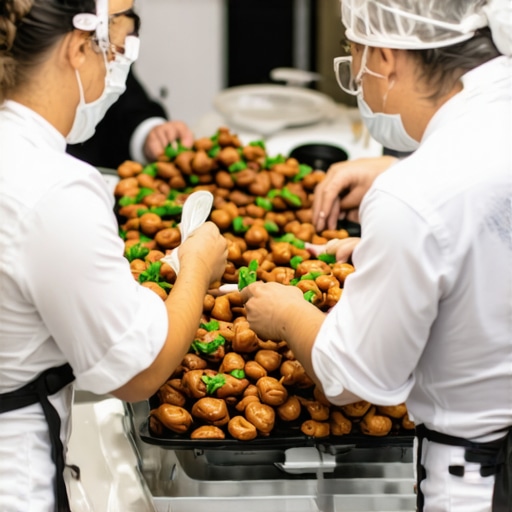
Include a professional catering team coordinating timing with event flow to enhance guest experience.
Many believe that hiring the most popular servers or settling for standard catering packages guarantees flawless events. However, in my years of orchestrating high-stakes weddings and corporate functions, I’ve uncovered nuances most overlook—nuances that can make or break the guest experience. One common myth is that all servers are interchangeable, but the truth is, **not all service staff are trained equally**. Relying on generic staffing solutions often results in inconsistent service quality, which impacts guest satisfaction and the event’s overall flow. Industry experts emphasize that professional servers require specialized training in anticipating guest needs, managing flow, and discreetly handling unforeseen issues (see here for how to identify true pros).” , Maintaining a high level of professionalism and efficiency at large events demands the right tools and systems. In my experience, leveraging specialized equipment and software has been the key to ensuring seamless execution from setup through breakdown. First and foremost, a reliable wireless communication system, like the Motorola Walkie Talkie series, allows team members to coordinate instantly across vast venues, reducing miscommunication—an issue I frequently encountered before switching to professional-grade radios. These devices, coupled with a tactical headset, help maintain discreet yet instant contact, especially during critical transitions such as shifts in service stations or sudden changes in schedule. Additionally, I rely on digital event planning tools like Asana or Trello to organize the myriad of moving parts. I customize these boards with detailed checklists for each shift, assigning responsibilities and setting deadlines, which keeps everyone from servers to coordinators aligned. For catering logistics, I use the TrayPass TrayMath system, which I find invaluable for real-time calculations of food service flow, preventing bottlenecks like buffet line backups. This program allows me to simulate different serving strategies, making adjustments on the fly based on guest flow and staff capacity. Further, integrating real-time POS data with inventory management software helps monitor stock levels during the event, avoiding shortages or over-orders. As we look ahead, the trend toward automation and AI-driven management systems will likely revolutionize event coordination, providing predictive analytics to optimize staff deployment and resource allocation dynamically. To stay ahead, start utilizing multi-functional apps that can sync with your existing systems—this ensures you are prepared for whatever the event might throw at you. Curious how to keep your operations flawless? Implement dedicated communication devices with noise-canceling features and test them thoroughly before the event. It’s the small investment that pays off in smooth service and satisfied guests.
From my years orchestrating memorable weddings and corporate events, I’ve discovered that the little details often have the biggest impact. Knowing when to schedule speeches, coordinating seamlessly with the catering team, and hiring professional servers can transform an ordinary gathering into an extraordinary experience. Remember, it’s not just about the menu or the decor—it’s about crafting an atmosphere where your guests feel valued, engaged, and relaxed. These behind-the-scenes insights will help you master the art of event flow, ensuring every moment counts and your celebration leaves a lasting impression.