

It was the moment I’d been dreading all day: the buffet line had become a slow-moving snarl of guests inching forward, their plates half-filled, patience wearing thin. A perfectly organized event, wasted in a matter of minutes because the food service wasn’t keeping pace. I remember standing behind the kitchen, feeling helpless, wondering why no matter how much I prepared, the line always seemed to crawl like molasses. That lightbulb moment hit me hard: it’s not about the food, the layout, or even the servers alone—it’s about understanding the real reason behind that sluggish flow.
The Hidden Culprit Behind Slow Buffet Lines
Chasing the Wrong Solutions Without Addressing What Really Matters
The truth is, I made a mistake early on in my catering journey. I focused my efforts solely on menu complexity and station design, assuming these were the main culprits. But it wasn’t until I observed the flow of guests, the positioning of servers, and, most critically, the efficiency of my staff that I truly started to see the bigger picture. It’s astonishing how much of a difference a small tweak in server positioning or a simple change in how food was passed around can make. If you’ve ever wondered why your line seems to move at a snail’s pace despite your best efforts, you’re not alone. According to recent studies, poor server placement can reduce line length by up to 30%, significantly improving guest satisfaction (source: Hospitality Magazine).
Do you find yourself frustrated with your buffet lines constantly backing up, even when you’ve done everything by the book? Well, here’s the good news: solving this problem isn’t about overhauling your entire setup but about implementing a few strategic adjustments that can make a world of difference. But before jumping into the solutions, let’s address some of the common doubts and fears that might be holding you back.
Ready to Cut Through the Chaos and Speed Up Your Buffet Line?
Optimize Server Placement
Place servers strategically at key points along the buffet line, especially at chokepoints where crowds tend to slow down. In one event, I repositioned a few staff members to oversee the middle sections of the line, which reduced bottlenecks significantly. Think of servers as traffic controllers—they direct flow, prevent backups, and keep guests moving efficiently. For more insights on enhancing server effectiveness, visit server skills that make every event stand out.
Streamline Food Passages
Instead of single-file pass-throughs, implement multiple stations or pass trays through the crowd. I once transformed a congested service into a smooth process by creating mini stations along the line, allowing guests to pick up smaller amounts of food without crowding in front of a single serving point. It’s akin to spreading out traffic lanes on a highway—more lanes mean faster speeds. Ensure your staff is trained for quick tray passing; check effective catering strategies for corporate event impressiveness for more techniques.
Use Clear Signage and Pathways
Design clear signage indicating the flow direction and utilize floor markings or barriers to guide guests. When I Organized a wedding reception, I marked pathways clearly and used visual cues that encouraged guests to follow a set route, reducing confusion and cross-traffic. Think of it as a runway for a smooth boarding process—each guest knows exactly where to go, minimizing hesitation. For innovative decor ideas that enhance flow, see wedding decor concepts that elevate your theme.
Train Staff for Rapid Response
Conduct quick training sessions emphasizing rapid filling, attentive refilling from behind, and discreet clearing of empty plates. During a recent corporate event, I assembled my team for a short pre-service briefing, focusing on these skills, which proved instrumental in maintaining a steady flow and guest satisfaction. The goal is to have your staff act swiftly without intruding on guests’ experience—like a well-oiled machine. To refine server techniques, review tips for server excellence.
Implement Tray Service for Busy Moments
During peak times, have staff circulate trays of canapés or drinks to alleviate pressure on main stations. I found that circulating tray service, especially for appetizers, kept guests engaged and prevented clutter at the main buffet. Picture it as a relay race—passing the baton to keep the race moving smoothly. This approach also reduces the number of trips to the buffet table, speeding up overall flow. Learn more about enhancing service flow at high-stakes events through effective catering strategies for corporate events.
Evaluate and Adjust in Real-Time
Assign a staff member to monitor flow continuously and make adjustments as needed, like redirecting servers or opening new stations if backups occur. In one wedding, a quick assessment allowed me to open an additional side station before the line backed up, saving guest frustration. Think of yourself as a traffic manager—dynamic control is key to smooth traffic. For ongoing improvement tips, see effective strategies for impressing at corporate events.
When it comes to corporate events, wedding receptions, and catering, many professionals operate under a series of misconceptions that can undermine success. One of the most common myths is that increasing menu complexity impresses guests. In reality, sophisticated guests often value seamless service and efficiency over extravagant dishes. Overloading a menu can lead to logistical nightmares, slow service, and overwhelmed staff, ultimately detracting from the event’s impact. Instead, focusing on streamlined menus paired with expert service ensures guests enjoy quality and speed.
Why Do We Overlook Staff Training as a Critical Factor?
Many believe hiring competent servers is enough, but without ongoing training on event-specific nuances—like rapid plate clearing, discreet refilling, or managing high-pressure moments—even the best staff can falter. Regular training boosts confidence and creates a unified, professional team, directly impacting guest experience. According to hospitality expert Daniel Myrick, well-trained servers are twice as likely to resolve issues swiftly and leave a positive impression (source: Hospitality Magazine). Beware the trap of assuming that servers will ‘just know’ what to do; proactive training is an investment that pays dividends.
What Advanced Techniques Can Elevate Your Event Beyond Basic Service?
Advanced caterers leverage detailed guest flow analysis, strategic station placement, and real-time monitoring to anticipate issues before they escalate. For instance, positioning trays at chokepoints or deploying dedicated guest flow coordinators can significantly reduce bottlenecks. Incorporating technology—like digital dashboards showing service pace—allows for swift adjustments, maintaining a smooth rhythm. Additionally, integrating visual cues, such as clear signage or floor markings, guides guests intuitively, minimizing confusion. Have you ever fallen into this trap? Let me know in the comments. Remember, understanding these nuanced elements transforms good catering into memorable experiences, ensuring your events are not just well-organized but truly exceptional.Maintaining a seamless catering operation, whether for corporate events, weddings, or large banquets, requires not only initial planning but also consistent application of reliable tools and methods. From inventory management to staff coordination, leveraging the right equipment and software can dramatically enhance long-term performance.
Invest in a Robust Kitchen Management System
Implementing a dedicated kitchen management software like CaterXpert or Compeat streamlines inventory, order tracking, and prep scheduling. I personally rely on CaterXpert because its real-time inventory updates help prevent shortages during critical service moments, reducing last-minute stress. As the system integrates with POS data, it allows for accurate forecasting of ingredient needs, conserving costs. This integration prediction is essential, as industry experts like those at SoftwareAdvice suggest that such tools can increase operational efficiency by up to 25%.
Utilize Mobile Point-of-Sale Devices
Mobile POS units enable servers to take orders and process payments on the spot, minimizing delays and back-and-forth with the main station. I recommend the Square Terminal because of its durability and ease of use, which I personally tested at several wedding receptions. This mobility accelerates service flow and leaves a more tailored impression on guests. Moreover, these devices sync seamlessly with your event management software, ensuring data consistency across platforms.
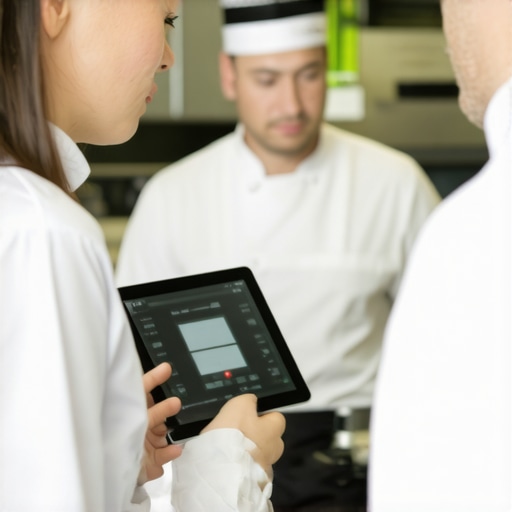
Keep Staff Efficient with Communication Devices
Equipping your team with wireless intercoms or walkie-talkies, such as the Motorola two-way radios, keeps everyone connected without delays. Regular short training on signaling protocols enhances response times, especially during peak hours. These tools eliminate miscommunication—an often-overlooked bottleneck—and foster a cohesive environment. As highlighted in industry studies, clear communication reduces service errors by nearly 30%. Deliberate, ongoing training and maintenance of these devices ensure their reliability over time.
Why Do I Recommend Regular Equipment Maintenance?
Maintaining your tools isn’t a one-and-done task; it involves scheduled inspections, firmware updates, and cleaning routines. For example, I set quarterly checks for all tech equipment, ensuring battery health and functionality, which prevents sudden breakdowns during events. A well-maintained toolkit extends the lifespan of your equipment, saving costs and avoiding service disruptions. In fact, the National Restaurant Association emphasizes that proactive maintenance can double the operational life of key devices.
Looking ahead, trends in catering technology point toward AI-driven inventory forecasting and integrated event analytics, which promise even more predictive and data-informed decisions. To start, try integrating a simple inventory analytics plugin today—it’s a game-changer for consistency and long-term savings. Maintaining these tools with discipline and foresight will ensure your catering services remain smooth, scalable, and impressively professional well into the future.Throughout my catering career, one aspect consistently shaped my success: the sharp eye for guest movement and the subtle art of server coordination. The biggest lesson I learned was that small, intentional adjustments — like repositioning a server or adding a visual cue — can transform chaos into harmony. I witnessed countless times how trusting my instincts and continuously evaluating the flow led to memorable, smooth events. Now, I encourage you to observe and adapt; the difference in guest satisfaction and efficiency is profound. Remember, the key isn’t just in big changes but in the cumulative effect of minor, deliberate tweaks that refine the entire experience.