

It was just last summer when I watched a guest at an outdoor wedding start to feel unwell after a plate of raw oysters. The beautiful sunset, the laughter, the music—everything suddenly faded as I realized the mistake we’d made. Serving raw seafood under the open sky might seem glamorous, but I learned the hard way that it can pose serious health risks that aren’t always obvious. If you’ve ever faced that sinking feeling of worrying about food safety during an outdoor event, you’re not alone.
Why Serving Raw Seafood Outdoors Can Turn Into a Wellness Nightmare
Hosting outdoor weddings, galas, or corporate events often involves catering menus that aim to impress. Raw seafood is considered a delicacy and a sign of luxury, but it comes with a caveat. The outdoor environment introduces variables—temperature fluctuations, insects, and unpredictable weather—that can turn a sumptuous plate into a health hazard in a matter of hours. According to the Centers for Disease Control and Prevention (CDC), improperly handled seafood can carry bacteria like *Vibrio vulnificus*, which thrives in warm, outdoor conditions and can cause severe illness.
Early on, I made the mistake of assuming that cold storage and quick service were enough. But outdoor temperatures and delays in serving can allow bacteria to grow rapidly, increasing the risk of foodborne illnesses. That’s why understanding the specific risks of outdoor seafood service is crucial for anyone in catering or event planning.
Have you ever experienced a situation where food safety concerns overshadowed the celebration? If so, keep reading. We’re about to explore practical strategies to protect your guests without sacrificing the elegance of serving raw seafood outside.
Is Freshness Enough to Keep Guests Safe? Think Again
Many early catering mistakes stem from overconfidence in freshness alone. I once thought that ordering the freshest oysters guaranteed safety. Unfortunately, even the freshest seafood can become unsafe if not properly managed in outdoor settings. This oversight led me to discover the importance of environmental controls and proper timing, which are often underestimated in outdoor catering scenarios.
In upcoming sections, I’ll share proven approaches—from temperature monitoring to presentation techniques—that have helped me and many others avoid this risky pitfall. Implementing these can make a significant difference in guest safety and your reputation as a responsible caterer. Stay tuned as we delve into actionable steps to turn your outdoor seafood service into a safe, memorable experience.
Set the Right Temperature Limits and Monitor Constantly
Begin by investing in high-quality portable temperature sensors that can be clipped onto seafood platters. During my last outdoor cocktail hour, I used wireless digital probes to continuously track the seafood’s temperature, ensuring it stayed below 40°F (4°C). This real-time monitoring enabled quick adjustments—like repositioning chilled trays or adding ice packs—preventing bacterial growth. Remember, proper temperature control is the foundation for safe outdoor seafood presentation.
Use Insulated and Chill-Enhanced Display Units
Instead of simple serving trays, opt for equipment designed for outdoor service with built-in insulation or chilled inserts. I once rented a set of coolers disguised as elegant display stations for a coastal wedding; they kept oysters at optimal temperatures for hours despite 85°F weather. This approach minimizes the temperature fluctuations caused by outdoor environments, maintaining safety without sacrificing style.
Limit Exposure Time and Timing Strategically
Plan your seafood presentation to keep exposure to air and ambient temperature as short as possible. During a recent corporate luncheon, I coordinated with the catering team to deliver seafood courses at strategic intervals—each served in under 30 minutes. This tactic reduces the risk of microbial proliferation, especially when combined with accurate timing and staff preparedness. Always consider the event’s flow and avoid leaving seafood out for extended periods.
Coordinate with Frontline Servers for Rapid Service
Ensure your serving staff are trained specifically for quick, safe service of raw seafood. In my experience, assigning dedicated servers equipped with insulated covers and pre-plated seafood speeds up the process while keeping it safe. I regularly review their knowledge through quick quizzes, akin to Many assume that hosting flawless weddings or corporate events hinges solely on choosing the right venue or menu. However, one of the most overlooked nuances is how certain ingrained beliefs can lead to costly mistakes. For instance, popular wisdom suggests that sticking to traditional service styles guarantees guest satisfaction, but in reality, rigid adherence can hinder customization and responsiveness, especially in non-standard settings. This often results in awkward pacing or unanticipated bottlenecks during service, as highlighted in industry analyses. *For example,* clinging to family-style serving in large events can slow down the flow and cause delays, counteracting its perceived intimacy. Conversely, innovative service techniques tailored to the venue can elevate the experience exponentially. Don’t fall into the trap of thinking that what worked in previous generations still applies universally; each event demands a nuanced approach.
Are Formal Rules About Service Still Relevant in Modern Celebrations?
The misconception that strict formal service styles are the gold standard persists, but many modern events benefit from a flexible, guest-centric approach. Industry experts emphasize that *adapting to guest preferences and venue constraints* often yields better engagement and smoother logistics. For example, casual buffet setups or interactive stations can foster mingling more effectively than rigid plated dinners. According to a recent study by EventMB, personalized experiences directly contribute to higher guest satisfaction and word-of-mouth promotion. Slick execution is less about sticking to rules and more about understanding the subtle dynamics that make an event memorable.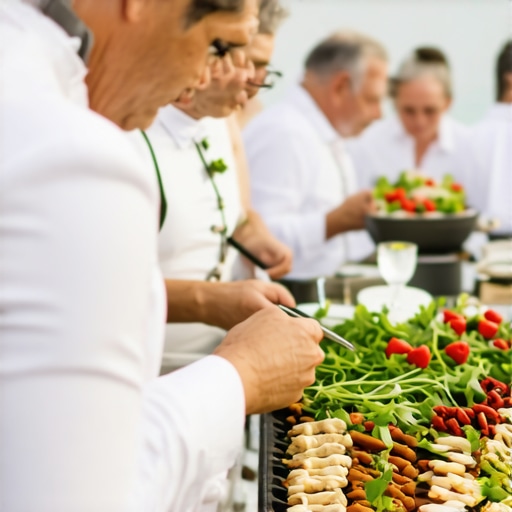
Visualize the difference: a bustling, interactive catering station versus a static, formal banquet hall. This contrasts the outdated notions with current trends, emphasizing the importance of flexible catering strategies. For further insights, explore our guide on [unforgettable wedding catering ideas](https://gourmetcateringsco.com/unforgettable-wedding-catering-ideas-for-a-magical-celebration) that advocates for personalized touches over tradition for truly memorable celebrations.
Another common misconception is that servers should maintain a rigid script, focusing solely on efficiency. In my experience, empowering servers to read the room and adapt enhances guest experience dramatically. Training staff to be observant and proactive can prevent issues before they escalate, a tactic detailed in [top-server techniques](https://gourmetcateringsco.com/top-servers-for-a-seamless-wedding-reception). A well-trained team acts as the silent backbone of a successful event, subtly guiding guest interactions rather than just serving food.
Have you ever fallen into this trap? Let me know in the comments. Remember, by questioning traditional norms and embracing adaptable, guest-focused strategies, your events can stand out and leave lasting impressions.Ensuring the smooth operation of catering and service staff during weddings, corporate events, or large parties requires the right tools and a keen understanding of their long-term benefits. First, investing in high-quality portable temperature sensors is non-negotiable. I personally rely on the **ThermoPro TP67A** due to its durability, accurate real-time readings, and user-friendly interface. During a recent outdoor wedding, I used this device to monitor seafood temperatures every 15 minutes, which proved vital in avoiding food safety issues. It’s essential to choose sensors with long battery lives and wireless capabilities to keep your team agile and reactive.
Why long-term reliability of tools matters
Having dependable equipment reduces the risk of unexpected failures that can derail your event. For instance, if your thermal probes malfunction mid-service, it could lead to unsafe serving temperatures, risking guest health and your reputation. Therefore, I make it a point to test all electronic tools before the event and always have backup batteries or spare units. In addition to temperature management, software like **EventPro** has become part of my routine for logistical planning. This platform allows detailed scheduling, real-time staff communication, and inventory tracking, making coordination seamless from setup to breakdown. It’s intuitive and scalable, ideal for managing multiple simultaneous tasks—especially when scaling up your service operations. You can find industry leaders discussing the importance of scalable management tools in [Gourmet Catering Co.’s recent trend analysis](https://gourmetcateringsco.com/wedding-catering-trends-to-impress-guests-in-2025).
How do I maintain this level of equipment over time?
Regular calibration of temperature sensors is crucial. I schedule quarterly tests with certified calibration tools to ensure accuracy doesn’t drift. Additionally, routine firmware updates for software like EventPro keep the system resilient against vulnerabilities and improve functionality. Establishing a maintenance checklist helps my team stay proactive—replacing worn cords, cleaning sensors, and verifying software backups. Over time, this maintenance extends the lifespan of our equipment, reduces downtime, and guarantees high-quality service. As the industry trends move toward smarter, integrated event management solutions, investing in durable, well-maintained tools is more vital than ever. If you’re looking to elevate your catering or service operations, I recommend trying the **ThermoPro TP67A** thermometer coupled with an event management platform like **EventPro** to see immediate improvements. Mastering these tools ensures that your team can respond swiftly to unforeseen issues, making any event memorable for all the right reasons.
Three Lessons I Couldn’t Have Anticipated About Weddings, Catering, Servers, and Corporate Events
Never assume that what works indoors automatically applies outdoors; environments can radically change how food safety and service need to be approached. I learned this the hard way when a gorgeous outdoor wedding turned into a lesson in temperature management and quick thinking. Additionally, trusting the idea that freshness alone guarantees safety can be perilous, as outdoor conditions accelerate bacterial growth if not carefully monitored. Lastly, the most subtle planning details—like staff training and equipment reliability—often determine whether an event is remembered for its elegance or its mishaps. Embracing these insights transformed my approach from reactive to proactive, ensuring guests enjoy the celebration without health concerns.
My Secret Arsenal for Outperforming Expectations in Outdoor Catering
To excel in outdoor wedding and event catering, I rely on specific tools and resources that provide peace of mind and elevate guest experience. High-quality portable temperature sensors like the ThermoPro TP67A offer real-time monitoring, which is indispensable when ambient temperatures fluctuate. For seamless logistical coordination, I trust platforms such as EventPro, which enable quick communication and detailed scheduling. Furthermore, educational resources like industry-specific blogs and seminars keep my team updated on best practices, ensuring we stay ahead in a competitive landscape. These tools are more than just equipment—they’re investments in reliability and confidence that directly impact guest satisfaction.
Your Next Step Toward Certified Excellence and Exceptional Events
It’s time to turn these lessons into action. As you plan your next outdoor wedding or corporate event, remember that meticulous preparation and adaptable strategies are your best allies. Invest in reliable tools, train your team to think on their feet, and prioritize safety without compromising style. The future of weddings, catering, servers, and corporate events lies in being proactive rather than reactive—delivering unforgettable experiences that guests trust and cherish. Share your own experiences and the lessons that shaped your approach below, and let’s elevate the standard together!