

I still remember the sharp clink of silver hitting porcelain during my cousin’s reception. It wasn’t a toast. It was my Great-Aunt Martha dropping her fork because she’d just realized she was sat next to the nephew who hadn’t spoken to her since 1994. The air in that room turned colder than the gazpacho. I watched, frozen, as a perfectly good evening descended into a series of icy glares and whispered resentments. This wasn’t just a small faux pas; it was a planning failure. I’ve spent years in the event world, and let me tell you, I’ve seen more family feuds ignited by a bad seating chart than by the actual wedding speeches. Today, I’m going to show you the ‘buffer zone’ trick that keeps the peace and ensures your luxury wedding catering ideas for a fairytale atmosphere aren’t wasted on guests too angry to eat.
Stop Treating Your Reception Like a High School Cafeteria
Early in my career, I made a massive mistake. I thought ‘organized chaos’ was a charming vibe. I told a client to let guests sit wherever they wanted for a 150-person gala. I figured people were adults and could handle themselves. I was wrong. It was a logistical nightmare that even the best corporate event servers for 2025 couldn’t have saved. We ended up with three empty chairs at one table and five people trying to squeeze onto a bench at another. The flow was ruined, and the tension was palpable. Proper seating isn’t about control; it’s about comfort. When you take the time to arrange seating to encourage interaction between strangers, you’re actually giving your guests the gift of a stress-free night. Scientific insights into social dynamics suggest that physical proximity in social settings can actually trigger ‘social stress’ responses if the environment feels unpredictable or forced. By creating a deliberate plan, you’re lowering the collective blood pressure of the room.
Will my guests feel like I’m micromanaging their fun?
It’s the number one fear I hear from brides and planners alike. You don’t want to be the ‘fun police.’ But here’s the reality: guests actually crave direction. Without it, they spend the first thirty minutes of the reception wandering around like lost sheep, clutching their wine glasses and looking for a safe place to land. A well-executed chart, perhaps supported by professional servers who know how to guide a crowd, removes that ‘first day at a new school’ anxiety. It allows them to relax into the experience you’ve worked so hard to build. Have you ever been stuck at a ‘Table of Misfits’ where the conversation felt like pulling teeth? I want to hear about it—drop your worst seating experiences in the comments so we can all learn what not to do.
Deploy the Social Circuit Breaker Method
The buffer zone isn’t just about empty space; it’s about strategic placement. Think of it as a social circuit breaker. If two high-voltage personalities are placed too close together, they’ll eventually pop the fuse of the entire evening. I once planned a 200-person black-tie event where the bride’s divorced parents hadn’t been in the same room for a decade. Instead of putting them at opposite ends of the room—which creates two rival ‘camps’ and forces guests to choose sides—I used a ‘neutral zone’ comprised of mutual friends and a massive, low-profile floral installation. It acted as a physical and visual barrier, allowing them to feel part of the same party without having to lock eyes over the shrimp cocktail. To make this work, you need proactive planning. You aren’t just placing people; you are curating an environment. This is where wedding catering tips from industry experts become invaluable, as the way food is served can dictate how long people stay in those ‘danger zones.’ If the meal is served too slowly, the tension at a poorly seated table will boil over.
Why Round Tables Might Be Killing the Conversation
We’ve been conditioned to think round tables are the gold standard for weddings, but they often create a ‘closed loop’ where guests only talk to the people immediately to their left and right. If you want to break the ice and ensure a more fluid social environment, consider a long King’s table. I switched a client to this layout last summer, and the energy shift was instant. Guests could converse across the table and with multiple people on either side, turning a stiff dinner into a lively feast. However, you have to know how to style a long kings table without blocking sightlines. If the centerpieces are too tall, you’ve basically built a wall between your guests, defeating the entire purpose of the layout. 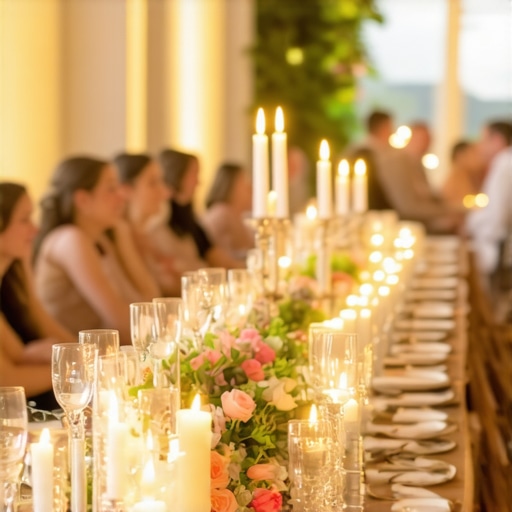
Train Your Servers to Be Social Navigators
Your seating chart is a map, but your servers are the guides. A high-level service team does more than drop plates; they read the room. At that same high-stakes wedding, I briefed the lead server on the ‘no-fly zones.’ They knew exactly which tables needed a little extra attention to keep things light and when to speed up the wine service to smooth over a lull. Knowing how to staff a 200 person reception with only 12 professionals means each staff member is a tactical asset. They can spot a guest who looks ‘trapped’ in a conversation and offer a timely refill or a distraction, effectively acting as a pressure release valve for your seating plan. This level of coordination is a hallmark of top servers for a seamless wedding reception, ensuring the ‘buffer zone’ remains intact all night. A professional server is essentially a behavioral psychologist in a vest; they are the front line of defense against social awkwardness.
Use the Three-Point Contact Rule
When assigning seats, ensure every guest has ‘three points of contact’—at least three people they already know and like at their table. This creates a safety net. Even if they are sat next to a complete stranger as part of your plan to arrange seating to encourage interaction between strangers, they have a home base to return to. I’ve seen planners try to ‘force’ new friendships by isolation, and it always backfires. People get defensive and quiet. By providing those three familiar faces, you give them the confidence to engage with the fourth or fifth person they don’t know, turning potential awkwardness into a genuine connection. This keeps the flow moving and prevents the ‘Table of Misfits’ vibe that so many guests dread.
Don’t Fall for the Venue’s Preferred List Without a Fight
I’m going to say something that might get me blacklisted by a few ballroom managers: your venue’s ‘preferred vendor’ list is rarely about excellence. In my experience, those lists are often built on kickbacks and long-standing personal favors rather than current performance. Many planners think they are playing it safe by sticking to the list, but you might be walking straight into the hidden cost of only using preferred vendors at popular venues. These vendors can become complacent because their leads are guaranteed. I’ve seen ‘preferred’ caterers roll out the same tired menu for five years straight because they didn’t feel the need to innovate. To get that truly unforgettable wedding catering for a magical celebration, you often have to look beyond the pre-approved binder and vet your own team for energy and adaptability.
Why Throwing More Staff at a Problem Usually Fails
There is a persistent myth in the corporate world that a higher headcount equals better service. I’ve watched events with a 1:10 ratio descend into chaos because the staff hadn’t been trained as a unit. It’s not about the number of bodies; it’s about optimizing server efficiency to enhance event satisfaction. A small, elite team that moves with synchronized precision is infinitely more valuable than twenty amateurs tripping over each other in the kitchen. According to the Cornell Center for Hospitality Research, guests’ perception of ‘luxury’ is tied more to the seamlessness of transitions than the frequency of interactions. Have you ever felt ‘hovered over’ by a server who was trying too hard? That’s what happens when you overstaff without a strategy. It breaks the flow and makes the room feel crowded rather than catered to. 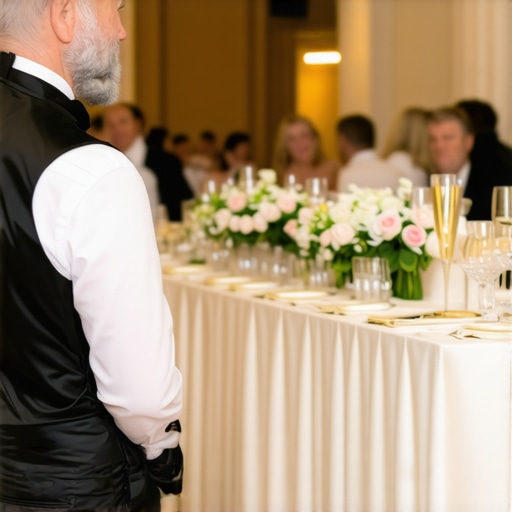
Beware the Aggressive Clearing Trap
One of the biggest ‘oops’ factors I see—even at high-end galas—is the over-eager server. You’re mid-sentence, making a point about a merger or a toast, and suddenly your plate vanishes because you put your fork down for three seconds. This is the hallmark of a team that hasn’t mastered how to keep your event servers from clearing plates too early. It creates a subtle sense of rush that kills the ‘fairytale’ vibe of a wedding or the strategic focus of a meeting. You want a team that understands the ‘silent service’ language—knowing the difference between a guest who is finished and a guest who is just getting started. This nuance is one of the key server skills that make every event stand out.
Can You Actually Spot a Mediocre Lead Server in Ten Minutes?
The answer is a resounding yes. When I walk into a room, I don’t look at the linens; I look at the lead server’s eyes. If they are looking at the floor or their clipboard instead of scanning the guests’ body language, you’re in trouble. You can usually identify 3 signs your event server is a pro within seconds of meeting: their posture, their situational awareness, and whether they are anticipating the guest’s next move before it happens. If the lead is checked out, the rest of the staff will be too. Knowing how to spot a bad lead server in the first 10 minutes of an event can save you from a night of lukewarm coffee and missed cues. Have you ever fallen into the trap of hiring someone who looked great on paper but failed in the room? Let me know in the comments below so we can keep our standards high together.
Stop Guessing and Start Mapping Your Floor Plan
I don’t just rely on a mental checklist or a hand-drawn sketch anymore. When you are scaling to a 200-person wedding or a high-stakes corporate gala, you need the precision of a 3D visualization tool like AllSeated or Social Tables. I use these specifically because they allow me to toggle between different layouts—like switching from round tables to that long King’s table I mentioned earlier—to see exactly where the bottlenecks will occur before the first guest even arrives. It helps me ensure we aren’t just guessing how to style a long kings table without blocking sightlines. If I can see that a server’s path is obstructed by a floral pillar in a digital twin of the room, I can fix it in seconds rather than panicking five minutes before the doors open. This is the bedrock of the ultimate guide to corporate event catering logistics, turning chaotic environments into controlled, elegant experiences.
How do I maintain this level of precision for every event?
Consistency isn’t born from memory; it’s born from a rigorous ‘post-game’ audit. I’ve adopted a practice that sounds slightly unglamorous but is absolutely transformative: the trash audit. At the end of every major event, I take ten minutes to audit your venues trash cans after a gala. If I see 40% of the salmon untouched, I know my menu design failed the audience, no matter how good it tasted. According to the Events Industry Council’s Manual (9th Edition), the ‘critical path’ of event logistics requires constant iterative feedback loops to prevent systemic failures. By documenting these small data points, I can refine the boardroom menu that actually prevents the afternoon slump for the next client. It’s about building a database of successes and failures so that every event is 1% better than the last.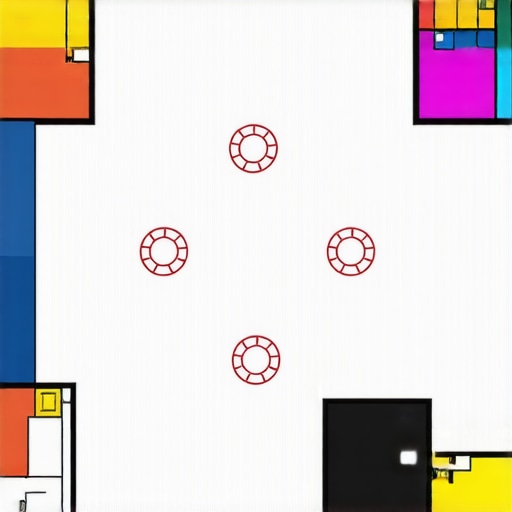
The Next Era of High-End Event Logistics
We are moving toward a future where ‘social friction’ is managed by data. I predict that within the next three years, we will see real-time occupancy sensors integrated into high-end venues. These sensors will alert the lead server if a ‘buffer zone’ is becoming too crowded or if a specific table has been sitting with empty wine glasses for more than two minutes. This isn’t science fiction; it’s the logical evolution of optimizing server efficiency to enhance event satisfaction. We will stop reacting to problems and start anticipating them based on guest movement patterns. Even if you aren’t using sensors yet, you can scale your efficiency today by ensuring your corporate gala needs a detailed load-in schedule that accounts for every single crate and server movement. Success is a game of inches. I want you to try one thing at your next event: perform a ‘trash audit’ on just one course. Look at the plates coming back to the kitchen and ask yourself why the guests left what they did. It is the most honest feedback you will ever receive, and it’s the first step toward true event mastery.
The Hardest Truth I Discovered About Social Friction
After years in the trenches, I realized that a seating chart isn’t just a puzzle; it’s a social contract. You are promising your guests that their comfort matters more than your convenience. One major lightbulb moment happened when I had to figure out how to manage a wedding party that is 30 minutes behind schedule. I saw that the seating arrangement was the only thing keeping the energy from collapsing during the delay. If the groupings are right, the conversation sustains itself; if they are wrong, every minute of a delay feels like an hour. I also learned to never underestimate the hidden cost of diy centerpieces at scale because they often block the very sightlines you need to keep guests engaged and connected across the table.
My Essential Toolkit for Tactical Event Planning
I never walk into a venue without a few key resources that act as my north star for logistics. First, I always keep an essential checklist for successful corporate event catering on my tablet to ensure no server movement or table transition is left to chance. For networking-heavy events, I rely on the logic of why high-top tables are the secret to better networking flows to keep the room dynamic and fluid. I also highly recommend using digital mapping tools like Social Tables; being able to visualize the buffer zones in 3D before the linens are even laid out is a game-changer for avoiding bottlenecks near the bar or kitchen doors. #IMAGE_PLACEHOLDER_E#
Trust Your Instincts to Lead the Way
Planning a high-stakes event can feel like steering a ship through a storm, but remember that you are the architect of joy for every person in that room. When you prioritize the human experience over rigid tradition, you create the foundation for unforgettable wedding catering for a magical celebration. Don’t be afraid to break the rules if it means your guests will feel more seen, comfortable, and appreciated. Your attention to these invisible details is what transforms a standard dinner into a lifelong memory. What is the one guest-list nightmare you are currently trying to solve? Let’s brainstorm some solutions in the comments below.