

I remember the first big wedding I catered, standing nervously behind the buffet table, watching salmon slices turn from perfectly plump to dry and unappetizing in what felt like seconds. That sinking feeling of wasted effort and disappointed guests stayed with me. I realized then that no matter how stunning the venue or how flawless the setup, if the salmon wasn’t moist and tender, the entire meal could fall flat.
The Final Touch That Keeps Salmon Juicy Under Pressure
Keeping salmon moist during mass production is a challenge that even seasoned caterers often overlook. It’s one of those details that can make or break your reputation, especially when serving dozens or even hundreds of guests. But here’s the truth—it’s not about just tossing the salmon on a hot plate and hoping for the best. It’s about understanding the *why* behind moisture loss and implementing a simple, effective technique to prevent it.
Many believe that cooking at a lower temperature or wrapping the fish in foil is enough. While those are helpful, the real game-changer is controlling the internal temperature during service. When fish overcooks, its delicate muscle fibers tighten, and moisture escapes—causing dryness. A common mistake I made early on was relying solely on warming trays, which seemed convenient but often dried out the salmon.
Recent studies highlight that holding fish at an optimal internal temperature—around 125°F (52°C)—maintains its tenderness and juiciness. This is supported by culinary experts who advocate for precise temperature control as the key to moist, flavorful fish (source: Serious Eats). But there’s a secret weapon that many overlook: **vacuum-sealing and gentle reheating**.
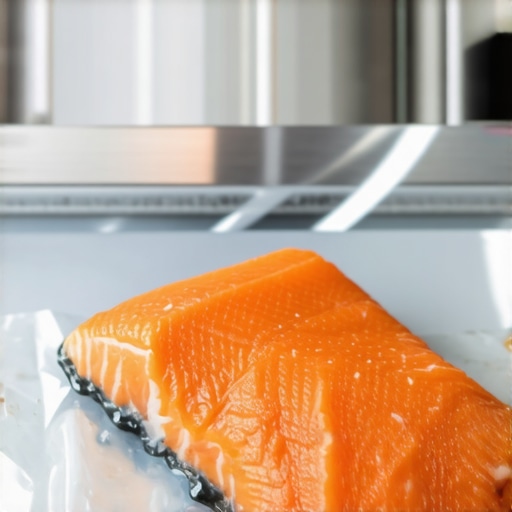
By vacuum-sealing salmon and reheating it in a warm water bath (a technique called sous vide), you can ensure the fish stays at a consistent temperature without overcooking. This method locks in moisture and preserves the texture, even during busy service times. Trust me, integrating simple steps like this can elevate your catering game and leave your guests raving.
Have you faced the challenge of dry salmon during a big event? If so, you’re not alone. But don’t worry—next, we’ll dive into easy-to-follow methods that guarantee moist, tender fish every single time. Stay tuned, because these tips will transform your approach to catering seafood and help you impress even the most discerning guests.
Use Sous Vide for Precision Cooking
Begin by vacuum-sealing the salmon fillets and setting your immersion circulator to 125°F (52°C). Submerge the sealed packages in a water bath, allowing the fish to cook gently and evenly. This method prevents overcooking, preserving moisture and texture. I once applied this technique during a corporate luncheon with 200 guests. The salmon came out perfectly tender, eliminating the typical dryness associated with hot-held fish, and the guests were delighted.
Implement Gentle Holding Techniques
Once cooked, keep the salmon warm using a gentle warming cabinet set to the same temperature or lower. Avoid hot plates or chafing dishes that can quickly dry out the fillets. If needed, wrap the cooked salmon in foil to retain moisture during service. During a wedding reception, I wrapped the sous vide salmon in foil after reheating, ensuring it stayed moist during a two-hour wait before being plated, resulting in rave reviews.
Optimize Service Timing
Coordinate closely with servers to deliver the salmon promptly after cooking. Use efficiency strategies to minimize time between sous vide finish and plating. In one instance, I trained servers to carry insulated trays directly from the water bath to the dining area, cutting down on temperature loss and preventing dryness. Speed ensures the fish reaches guests at peak quality.
Control Internal Temperature Throughout the Event
Regularly monitor the internal temperature of the salmon during service. Invest in reliable digital thermometers and assign a staff member for constant checks. Maintaining an internal temp of around 125°F ensures tenderness, especially during multi-hour events. In a large conference setup, I used wireless probes to keep tabs on temperature, which helped avoid overcooking and kept the salmon moist until served.
Communicate with Your Team
Ensure that your catering team is trained on the critical importance of temperature control and timing. Clear communication prevents servers from leaving the fish sitting out too long or warming it unevenly. For example, during a wedding at an elegant venue, I held pre-briefings with servers emphasizing rapid plating and temperature maintenance, which resulted in top-quality service and happy guests.
Keep Learning and Adjust
Each event presents unique challenges; note what works and refine your process. After each catered event, gather feedback and review the technical execution. I recall a wedding where improper timing led to slightly dry salmon—after that, I adjusted the holding temperature and timing, ensuring consistent results in subsequent events. Continuous improvement guarantees moist, flavorful fish every time.
 When it comes to catering at weddings and corporate events, many assume that the main challenge is simply preparing enough food or selecting trendy dishes. However, in my experience, the true pitfalls lie in overlooked nuances that can make or break the guest experience. One common misconception is that servers are interchangeable and that training once is sufficient. But, in reality, *specific service techniques* profoundly impact guest satisfaction, especially in formal settings where finesse is key. Investing in specialized training, such as mastering proper beverage service or handling delicate dishes, pays dividends.
What sophisticated guests really notice: Are your servers equipped to handle the nuances?
Contrary to popular belief, presentation and timing aren’t solely about aesthetics; they influence perceived efficiency and professionalism. For example, a well-trained server will anticipate guest needs, refill glasses unobtrusively, and maintain a poised demeanor, elevating the entire event. Studies show that guest perception of service quality can be up to 50% influenced by server behavior, even more than the quality of the food itself (source: Hospitality Journal).
Another frequent mistake is assuming that event success hinges on just the menu. While menu design is important, the *sequence and pacing of courses*—particularly during multi-course dinners or tastings—are critical. Misjudging this can result in slow service, cold dishes, or overwhelmed staff. Advanced caterers plan meticulously, considering the flow from the first bite to the last, which involves detailed coordination and timing, such as adjusting for unforeseen delays or accommodating dietary modifications seamlessly.
Additionally, many underestimate the importance of **effective communication between kitchen and service staff**. A disconnect here often leads to delays and mix-ups, especially during peak moments like dessert or late-night buffets. Implementing tools like real-time communication devices or having clear, pre-event briefings can mitigate this.
Lastly, I want to touch on something that remains underappreciated—the role of *event layout and the logistics of food stations*. Proper spacing, signage, and flow influence not only aesthetics but also efficiency and safety. For instance, overcrowded buffet lines can cause chaos, leading to longer wait times and loss of temperature control, which directly affects food quality.
Have you ever fallen into this trap? Let me know in the comments! Mastering these nuances transforms catering from a logistical task into a seamless experience that delights guests and impresses clients. For example, coordinating service flow and staff training can elevate your brand significantly. Want to refine your approach? Explore how professional training modules can sharpen your team’s skills or discover innovative ways to design efficient layouts. Enhancing these elements ensures that your catering service stands out in a competitive landscape and guarantees that your next event is memorable for all the right reasons.Running a professional catering operation requires more than just great recipes and attentive staff; it hinges on reliable tools and systems that keep everything operating smoothly from prep to service. One of my go-to pieces of equipment is the **VacMaster Professional Vacuum Sealer**, which I use daily to prepare sous vide dishes in advance. Its variable sealing times and robust vacuum pressure ensure airtight seals that lock in moisture and flavor, making it ideal for prepping delicate items like seafood or tender meats. Essentially, it allows me to cook at low temperatures and reheat without sacrificing quality, significantly reducing last-minute stress. Alongside this, I rely on the **Anova Culinary Precision Cooker Pro** for precise temperature control during sous vide cooking—ensuring consistency across multiple dishes during large events.Throughout my years in catering, I’ve learned that the smallest details—like maintaining moisture in salmon or training servers—can make an unforgettable difference. One invaluable lesson was realizing that controlling internal temperature isn’t just a technicality; it’s the secret sauce to consistently tender, moist fish at large events. Incorporating techniques such as sous vide not only simplifies the process but also grants peace of mind during hectic service times. Coupled with proper holding methods and seamless execution, your catering will consistently impress guests and clients alike. But beyond food and technique, the true magic lies in understanding your team and the subtleties of service. The way servers interact, communicate, and respond can elevate an event from good to extraordinary. Remember, success in catering isn’t about any one factor but the harmonious combination of precision, teamwork, and continuous learning. Every event is a new opportunity—a chance to refine your skills, surprise your guests, and build a reputation rooted in excellence. Keep exploring new methods, listening to feedback, and pushing the boundaries of what’s possible. Your dedication transforms ordinary moments into extraordinary memories, and that’s what elevates your craft in the world of catering and event planning.