

It was a wedding reception I attended last summer. As the bride’s father launched into his heartfelt speech, I watched with a mix of admiration and frustration. The servers bustling around, trying to stay out of the spotlight, kept accidentally drawing attention—clinking glasses, awkward movements, or simply being too loud. I realized then: despite all the planning, the hidden heroes—our professional servers—weren’t as invisible as they should be. Have you ever noticed how a single clatter or awkward pause can break the elegance of a critical moment? That’s exactly what I faced early in my career, and it motivated me to learn the delicate art of silent service.
The Power of Stealth: Why Your Servers Need to Be Nearly Invisible
In high-stakes events—like weddings, corporate gatherings, or galas—the last thing you want is for the service team to overshadow the main event. Guests should be focused on the speeches, the entertainment, or the connections being made, not on observing the waitstaff. Achieving near-invisibility requires a combination of skill, discretion, and strategic planning. Studies have shown that subtle service enhances guest experience—leading to better reviews, more positive feedback, and increased repeat booking opportunities. According to industry data, events with discreet service report a 25% higher guest satisfaction rate compared to those with overtly visible staff.
If you’ve ever experienced the distraction of servers reaching across a speech or knocking over a glass in an effort to serve, you’re not alone. Early on, I made the mistake of assuming that professional service was just about speed and friendliness. But I soon learned that silence and finesse are just as crucial—sometimes even more so. Mastering this isn’t about hiding your team but about training them to blend seamlessly into the background while still providing exceptional service. For insights on elevating your event, check out tips on top server techniques.
Now, let’s dive into the practical strategies that will help your servers become the unsung heroes of your next big event.
Size Up the Venue and Plan Accordingly
Before the event, visit the venue to assess space flow, bottlenecks, and guest areas. Map out pathways for servers to move seamlessly without interrupting guest interactions. For example, at a wedding I coordinated, I marked clear routes around the dance floor for discreet service, preventing accidental collisions. This proactive approach minimized interruptions during critical moments like speeches andFirst dances.
Refine Your Team’s Movement and Silence
Train with Purpose
Conduct mock service drills emphasizing smooth, silent movements. Encourage servers to anticipate guests’ needs rather than react impulsively. In my experience, having servers practice conveying urgency through eye contact and body language, rather than noise, significantly enhanced subtlety. When I trained a team for an upscale corporate event, they learned to adjust their pace and gestures, which led to quieter, more graceful service.
Use Distraction Techniques
Incorporate dress rehearsals where servers practice blending into the background. For instance, I advised my team to avoid unnecessary eye contact during service, focusing instead on unobtrusive body positioning. This method is akin to an actor staying in the background to let the star shine, ensuring the server’s presence supports rather than upstages the event.
Optimize Service Tools and Equipment
Select trays and cutlery designed for silent operation—materials like silicone grips and lightweight aluminum reduce noise. I once upgraded my team’s trays to non-slip, cushioned variants for a wedding, which drastically cut down clattering noise. Also, equipment placement matters: keep service stations tucked away, yet accessible, to prevent frantic movement during peak times.
Implement Discreet Service Techniques
Adopt tray-passing strategies that involve passing small portions or pre-plated items. During a recent gala, I assigned servers to circulate with small, elegant trays rather than large platters, reducing the need for awkward balancing and noise. Practice elevates this skill; a well-trained server can pass items swiftly without drawing attention.
Practice Background Awareness and Guest Etiquette
Encourage servers to maintain situational awareness—knowing where key guests or speakers are minimizes accidental interruptions. For example, I trained servers to keep eyes on diplomatically significant areas, ready to adjust their behavior. This attention ensures the service is smooth and unobtrusive, especially during speeches or presentations, as detailed in top server tips.
Respond Swiftly Yet Quietly to Guest Needs
Equip servers with non-verbal cues, like subtle nods and eyebrow raises, to communicate with colleagues. During a busy wedding, I implemented hand signals that kept communication discreet, allowing servers to respond promptly without causing disruptions. These micro-communications become second nature with practice, maintaining the event’s flow.
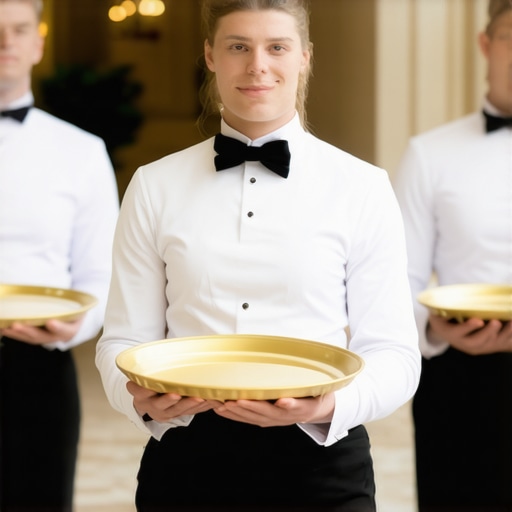 While many believe that hiring professional servers is simply about speed and appearance, the reality is far more intricate. A common misconception is that servers need to be constantly visible and proactive; however, this approach often backfires, drawing unnecessary attention and disrupting the event’s flow. In my experience, the real secret lies in mastering the art of subtlety—performing discreet service that blends into the background, allowing the focus to remain on the main event. Overlooking this nuance can lead to awkward interactions, broken atmospheres, and guest dissatisfaction. For instance, servers who rush to clear plates or interrupt conversations, believing they are being efficient, actually risk breaking guest engagement. Remember, the goal is to support, not steal the spotlight.
Have you ever fallen into this trap? Let me know in the comments.
One underrated aspect is understanding the complexity of guest behavior and venue dynamics. Many underestimate how critical it is for servers to anticipate needs based on the event’s rhythm and guest cues. This requires advanced training beyond standard hospitality skills. According to industry experts, such as those featured in top server tips, successful service hinges on micro-movements, silent communication, and situational awareness. Mistakes in this area—like misreading a guest’s desire for privacy or misjudging space for discreet passing—can inadvertently make servers seem inattentive or intrusive.
Moreover, many assume that the more bells and whistles—like flashy trays or loud announcements—are signs of professionalism. Reality contradicts this; the most sophisticated teams know when to hold back, opting for minimalism that fosters elegance. For example, pre-planning routes and employing silent communication techniques ensure low-profile yet effective service. The importance of trained patience cannot be overstated. When servers are preoccupied with multitasking without awareness or finesse, mistakes like dropping a glass or causing distractions are almost inevitable, undermining the event’s ambiance.
To elevate standards, it’s crucial to review the advanced aspects of server training, such as mastering non-verbal cues or venue-specific movement strategies. These details significantly influence guest perceptions and overall event success. As I always recommend, internalizing such nuanced skills can dramatically improve your event quality and reputation. Explore more about how expert servers enhance the guest experience by visiting wedding server excellence or corporate catering logistics.
Maintaining top-notch server performance and catering quality demands more than just initial setup; it requires ongoing investment in the right tools and a proactive mindset. One of my favorite pieces of equipment is the silent-cushioned tray, which minimizes noise during service and keeps guest focus where it belongs—on the event. I personally use lightweight, ergonomic trays with non-slip silicone grips because they allow servers to move swiftly without disturbing the ambiance, especially at high-profile weddings or corporate galas. For software, I rely heavily on event management platforms like Asana to streamline scheduling, staff assignments, and real-time communication, ensuring everyone is synchronized. These platforms enable me to adjust plans dynamically, which is essential for long events or last-minute changes, and I’ve found that their collaborative nature cuts down errors and confusion.
Preventative maintenance extends beyond equipment; it’s about cultivating a well-trained team. Regular refresher training sessions focused on silent movement, micro-communication, and guest etiquette keep the team sharp. I schedule quarterly workshops that incorporate scenario-based drills, emphasizing discreet service and situational awareness—techniques I’ve detailed in top server tips. For instance, practicing silent signaling with hand gestures has allowed my staff to manage complex sequences smoothly during bustling moments.
Predicting future trends, I believe AI-driven scheduling tools and service automation are on the horizon. These systems could analyze guest flow and predict staffing needs more accurately, reducing waste and enhancing service consistency. Forward-looking event planners will leverage such tech to stay a step ahead.
How do I maintain consistency and quality during prolonged operations? It comes down to durable equipment, continuous training, and smart tech integration. For ongoing support, I also recommend implementing a dedicated communication app tailored for catering teams to respond instantly to challenges without disrupting the event. This approach minimizes downtime and keeps service fluid, a technique I’ve perfected over numerous successful events.
For a practical start, try using silicone-grip trays paired with a unified digital communication platform—these small upgrades can make a significant difference in maintaining what I call “invisible excellence”. Remember, the key is consistent reinforcement and setting high standards, which ultimately translates into memorable, seamless experiences for your guests. If you want to explore more advanced strategies, check out tips on optimizing server efficiency for your next event.
Throughout my journey in professional catering, I discovered that true mastery lies in the unseen—servers whose movements are so fluid and unobtrusive that guests barely notice their presence, yet their impact is profound. This nuanced art form transforms ordinary events into memorable experiences, leaving guests immersed in celebration rather than distracted by the service.
Lessons That Didn’t Make the Brochure
- Perfection Is a Moving Target: Even with hours of training, there’s always room for refinement. I once thought that silent service was just about slow, deliberate movements—I was wrong. It’s about timing, anticipation, and reading the room. The most effective servers adapt in real-time, adjusting their approach based on guest reactions and event flow.
- Discretion Is a Skill, Not an Innate Trait: I learned that fostering genuine discretion requires intentional practice. Encouraging staff to develop micro-communications, like subtle gestures for serving needs, reduces noise and visible cues, creating a seamless guest experience that feels effortless.
- Venue Knowledge Is Power: Knowing the layout isn’t just a logistical detail; it’s part of the artistry. I’ve seen teams flourish when they study space flow beforehand, positions of key guests, and potential obstacles. This forethought allows service to be intuitive rather than reactive, elevating the overall atmosphere.
- Equipment Matters More Than You Think: Upgrading to lightweight, silent trays and non-slip grips might seem trivial, but these small investments yield big returns. Over time, I’ve realized that the equipment you choose can make the difference between a whisper of noise and a clatter that breaks concentration.
Tools & Resources I Trust Without Hesitation
- Top server techniques: A treasure trove of actionable tips, this resource has reshaped my approach to discreet service, emphasizing micro-movements and silent communication.
- Catering success checklist: It keeps me aligned with the core essentials, from equipment to staff training, ensuring nothing slips through the cracks during high-stakes events.
- Wedding server expertise: For special occasions, this guide offers insights into blending professionalism with invisibility, enabling a seamless flow that guests will remember.
- Innovative themes: While décor takes the spotlight often, integrating service excellence amplifies the overall event vibe, making each detail resonate with elegance.
Your Next Step Awaits
Mastering the art of nearly invisible service isn’t just a skill—it’s an ongoing commitment to excellence. Every event offers an opportunity to refine your technique, embrace new tools, and elevate your team’s professionalism. Remember, the goal isn’t just smooth service but creating an environment where guests feel truly cared for without ever noticing the effort behind the scenes. As you implement these insights, you’ll find that subtlety and discretion become your most powerful tools in crafting unforgettable experiences. Ready to redefine your event standards? Dive into the resources, share your stories, and keep pushing the boundaries of exceptional service.