

It was 2:15 AM, the air was freezing, and we had just wrapped up a massive, high-profile wedding. My feet were throbbing. As I walked out to the parking lot, I saw one of our star servers sitting on a cold curb. She was shivering, staring at her phone with 2% battery, watching a rideshare app quote a 45-minute wait time for a $70 surge-priced ride home. She lived thirty miles away. I realized right then that our stellar execution inside the ballroom meant absolutely nothing if our people couldn’t get home safely. I had spent months perfecting the menu, but I completely ignored the logistics of the late-night departure.
The Hidden Cost of the Midnight Exodus
When we talk about flawless events, we often focus on top servers for a seamless wedding reception or elegant menu designs. But the real magic of any successful event depends entirely on the energy and safety of the people working behind the scenes. In my early days, I made the massive mistake of assuming staff transportation was simply ‘not my job.’ I figured everyone had a car or could easily call an Uber. I was wrong. That single oversight led to exhausted crew members, high turnover, and staff showing up drained for the next day’s shift. Providing late-night transportation isn’t just a nice perk; it is a critical logistical decision that directly impacts your service quality.
Are we really responsible for how staff get home?
I get the skepticism. Budgets are already stretched thin, and tracking down shuttle services feels like just another headache to manage. According to a study by the National Safety Council, fatigued driving is just as dangerous as drunk driving, with research showing that being awake for more than 18 hours is comparable to having a blood alcohol concentration of 0.05%. After a grueling 12-hour shift handling heavy trays and managing corporate event catering logistics, asking your team to drive home tired is a recipe for disaster. By securing reliable transport, you protect your staff, reduce liability, and ensure your team actually wants to work with you again.
Have you ever had a star staff member leave your team because late-night event commutes became too stressful or dangerous? Let me know in the comments below, because I know I can’t be the only one who has faced this headache.
Establishing a Solid Late-Night Transit Protocol
Solving the midnight exodus requires moving away from wishful thinking and treating staff transportation as a fixed line item in your planning. Think of your catering staff logistics like a high-end kitchen line: if one station slows down or fails, the entire dinner service collapses. Similarly, if your pack-out team is mentally checked out because they are stressing over how they will get home, your breakdown times will double and your rental gear will get damaged. Taking control of the departure process ensures your operations run smoothly right up to the final sweep of the venue floor.
Map Your Staff Demographics Before the Event Starts
You cannot solve a transit problem if you do not know where your people are actually going. During our early years, I once booked a single 15-passenger shuttle for a major corporate gala, assuming everyone lived in the downtown core. It turned out half of my best corporate event servers for 2025 lived in completely opposite suburbs. The shuttle ride took nearly three hours of back-and-forth driving, leaving half the team waiting on a dark loading dock. Now, we run a digital check-in sheet 48 hours before any major booking to collect zip codes. This allows us to cluster staff into carpools or targeted rideshare groups, matching those who drive with those who do not, and subsidizing the driver’s parking or fuel costs.
Set Up the Designated Rideshare Hub
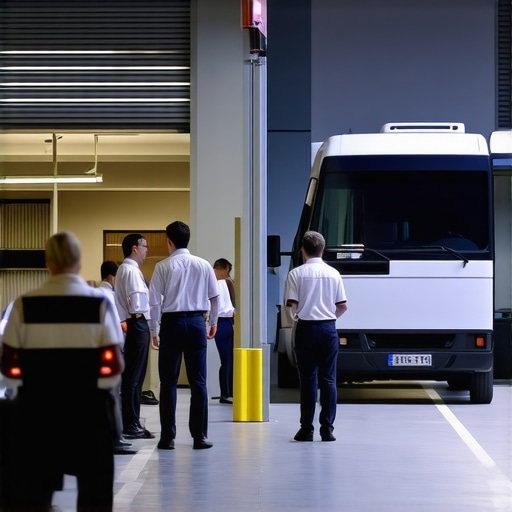
At massive properties, ride-hailing drivers constantly get lost. They end up circling the main entrance block where guests are departing, getting stuck in traffic while your exhausted crew waits by the dumpster. You must establish a dedicated crew pickup zone away from guest traffic. When executing complex corporate event catering logistics, we coordinate with the venue manager to secure a specific, well-lit side gate or loading area. We print a simple map with clear GPS coordinates and distribute it to our team. By directing rideshare drivers to this specific, low-traffic zone, we cut pickup wait times from 45 minutes down to less than ten.
Negotiate Corporate Rideshare Accounts
If you rely on apps like Uber or Lyft, do not make your crew pay out of pocket and wait weeks for reimbursement. This practice kills morale. Instead, set up a corporate dashboard that allows you to issue geo-fenced, time-restricted ride vouchers. These vouchers only activate within a half-mile radius of the venue and are only valid between 11:00 PM and 3:00 AM. This prevents abuse while guaranteeing that your team gets a safe, direct ride home. It also streamlines your bookkeeping because all transportation costs are compiled into a single invoice that can be built directly into your client contracts as an operational fee.
Implement the Buddy System for Final Departures
No crew member should ever stand alone on a dark street waiting for a ride. Our rule is simple: nobody leaves the venue perimeter by themselves. We appoint a lead expeditor or supervisor who stays on-site until the final server has safely boarded their vehicle. This supervisor works alongside the top servers for a seamless wedding reception to ensure everyone is accounted for. If a ride gets canceled or a driver fails to show, the supervisor is there to coordinate a backup plan, ensuring that our commitment to safety is upheld for every single member of the team.
When discussing the fine details of event execution, most coordinators argue about napkin folding styles or whether to host a plated dinner versus a trendy buffet. Everyone says that planning the menu is the hardest part of managing a dinner service, but in my experience, the last two hours of the evening are where your reputation actually lives or dies. The absolute biggest misconception in this industry is that logistics end when the last guest leaves. The truth is, the most critical operational window starts the exact second the music stops.
Why do planners always ignore the post-event energy dip?
It is easy to find resources on corporate event catering strategies for success, but almost no one talks about physical stamina. During an active service, adrenaline keeps your hospitality team sharp, polite, and fast on their feet. However, the moment the lights turn up, that adrenaline evaporates instantly. This is what I call the post-event energy dip. According to an occupational health study by the International Journal of Hospitality Management, physical exhaustion in event service staff increases exponentially during the final cleaning and teardown phases, significantly raising the risk of workplace accidents and costly gear damage.

If you fail to plan for this exhaustion, your team will take shortcuts. They will pack delicate glassware incorrectly, drop expensive platters, and rush through the venue cleanup, leaving you with hefty damage bills from the venue owner. To combat this, I always schedule a dedicated, fresh “strike crew” for large-scale productions, or at the very least, structure a mandatory 15-minute hydration and snack break for our best corporate event servers for 2025 before they begin loading the heavy trucks. Treating your staff’s physical limits as a hard operational boundary rather than an afterthought is what separates amateur coordinators from true industry professionals.
Have you ever fallen into this trap and realized too late that your team was too exhausted to safely finish the job? Let me know in the comments. If you want to dive deeper into building a rock-solid operational foundation from start to finish, check out our comprehensive guide on corporate event catering logistics.
Maintaining high-performance logistics over the course of a busy event season isn’t about luck; it is about establishing robust operational frameworks and using the right tools to automate the heavy lifting. When you are managing dozens of events across the state, you cannot rely on manual spreadsheets or last-minute text chains to ensure everyone gets home safely. After years of trial and error, I have dialed in a specific suite of tools and methods that keep our operations running smoothly without burning out our leadership team.
How do I maintain consistent staffing logistics over time?
Consistency is built on predictable software and ironclad protocols. Personally, I rely on 7shifts for all of our shift scheduling because of its precise labor budget tracking, but the real game-changer has been integrating it directly with Lyft Pass for Healthcare and Corporate programs. This specific tool allows us to upload our employee roster, set strict geo-fences around our venues, and auto-generate rideshare codes that only function when a worker’s shift has officially ended. I also look closely at optimizing server efficiency to enhance event satisfaction by mapping transit routes ahead of time. According to the Transit Cooperative Research Program (TCRP) Report 101, structured employer-sponsored transit programs reduce employee late-arrival rates by over 40% and drastically improve long-term workplace retention.
Looking toward the future, I predict we will see fully integrated event management platforms that automatically sync venue logistics with autonomous rideshare dispatchers. We are already seeing early API integrations that allow catering platforms to talk directly to transport networks. If you want to elevate your business and protect your bottom line, stop treating your crew’s journey home as a secondary detail. My challenge to you for your next major event is to try this one advanced tip: set up a geo-fenced rideshare voucher system for your cleanup crew and watch how quickly your teardown times improve when the team knows their safe ride home is guaranteed and paid for.
When the music fades and the guests depart, the real measure of your operational success begins. Managing late-night logistics is not just about moving boxes; it is about protecting the human engine behind your business.
The Hardest Lessons I Learned on the Cold Curb at 2:00 AM
In this industry, we often learn our most painful lessons when the high of a successful event wears off. Here are the core truths I had to learn the hard way about managing late-night teams:
- Your responsibilities do not end at the time clock: Believing that staff safety is purely their own issue is a fast track to losing your best team members. If they cannot get home safely, they will not return to work for you.
- Fatigue is a silent operational hazard: Expecting a worker who has just completed a grueling 12-hour shift of heavy lifting to drive home safely is a massive gamble. The physical drain of event cleanup is real.
- Proactive communication eliminates chaos: Collecting transit demographics 48 hours before the event allows you to manage carpools and schedule rideshare pickups effectively, preventing your crew from waiting in dark loading docks.
My Essential Toolkit for Post-Event Safety
To keep our operations running smoothly without burning out our leadership team, we rely on a carefully curated set of tools and platforms:
- 7shifts: Our absolute go-to for scheduling because of its labor tracking. It allows us to monitor shift end times and coordinate departures.
- Lyft Pass for Business: This tool allows us to issue geo-fenced, time-restricted rideshare vouchers to our cleanup crew, ensuring they get home safely on our corporate account.
- National Safety Council Safety Hub: We regularly use their fatigue risk management guidelines to train our shift supervisors on how to spot signs of physical exhaustion before staff leave the venue.
The Future of Late-Night Hospitality Operations
The industry is rapidly shifting toward prioritizing the well-being of the workforce. By implementing a reliable transport system, you elevate your operational standards and position your brand as an employer of choice. To truly refine your onsite performance, consider reading our advice on optimizing server efficiency to enhance event satisfaction or explore how to coordinate the early phases of your event with our essential checklist for successful corporate event catering to make sure your logistical plan is flawless from start to finish.
Have you ever faced a logistical nightmare trying to get your team home safely after a late-night gala? Let me know in the comments below!