

I’ll never forget the “Soggy Caesar Incident” of 2018. It was a stunning corporate retreat by the lake, but the air was like a warm, wet blanket. I had prepared these beautiful, crisp salads, thinking the shade of the tent would be enough. Within an hour, the dressing had separated, the lettuce looked like it had been through a car wash, and I was frantically trying to hide the bowls. It was a rookie mistake. I didn’t realize that humidity doesn’t just make us sweat; it’s a relentless heat conductor that ruins the texture of fresh produce faster than a dry heat ever could.
Humidity is the Hidden Killer of Great Outdoor Catering
When you are planning an elegant summer menu, you usually worry about the sun. But the real villain is moisture in the air. High humidity prevents evaporation, which means your chilled bowls start “sweating” immediately. This isn’t just an aesthetic problem; it’s a race against the clock. According to the USDA, bacteria can double in number in as little as 20 minutes when food is left in the “danger zone” between 40°F and 140°F. If you’ve ever felt that pit in your stomach watching your buffet line slowly lose its chill, you know exactly what I’m talking about.
Can you really stop nature from wilting your expensive greens?
It feels like a losing battle, doesn’t it? You spend hours sourcing the best local ingredients, only for the atmosphere to turn them into mush. My early failure taught me that you can’t just rely on a few ice cubes and a prayer. You need a strategy that involves maintaining food temperature through physics, not just luck. We aren’t just serving food; we’re managing a delicate ecosystem. Have you ever had a perfectly planned outdoor meal ruined by a sudden spike in humidity? Today, I’m going to show you how to beat the heat. We are going beyond the basic “put it on ice” advice and looking at wedding catering tips that professionals use to keep things fresh. From the specific way you layer your bowls to why your choice of dressing matters more than the lettuce itself, we’re going to ensure your next event stays crisp. You’ll learn how refreshing summer menu choices can actually save your sanity when the dew point hits sixty. [image placeholder]
How to Build a Buffet That Stands Up to the Humidity
When the dew point rises, the physics of your food station must change. It isn’t enough to just keep things cold; you have to shield them from the ambient moisture. Think of your buffet as a small, controlled climate zone. I learned this the hard way at a mid-July product launch where I used deep, heavy ceramic bowls. They looked great, but they held the heat like a brick oven, effectively steaming the shrimp from the bottom up. Now, I exclusively use high-gauge stainless steel for anything chilled because it conducts the cold from the ice much more efficiently than stone or plastic.
Ditch the Simple Ice Bowl for a Double-Chilled System
One of the most effective ways of maintaining food temperature is the nesting technique. You place a smaller food vessel inside a larger one filled with a salt-ice slurry. The salt lowers the freezing point of the ice, creating a much colder jacket than ice alone. During a high-stakes executive lunch in a humid botanical garden, I used this method for our seafood tower. While the air was a sticky 90 degrees, the seafood remained at a safe 38 degrees for over two hours. This level of precision is why corporate event catering logistics often require specialized equipment and extra prep time.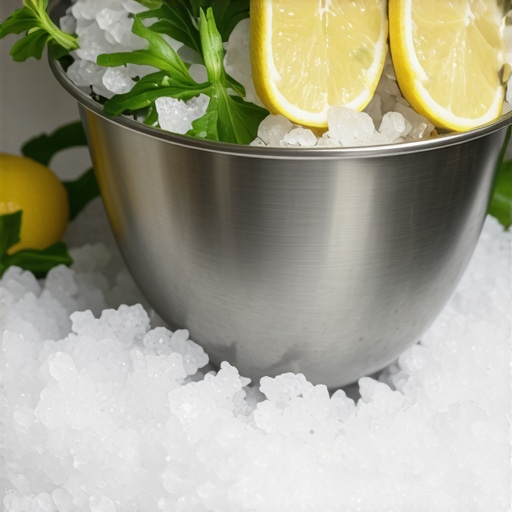
Choose Produce That Thrives in the Heat
Stop trying to make delicate spring mix happen in August. It’s a losing game. To keep things crisp, you need to lean into refreshing summer menu choices that have structural integrity. Think kale, cabbage, or even grilled romaine hearts that have been quickly chilled. These fibers don’t collapse the moment they touch moisture. Also, never pre-dress your greens. I once watched a beautiful heirloom tomato salad turn into a soup because the salt in the dressing pulled all the water out of the tomatoes in twenty minutes. Now, we provide dressing on the side or use oil-based emulsions that don’t break as easily as cream-based ones.
Empower Your Team to Monitor the Micro-Climate
Your servers are your eyes and ears on the ground. You need to provide top server tips that include constant temperature checks and condensation management. I tell my leads that if a bowl starts to sweat excessively, it’s time to swap it out—even if it’s half full. This is a crucial part of optimizing server efficiency because it prevents the save it later mentality that leads to food safety issues. At a 400-person wedding, I had a server notice the ice-melt was overflowing into the lettuce bowl. Because she knew how to manage a catering team during high-stress moments, she swapped the entire station in under ninety seconds without a single guest noticing the near-disaster.Most people assume that if you have a massive budget, you just throw more bodies at the problem. But here is the truth: over-staffing is the silent killer of a smooth evening. In my years of refining corporate event planning secrets, I’ve found that a crowded floor leads to ‘cluttering,’ where servers bump into each other and guest requests get lost in the noise. It’s better to have a lean, highly trained team than a small army of novices. Researchers at the Cornell School of Hotel Administration have noted that labor productivity in hospitality often plateaus when communication channels become too complex, leading to diminishing returns on service quality. You need to choose the right staffing ratio based on the specific flow of the room, not just a generic rule. Have you ever fallen into the ‘more is better’ trap and watched your event turn into a disorganized huddle? Let me know in the comments.
The Fatal Flaw of the Working Lead Server
Here is the biggest ‘oops’ I see even seasoned planners make: they assign their best person—the lead server—to the VIP table. It sounds logical, right? Give the CEO the best service. But why a lead server should never be assigned a single table is actually quite simple: they become a bottleneck. A lead needs to be the ‘floater,’ the person seeing the whole room, spotting the empty water carafe across the hall or the guest with a shellfish allergy who looks confused. When your lead is busy pouring wine for one person, they aren’t managing the team, and the entire system collapses. You should audit your server to guest ratio specifically to ensure your lead remains free to lead. This allows them to monitor things like condensation on the buffet or sudden weather shifts that we discussed earlier. 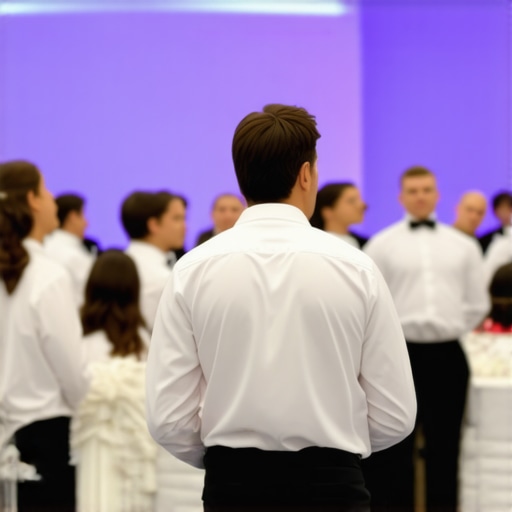
Why Your Vendor List Might Be Outdated
It’s a hard truth, but many venues push a ‘preferred vendor list’ that hasn’t been updated in years. This is a major trap for modern clients. Often, those lists are built on historical relationships rather than current excellence. You must understand the hidden cost of only using preferred vendors, which often includes inflated prices and a ‘business as usual’ attitude that lacks the innovation your event deserves.
Does your vendor list actually serve your vision?
If you are planning something high-stakes, always ask for a walkthrough of the specific corporate event catering logistics and don’t be afraid to bring in an outside specialist if the ‘preferred’ team doesn’t understand the nuances of high-humidity outdoor service. A truly professional partner will prioritize the event’s success over their convenience. This is why I always recommend a fresh audit of every contract, looking for those hidden redundancies that eat up your budget without adding a single ounce of guest satisfaction. By focusing on the ‘why’ behind every staff placement and vendor choice, you move from just hosting a party to engineering an experience.
The Essential Toolkit for Zero-Failure Events
When I am on-site, I am never without my ‘black box’—a Pelican case filled with the specific tech that ensures my logistics do not fail. The most important tool in that kit isn’t a knife; it is a high-speed digital probe. I personally use the Thermapen ONE because it gives a reading in under a second. Why does that matter? Because every second a buffet lid is open to check a temperature, you are losing your thermal barrier. Mastering corporate event catering logistics means having this level of granular control. If you aren’t measuring, you’re just guessing, and in a high-humidity environment, guessing is how people get sick. A study published in the Journal of Food Protection highlights that the ‘lag phase’ for pathogens is significantly shortened in high-moisture air, making your margin for error almost zero. My kit also includes matte black gaffer tape, which I use to hide unsightly power cables that inevitably snake toward the warming units. 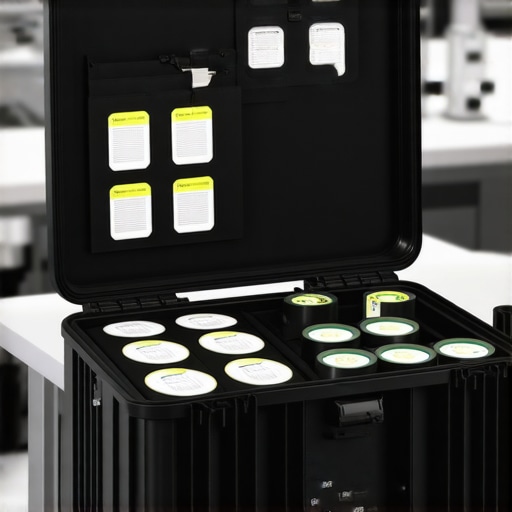
How do I maintain food quality across a four-hour window?
The secret isn’t in the heating elements; it is in the briefing. You must organize a staff meeting before a 500-person dinner that focuses on ‘active rotation.’ We don’t just top off pans; we swap them entirely to prevent old food from sitting at the bottom of the vessel. I also use the simple trick for keeping buffet labels legible and clean by using acrylic stands that wipe down easily when the condensation starts to drip. This is a core way to boost your corporate event with expert server techniques. I have found that even the most innovative catering ideas for modern weddings fail if the staff doesn’t understand the ‘why’ behind the rotation. You have to be able to spot a server who hasn’t been briefed on the menu immediately—they are the ones looking at the heat lamps instead of the guests’ eyes.
Why Predictive Logistics Will Rule the 2026 Wedding Season
We are moving away from ‘just-in-case’ catering toward ‘just-in-time’ delivery. I predict that within the next two years, we will see AI-integrated kitchen monitors that track humidity and guest flow in real-time, adjusting cook times automatically. This isn’t sci-fi; it is the natural evolution of corporate event planning secrets. For now, your best ‘AI’ is a well-trained lead server who knows how to read the room. If you want to elevate your next event, try this one tip: buy one high-quality digital probe for every station lead and mandate a log-book for 30-minute checks. It changes the culture of the kitchen from ‘good enough’ to ‘perfectly safe.’ It is time to stop fearing the weather and start out-engineering it.
Lessons the Sticky Summer Taught Me
Over the years, I’ve realized that humidity is not just a weather report; it is a logistical hurdle that requires its own line item in your plan. One of the biggest lightbulb moments for me was realizing that condensation is a feedback loop. Once it starts on the outside of a vessel, the internal temperature is already climbing rapidly. I also learned that transparency wins every time with guests. If you see a tray struggling under the heat, pull it immediately. People respect a high standard of freshness far more than they value a massive, wilting variety. Finally, never underestimate the weight of water. When you are calculating your corporate event catering logistics, you must account for the physical labor involved in moving the hundreds of extra pounds of ice required for salt-slurry cooling.
The Gear That Keeps My Events Crisp
To pull off these high-stakes events, I rely on a specific set of tools that have never let me down. First is the digital thermometer; it provides the one-second readings essential for keeping food safe without losing the cold-chain. I also swear by acrylic signage. Using the simple trick for keeping buffet labels legible and clean ensures that your guests can always see what they are eating, even when the humidity makes everything else a bit foggy. For the serving vessels, high-gauge stainless steel is non-negotiable for its thermal conductivity. If you’re feeling overwhelmed by these details, it’s always a good idea to reach out to a professional service partner who lives and breathes these micro-adjustments.
[image placeholder]
Engineering Unforgettable Summer Moments
Outdoor events carry a special magic that no indoor ballroom can truly replicate, but that magic is fragile. By mastering these corporate event catering strategies for success, you aren’t just preventing a repeat of my “Soggy Caesar” disaster—you’re creating an environment where your guests can truly relax and connect. Don’t let the dew point dictate the quality of your vision. With the right preparation and a dedicated team, you can host an ultimate wedding reception meal that stays crisp from the first guest to the very last dance. Have you ever had a specific dish fail spectacularly because of the heat or humidity? Let me know in the comments below!