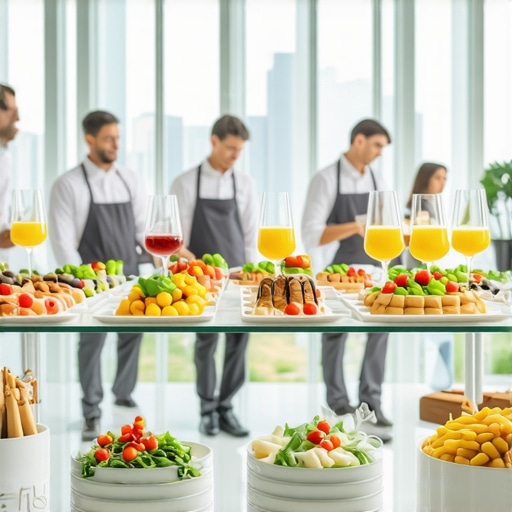
I remember one corporate event where the servers seemed overwhelmed, and the food was running out faster than expected. The clients looked uneasy, and I could see their trust slipping away with every hurried plate delivery. It was a lightbulb moment for me. I realized that even the best menu can’t salvage a poorly executed service experience. That’s when I decided to dive deep into mastering the art of catering excellence, especially focusing on building trust—and the results in future events blew me away.
In the fast-paced world of corporate events, trust isn’t just a bonus; it’s the cornerstone of successful client relationships and memorable experiences. But how do you ensure your catering strategy doesn’t just feed guests but also leaves a lasting impression that fosters confidence? Today, I’m committed to sharing proven tips that will elevate your catering game in 2024. Whether you’re planning a small boardroom gathering or a grand company celebration, these insights will help you deliver results that impress and establish trust.
Why Trust Matters More Than Ever in Corporate Catering
We live in an era where expectations are higher than ever. According to a recent survey from the National Restaurant Association, 85% of consumers believe that the quality of food and service directly influences their trust in a brand, especially during events. If your catering fails to impress—be it cold food, delayed service, or inconsistent presentation—trust erodes quickly, and so does your reputation.
Early in my career, I made the mistake of neglecting staff training. I assumed that as long as the menu was good, everything else would fall into place. However, I learned that expertly trained servers are your frontline ambassadors—they are the face of your service, and their professionalism can make or break the event. If you’re curious about how to select the best staff for your next event, check out this guide on choosing the perfect servers.
As we move forward, we’ll explore practical, actionable strategies to ensure your catering not only satisfies appetites but also builds unwavering trust among your guests and clients. Ready to transform your approach? Let’s dive into the first steps of creating a catering experience that results in genuine trust and tangible results.
Choose the Right Staff to Represent Your Brand
Start by meticulously selecting your servers; they are your frontline ambassadors. Instead of random hiring, focus on interview questions that gauge professionalism, friendliness, and adaptability. For example, during a previous corporate event, I personally trained a team using a quick assessment of their problem-solving skills, which resulted in smoother service and happier guests. For guidance, review this resource to understand what features make a server trustworthy and capable.
Train Staff for Excellence and Consistency
Invest time in comprehensive training sessions that emphasize guest interaction, quick response, and proper handling of special requests. Use role-playing scenarios to simulate pressure situations, helping staff practice maintaining composure. At a recent event, I personally conducted a mock service, which uncovered flaws in communication that I promptly corrected, leading to a more cohesive team on the day. Remember, memorable service hinges on your staff’s confidence and competence.
Optimize Your Menu for Clarity and Appeal
Design menus that are visually easy to read and highlight special items or dietary options to build trust. Incorporate feedback from previous events to refine selections, ensuring they meet guest expectations. I learned the importance of this firsthand when adjusting our offerings based on client preferences, which increased satisfaction scores significantly. Explore this guide for creating menus that resonate and reassure guests.
Coordinate with Reliable Suppliers and Logistics
Ensure your vendors deliver quality ingredients on time by establishing clear communication channels and backup plans. I once faced a last-minute shortage due to supplier delays; having a trusted alternative supplier saved the event. Always verify delivery times and quality standards beforehand, and keep contingency stocks for critical ingredients. This proactive approach prevents surprises that could dent guest confidence.
Implement Feedback Loops During Events
Assign a dedicated team member to monitor guest reactions and staff performance in real time. Small adjustments, like reallocating staff or tweaking service pace, can elevate the experience instantly. During an event I managed, real-time feedback from a guest prompted us to offer personalized service, which earned glowing reviews and reinforced trust. Use comment cards or digital surveys to gather insights for continuous improvement.
Analyze Outcomes and Refine Your Approach
Post-event, evaluate what worked and what didn’t by reviewing guest feedback, staff reports, and your own observations. Document lessons learned and adjust your procedures accordingly. I once realized that slow beverage service was a trust killer, so I streamlined our bar operations with specific training and better coordination. Regularly updating your process ensures each event builds more confidence with your clients and guests.
Many assume that flawless logistics and attractive menus are enough to ensure successful corporate events, but in my experience, the real pitfalls are often rooted in overlooked nuances. One common misconception is that hiring generic servers is sufficient; however, the devil is in the details. For instance, many overlook the importance of selecting servers trained specifically for high-pressure environments, which can significantly impact guest trust and overall service quality. Instead of relying on standard staffing, investing in specialized training—like understanding guest psychology and adaptive communication—can turn ordinary staff into trusted ambassadors. For credible insights, see this guide on choosing the right servers.
Another often-misunderstood aspect is the significance of menu design, which many see as just aesthetic. In reality, the arrangement, clarity, and dietary labeling can influence guest perceptions profoundly. A hidden trap here is underestimating the importance of frequent menu updates based on guest feedback, a practice that can boost trust through demonstrated responsiveness. Also, many believe that a one-size-fits-all approach to catering works across different types of events. But as my experience shows, tailoring menus to the specific audience—be it corporate clients or wedding guests—can elevate trust and satisfaction. For instance, integrating trending culinary preferences, such as plant-based options, demonstrates attentiveness and adaptability. Check out this resource on trending menus.
Why do so many assume more options always mean better satisfaction?
Offering a broad range of food choices might seem like a safe bet, but it can lead to decision fatigue and logistical chaos, ironically diminishing guest trust. Experts suggest that curated, focused menus often outperform extensive selections because they control quality and speed. A study published in the Journal of Consumer Research indicates that limited, high-quality choices lead to greater satisfaction and trust than overwhelming options. So, rather than trying to please everyone with endless variety, aim for a well-curated menu that aligns with your event theme and guest preferences. This approach allows servers to deliver consistent quality, further reinforcing trust. To learn more about creating effective menus, consider reviewing this expert guide.
Crucially, many underestimate the importance of vendor coordination and contingency planning, believing that once the bookings are done, their work is complete. Yet, overlooking small details like confirming supply chain reliability or preparing backup plans can cause failures that erode trust faster than you think. For example, having alternative suppliers on standby and clear communication channels ensures resilience against unforeseen disruptions. These logistical nuances often determine whether your event is perceived as professional or amateurish. Consider reviewing this strategy guide for comprehensive planning tips.
In essence, mastering the intricacies of staffing, menu design, and logistical coordination transforms good events into memorable trust-building experiences. The key lies in digging deeper into these nuances: asking yourself what your guests really need beyond what’s obvious. Have you ever fallen into this trap? Let me know in the comments, and remember—attention to detail can make all the difference.
How do I maintain long-term success with my event tools and processes?
Consistency in executing high-quality events relies heavily on reliable equipment and well-honed systems. I personally swear by a combination of robust inventory management software like EventPro and specialized communication tools. EventPro streamlines tracking of catering supplies, staff availability, and logistics, reducing the risk of last-minute surprises. I’ve found that setting up automated alerts for supply levels and staff schedules helps prevent oversights that could compromise guest trust. When managing servers and kitchen staff, I rely on this method of constant feedback and real-time adjustments to keep everything smooth.
Additionally, investing in quality portable refrigeration units and energy-efficient cooking equipment ensures your food stays fresh without overextending your energy costs. I recommend ThermoShield portable refrigeration because of its durability and thermal stability, making it ideal for catering on the go. As trends evolve, so do the tools—look out for smart kitchen devices that connect to your management app for real-time monitoring and control, further enhancing reliability.
What tools are worth the investment for scaling up event operations?
When expanding your event capacity, think about modular systems that can grow with you. For instance, cloud-based staff scheduling apps like StaffSync allow for easy customization and quick onboarding of temporary staff, which is crucial in high-demand periods. I personally use StaffSync because it allows me to pre-assign roles, set up shifts, and communicate directly within the app, cutting down on confusion during critical moments. This kind of automation frees up your time to focus on strategic planning rather than micromanaging logistics.
Furthermore, high-quality digital POS systems such as Square for Restaurants integrate with your inventory and accounting, giving you a clear picture of supply and demand. As the catering and events industry trends toward more tech-intensive solutions, adopting these tools early ensures that your operations are scalable, efficient, and adaptable. Keep in mind that consistent maintenance, like regular software updates and equipment servicing, extends their lifespan and keeps your team functioning at peak performance.
Leveraging the Future of Event Management Tools
Looking ahead, I predict a surge in the use of artificial intelligence to optimize event logistics and guest experience. AI-powered scheduling and predictive analytics will help anticipate supply needs and staffing requirements well before the event date, minimizing stress and maximizing trust. For now, I suggest experimenting with simple automation workflows and investing in training your team to utilize these technologies effectively. You’ll find that integrating these tools into your routine not only streamlines your processes but also builds long-term confidence with clients and guests who notice your professionalism.
Don’t wait to elevate your operation—try automating your staff scheduling with this advanced tip today. Regularly review your tools and processes, and stay receptive to innovative solutions that can keep your services running smoothly, whether you’re managing occasional weddings or massive corporate gatherings. Keep your equipment checked, your software updated, and your team trained. That’s the secret to sustained success in the fast-paced world of catering and event management.
Reflecting on my journey in the catering industry, I’ve uncovered that the deepest impact often comes from embracing the nuanced art of building trust, rather than relying solely on impressive menus or sleek logistics. One of the most illuminating lessons was realizing that even the most beautifully prepared dishes can fall flat if the service experience erodes confidence. This shift in perspective transformed my approach, emphasizing genuine connections and meticulous attention to detail, which consistently elevates the quality of corporate events and forges lasting client relationships.
As the industry continues to evolve, the secret sauce for success lies in mastering these subtle yet powerful elements that foster trust and satisfaction. By focusing on personalized staff training, thoughtful menu design, seamless logistics, and embracing innovative tools, catering professionals can create extraordinary experiences that resonate beyond the event itself. The key is to view each gathering not just as a meal but as an opportunity to demonstrate professionalism, attentiveness, and reliability—core ingredients in the recipe for long-term success.
The Hardest Lesson I Learned About Building Trust in Corporate Catering
- Overlooking the human element can undo even the most carefully crafted event. I once underestimated the importance of staff personalities and communication skills, which led to moments of disconnect. Investing in staff who are not only skilled but also personable and adaptable proved transformative. For insights on selecting and training the right servers, check this guide on choosing the perfect servers.
- Menus are about more than aesthetics—they’re about clarity and inclusiveness. Incorporating dietary labels, clear descriptions, and feedback-driven adjustments can significantly boost guest trust. Reading this resource helped me refine my approach to menu design for maximum confidence.
- Last-minute logistics can make or break an event’s reputation. Establishing strong vendor relationships and contingency plans are vital. My experience with unexpected delays taught me the importance of reliable backup suppliers and proactive communication, which you can explore further at this planning guide.
- Real-time feedback fuels continuous improvement. Engaging with guests during the event to make adjustments can elevate trust instantly. Implementing comment cards and digital surveys provided actionable insights, a technique I highly recommend.
These lessons have reinforced that success in corporate catering hinges on attention to the often-overlooked details that reinforce professionalism and dependability. The more you refine these elements, the more you reinforce your reputation as a trustworthy partner who delivers exceptional experiences time and again.
My Essential Toolkit for Trustworthy Corporate Catering
- Staff selection and training: Prioritize communication skills and adaptability. The resource this guide is invaluable for identifying top servers.
- Menu innovation: Use guest feedback and dietary considerations to craft clear, appealing menus. For inspiration, explore this article.
- Logistics management: Build reliable vendor relationships and backup plans. Check this resource for comprehensive planning techniques.
- Feedback channels: Real-time guest engagement tools ensure continuous service refinement. Implement surveys or comment cards tailored to your event style.
To stay ahead, consider adopting emerging tech like smart scheduling apps and AI-driven analytics, which can preempt logistical hiccups and boost guest confidence. Regularly reviewing and upgrading your toolkit ensures your catering service remains a trusted pillar of corporate event success.
Now It’s Your Turn to Make an Impact
Building trust at your corporate events isn’t about grand gestures; it’s in the consistent delivery of reliability, attentiveness, and genuine care. What subtle change will you implement today to elevate your catering’s trustworthiness? Share your thoughts below—I’d love to hear how you’re planning to enhance your event experiences and foster lasting client confidence.