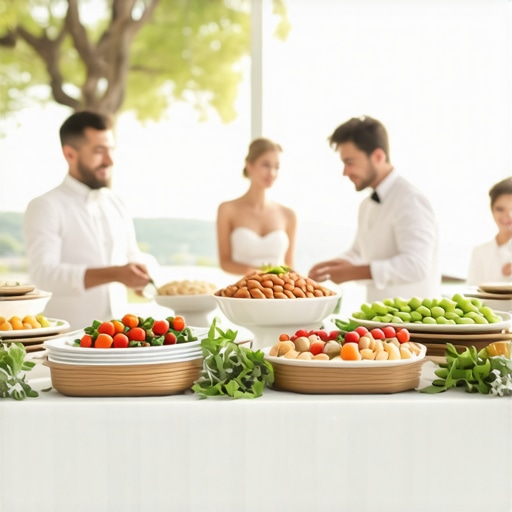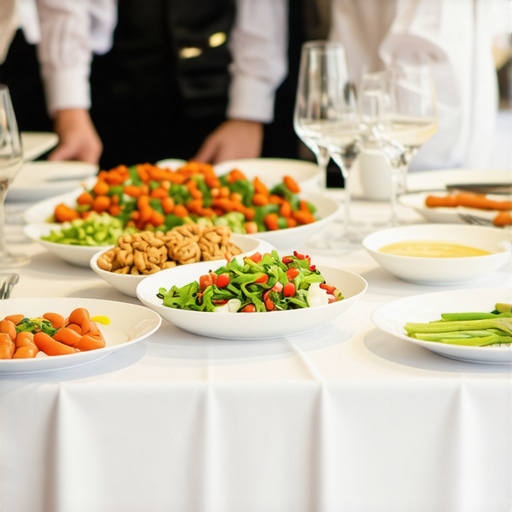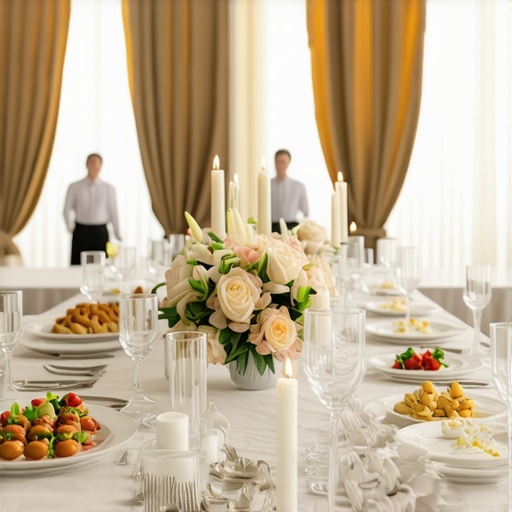
The day I nearly lost a wedding reception because the servers misunderstood the bride’s favorite dish still haunts me. It was one of those moments where everything seemed to unravel in just seconds—half the guests waiting, the couple looking disappointed, and my team scrambling to fix a fallout we should have anticipated. That incident was a stark wake-up call. It made me realize that in the world of wedding catering, trust and impeccable service aren’t just nice-to-haves—they’re the foundation of success.
Why Building Trust and Crafting Memorable Menus Is More Critical Than Ever
In 2024, the wedding industry is evolving faster than many realize. Couples are more discerning, and their expectations for personalization and quality are soaring. According to recent industry reports, 78% of couples prioritize a personalized experience, and they judge caterers not only by taste but by how well the service team integrates into their vision. This shift isn’t just a trend; it’s a demand that can make or break your reputation.
But why does this matter so much now? Because behind every great wedding is a caterer who has mastered the art of building trust through consistent, thoughtful service and menus that wow guests. If your team struggles with miscommunication or your menus feel like a one-size-fits-all solution, you’re likely losing potential repeat clients and referrals.
Early in my career, I made the mistake of neglecting tailored menus for different wedding themes. My oversight resulted in dishes that didn’t align with the couple’s cultural background or personal taste, leading to dissatisfaction. That misstep taught me that customizing menus isn’t just about adding special dishes; it’s about understanding the couple’s story and reflecting that in everything served.
Want to avoid costly mistakes and ensure every wedding you cater builds lasting relationships? By focusing on strategic team training, personalization, and reliable communication, you can turn every event into a trust-building success.
Ready to explore how to elevate your wedding catering game? Keep reading, because I’ll share proven tactics that can transform your approach in 2024.
Is Your Service Approach Actually Winning Over Clients? Here’s the Skeptic’s Doubt
You might be thinking, “This sounds great, but is investing in professional servers and customized menus really worth the extra effort and expense?” Trust me, I’ve been there. When I first started, I believed that standard service was enough—until I realized that couples remember how they feel, not just what they eat.
In fact, many successful caterers recommend engaging with expert servers, who are trained to anticipate guest needs and handle delicate situations gracefully. For insights on selecting the best team, check out [this guide](https://gourmetcateringsco.com/how-to-choose-the-perfect-servers-for-your-wedding). Plus, remember that a well-executed service approach can significantly boost your reputation, leading to more bookings and referrals.
Stay tuned because next, I’ll dive into practical ways to implement these strategies and make your catering stand out in 2024.
Train Your Team Like a Precision Orchestra
Think of your catering staff as a symphony orchestra; each member must play their part flawlessly for the harmony of a smooth wedding reception. In my first attempt at staff training, I scheduled a quick briefing without detailed role assignments. During the event, some servers confused table numbers, leading to delayed service. That chaos underscored the importance of well-structured training. Hold regular, detailed training sessions that cover guest interaction, dish serving sequences, and cultural sensitivities. Use role-playing exercises to simulate real scenarios, ensuring staff can handle unexpected situations professionally. Reference guidance from this resource to refine your training modules.
Personalize Menus to Tell a Love Story
Menus should reflect the couple’s narrative; think of them as the soundtrack to their special day. I once worked with a couple whose heritage was central to their identity. Instead of standard dishes, I collaborated with them to craft a menu that incorporated traditional recipes with modern twists. This act of personalization instantly boosted guest engagement and guest satisfaction. Work closely with couples during planning, using tools like these planning tips to tailor menus precisely. Always inquire about their cultural backgrounds, favorite flavors, and storylines to create a dining experience that resonates deeply and builds immense trust.
Enhance Communication with Checklists and Tech
Imagine trying to navigate a maze without a map; chaos ensues. My breakthrough came when I adopted digital checklists and real-time communication tools during events. Before each wedding, I implemented comprehensive checklists covering every dish, timing, and service cue. During the event, staff used walkie-talkies or apps to stay synchronized. This clear line of communication prevented mistakes like serving dishes out of order or missing key moments. For optimal results, consider tools recommended in this guide on effective communication systems. Regular debriefs post-event ensure continuous improvement, catching small errors before they ripple into larger problems.
Refine Service with Continuous Feedback
Think of your staff as athletes fine-tuning their performance. After each event, solicit honest feedback from your team and couples. I once shadowed a server who struggled with timing during a wedding; after discussing candidly, we discovered her hesitation in approaching guests. Providing ongoing coaching, based on specific observations, elevated her confidence, transforming her into one of our top servers. Use feedback forms or quick debriefs to identify areas of improvement. Implement actionable training sessions aligning with your service standards. This iterative process fortifies trust with clients, demonstrating your commitment to excellence and personalized service, as highlighted in this resource.
Observe and Adapt to Guest Needs Constantly
Guests are like unpredictable characters in a play; reading cues and adjusting on the fly ensures the show goes on smoothly. During one reception, I noticed that a group of elderly guests seemed confused about the station layout. Without hesitation, we repositioned the station for easier access and assigned a server to facilitate their experience. Such small adjustments can significantly enhance guest satisfaction. Equip your team with the skills to observe subtle cues—like eye contact, body language, or hesitation—and respond swiftly. Training modules from industry experts can help your staff develop these perceptive skills, turning them into proactive problem solvers. This attentiveness builds trust, making the event memorable for guests and couples alike.Many professionals in the wedding and corporate catering industry operate under assumptions that, upon closer inspection, can severely hinder their success. One pervasive myth is that executive-level service is merely about formal attire and maintaining a stiff demeanor. In reality, exceptional service hinges on nuanced guest engagement, anticipatory skills, and cultural sensitivity, which often go unnoticed by newcomers. Relying solely on traditional standards without adapting to modern expectations can alienate guests and diminish overall experience, making it essential to understand these intricate nuances.
What advanced mistakes do caterers often overlook that compromise event flow and guest satisfaction?
One common oversight is underestimating the importance of tailored communication strategies. Many catering teams default to generic instructions and assumptions, leading to errors like serving dishes in the wrong sequence or misinterpreting guest needs. Studies show that synchronized, technology-supported communication drastically reduces errors and enhances team cohesion, especially during high-pressure events here. Additionally, there’s a misconception that more extensive menu options always translate into better guest experiences. Sometimes, offering a curated, personalized menu aligned with the couple’s story or guests’ dietary restrictions proves more impactful and manageable. Overcomplicating menus without strategic planning can lead to delays and service lapses. A key trap to avoid is neglecting the importance of continuous staff training on cultural competencies and service techniques. Many think that initial training suffices, but industry leaders recommend ongoing coaching and scenario-based exercises for sustained excellence learn more here. Ultimately, mastering these nuanced areas does not happen overnight; it requires deliberate effort, feedback loops, and a willingness to adapt. Recognize the difference between seasoned professionals and those merely going through the motions, as true mastery involves understanding guest psychology, anticipatory service, and seamless communication. Have you ever fallen into this trap? Let me know in the comments.Maintaining smooth and efficient catering operations, whether for weddings or corporate events, hinges on leveraging the right tools and adopting proven methodologies. One critical aspect is streamlining communication among your team. I personally rely on dedicated communication apps like Slack, integrated with custom channels for each event. This setup ensures instant contact, quick issue resolution, and reduces misunderstandings during bustling service times. Another indispensable tool is digital checklists—using platforms such as Trello or Asana allows me to assign tasks, track progress, and swiftly adapt if any detail is overlooked. These tools create a transparent workflow, so everyone knows their responsibilities, minimizing errors. For equipment, investing in reliable chafing dishes, portable warming stations, and sturdy serving trays ensures food quality remains premium throughout the event, safeguarding your reputation. Future trends suggest an increased adoption of IoT-enabled devices—smart thermostats for refrigeration units or temperature sensors—enabling real-time monitoring to prevent spoilage or temperature fluctuations. How do I maintain consistency over time? Regular equipment audits, scheduled staff training, and feedback loops are key. Implement monthly reviews of your gear, update training protocols based on common issues, and encourage open dialogue with your team to identify pain points early. I also recommend pre-event rehearsals, especially when scaling up for larger functions, to iron out logistical kinks. Incorporate software like TouchBistro to manage orders and payments smoothly, and consider investing in mobile point-of-sale systems for flexibility and speed. Adopting these tools and routines not only boosts daily efficiency but also prepares your operation for future growth, accounting for evolving industry standards. To stay ahead, prioritize continuous improvement—try integrating a temperature monitoring system like SensorPush, which I personally use, for flawless food safety. This small upgrade can save you from costly mistakes and keeps clients trusting your professionalism. Remember, consistency is built on reliable tools and disciplined routines. For detailed strategies on scaling your catering business effectively, check out this insightful guide on effective tools for long-term success.
After years of perfecting my craft, one lesson stands out as the most transformative: trust is the currency of unforgettable events. The day I miscommunicated a bride’s favorite dish taught me that details matter more than ever. Every mistake becomes a stepping stone when viewed as an opportunity to refine your approach, putting your clients’ needs before shortcuts. Over time, I discovered that the most successful caterers master the art of empathy-driven service, turning routine tasks into memorable experiences. The real secret is not just in the food or decor but in how your team makes guests feel—seen, valued, and cared for.