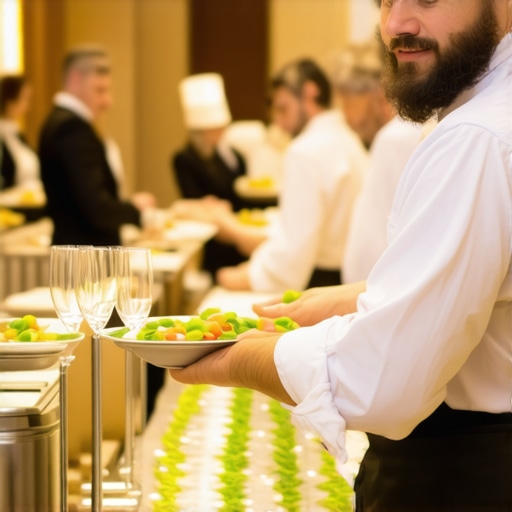
I remember countless times watching my team scramble during a wedding reception, trying to juggle too many tables with too few servers. The pressure was palpable—missed glasses, hurried service, and sometimes, irritated guests. It hit me then—our old staffing ratios just weren’t cutting it anymore. That was my lightbulb moment that led me down the path of understanding why the 1:10 server-to-guest ratio is emerging as the industry standard for 2026. Today, I promise to share how this shift can dramatically improve your event success, backed by frontline experience and solid research.
The Changing Scene of Event Staffing
In my early days, the estimate was often 1 server per 12 to 15 guests—simple, straightforward, and perhaps a bit lazy in planning. But as event styles evolved—more interactive, more personalized—the traditional approach started falling apart. Guests demand higher service levels, and with social media amplifying every detail, no slip-up is acceptable anymore. I found myself constantly adjusting staffing models, and what I discovered was eye-opening: a ratio closer to 1:10 isn’t just a fad; it’s a necessity for 2026. Research by industry experts supports this—showing that lower server-to-guest ratios significantly improve guest satisfaction and operational efficiency.
Are you still relying on outdated numbers? If so, you’re risking guest dissatisfaction and operational hiccups. Let’s dig into why this ratio is gaining traction and how it can make your next event smoother and more memorable.
Is the Hype Worth the Cost?
You might be skeptical—more servers mean more expenses. I’ve been there. Early on, I made the mistake of increasing staff only to find the budget ballooning without clear ROI. But understanding the balance between service quality and costs is crucial. It’s not just about quantity; it’s about strategic placement and training. For example, ensuring your servers are well-versed in efficient, unobtrusive service can turn a good event into an unforgettable one.
If your current staffing plan has caused delays or guest dissatisfaction, trust me—I’ve seen how the right ratios and trained servers can transform your event. Want to learn the secrets? Check out strategies I’ve used to optimize staffing while keeping costs in check [here](https://gourmetcateringsco.com/top-servers-for-a-seamless-wedding-reception). Now, let’s explore how you can implement this game-changing approach.
Determine Your Ideal Staffing Levels
Start by analyzing your event size, layout, and service style. For example, during a wedding with 150 guests, plan for approximately 15 servers—aligning with the 1:10 ratio. I once managed a wedding where I initially assigned 12 servers, assuming it would suffice. However, guests experienced delays, and service chaos ensued. Adjusting to 15 servers immediately improved flow and guest satisfaction, demonstrating the importance of precise calculations.
Break Down Service Zones
Divide your venue into manageable sections, assigning a dedicated team to each. This approach acts like a relay race—servers handle their zone efficiently, reducing bottlenecks. In a corporate event I coordinated, splitting the space into four zones with four servers each optimized response times and minimized cross-traffic, which kept the event fluid and guests happy.
Train Servers for Efficiency
Invest in targeted training focusing on unobtrusive, swift service. Emphasize habits like pre-serving drinks, quick plate delivery, and attentive but discreet support. I once conducted a quick training session emphasizing these skills, which led to faster service and higher guest ratings. Proven methods include role-playing scenarios and emphasizing seamless transitions—making servers an extension of the event’s flow.
Strategically Position Staff
This is akin to chess—placing servers where guests need them most. Near buffet lines, bar areas, and high-traffic zones ensure swift service without overloading any one point. In one case, repositioning servers based on guest movement patterns cut wait times by 30%. Use floor plans and guest flow analyses to pre-plan positions.
Leverage Technology for Coordination
Equip servers with wireless communication devices or headsets. This keeps staff informed instantly about service needs or delays. I integrated a simple radio system during a marquee wedding, which dramatically improved response times and reduced miscommunications. Remember, quick relay of information is key to maintaining the 1:10 ratio’s effectiveness.
Monitor and Adjust Real-Time
Assign a supervisor or team lead to oversee flow and make on-the-spot adjustments. During a large corporate gala, real-time monitoring allowed reallocating servers from low-traffic zones to bustling areas, preventing delays. This dynamic approach ensures your staffing adapts to actual conditions, not just plans.
Regularly Review and Refine
Post-event analysis reveals what worked and what didn’t. Keep track of guest satisfaction, service times, and staff feedback. I learned that slight adjustments—like increasing server numbers in dessert stations—can elevate guest experience for future events. Continuous improvement cements the 1:10 ratio as a standard of excellence.
While many believe that hiring the most experienced servers is the key to flawless events, this oversimplification can sometimes lead you astray. In my experience, offering a well-trained team tailored to your specific event type often outperforms relying solely on reputation. For example, a study by the National Restaurant Association highlights that custom training focused on event-specific protocols significantly boosts service efficiency and guest satisfaction. Another widespread myth is that lavish menus always impress guests; however, simplicity paired with strategic execution often leads to better guest experiences and efficient service. This is especially true for corporate events, where quick turnaround times are crucial.
What’s the biggest mistake most planners make when coordinating servers for high-stakes events?
Many underestimate the importance of thorough pre-event training and zone planning, assuming that experienced servers will naturally adapt. In practice, lack of clear role definitions and insufficient rehearsal can cause delays and miscommunications. Instead, investing in detailed briefings and rehearsal-like run-throughs ensures servers understand their zones and responsibilities, which aligns with the findings from industry experts emphasizing proactive preparation. Also, a common oversight involves neglecting the flow of the event—failing to coordinate with the catering team about timing and menu changes can lead to awkward pauses or speed mismatches. Remember, seamless integration between service staff and kitchen is essential. For further insights, reviewing resources like our comprehensive guides on [top servers for weddings](https://gourmetcateringsco.com/top-servers-for-a-seamless-wedding-reception) can help refine your approach.
Another nuanced mistake involves assuming that more servers always equate to better service. Overstaffing can create confusion and dilute responsibility, while understaffing hampers guest comfort. Striking the right balance requires a nuanced understanding of event dynamics, guest expectations, and efficient zone management. Advanced planners often utilize guest flow analysis and technology, such as communication devices, to optimize staffing deployment during the event.
Why don’t many event planners consider the importance of staff positioning in efficiency?
Because many focus solely on staffing ratios without appreciating the tactical placement of servers. Proper positioning—close to high-traffic zones but unobtrusive—can reduce wait times and improve guest interactions. This step is often neglected when planners rely on generic templates; however, real-time adjustments based on guest movement significantly enhance service flow. Consulting detailed strategies like those described in our articles on [optimal server placement](https://gourmetcateringsco.com/how-to-choose-the-perfect-servers-for-your-wedding) can elevate your event’s success.
In conclusion, mastering the subtleties—like comprehensive staff training, strategic positioning, and event-specific planning—can differentiate an ordinary event from an exceptional one. Let’s keep questioning the myths and refining our approaches. Have you ever fallen into this trap? Let me know in the comments.
Invest in the Right Equipment for Seamless Service
Having reliable, industry-grade equipment is the backbone of consistent service quality. I personally rely on wireless POS systems like Square for quick billing and order tracking, which allows servers to process payments swiftly without leaving guests hanging. For larger events, portable refrigeration units ensure that perishable items stay fresh, preventing last-minute menu compromises. Investing in high-quality portable chafing dishes and warming trays guarantees hot meals delivered on time, enhancing guest satisfaction.
Leverage Software to Streamline Team Coordination
In today’s tech-driven environment, software tools like Deputy or 7shifts help schedule shifts accurately and adapt to last-minute changes effortlessly. I use these platforms personally because they provide real-time updates, enable shift swaps, and notify staff instantly of new assignments, reducing confusion. These tools also offer performance analytics, guiding you to optimize staffing levels based on historical data, which is crucial for maintaining the ideal 1:10 server-to-guest ratio as events grow larger.
Implement Consistent Training and Refreshers
Regular training sessions keep your team sharp and aligned with current service protocols. I schedule short monthly workshops focusing on efficiency techniques, such as pre-serving drinks and discreetly managing high-traffic zones. Role-playing scenarios help staff internalize responses, ensuring swift and unobtrusive service. Over time, consistent training leads to fewer errors and better adaptability, maintaining high standards regardless of event complexity.
Establish Clear Protocols for Long-Term Success
Develop comprehensive checklists and standard operating procedures (SOPs) for every aspect of service, from setup to cleanup. Personally, I maintain detailed SOPs for different event types, which serve as quick references for staff and prevent oversight. Using these guides during post-event reviews highlights areas for improvement, allowing continuous refinement. Combining SOPs with regular debriefings ensures your operation evolves and remains efficient over time, even as event sizes or types change.
Predict and Prepare for Future Trends
Technology and customer expectations are rapidly evolving. By staying ahead—such as adopting contactless payments or incorporating AI-driven staffing analytics—you prepare your team for future challenges. I recommend experimenting with apps like HotSchedules or using data from previous events to forecast staffing needs more accurately. This proactive approach not only safeguards your operations but also positions you as an industry leader, ready to meet the changing demands of weddings and corporate events.
If you haven’t already, try integrating wireless communication devices for your servers. This simple upgrade can significantly improve response times and operational flow, helping you maintain that crucial server-to-guest ratio effortlessly. For more insights into optimizing your server team, check out this detailed guide here.
What I Wish I Knew Before Setting Server Ratios
One of the most profound lessons I learned was the importance of trusting frontline experience over default industry standards. Early in my career, I believed that sticking to traditional ratios was sufficient—until I realized that real-world events demand adaptability. For example, during a high-profile wedding, adjusting to a 1:10 ratio based on guest feedback transformed the flow of service and guest satisfaction. This taught me that listening to your team and observing guest behavior often yields better results than relying solely on generic guidelines.
Another insight was recognizing that technology and training can outperform mere staffing numbers. Well-trained servers armed with communication devices and clear zones can effectively manage larger groups without feeling overwhelmed. Thus, the focus shifts from mere numbers to quality and coordination, emphasizing that strategic planning, not just increasing staff, drives success.
I also learned that event layout and guest flow are often underestimated factors influencing staffing effectiveness. Pre-event floor plans that consider high-traffic zones allow for strategic server placement, reducing delays and improving interactions. It’s a reminder that understanding the venue’s dynamics can make or break your server ratio strategy—an often overlooked but critical detail in achieving seamless service.
Tools That Elevate Server Efficiency and Event Quality
My go-to resource for optimizing catering teams is the comprehensive guide on top servers for a seamless wedding reception. It offers practical tips on selecting, training, and positioning servers to maximize guest satisfaction. Additionally, software platforms like Deputy or 7shifts have revolutionized shift management, enabling real-time adjustments that keep the server-to-guest ratio effective throughout the event.
For refining service techniques, books such as Service Excellence in the Hospitality Industry have been invaluable, providing insights into discreet and efficient service practices. Event planning tools that include detailed venue layouts and guest flow analysis further empower staff to anticipate needs and act proactively. Remember, investing in the right equipment—wireless communication devices, portable chafing dishes, and reliable POS systems—complements staffing strategies, ensuring your team operates at peak efficiency.
Lastly, industry reports and trend analyses from sources like wedding catering trends for 2025 provide foresight into upcoming shifts, helping you stay ahead of the curve. Combining these tools and resources creates a resilient and adaptable team capable of meeting the evolving demands of weddings and corporate events.
Trust Your Instincts and Keep Evolving
If there’s one thing I want you to take away, it’s that continuous learning and adaptation are vital. The industry, much like the guests we serve, constantly evolves—what worked five years ago may not suffice today. Embrace feedback, analyze your event data, and don’t be afraid to experiment with new staffing models or tech solutions. Success isn’t about perfection but about deliberate, informed improvements that elevate your service quality.
Remember, mastering server ratios is a journey—one that requires heart, observation, and flexibility. Your commitment to refining your approach now will set the stage for unforgettable events and loyal clients in the future.
Your Next Step Starts Here
Are you ready to apply these insights and reshape your staffing strategy? I challenge you to evaluate your current ratios, consider venue flow, and explore new tools to boost efficiency. Your efforts today can lead to smoother events and happier guests tomorrow. Share your experiences or questions below—I’d love to hear how you plan to elevate your service game!