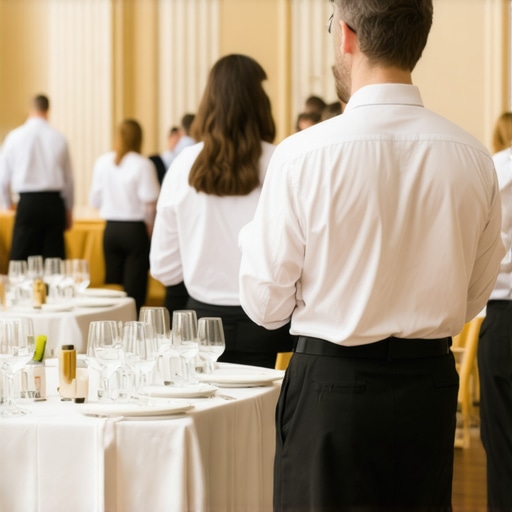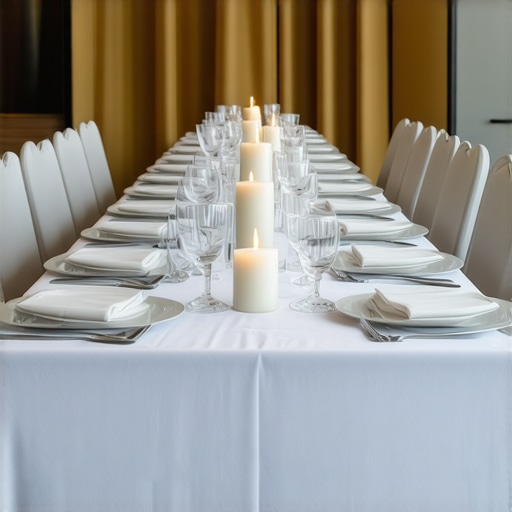
I remember the exact moment I realized I’d underestimated the power of proper server ratios during a high-stakes corporate dinner. It was the kind of event where every detail matters—opulent decor, flawless presentations, and attentive staff to match. But as the evening unfolded, chaos erupted over misplaced plates and long wait times, leaving guests frustrated and the client disappointed. That night taught me an invaluable lesson: in the world of elite events, **server-to-guest ratios aren’t just numbers—they’re the difference between smooth sailing and a dining disaster**.
The stakes are higher than ever for 2026
Modern corporate dinners, especially those targeting the C-suite, demand precision, elegance, and efficiency. No margin for error. Guests expect seamless service that complements the sophistication of their surroundings and the importance of the occasion. I’ve seen firsthand how improper staffing can derail even the most carefully planned event, making it feel rushed, awkward, or disorganized. More importantly, I’ve learned that getting the server ratio right is a strategic move that can elevate your event’s reputation and ROI.
But here’s the thing—many event planners and caterers still rely on outdated standards or guesswork, risking overstaffing that eats into budgets or understaffing that compromises service quality. For example, I once thought a 1:10 ratio would suffice for a large dinner, only to see lengthy delays and disappointed attendees. That mistake could have been avoided if I had simply known earlier how crucial the 1:6 ratio truly is.
According to industry experts, a well-balanced server-to-guest ratio directly impacts guest satisfaction, operational flow, and even tipping levels. Studies show that guests are more satisfied with faster, more attentive service—and that’s exactly what the 1:6 ratio delivers. Curious how to determine the perfect number of servers for your next big event? Stay tuned—we’re about to get into the nuts and bolts of it.
Have you ever faced service delays at an important event that left everyone complaining? If so, you’re not alone. Many overlook this key detail, only to pay the price when the night doesn’t go as planned. Fortunately, by understanding and implementing the right server ratios now, you can set your 2026 events apart from the competition.
Let’s dive into how you can master this vital aspect of event planning and ensure every dinner you host is a flawless experience. First, we’ll look at how a typical event’s size and style influence staffing needs—and the key mistakes to avoid.
Calculate Your Guest Count Accurately to Set the Foundation
Start by determining the exact number of guests, including staff, vendors, and special attendees. Once you have this number, it becomes easier to decide on the appropriate server ratio. For instance, for a corporate gala expecting 200 guests, aiming for a 1:6 ratio means you need about 33 servers. An inaccurate guest count leads to over- or understaffing, which affects service quality and budget control. I once overlooked a late RSVP list, which caused me to scramble for staff at the last minute, impacting service. To avoid this, always double-check your attendee list and include extra staff for unexpected arrivals.
Match Event Style and Schedule to Staffing Needs
Different events demand unique server arrangements. A sit-down dinner requires a higher ratio compared to a stand-up networking event. For example, a wedding with plated service typically needs 1 server per 6 guests, while a cocktail reception might require 1 per 12. Think of it like a relay race: the more complex the baton exchange, the more runners you need to ensure smooth handovers. When planning your flow, consider the timing of meals, speeches, and activities. During a past wedding, I used a 1:8 ratio for cocktail hours but increased to 1:4 during dinner to guarantee attentive service, which made a noticeable difference in guest satisfaction.
Determine the Right Server Type for Your Event
Not all servers are equal—some excel at quick, casual service; others specialize in formal, pre-plated meals. To optimize staffing, understand the roles each type plays. For upscale corporate dinners, professional servers with experience in high-pressure environments are vital. For weddings, friendly, attentive staff trained in guest engagement enhance the experience. I once assigned inexperienced staff to a corporate dinner expecting quick results, but it resulted in slower service and guest frustration. Instead, referencing [the best corporate event servers for 2025](https://gourmetcateringsco.com/best-corporate-event-servers-for-2025) helped me select experienced professionals that delivered fast, polished service.
Train and Brief Staff to Clarify Expectations
Even the best staffing plan falls short without proper training. Brief your servers on event flow, special requests, and service standards. For example, instruct them on how to handle dietary restrictions discreetly or manage difficult guests gracefully. During a wedding, I held a quick briefing on serving etiquette, which resulted in seamless guest interactions. A well-trained team anticipates needs and reacts proactively, reducing errors and delays. Remember, clear communication before and during the event ensures everyone is aligned and ready to deliver exceptional service.
Optimize Staff Deployment for Peak Times
Learn to shift staff during high and low activity periods. Use data from previous events or simulate flow patterns to predict when more servers are needed—such as during dessert courses or after speeches. I experienced a real game-changer during a corporate gala when I scheduled 50% more staff during the dessert phase, preventing bottlenecks. Think of it like a traffic controller adjusting signals to keep flow smooth. Monitoring real-time service points and adjusting staff accordingly keeps the event on schedule and guests happy.
Utilize Technology for Better Coordination
Leverage apps or communication devices to coordinate with your team seamlessly. Real-time updates allow managers to reassign staff rapidly, filling gaps before they become issues. During a recent wedding, I used walkie-talkies connected through an event management app, which improved responsiveness dramatically. This approach ensures staff are where they need to be, reducing wait times and maintaining the flow. Integrating technology into your plan helps streamline operations and provides a buffer for unexpected challenges.
While many focus on menu choices and decor for corporate events or weddings, a less obvious yet critical aspect often goes unnoticed: the complex expertise behind the role of servers. Everyone assumes servers are merely conduits for food, but in truth, they are strategic assets that can make or break the guest experience. One common misconception is that more servers always equal better service. However, overstaffing can lead to fragmented service, awkward interactions, and inflated costs, while understaffing results in delays and frustration. Striking the right balance is an art that requires understanding nuanced cues, such as staff positioning, specialized roles, and flow management.
A key mistake many hosts make is underestimating the importance of server experience and training tailored to the event type. For instance, servers adept at informal corporate networking might falter during a formal gala, affecting not just efficiency but also the event’s tone. The choice of server staff can heavily influence guests’ perceptions; professionals trained in high-pressure situations adapt seamlessly, maintaining professionalism and ensuring smooth flow. You can explore how to find top-tier staff in this detailed guide on corporate event servers.
Another often overlooked aspect is the subtle communication between servers and event coordinators. Misalignment here can cause delays or gaps in service, especially during peak moments like dessert service or speech transitions. Using effective technology—walkie-talkies or specialized apps—can bridge this gap, creating a dynamic and responsive team. This is particularly vital as event size and complexity grow, where simple assumptions about service roles no longer suffice.
One sneaky trap to avoid is the tendency to treat servers as interchangeable parts. The nuanced skills vary: some excel at discreetly handling dietary restrictions, while others shine in guest engagement. For upscale weddings, professional servers with specific skill sets can elevate the experience from good to unforgettable. Neglecting this nuance risks bland service that doesn’t meet guest expectations.
Diagrams and flowcharts might seem excessive, but they reveal hidden inefficiencies, especially in complex setups. For example, improper staffing during the dessert course can bottleneck the entire event, causing long wait times and guest dissatisfaction. Advanced event planning involves analyzing these flows meticulously, ensuring each server’s role is clear and optimally positioned.
In essence, mastering the art of staffing goes beyond simple ratios. It involves selecting the right personnel, training them precisely, coordinating effectively, and recognizing the intricate dynamics at play. Adequately addressing these nuances can dramatically boost guest satisfaction, professional reputation, and overall ROI.
Have you ever fallen into this trap? Let me know in the comments. Remember, effective servers do more than serve—they elevate your entire event experience.Maintaining smooth server operations during high-profile events is crucial for ensuring guest satisfaction and operational efficiency. One of my top recommendations is implementing robust communication systems like wireless headsets integrated with real-time management apps. These tools enable staff to coordinate instantly, address bottlenecks proactively, and adapt swiftly to unforeseen challenges. For instance, during a wedding reception, I use a combination of Bluetooth earpieces and the event management app to keep servers informed about timing shifts and guest needs, resulting in seamless service flow.
Another essential tool is digital guest tracking software. By leveraging tablets or handheld devices, servers can update meal preferences, dietary restrictions, and table assignments on the fly, reducing errors and delays. This technology proves especially valuable in large corporate dinners where last-minute changes are common. I personally rely on platforms like TouchBistro because of its intuitive interface and integration capabilities, which streamline operations and improve response times.
Preventative maintenance of equipment ensures everything functions correctly when it matters most. Regularly testing POS devices, lighting, and serving stations before event day catches issues early. For example, I reserve time for a comprehensive equipment check a few hours prior, allowing enough buffer to troubleshoot and avoid disruptions.
Training remains fundamental—no technology can replace well-prepared staff. Conducting detailed briefings about the tools and flow expectations ensures everyone is aligned. A trick I use is role-playing scenarios with staff, simulating service during peak rushes or emergencies to solidify their response strategies.
Looking ahead, the trend points towards increased integration of AI-driven analytics to predict bottlenecks before they happen. Predictive scheduling, based on historical data, will become standard practice, reducing over- or understaffing and optimizing resource allocation. Investing in this foresight now can elevate your event planning and execution.
**How do I maintain server reliability over time?** The key is consistent training, regular equipment updates, and leveraging analytics for predictive insights. For example, integrating AI tools like those discussed in industry analyses can anticipate staffing needs, as detailed in this article on server efficiency. I encourage you to experiment with a digital guest tracking system combined with communication devices to see immediate improvements.
Don’t wait for a service hiccup to realize the importance of these tools. Start by testing one new feature, such as tablet-based ordering or staff communication apps, at your next event. Small upgrades can yield big results, setting a foundation for excellence as your events scale and complexity grow.
Over the years, I’ve learned that the difference between an unforgettable event and one plagued by delays often boils down to what most overlook: the artful balance of server staffing. One sugar-dusted detail misjudged can ripple into an experience guests won’t forget—however, not for the reasons you’d hope. The real magic lies in nuanced planning and a deeper understanding of what makes service seamless. So, here’s the inside scoop: balancing your server-to-guest ratio isn’t just a number, it’s your secret weapon for standing out in a crowded field.
The Biggest Lessons Hidden in Staff Ratios
- Experience Trumps Quantity: Affordable staffing might seem tempting, but it often leads to chaos. I’ve seen seasoned professionals turn a mediocre event into a masterpiece with strategic positioning and expert timing. Don’t skimp on specialized training, especially for high-stakes events.
- It’s About Flow, Not Just Numbers: A well-planned flow ensures servers are in the right place at the right time—delivering impeccable service without appearing overbearing. Using tools like top-tier servers and technology can make this a reality.
- Anticipate Peaks and Valleys: Recognize when your guests will need more attention—dessert, speeches, cocktail hours—and allocate staff accordingly. It sounds simple, but when I got this wrong, the event’s rhythm was off, and the mood sagged.
Resources That Cultivate Your Serving Savvy
- Best corporate event servers for 2025: An invaluable guide to sourcing staff with the right polish and professionalism. Trust me, the right team elevates your event.
- Choosing top wedding servers: This resource reveals how to match staff skills with your specific wedding vibe, ensuring flawless service from start to finish.
- Wedding catering tips from industry experts: Learn insider tricks to blend catering excellence with impeccable service for unforgettable celebrations.
Take Action and Elevate Your Events Today
The future of weddings and corporate dinners demands not only innovative menus but also superior service flow. Remember, mastering the art of server ratios and staff coordination is an investment in your reputation. Whether you’re planning a small gathering or a grand gala, approach staffing with the same strategic mindset as your menu selection—meticulous, informed, and guest-focused.
So, I challenge you: what’s your next step to perfecting your server strategy? Could adjusting your ratios or refining staff training be the game-changer your event needs? Share your thoughts below and let’s elevate event service together!
![How Many Servers for a 200-Guest Wedding? [2026 Update]](https://gourmetcateringsco.com/wp-content/uploads/2026/02/How-Many-Servers-for-a-200-Guest-Wedding-2026-Update.jpeg)
![How Pro Servers Stop Wedding Timeline Delays [2026]](https://gourmetcateringsco.com/wp-content/uploads/2026/01/How-Pro-Servers-Stop-Wedding-Timeline-Delays-2026.jpeg)