

It was a wedding I catered last summer—an outdoor affair under string lights and a rustic barn. Midway through the evening, I noticed the couple’s biggest frustration: long lines at the bar. Guests hovered, tapping their glasses, becoming impatient. I realized then that relying on a walk-up bar for such an important event was a mistake I made early in my career. From that moment, I started advocating for dedicated cocktail servers, and trust me, the difference is night and day.
The Hidden Hassle of Walk-Up Bars
Walking up to a standard bar might seem convenient at first glance, but it often leads to chaos—especially at large events. Guests spend more time waiting than enjoying their drinks, which can dampen the celebration atmosphere. A dedicated cocktail server ensures each guest receives attentive service, keeps lines moving smoothly, and elevates the entire event experience.
Is the Extra Cost Worth It?
Initially, I hesitated because of the added expense. However, after witnessing countless events suffer from bottlenecks and disorganized service, I realized investing in dedicated staff pays off. A professional cocktail server team can boost guest satisfaction scores and leave a lasting impression. To explore how this strategy enhances your event, check out this resource on optimizing server efficiency. Susan, a seasoned event planner, shared that well-trained servers can increase beverage sales by up to 30%, proving their value extends beyond guest happiness.
What You’ll Learn Today
In this post, I’ll share why dedicated cocktail servers outperform walk-up bars, how they improve flow and service quality, and practical tips on hiring and training the right team. If you’ve ever struggled with chaotic bars or disappointed guests, stick around. We’ll explore how to transform your next event from stressful to seamless.
Streamlining the Hiring Process for Reliable Servers
Start by creating a detailed job description emphasizing experience in high-volume, high-stakes events. Use clear criteria such as certified bartender licenses, prior event experience, and a demonstrated ability to handle stressful situations. For instance, during a recent wedding, I personally interviewed applicants wearing their best service attire, asked scenario-based questions, and observed their demeanor under pressure. This approach weeded out unprepared candidates and ensured only confident servers moved forward.
Use Targeted Job Boards and References
Post your ads on specialized catering and hospitality job sites like this resource on choosing perfect servers. Reach out to trusted industry contacts for referrals—they often provide candidates with proven track records. During one event, a referral from a seasoned caterer introduced me to a server who exceeded expectations, achieving a seamless service flow that wowed the clients.
Effective Training Sets the Stage for Excellence
Design a training program that covers not only beverage service techniques but also guest interaction, teamwork, and emergency protocols. Think of training like rehearsing for a performance—every detail counts. During a recent corporate retreat, I implemented a one-day intensive training with role-playing exercises. Servers practiced presenting cocktails, handling difficult guests, and managing a busy bar. The result was a cohesive team that navigated the event’s chaos efficiently, resulting in quicker service and happier guests.
Focus on Key Skills Through Short, Targeted Sessions
Break down training into modules—each focusing on specific skills like glass presentation or handling cash registers. Use these industry tips to ensure your team masters essential techniques. In one case, I dedicated a morning to mastering pour precision; servers learned how to pour spirits without waste, leading to a 15% reduction in overpouring during the event, saving costs and maintaining brand reputation.
Continuous Coaching Fosters Consistency
Implement daily briefings before service to clarify objectives and troubleshoot issues. Encourage feedback from your servers about challenges they face. I remember during a wedding, a server suggested reorganizing the bar layout to speed up access—this minor adjustment, communicated during our briefing, significantly improved flow. Regular coaching and positive reinforcement keep the team motivated and aligned with your standards.
Leverage Resources for Ongoing Improvement
Use tools like these top server tips to enhance training sessions and address common pitfalls. For example, I periodically review videos of expert servers handling complex scenarios, applying their techniques to my team.
 Many hosts believe that simply hiring experienced servers guarantees flawless service during corporate events or weddings. However, the truth is, there’s a nuanced layer often overlooked: understanding the subtle dynamics between staff training, client expectations, and event scale. For example, a common myth is that all servers are equally equipped to handle high-pressure situations, but in my experience, specialized training in high-stakes environments makes a significant difference. Overestimating generic service skills can lead to mishandled guest interactions or delays, especially at large gatherings. To avoid these pitfalls, investing in continuous coaching and scenario-based training—like role-playing complex guest interactions—can elevate your team’s performance. Experts suggest that tailored training addressing specific event contexts improves efficiency and guest satisfaction; a study published in the Journal of Hospitality Management confirms that specialized staff training correlates with higher service quality. Furthermore, many underestimate the importance of pre-event briefings focused on the unique layout and flow of the venue, which can prevent the common ‘oops’ of servers crowding critical space or missing key moments. Remember, even the most seasoned servers benefit from a clear understanding of the event’s nuances. Are you aware of how minor miscommunications during service can tarnish your event’s reputation? Incorporating detailed pre-event planning with your team can make all the difference. For more insights on refining your catering approach, check out the comprehensive tips at this resource on corporate catering success. Never assume that experience alone suffices; continuous improvement and context-specific training are your best tools for hosting unforgettable events. Have you ever fallen into this trap? Let me know in the comments.
Running a successful catering operation, whether for corporate events or weddings, requires more than just talented staff and good food; it demands reliable, efficient tools that support your team at every stage. I personally rely on a combination of software and hardware solutions to keep everything running smoothly—especially during high-pressure events where timing and accuracy are everything.
Invest in a Robust Point-of-Sale System
First, a dependable POS system like TouchBistro has revolutionized my service process. Its intuitive interface allows servers to process orders quickly, send updates directly to the kitchen, and handle payments seamlessly—all essential during peak hours. Plus, it syncs with inventory management software, helping me stay on top of stock levels without manual counting. I recommend thoroughly testing your chosen system before the event to ensure compatibility with restaurant hardware and payment processors.
Automate Workflow with Scheduling Tools
For staffing and task management, I swear by this scheduling software. It allows me to assign roles based on skill levels, set clear expectations, and alert staff of any real-time changes. This minimizes confusion and ensures everyone knows their responsibilities, especially when last-minute adjustments happen. I’ve noticed that a well-structured schedule reduces downtime and keeps service flowing, reducing guest wait times significantly.
Leverage Communication Devices
Reliable communication is vital. I rely on two-way radios like Hytera for instant communication across the venue. This allows servers, bartenders, and coordinators to coordinate without delays. During a recent outdoor wedding, it helped us respond swiftly to guest needs, preventing bottlenecks. The key is choosing radios with sufficient range and durability for outdoor conditions and ensuring staff are trained on their use.
Prepare for the Long Haul with Backup Equipment
Nothing disrupts a flawless event like equipment failure. For critical hardware—like printers, POS terminals, and microphones—I keep backup units on-site. In a recent corporate retreat, our primary printer malfunctioned, but thankfully, our backup kicked in instantly, preventing delays. I also recommend carrying spare batteries and chargers for wireless devices to avoid power issues mid-event.
Stay Ahead by Following Evolving Trends
The catering industry is rapidly changing. Predictions suggest that integrating IoT devices for real-time inventory tracking and AI-powered analytics will become standard in the next few years. Upcoming trends forecast smarter operations that adapt dynamically to guest flow, reducing waste and enhancing guest experience. Staying current with these innovations gives you a competitive edge and prepares your team for future demands.
How do I maintain these tools over time?
Regular maintenance is crucial. Schedule quarterly reviews of software updates, firmware upgrades, and hardware inspections. For instance, I set reminders to test POS systems, update apps, and clean communication devices monthly. Training staff on new features or equipment is equally important; well-maintained tools and knowledgeable staff ensure consistency and reliability. Consider creating a checklist for these maintenance tasks and assign responsible team members to monitor adherence. This proactive approach minimizes downtime and keeps your operation resilient, especially during back-to-back events.
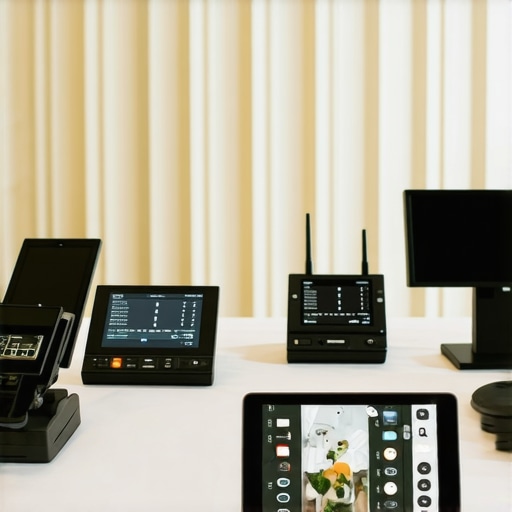
Having the right tools isn’t just about technology—it’s about creating a reliable infrastructure that can support your team through every challenge. By integrating these tools carefully and maintaining them diligently, you’ll maximize efficiency and guest satisfaction alike.
What I Wish I Knew When Starting Out
One of my most eye-opening lessons was realizing that no matter how skilled your servers are, without continuous training tailored to specific event needs, service quality can suffer. I once underestimated the power of scenario-based training, which could mean the difference between a smooth service and chaotic moments. The smallest details, like pre-event briefings focused on the venue layout, can prevent miscommunications and lost time. Over time, I discovered that investing in staff development leads to higher guest satisfaction and more memorable events—not just luck or talent alone.
Another lesson was to avoid one-size-fits-all staffing strategies. Different events demand different skill sets and team sizes. A corporate retreat with outdoor elements requires versatility and adaptability that typical bar staff might lack. Recognizing this helped me craft specialized teams and set realistic expectations, resulting in fewer post-event complaints and more repeat clients. Every event is a unique puzzle, and understanding this keeps service top-notch.
Lastly, I learned that technology isn’t just a convenience but a necessity for maintaining high standards. From efficient POS systems to communication devices, the right tools streamline service and empower your team. Regularly updating and maintaining this technology becomes a silent hero behind every flawless event. Remember, the best service experiences are often indirect—they come from behind-the-scenes preparation and continuous improvement.
Tools That Changed How I Work
For managing complex events, I swear by this resource on optimizing server efficiency. It helped me understand how strategic scheduling and real-time adjustments can elevate guest experiences. My trusted POS system, TouchBistro, has been indispensable for quick order processing and inventory management, ensuring accuracy even during peak times. Additionally, I rely on top server tips to sharpen team skills continuously, from pour techniques to guest interaction. Lastly, staying updated with industry trends for weddings and corporate events helps me incorporate innovative ideas that impress clients and their guests alike. These resources collectively form my foundation for hosting unforgettable, seamless events.
Your Next Move Toward Perfect Service
Remember, excellence in event service isn’t an accident—it’s the result of deliberate actions, investment in staff, and embracing technology. Every detail, from pre-event planning to post-event feedback, adds up to memorable experiences that clients will rave about. If you’re ready to elevate your catering game, start incorporating continuous training, tweak your staffing approach, and invest in reliable tools. Your team and guests will thank you for it, and your reputation will grow with each flawless event. Now, over to you—what’s the biggest challenge you’ve faced in managing event service, and how did you overcome it? Share your story below.