

It was a scorching summer afternoon when I watched a bride’s mom fan herself frantically, trying to keep her cool amidst the heat that seemed to seep into every corner of the outdoor wedding venue. The air was thick, guests were desperately seeking shade, and many began to devour their drinks way too quickly, leaving the bar overwhelmed and the bride visibly anxious about her perfect day turning into a sweaty ordeal. That moment hit me like a lightning bolt: I realized so many weddings overlook the simplest comfort—hydration. And trust me, falling into that trap can turn what should be a joyous celebration into a frantic scramble for solutions. Today, I want to talk about a game-changer that I’ve seen save countless summer weddings: a dedicated water station at the entrance.
The Power of a Water Station and Why It Matters
A water station isn’t just a tray of bottled water handed out by the staff. It’s a thoughtfully designed refreshment hub that offers guests immediate access to hydration, especially during those blazing summer months. Not only does it prevent dehydration and heat exhaustion, but it also sets a welcoming tone, showing your guests that their comfort is a priority from the moment they arrive. I’ve been on plenty of catering teams where a lack of hydration options made everyone miserable—waitstaff included—and it definitely impacts the overall flow of service. Incorporating a water station can be as simple as a beautifully styled table with pitchers, glasses, and some fresh fruit or herbs to make it inviting.
From my early days in event planning, one mistake I made was assuming that bottled water was enough. Spoiler alert: it’s not. Guests need easy access, and a water station encourages them to hydrate at their own pace — reducing the chaos at the bar and during the toast. Plus, in warm weather, sweating guests naturally gravitate toward a hydration spot, which keeps the entire event feeling breezier and more comfortable. If you’re curious about optimizing other aspects of your wedding catering, check out [this guide](https://gourmetcateringsco.com/planning-the-ultimate-wedding-reception-meal) for expert tips.
Have you ever been to a summer wedding where the heat caught everyone off guard? Did your guests struggle with hydration or did you manage to keep everyone cool and comfortable? These moments are all too common, but the good news is, they’re easily preventable. Next, we’ll explore how to set up an effective water station that becomes a natural part of your event rather than an afterthought—because the last thing you want is to see guests battling the elements when they should be celebrating your love story.
Design a Welcoming Setup
Start by selecting a central, easily accessible location at the entrance, similar to a bakery display that invites guests to indulge. Use a sturdy table covered with a clean, elegant tablecloth matching your wedding theme. Arrange clear glass pitchers filled with water infused with slices of citrus, berries, or fresh herbs (like mint or basil) to make it visually appealing and encourage guests to hydrate. Incorporate signage with friendly messages like “Stay Refreshed” or “Hydration Station” to guide guests naturally.
Prepare with Quality Supplies
Ensure you have enough pitchers—plan for at least one per 20 guests—and a generous supply of clean glasses or reusable cups. Invest in pitchers with spouts for easy pouring, reducing spills and chaos during peak times. Keep spare glasses nearby in case of breakage. Stock the station with extra slices of fruit and fresh herbs for refilling and aesthetic updates. Think of this as the fueling station for a race; supplies need to be plentiful and organized for efficiency.
Streamline the Pouring Process
Assign a dedicated staff member or a reliable volunteer to oversee the station. Equip them with a tray of clean glasses, a small towel for spills, and a list of refills or troubleshooting hints. Position the staff member slightly behind the table to avoid blocking guest flow but close enough to offer assistance quickly. Their role is to ensure glasses are filled, water is fresh, and the display remains inviting—like a pit crew keeping a race car in top condition.
Incorporate Visual and Sensory Cues
Add fresh flowers, small greenery arrangements, or decorative baubles to the table for visual appeal. Subtle lighting, such as small fairy lights or candles (if appropriate), can create a warm, welcoming ambiance. Consider using a tray or tiered display for variety and easy access. These details not only draw guests in but also make the hydration station an integrated part of your wedding aesthetic, akin to a well-designed buffet that entices guests to indulge.
Communicate and Promote Hydration
While not overly obvious, gently encourage guests to hydrate through your signage or by the staff’s friendly attitude. During welcome speeches or informal mingling, make light references: “Don’t forget to stay cool and hydrated!” This approach naturally guides guests without disruption.
Maintain and Replenish Regularly
Throughout the event, monitor the station frequently, especially during breaks in activities like dancing or photo sessions. Refresh the water and replace any empty glasses promptly to keep the station inviting. Think of it as maintaining a garden: consistent care ensures it remains vibrant and appealing all day.
In my experience, establishing such a station can be a bit chaotic at first—glasses spilling and supplies running low during peak times—but with vigilant planning and a dedicated helper, it becomes a seamless part of the celebration. This setup not only satisfies guests’ immediate needs but also elevates their experience, making your summer wedding memorable for both comfort and style. To further refine your catering plans, check out this guide for expert tips on designing a wedding menu.Many assume that executing a flawless event simply boils down to good planning and appealing decor. However, as an industry expert, I’ve seen overlooked nuances that can make or break the experience. One widespread myth is that team members are interchangeable; in reality, specialized server training and understanding event dynamics significantly elevate service quality. For instance, servers trained with techniques from top server tips can handle high-pressure situations gracefully, ensuring guest satisfaction. A common trap is neglecting the subtle cues of server fatigue or distraction, which often go unnoticed but greatly impact flow and hospitality. Recognizing these can prevent mishaps, like cold food or missed guest requests.
Another misconception is that larger staff always equals better service. In fact, overstaffing can cause chaos and reduce efficiency, especially if roles aren’t clearly defined. The specialist knowledge of the best servers for weddings advocates for quality over quantity, emphasizing the importance of experienced personnel who understand event choreography. One advanced mistake I’ve seen is assuming menu complexity is irrelevant. Sophisticated events demand detailed coordination among kitchen, servers, and coordinators, with attention to timing and guest flow. Misjudging this can cause delays and dissatisfaction.
What Do Fine-Dining Tricks Mean for Casual Events?
Experts suggest that applying fine-dining etiquette, like pre-plated servings and timed courses, can be adapted for more relaxed gatherings to enhance perceived quality. It’s not about formality but about strategic presentation and timing that respect guest experience. For example, consistent replenishment of beverages by trained servers ensures everyone feels attended without interrupting the flow of conversation.
Furthermore, understanding the importance of branding and thematic consistency in catering setups can elevate an event from good to memorable. Details like customized napkins or themed serving ware reinforce your event’s unique identity, as discussed in unforgettable catering ideas.
Beware of the subtle trap of underestimating logistical planning—thinking that just having good food is enough. Event success hinges on comprehensive coordination, including proper server placement, timing, and guest engagement strategies. As outlined in this guide, meticulous logistics can turn an ordinary event into an extraordinary experience.
Have you ever fallen into this trap? Let me know in the comments. Remember, mastering these hidden nuances distinguishes a memorable event from an average one—because details truly matter.When it comes to executing impeccable events, keeping everything running smoothly over time hinges on the right tools and meticulous maintenance routines. One indispensable asset I rely on is the use of portable warming trays and chafing dishes, which ensure food quality during service and prevent temperature drops that can compromise guest experience. I personally prefer electric units with adjustable thermostats, like the Cambro Camtemp series, because they offer reliable temperature control and easy cleanup, aligning with my commitment to efficiency and professionalism. Additionally, investing in high-quality, reusable dishware and cutlery made from durable materials reduces waste and consistently elevates presentation, which is crucial for maintaining an upscale aesthetic for corporate or wedding events.
How do I keep my service tools in peak condition over time?
Regular inspection and maintenance are vital. For kitchen equipment, scheduling weekly checks for electrical safety and cleaning ensures longevity and performance. I set calendar reminders to descale coffee brewers and deep clean fryers, preventing buildup that can lead to breakdowns. For serviceware, I recommend rinsing and drying immediately after use to avoid stain buildup and damage. Implementing a standardized checklist, like those recommended in their guide, helps staff stay vigilant about upkeep and promptly address small issues before they escalate. Using barcode labels or color-code systems for equipment also streamlines inventory management and reduces the risk of mismatched or lost items, which can threaten service continuity.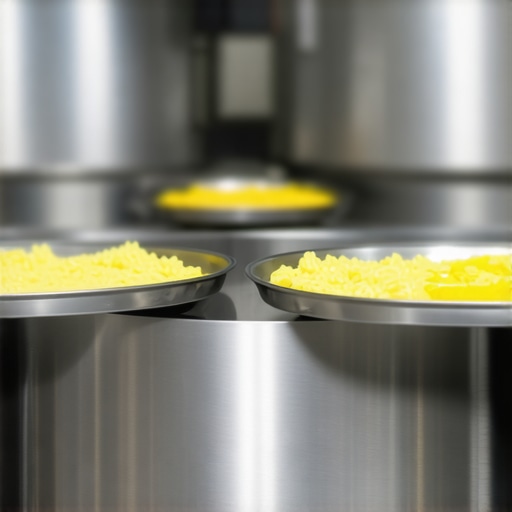
Looking ahead, I believe technology will play a larger role, with IoT-enabled devices offering real-time diagnostics and maintenance alerts—imagine a chafing dish that signals when it needs cleaning or repairs, preventing service disruptions. Adopting predictive maintenance tools not only extends equipment life but also enhances overall efficiency. I highly recommend trying a smart-pronged maintenance approach, combining traditional routines with these innovative solutions, to keep your service smooth regardless of event scale. For deeper insights into logistics optimization, see this resource. Remember, consistent care today ensures flawless service tomorrow—so start implementing routine checks now to prepare for your next big event.During my years in the wedding catering industry, I’ve uncovered that the smallest, often overlooked details can be the difference between an ordinary event and a truly memorable one. One of my most profound lessons was realizing that impeccable service isn’t just about techniques; it’s about anticipating guests’ needs before they even vocalize them. Recognizing the importance of hydration during summer events taught me that a well-designed water station can dramatically improve guest comfort and overall experience. This insight has shaped my approach, emphasizing thoughtful planning and intentional touches that reflect care and professionalism, transforming ordinary catering into an artful craft that guests remember long after the celebration ends. As I continue to grow and adapt in this vibrant industry, one truth remains clear: attention to detail, no matter how small, creates lasting impressions and elevates every wedding I have the privilege to serve.