

I remember the first wedding I catered where the gluten-free dessert was an afterthought—just a small, bland muffin tucked away on a side table. It looked out of place, almost like an apology rather than a thoughtful choice. That moment hit me hard. It was a lightbulb moment: if we’re going to offer gluten-free options, they need to shine just as brightly as everything else on the menu.
In the world of events—whether it’s a wedding, corporate gathering, or big celebration—food presentation speaks volumes. When gluten-free items look like an afterthought, it sends a message that guests with dietary needs aren’t valued. But here’s the truth: thoughtfully crafted gluten-free options elevate the entire experience and show genuine care.
Creating Inclusive & Elegant Dining Experiences
Many hosts and caterers overlook the importance of presentation and quality for gluten-free dishes. This mistake isn’t just about aesthetics; it’s about respect and inclusivity. According to a study published in the Journal of Food & Nutrition Research, guests are more likely to feel valued and comfortable when their dietary needs are thoughtfully accommodated, especially in high-stakes settings like weddings and corporate events.
If you’ve ever faced the embarrassment of serving a lackluster gluten-free dish that failed to impress, you’re not alone. Early in my career, I made the mistake of thinking that gluten-free options could be simple and uninspired, assuming guests would be just happy to have something. That was a rookie move. Over time, I learned that presentation, flavor, and consistency are just as crucial for these dishes as they are for the main courses. Want to impress your guests? Start by redefining how you approach gluten-free offerings.
To get started, I recommend exploring some groundbreaking ideas in catering. For example, discovering company trends like innovative wedding themes that wow guests in 2025 can inspire your presentation style and menu choices. Think beyond the usual: fresh, vibrant ingredients, beautiful plating, and options that rival their traditional counterparts.
Stay tuned, because the key to seamlessly integrating beautiful, delicious gluten-free options into your catering isn’t just about the food—it’s about thoughtful execution and attention to detail. Ready to learn more? Let’s dive into how you can elevate every dish and impress every guest, regardless of their dietary needs.
Plan with Precision and Purpose
Start by designing a dedicated gluten-free menu that complements your main offerings. Select visually appealing dishes that can be prepared in advance, ensuring they maintain freshness and presentation. Use seasonal, vibrant ingredients to enhance flavor and aesthetics. I once prepared a gluten-free mediterranean platter for a wedding, meticulously choosing colorful vegetables and herbs, which not only looked stunning but also impressed guests with its freshness.
Source Quality Ingredients and Equipment
Choose suppliers known for reliable, high-quality gluten-free ingredients to avoid cross-contamination. Invest in separate utensils, cutting boards, and storage for gluten-free items to maintain purity. During a corporate event, I used labeled containers and utensils exclusively for gluten-free dishes, which prevented any accidental mix-ups. This small detail reassured guests and enhanced trust in our service.
Train Your Staff Thoroughly
Educate servers about the sensitivity of gluten-free dishes and the importance of strict handling procedures. Conduct a pre-event briefing, emphasizing cross-contact prevention and proper serving techniques. I remember during a high-profile gala, a quick refresher with my team on gloves and utensil usage prevented a potentially embarrassing mix-up with desserts, ensuring seamless service. Refer to this resource for effective training methods.
Practice Artful Presentation
Plate gluten-free items attractively—think of each dish as a canvas. Use height, contrasting colors, and clean lines. For example, stacking colorful salads in glass jars or arranging canapés on elegant trays elevates the visual impact. In a recent wedding, my team layered gluten-free bruschetta on slate boards with garnishes, turning simple appetizers into conversation starters. Visual appeal communicates quality and care.
Coordinate Seamlessly with Your Kitchen Team
Establish a flow where gluten-free dishes are prepared separately, kept at appropriate temperatures, and delivered quickly to maintain freshness. Use visual markers or dedicated stations in the kitchen area. I recall working with a catering team that set up a separate gluten-free station, which minimized cross-contact. Regular pre-service huddles, like those discussed here, are vital to synchronize efforts.
Communicate Clearly with Guests
Use menu descriptions that reassure and inform. Label dishes discreetly but clearly, and train servers to politely confirm dietary needs. At a wedding I catered, clear signage and attentive servers created a buzz about our thoughtful offerings, encouraging guests to indulge without worry. Clear communication fosters confidence and enhances the guest experience.
Many industry professionals believe that training or hiring a large number of servers guarantees smooth service. However, in my experience, *quality over quantity* is key to elevating guest experience; a well-trained, attentive team of fewer staff members often outperforms a larger, under-prepared crew. This misconception can lead to rushed service, missed cues, and guest dissatisfaction, especially at high-stakes events. Instead, focus on intensive training and clear communication, as highlighted in this resource. Furthermore, many still assume that standard buffet setups suffice universally. Yet, modern trends point toward more interactive and personalized experiences, like plated dinners or food stations, which can inspire greater guest engagement and satisfaction, as discussed in this article. One common myth is that servers merely serve food; in reality, their role intertwines with guest experience, logistics, and brand reputation. For instance, poorly coordinated service during peak times can cause bottlenecks and chaos. To avoid this, meticulous pre-event planning and station assignments matter immensely, which you can explore further here. Advanced event planning also involves understanding ambient factors. For example, a misconception exists that ambient noise doesn’t affect service quality—however, high noise levels can obscure instructions and cause confusion. Implementing discreet communication tools and staff positioning strategies are essential; check out this post for insights. Additionally, many underestimate the importance of non-verbal cues and cultural sensitivities in diverse guest groups. Proper etiquette, attentive body language, and understanding different dining customs can enhance inclusivity and comfort. Recognizing these nuances helps prevent awkward moments and ensures all guests feel valued. Remember, behind-the-scenes coordination and subtlety often define the guest experience more than the food itself. Think of each detail as a piece of a larger puzzle that, when assembled correctly, creates unforgettable events. Have you ever fallen into this trap? Let me know in the comments.
How do I maintain top-notch service quality over time?
Staying consistent in catering and event management requires more than just skill; it demands reliable tools and disciplined maintenance routines. I personally rely on a combination of dedicated software and hardware to ensure flawless execution. For example, I use TouchBistro for real-time order tracking during high-volume events, which minimizes errors and streamlines communication between kitchen and servers. This system allows me to monitor ticket statuses continuously, preventing bottlenecks and ensuring timely service.
In addition, I swear by BlueHost for hosting our event management websites and internal databases. Their uptime reliability gives me peace of mind that schedules, staff rosters, and client info are accessible when needed. Regular backups and security updates are non-negotiable; I schedule these during off-peak hours to avoid disruption.
Tools I recommend for long-term success
Beyond software, investing in quality equipment makes a tangible difference. High-grade thermostats like Nest Learning Thermostat help maintain optimal kitchen temperatures, preserving food quality without constant manual adjustments. For on-the-go needs, I carry a portable Wi-Fi hotspot, such as Skyroam Solis, providing dependable internet even in remote venues, which is critical for last-minute updates and guest communication.
Physical tools like adjustable and durable serving trays, laser thermometers for quick food safety checks, and modular shelving units help keep supplies organized and accessible. Consistent maintenance of these tools—cleaning, calibration, repair—reduces breakdowns during critical moments.
Anticipating future trends in event tech
Looking ahead, I predict an increased emphasis on integrated management systems combining scheduling, inventory, and real-time communication through platforms like future-forward event themes. Artificial intelligence could further personalize guest experiences and optimize staff assignment—think AI-driven heat maps indicating server workload in real-time. Staying ahead of these developments will be vital for providers aiming for seamless execution.
How do I keep my tools performing over time?
Regular maintenance routines are essential. I set weekly check-ins for equipment calibration, software updates, and backup verification. For example, updating my POS system after each major event ensures compatibility with new platforms and prevents glitches. Documenting these procedures creates a reliable maintenance schedule that becomes second nature, reducing downtime and costly errors.
Lastly, don’t underestimate the value of staff training on new tools and protocols. Continuous education, paired with vigilant maintenance, ensures your team adapts quickly to upgrades, keeping operations smooth. For more detailed guidance, check out effective strategies for event success.
To elevate your service, try implementing a monthly equipment audit combined with staff training refreshers—this proactive approach minimizes surprises and keeps your operations running flawlessly. Remember, consistency isn’t achieved by accident but through deliberate, ongoing maintenance of your tools and processes.
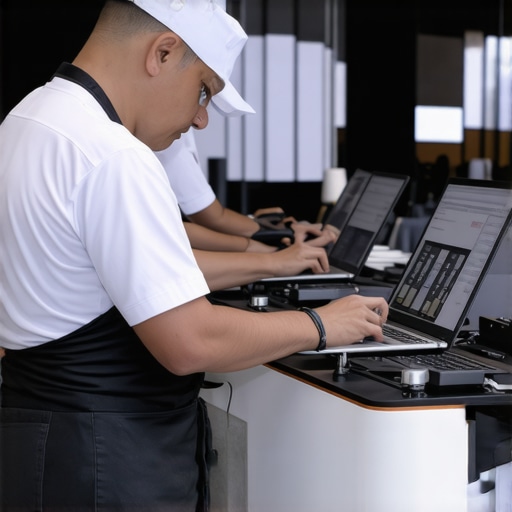
Lessons Only Insiders Know About Crafting Memorable Gluten-Free Experiences
– The biggest mistake I once made was underestimating the power of visual presentation in gluten-free dishes. A beautifully plated gluten-free appetizer can turn a guest’s entire perception around, proving that care and creativity matter just as much as ingredients.
– I learned that sourcing high-quality, certified gluten-free ingredients isn’t enough; proper storage and dedicated utensils are critical to prevent cross-contact. A single mistake could jeopardize trust and safety, emphasizing the importance of protocols that many overlook.
– Training my team thoroughly transformed the dining experience. Clear communication about dietary needs, handling procedures, and presentation standards ensures that every gluten-free dish is served with confidence and elegance, making guests feel truly valued.
– Incorporating seasonal, vibrant ingredients into gluten-free options elevates their appeal and flavor profile. What once seemed like simple adjustments now set apart professional caterers from the rest, especially when presentation is flawless and flavors memorable.
My Go-To Resources for Gluten-Free Catering Excellence
– Innovative wedding themes for 2025 inspire creative plating and menu ideas that cater to diverse dietary needs while remaining visually stunning. Staying ahead of trends keeps menus fresh and guests impressed.
– A comprehensive catering checklist ensures no detail is missed, from sourcing ingredients to presentation, especially vital for gluten-free options where cross-contact risks are high.
– Server training resources help my team deliver gluten-free dishes seamlessly, maintaining the integrity and elegance of each presentation while reassuring guests of their safety.
– Emerging industry trends showcased here constantly refresh my approach, encouraging innovation in both menu and presentation, making each event unique and memorable.
Your Next Step to Transform Gluten-Free Catering
Elevate every gluten-free dish with intentional design, quality ingredients, and expert service, turning what once seemed an afterthought into the highlight of your event. This approach doesn’t just satisfy dietary restrictions—it creates a dining experience that guests will rave about and remember. Are you ready to surprise your guests with gluten-free options that truly shine? Let me know below how you plan to elevate your next event.