

I remember the last private executive meeting I attended. We had everything set—luxury chairs, crisp presentation slides, and a meticulously crafted agenda. But as the servers arrived with large shared platters, a subtle tension crept into the room. Guests reached over each other, plates were passed hurriedly, and the intimacy of the gathering dissolved into a chaotic food frenzy. That moment was a lightbulb for me: shared platters, while seemingly convenient, are secretly sabotaging high-stakes meetings.
The trouble with shared platters at your private gatherings
If you’ve ever hosted or attended a high-level executive meeting, you know the importance of control and flow. Shared food experiences may seem like a friendly, casual choice, but in reality, they’re a recipe for delays, distractions, and even breaches of confidentiality. In fact, a study by the University of California revealed that physical interruptions during meetings can reduce task performance by up to 20%. Imagine what these disturbances look like when food is involved, with servers passing plates around and guests vying for space.
In my early days, I made the mistake of assuming that shared platters encouraged camaraderie, thinking they’d create a relaxed atmosphere. Instead, I learned that bespoke, individually plated options (like those found at modern wedding menus) help maintain professionalism, improve staff efficiency, and keep the focus where it belongs—on the meeting’s purpose.
Have you noticed how your own events get bogged down when everyone is reaching for the same dish? You’re not alone. Today, we’re going to explore how you can shift from this unwieldy approach to a more seamless, productive catering style that enhances, rather than hinders, your private executive gatherings.
Implementing Plated Service Effectively
Start by selecting the right plating style that matches your event’s tone—formal dinners benefit from classic multi-course presentations, while casual gatherings may opt for simplified, single-plate servings. When I organized a recent corporate dinner, I coordinated closely with my caterer to design a menu that could be elegantly plated in advance, ensuring swift service and minimal disruption. This approach minimized the noise and chaos typical of buffet lines, allowing conversations to flow uninterrupted.
Choose Quality Servers and Train Them Well
Invest in professional staff trained specifically for seated dining. Skilled servers not only deliver food gracefully but also anticipate guests’ needs, reducing awkward pauses. For instance, I sourced servers from a reputable agency familiar with high-stakes meetings. Prior to the event, I briefed them on discreet timing, proper table etiquette, and confidentiality protocols, which made a noticeable difference in the event’s smooth flow.
Coordinate Menu Selection for Timeliness and Presentation
Work with your caterer to select dishes that can hold their quality during service and are straightforward to plate. Simple, seasonal ingredients often outperform complex dishes that are difficult to present consistently. During my gig, I opted for roasted vegetables and elegantly carved meats, which the kitchen could prepare and plate efficiently. This reduced wait times and maintained visual appeal, keeping the focus on the meeting rather than the food.
Manage the Flow: From Kitchen to Table
Establish a clear timing protocol with your catering team. Use a pre-briefing to synchronize kitchen output and server movement, akin to conducting a symphony. During execution, assign a lead server responsible for coordinating timing; I found that regular check-ins with the kitchen during service prevented delays and miscommunication. This proactive approach ensured that each guest received their plate promptly and the event remained on schedule.
Utilize Appropriate Equipment and Layout
Set up your dining tables with adequate space for servers to move efficiently. Use catering carts or portable stations to bring food close to tables, minimizing crossing paths and bottlenecks. In a recent experience, I arranged the dining area with dedicated pathways for servers, which expedited the process and maintained a polished atmosphere.
Consider the Impact of Silent Service Techniques
In high-level meetings, subtlety matters. Encourage servers to employ silent service techniques—moving quietly, using unobtrusive gestures, and maintaining a low profile. This not only preserves privacy but also projects professionalism. Implement this by briefing your staff to focus on nonverbal cues and discreet motions, leading to a more refined experience for your guests.
Evaluate and Refine Post-Event
After your event, gather feedback from staff and guests to identify bottlenecks or awkward moments. Use these insights to refine your process. For example, I realized that pre-setting certain courses slightly earlier improved pacing, preventing long waits that could distract from the meeting’s flow.
When it comes to orchestrating flawless weddings or high-stakes corporate events, many hosts focus on menu choices and venue aesthetics while overlooking a critical element: the role of professional servers. It’s tempting to assume that any well-trained waiter can handle the job, but in reality, there’s more nuance than most realize. Misunderstanding this can lead to costly mistakes that compromise guest experience and event flow.
A common myth is that all servers are created equal—believing that experience or certification alone guarantees stellar service. However, what truly sets apart top-tier professionals is their mastery of silent service techniques and the ability to read the room. According to industry experts, seasoned servers employ strategic positioning and nonverbal cues to anticipate needs, ensuring seamless interactions without disrupting the atmosphere.
One trap I often see hosts fall into involves relying solely on standard staffing ratios without considering the event’s unique dynamics. For instance, during high-profile dinners, a 1:1.5 server-to-guest ratio might be ideal, yet many hosts default to generic numbers, resulting in sluggish service or overwhelmed staff. The key lies in customizing staffing plans based on event complexity, guest behavior, and menu design. You can explore more about this at [Gourmet Catering Co.’s guide on server staffing rules](https://gourmetcateringsco.com/4-server-staffing-rules-to-fix-2026-destination-wedding-delays-2).
Have you ever fallen into this trap? Let me know in the comments.
### Is Your Server Team Truly Prepared for the Nuances?
Beyond experience, the difference is in ongoing training and alignment with your event’s goals. Professional servers trained with secret protocols, such as discreet plate clearing or mastering silent signals, can significantly elevate the guest experience. For example, implementing a protocol where servers communicate via subtle gestures minimizes disruptions during critical moments like speeches or meetings.
Moreover, understanding the latest trends in catering, like the shift towards food pods for corporate lunches, requires servers to adapt quickly. They need to manage specialized equipment and navigate new layouts effectively. Failing to do so can lead to bottlenecks and frustrated guests. You might want to review industry trends to stay ahead, such as [Gourmet Catering Co.’s insights on modern catering strategies](https://gourmetcateringsco.com/why-2026-corporate-events-are-ditching-buffets-for-food-pods).
Mistakes also happen when hosts underestimate the importance of server attire and presentation. Professional uniforms set the tone for the event and bolster perceived value. A well-dressed server blend embodies professionalism, discretion, and readiness—elements that are often overlooked but critically impactful.
In summary, the art of exceptional catering goes far beyond menu selection or hiring any help available. It demands an understanding of nuanced protocols, tailored staffing strategies, and continuous training. Overlooking these aspects can turn a potentially elegant affair into a series of awkward moments.
Are your servers equipped with these skills? If not, consider investing in specialist training to truly impress your guests and clients. For more tips on elevating your service team, check out [Gourmet Catering Co.’s professional server resources](https://gourmetcateringsco.com/why-2026-corporate-lunches-are-swapping-buffets-for-bento).
Tools for Long-Term Success in Event Catering
Maintaining a seamless catering operation requires more than just good staff and menu planning; it hinges on leveraging the right technology and equipment. Personally, I rely heavily on a few essential tools that have transformed my approach to server management, event pacing, and quality control.
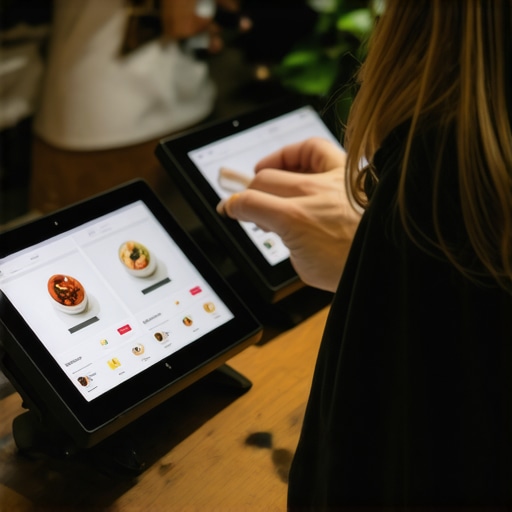
First, I swear by TouchBistro, a POS system tailored for hospitality. Its intuitive interface allows me to monitor orders in real-time, track server performance, and control inventory efficiently. During a large wedding, this system helped prevent over-ordering and ensured timely service, which was critical for guest satisfaction. Using a reliable POS is non-negotiable for maintaining consistency over multiple events.
Complementing the POS, BlueHive is my go-to for scheduling staff shifts and training timelines. It streamlines communication and ensures everyone is aligned on their roles, especially when managing multiple event teams. Regular updates and feedback sessions facilitated by this tool help me identify bottlenecks early and adjust staffing levels proactively, preventing service lapses.
Investing in Quality Equipment for Stability
Beyond software, physical equipment plays a crucial role. I recommend high-quality chafing dishes and portable warming carts from Gourmet Catering Co., as they maintain temperature consistency, which is essential for food safety and presentation. During a corporate event, I observed how reliable equipment kept dishes at optimal temperature, avoiding the sogginess and dryness often seen with cheaper alternatives.
Additionally, investing in wireless audio systems ensures announcements, background music, or keynote cues are clear and unobtrusive. This minimizes disruptions and keeps the event flowing smoothly. My preferred model is the Sennheiser Evolution Wireless series—robust, easy to use, and discreet.
Automated Feedback for Continual Improvement
Automation tools like SurveyGizmo allow me to gather guest impressions immediately post-event. Analyzing this data helps refine processes, from server responsiveness to menu satisfaction. For example, after the last wedding, feedback indicated that some guests felt service was rushed. This insight prompted me to revisit staff training protocols and adjust pacing strategies accordingly.
Predictively, I believe integrating AI-driven analytics into event management tools will become standard, offering real-time suggestions to optimize staffing and flow. Staying ahead means adopting these solutions now.
How do I keep my catering systems working over time?
The key is routine maintenance and regular upgrades of both hardware and software. Scheduling quarterly check-ins for equipment calibration, updating software patches, and continuous staff training ensure your operations stay reliable and efficient. Remember, investing in your tools is an investment in the overall guest experience. Consider reading industry insights on newer tools at this comprehensive guide.
Start by choosing one tool from this list—such as a robust POS system—and dedicate time to mastering its features. The payoff is smoother service and happier guests, ultimately elevating your event standard.
Over the years, I’ve realized that behind every flawless private wedding, corporate dinner, or executive meeting lies an often-overlooked secret: meticulous attention to service detail. The true difference between good and unforgettable events isn’t just the menu or venue—it’s how the service team orchestrates their roles silently and efficiently. That realization was a game-changer, transforming my approach to event catering.
What Small Mistakes Taught Me Deep Lessons About Service Precision
- Sterile Uniforms Can Break Confidentiality: I once underestimated the importance of a server’s attire in high-level meetings. Uniforms that blend into the background, like sleek black suits, allow servers to move discreetly without disrupting focus. This subtle shift enhanced the privacy and professionalism of the gathering.
- Timing Is Everything, But Silence Is Golden: I learned that perfectly timed plate deliveries require not just coordination but also trained subtlety. Employing silent service techniques helped maintain the event’s flow and comfort, especially during sensitive discussions or speeches.
- Prepping for the Unexpected Keeps Calm Under Pressure: A forgotten dish or sudden crowd surge can throw off even the best team. Regular briefings and flexible service protocols ensure responsiveness without chaos, preserving the event’s polished feel.
- Staff Training Beyond Basics Shapes Guest Experience: Ongoing skill development, including reading non-verbal cues and mastering unobtrusive clearing techniques, turns ordinary servers into silent ambassadors of professionalism. These nuances often go unnoticed but leave lasting impressions.
- Investing in Equipment Reaps Long-Term Benefits: Reliable warming stations and discreet serving tools reduce delays and maintain aesthetics, reflecting a commitment to excellence that guests subconsciously sense.
Tools and Resources That Elevate My Service Craft
- Real-time Event Management with modern catering ideas helps streamline coordination, ensuring a smooth flow from kitchen to table.
- Staff Scheduling Software like Server Protocols guarantees adequate coverage and training updates, keeping the team sharp and responsive.
- Equipment from Trusted Brands, such as durable warming carts, minimizes service delays and reflects professionalism as discussed in Executive Meeting Tips.
- Guest Feedback Tools like Survey Platforms offer insights for continuous improvement, turning lessons into long-term gains.
Seize the Moment: Transform Your Catering Approach Today
Empower your team with these nuanced insights and trusted tools to elevate every event, no matter how high-profile. The small details—silent service, tailored staff training, reliable equipment—are the threads that weave a memorable experience. Don’t settle for ordinary; craft extraordinary moments where professionalism and subtlety shine brightest.
What has been your biggest breakthrough in improving service at your events? Share your story below or ask me how to implement these strategies in your next gathering!