

I’ll never forget the sound of my career almost hitting the floor—along with a glob of blue cheese dressing. I was at this high-level summit, standing mid-sentence while trying to pitch a partnership to a guy who could have funded my entire year. I had this massive, overstuffed slider in one hand and a cold drink in the other. When he reached out for a handshake, I panicked. I tried to shuffle the plate, the drink, and a napkin all at once. The result? A greasy palm, a stained tie, and a very short conversation. It was mortifying. That was the day I realized that at a professional event, the food is either your wingman or your worst enemy. Today, I want to show you how to avoid that trap and why tiny, manageable portions are the key to closing deals.
Stop Killing Your Career with Overstuffed Plates
Looking back, my biggest mistake was thinking that a ‘good’ event meant a full stomach. I used to push for heavy buffets because I thought guests would feel more valued if they left stuffed. I couldn’t have been more wrong. When you serve heavy meals, you aren’t feeding people; you are grounding them. They find a chair, they hunker down, and they stop talking. If you want to keep the energy high, you need to embrace the small plate trend where less food actually fosters more trust and movement. Small, one-handed bites allow you to stay mobile. You can eat, talk, and shake hands without looking like you’re competing in a food challenge. Have you ever felt trapped at a table with a heavy meal while the person you needed to meet was across the room?
Does the size of your appetizer really impact your bottom line?
You might be skeptical. Surely a professional wouldn’t judge you based on a chicken wing? Actually, they do, but it’s often subconscious. High-stakes networking is about rhythm. If you’re constantly pausing to wipe your face or chew a massive mouthful, you break the flow of the conversation. According to research published in the Journal of Business Research, physical ‘clutter’—including cumbersome food—during a meeting increases cognitive load and reduces your ability to process social cues. When you avoid smelly or messy foods, you remove the barriers between you and a closed deal. I’ve seen it happen dozens of times: the person with the most ‘manageable’ plate is the one who dominates the room.
The Tactical Advantage of Handheld Snacks
When you plan your next event, you have to think like a strategist, not just a host. You want people standing. You want them mixing. This is why I always suggest that high-top tables are the secret to better movement. They don’t give people a place to park their massive plates and stay put for an hour. Instead, they encourage a ‘touch and go’ style of networking. Early in my career, I once booked a venue with only round sit-down tables for a mixer, and it was a ghost town of networking; everyone just talked to the three people next to them. Now, I focus on ways to make mixers feel less awkward by keeping the food light and the guests on their feet. We’re going to dive into how you can design a menu that works for you, not against you.
Build a Menu That Actually Closes Deals
Think of your menu as a conversation script. If the ‘lines’ are too long or messy, the dialogue dies. Every item must pass the ‘One-Handed Test.’ If a guest cannot hold a drink in their left hand and eat the snack with their right—without needing a napkin every three seconds—it doesn’t belong on the tray. For example, understanding why smoked brisket is a risky choice for high-stakes events often comes down to the logistics of sauce and shredded meat; it is a disaster waiting to happen on a white dress shirt or a silk tie. Appetizers should be ‘clean,’ meaning they don’t crumble, drip, or leave a lingering odor that distracts from a pitch.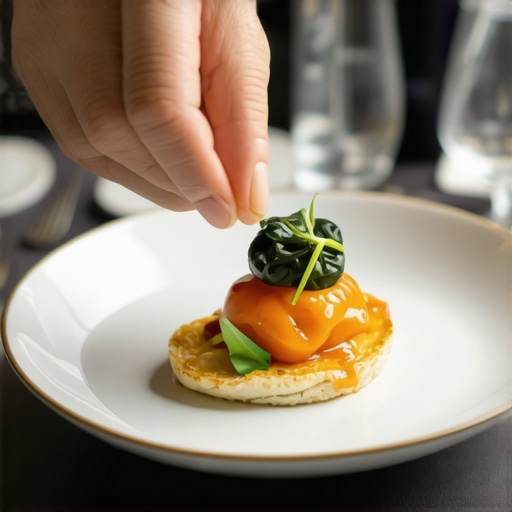
Keep the Energy High with Smart Portioning
I learned this the hard way during a three-day summit in Chicago. I thought I was doing the executive team a favor by serving a rich, three-course pasta lunch. By 2:30 PM, the CEO was literally yawning during the keynote. That is when I realized that the boardroom menu that actually prevents the afternoon slump isn’t about volume; it is about glycemic load. Now, I always ensure the discussion of why your menu needs to balance heavy and light options is the first conversation I have with a client. You want protein for stamina, but you need to skip the heavy creams and dense carbs that send blood flow to the stomach instead of the brain. Use crisp vegetables, lean proteins, and small, high-energy fats like nuts or avocado to keep people sharp and talkative.
Master the Logistics of the Room
Your food is only as good as the people moving it. You can have the world’s most ‘handheld’ menu, but if the trays are stuck in a kitchen bottleneck, your guests will get frustrated and lose focus. This is why you must include a logistical flow in your essential checklist for successful corporate event catering. The path from the kitchen to the guests should be clear and cyclical, ensuring that food is always circulating and no one is left hovering near the kitchen door like a seagull.
Audit Your Server Ratios Before the Doors Open
If you have 100 VIPs and only two servers, you do not have an event; you have a riot. You need enough staff to ensure that empty plates and cocktail napkins disappear instantly. I always tell my clients why you should audit your server to guest ratio for VIP dinners before signing any contract. A pro server is like a ghost—they provide what you need before you even realize you need it. By implementing top server tips to elevate your event experience, like ‘pre-bushing’ (the art of removing trash as people finish), you keep the environment clean and professional. It maintains the ‘stage’ for the business deals happening in the center of the room, ensuring the focus remains on the handshake, not the garbage.
Most planners assume that sticking to a venue’s ‘preferred vendor’ list is a safety net. In reality, it can be a cage. Everyone says these lists represent the best in the business, but in my experience, they often represent the most convenient kickback relationships. If you want a bespoke experience that doesn’t feel like a cookie-cutter corporate assembly line, you need to look at the hidden cost of only using preferred vendors. A truly high-stakes event requires a caterer who is loyal to your vision, not the venue’s kickback structure. Have you ever fallen into this trap and felt like your event was just ‘another day at the office’ for the staff? Let me know in the comments.
The Critical Failure of the Kitchen-Bound Lead
One of the most sophisticated mistakes I see—even from seasoned event managers—is allowing the lead server to manage the kitchen logistics. It sounds efficient, right? Put your best person where the food is. This is a fatal tactical error. When the ‘general’ of your service team is stuck behind swinging doors, they lose all situational awareness of the floor. You must ensure why your lead server should never be the one managing the kitchen is a clause in your service agreement. If they are plating salads, they aren’t noticing that the CEO’s water glass is empty or that the guest of honor is struggling to find a napkin. Service is a performance, and the director needs to be in the audience, not backstage.

How does your server-to-guest ratio dictate your brand’s reputation?
You might think a few extra minutes of waiting for a plate won’t hurt, but the psychological impact on your guests is profound. A study by the Cornell School of Hotel Administration found that ‘service failure’ (like slow clearing or unresponsive staff) is far more damaging to a guest’s overall perception of an organization than ‘product failure’ (like an overcooked steak). People forgive the food; they rarely forgive being ignored. To maintain a premium atmosphere, you have to audit your server to guest ratio for VIP dinners before the first guest arrives. For a high-level executive mixer, the standard 1:20 ratio is a recipe for disaster; you should be aiming for 1:10 or even 1:8 to ensure every need is anticipated before it is even spoken.
Focus on Service Partners Over Staffing Agencies
Another nuance that separates the pros from the amateurs is the source of the labor. There is a massive difference between a staffing agency and a service partner. An agency sends ‘bodies’ to fill uniforms; a service partner sends a trained team that understands the rhythm of high-end events. When you work with a dedicated team, you can focus on optimizing server efficiency rather than teaching someone where the forks go five minutes before doors open. A professional server who understands the nuances of ‘pre-bushing’ and silent service is worth three times their hourly rate in terms of the prestige they add to your brand. By investing in the right people, you transform a simple meal into a strategic tool that reinforces your company’s attention to detail and commitment to excellence.
Maintaining a high-level catering operation isn’t just about the food; it’s about the invisible infrastructure that prevents a breakdown. I’ve found that the difference between a stressed-out host and a calm professional often comes down to their inventory management software. I personally swear by systems that offer real-time tracking of rentals; there is nothing worse than realizing you are ten forks short while the appetizers are being plated. By mastering corporate event planning secrets related to logistics, you can focus on the guests rather than the garbage. Another tool I recommend is a simple wireless comms headset for the lead server and the kitchen manager. This eliminates the need for shouting or running back and forth, which can ruin the ‘silent service’ atmosphere.
The Gear That Separates Chaos from Control
Having the right gear means you can scale without losing quality. For instance, I always use a ‘Hot Box’ with digital temperature monitoring to ensure that even at a large-scale wedding, every plate is served at the safety-standard 140°F or higher. This level of precision is why top server tips to elevate your event experience often include mastering technical equipment as much as social graces. If the equipment fails, the service fails.
How can you keep service standards high year after year?
Consistency is the hardest thing to achieve in this industry. According to the Harvard Business Review article ‘The Profitable Art of Service Recovery’ by Hart, Heskett, and Sasser, the ability to resolve service failures is the primary driver of customer loyalty. This is why I use a post-event audit for every single function. I look at server skills that make every event stand out and grade them based on guest feedback. Additionally, implementing synchronized break schedules ensures that the team remains energized throughout a twelve-hour wedding or a long corporate summit. If your team is tired, their service will be sloppy—it is that simple. 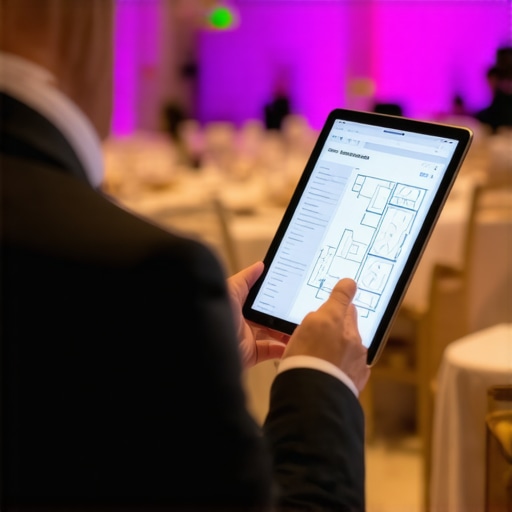
Why Data is the New Secret Ingredient in Catering
Looking ahead, I predict we will see a massive shift toward ‘smart’ buffet tables equipped with weight sensors and RFID tags. These tables will automatically alert the kitchen the moment a dish is 20% empty, reducing the ’empty plate look’ that can make a high-end event feel cheap. We are moving toward a world where ‘anticipatory service’ is backed by hard data rather than just a server’s intuition. To prepare for this shift, you should look for the best corporate event servers for 2025 who are tech-literate and can handle more than just a tray. Start your next planning phase by creating a ‘Service Tech Stack’ for your event—choose one new tool, like a digital floor plan or a wireless comms set, and see how it transforms the flow. My advice? Audit your current inventory this week and identify the one piece of equipment that causes the most stress; then, replace it with a professional-grade alternative.
Hard Lessons from a Thousand Empty Platters
In my years of managing high-stakes mixers, I’ve learned that the most important feedback isn’t found in the guest book; it is found in the trash cans. If I see half-eaten skewers, I know the texture was off. If I see clean plates, I know the portioning was perfect. One of the hardest truths to accept was that my ‘generosity’ with food was often killing the networking energy. I also learned that a server who doesn’t speak but is always there at the right moment is your most valuable asset. Lastly, never underestimate the power of a synchronized team; it creates a psychological sense of order that makes guests feel safe enough to take business risks.
The Resources That Transformed My Planning Process
To move beyond basic hosting, I rely on a few specific tools and mentors. First, the book Setting the Table by Danny Meyer completely shifted how I view hospitality as a business strategy rather than just a service. For logistics, I always revisit the essential checklist for successful corporate event catering to ensure no technical detail slips through the cracks. I also recommend using digital floor planning software like Social Tables to visualize the flow before a single table is moved. These resources ensure that every decision is backed by logic, allowing you to execute corporate event catering strategies for success while optimizing server efficiency to enhance the guest experience.
Ready to Elevate Your Professional Atmosphere
At the end of the day, your event is a reflection of your brand’s commitment to excellence. By moving away from heavy, cumbersome meals and focusing on the precision of your service team, you create an environment where deals can happen naturally. Remember that every small plate and every prompt beverage refill is a brick in the foundation of a successful partnership. Your next corporate event catering choice doesn’t have to be a gamble; it can be your most effective closing tool. Have you ever seen a great business connection ruined by a messy or awkward menu choice? Let me know your stories in the comments below.