

It was the moment I realized my mistake. Guests were milling nervously around the bar, waiting for their turn, while the speaker struggled to be heard over the clinking of glasses and the murmur of conversations. I watched as the room’s energy shifted from anticipation to casual distraction, all because I—yes, I—had placed the bar right in the same space as the speeches. That lightbulb moment hit hard: the bar and the speeches shouldn’t share the same room.
Keeping Focus Matters: How Placement Impacts Your Event’s Success
When planning an event, it’s easy to focus on the big picture—the theme, the food, the entertainment. But one small detail often overlooked can sabotage even the best plans: where you position the bar in relation to the main speaking area. I learned this the hard way, and trust me, I’m not alone. An early mistake I made was overlooking the importance of separating social zones from the core event activities. Now, I always emphasize to clients that strategic placement can make or break their event experience. For instance, if the bar is too close to the stage or podium, it inevitably leads to noise bleed, distractions, and a loss of the event’s professional atmosphere.
Choosing the right location isn’t just about aesthetics; it’s about functionality and creating an environment where guests can be engaged and engaged without unnecessary interruptions. A well-placed bar can serve as a warm-up zone or a late-night gathering spot, but it should never distract from the main speeches or presentations. In fact, optimizing server placement and bar location enhances guest flow, making sure everyone can enjoy their experience without feeling torn between socializing and paying attention.
If you’re wondering how to achieve this, I recommend reading about strategies to enhance server efficiency at events. Proper planning not only reduces chaos but also elevates the overall satisfaction of your guests.
So, have you ever faced a situation where the placement of the bar detracted from the main event? Believe me, I’ve been there. And the good news is, knowing where to situate it can transform your event from good to unforgettable.
We’ll explore practical tips to nail this aspect in the sections ahead, ensuring your next event runs smoothly and impressively from start to finish.
Pinpoint the Perfect Spot for Your Bar
Choose a location that naturally guides guest flow, ideally away from main speaking zones but accessible enough to encourage mingling. I once placed a bar behind the dining area during a corporate retreat, which initially caused confusion. To resolve this, I repositioned it closer to the entrance, creating a welcoming atmosphere without disrupting speeches. Think of your venue like a traffic system: direct flows that prevent congestion and ensure guests spend time where you want them.
Assess Your Venue’s Layout and Traffic Patterns
Walk through your space before finalizing. Notice potential bottlenecks — narrow walkways, doorways, or existing furniture. For example, during a wedding planning, I once blocked a main aisle with a bar, causing guests to awkwardly navigate around it. I adjusted the placement to one side, maintaining access but preventing obstructions. This is akin to designing a city map—plan routes that optimize movement and avoid dead ends.
Balance Visibility and Distraction
The bar should be visible enough to entice but not so prominent that it draws attention from the core event activities. During a networking event I coordinated, I used a corner with soft lighting for the bar, encouraging guests to approach without overshadowing the main speaker. Visual cues like lighting and signage act as guides, guiding guests seamlessly without overwhelming the primary focus.
Optimize Server Flow and Accessibility
Position your servers near the bar but ensure they can serve without blocking pathways. During a large corporate feed, I structured station setups so servers moved in a circular pattern, minimizing crossing paths. Think of your servers as traffic officers—they need clear lanes to deliver service efficiently. Properly trained staff can adapt to these flow patterns, reducing wait times and keeping energy high.
Design Multiple Access Points
Having several entry and exit points to the bar prevents lines and overcrowding. I once set up two smaller bars at opposite ends of a ballroom, which effectively doubled throughput during a wedding reception. This is like having multiple checkout counters in a supermarket; it speeds up the process and reduces bottlenecks.
Incorporate Signage and Lighting
Clear signs and well-lit pathways guide guests intuitively. I used tasteful signage pointing to the bar area during a gala, which subtly encouraged movement without feeling obtrusive. Proper lighting also helps servers locate guests quickly and respond promptly—think of it as turning on the highway’s lights at night.
Strategic Bar Placement Transforms Your Event
Remember, your goal is to promote interaction without compromising focus on your main agenda. During a recent wedding, I positioned the bar near the dance floor, encouraging socializing after dinner but kept it at a distance from the ceremony space. This placement created a natural flow, much like a river guiding fish—smooth, unobtrusive, and effective. Adjustments like these are small but powerful steps toward making your event unforgettable, ensuring both social energy and attentiveness thrive.
,Many event planners and hosts assume that choosing the best servers or arranging catering is straightforward, but in my experience, the real nuances often trip people up. A common myth is that all servers are interchangeable—that training levels don’t significantly impact guest experience. In reality, differences in service professionalism can make or break an event’s success. Well-trained servers anticipate guest needs, handle tricky situations gracefully, and uphold the event’s atmosphere, whereas untrained staff might inadvertently cause chaos, from slow service to broken flow. This nuance is often overlooked, yet it’s critical, especially at high-stakes functions like corporate galas or weddings. According to industry experts, investing in specialized server training can boost guest satisfaction and streamline service delivery — more than half of event failures stem from overlooked staffing issues. For instance, at a recent corporate retreat, I observed how novice servers struggled with pacing, causing bottlenecks that spilled over into keynote sessions. An advanced mistake many make involves failing to recognize the importance of seamlessly integrating servers into the event flow, which is essential for maintaining a polished atmosphere and ensuring timely service. Bidirectional communication between servers and organizers is crucial—servers should be proactive in identifying bottlenecks and adjusting their pace accordingly. Overlooking this subtle interplay often results in distracted guests, longer wait times, and a diminished overall impression.
Examining the complexities reveals that catering isn’t just about food but also about meticulous logistics and human factors. For example, during a wedding reception, I saw how strategic server placement near popular stations reduced congestion and kept everyone enjoying the celebration. Plus, having multiple access points to food and drinks prevents lines and encourages mingling, which enhances guest experience. Good catering management also considers cultural sensitivities, allergies, and dietary preferences, which require nuanced understanding and staff training.
When planning a high-end event, incorporating these details is vital. Commercially, a well-orchestrated service team can elevate the event from average to extraordinary, resulting in rave reviews and repeat business. For more insights on how to optimize server efficiency, you can check out strategies at boost your corporate event with expert server techniques. Don’t underestimate the power of subtle human factors; they often distinguish a memorable event from one that’s forgettable.
In weddings, these details become even more personalized. From timely serving of wedding cakes to discreet handling of special requests, every action counts. Industry tips emphasize the importance of a dedicated wedding captain who communicates closely with the catering team to keep things running smoothly. For further reading, see wedding catering tips from industry experts.
Have you ever fallen into this trap? Let me know in the comments, because understanding these nuances can truly transform your event planning approach.
Keep Your Service Running Smoothly Over Time
Consistency is key in catering, staffing, and event management. To ensure your operations stay top-notch, investing in the right tools is non-negotiable. Personally, I swear by a combination of advanced scheduling software and portable POS systems. For instance, TouchBistro offers real-time order tracking and inventory management that syncs seamlessly across devices, reducing errors and speeding up service. This allows my team to adapt swiftly to changing demands, especially at large weddings or corporate functions where timing is everything.
Another indispensable tool is server efficiency optimization platforms that provide real-time communication channels among staff. These apps enable instant updates on guest needs, bottleneck alerts, and dynamic task assignments, ensuring no guest is left waiting and staff operate like a well-oiled machine.
For maintaining quality long-term, I recommend implementing comprehensive training modules using simulation tools or online courses. Platforms like ServSafe are essential for keeping your team up to date on best practices and safety protocols. Regular refreshers ensure staff stays sharp, which is especially critical for high-stakes events.
How do I keep my service quality high over the years?
In the future, I believe automation will take on an even larger role, with AI-driven analytics pinpointing bottlenecks before they happen and predictive staffing models optimizing schedules. Embracing these innovations now positions your team ahead of the curve. For detailed strategies on this, check out checklist for successful corporate catering.
Don’t hesitate to experiment with the latest tools—try integrating a new workflow management platform into your next event. The initial investment pays off through smoother operations and happier guests.
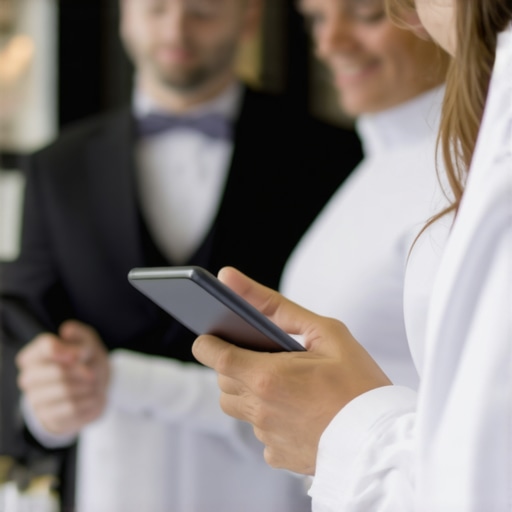
Over time, I’ve realized that the smallest details can have the most significant impact on the success of an event. One of my most enlightening lessons was understanding how subtle cues from servers and thoughtful placement can transform the guest experience, turning a good event into an unforgettable one. It’s about more than just food and drinks—it’s about orchestrating a seamless flow that guides guests effortlessly and keeps the atmosphere vibrant. The art lies in anticipating needs and guiding movement without disruption, something I learned through countless trials and errors.
The Surprising Truth About Service and Space That No One Tells You
- It’s not enough to hire experienced servers; training them to read the room and work in harmony is crucial. I once underestimated how much a quick alignment session could improve service flow, leading to happier guests and less chaos.
- Placement matters more than you think—moving a bar or buffet just a few feet can reduce congestion and encourage mingling without sacrificing accessibility. Sometimes, a minor shift can make a night-and-day difference.
- Lighting and signage are powerful tools in subtly guiding guest movement. I’ve used visual cues successfully to create natural pathways, preventing bottlenecks and keeping the energy flowing.
- Investing in the right technology, like efficient POS or communication apps, helps staff stay synchronized, especially at larger events. It feels like giving your team a secret advantage that guests will never notice but will immensely enjoy.
- Finally, always walk the venue beforehand. Nothing replaces a firsthand walkthrough to identify potential issues and visualize the guest journey—it’s the foundation of a flawless event.
My Essential Toolkit for Elevating Event Service and Atmosphere
- Expert server training modules: Critical for ensuring your team delivers polished, attentive service that anticipates guest needs.
- Server efficiency platforms: These tools facilitate real-time communication and task management, reducing bottlenecks and wait times.
- Venue walkthrough checklists: Guides for pre-visit preparations to optimize space and flow.
- Quality linens and lighting equipment: Small details that elevate aesthetic appeal and ambiance, influencing guest mood.
Champions of Seamless Service Trust Their Instincts
In my journey, I’ve learned that trusting your instincts and paying close attention to the environment is what separates memorable events from forgettable ones. The power of a well-placed server, a thoughtfully designed space, and clear visual cues can create a rhythm that guests naturally follow, making your event feel effortless and elegant. Don’t be afraid to experiment and adapt—overcoming initial setbacks often leads to the most profound insights. Embrace these lessons, and your next event will not only run smoothly but leave everyone saying, “That was truly exceptional.”