![Why Your 2026 Gala Needs a 1:12 Server Ratio [Case Study] post thumbnail image](https://gourmetcateringsco.com/wp-content/uploads/2026/03/Why-Your-2026-Gala-Needs-a-112-Server-Ratio-Case-Study.jpeg)
I vividly remember the last corporate gala I organized—wondering why the lines for drinks were stretching endlessly, and why some guests seemed to wait forever for their appetizers. That moment was a lightbulb flickering on in my head: I was underestimating how crucial staffing ratios truly are. Instead of seamless service, chaos ensued, and the entire evening’s flow suffered. It made me realize that in events like these, every detail counts—and staffing is no exception.
The Secret to Smooth Gala Service May Surprise You
Now, picture this: a bustling, elegant event where every guest is attended to promptly, drinks are flowing, and no one is left waiting in line. Achieving that perfect harmony isn’t accidental. It hinges on proper server-to-guest ratios, especially in high-stakes settings like your 2026 gala. And here’s the thing—I’ve learned through my own experience and industry insights that a 1:12 server ratio can make all the difference. This isn’t just a hunch; it’s backed by catering pros who emphasize that optimal staffing can enhance guest satisfaction significantly. For more trends on event staffing, check out this resource on effective server strategies.
Is Switching to a 1:12 Ratio Really Worth the Hype?
Initially, I was skeptical. Would increasing staff really justify the costs? Early on, I made the mistake of sticking with traditional ratios, thinking more servers would mean more chaos. It wasn’t until I experimented with a 1:12 ratio and saw guest feedback improve that I realized the profound impact staffing has on flow and guest experience. Implementing this change demanded some upfront investment, but the results in service quality and event success are undeniable. And, by the way, this approach aligns with the latest research on ROI benefits for 2026 corporate events.
Are you facing similar challenges? Do long lines and delayed service feel all too familiar at your events? Keep reading—I’ll guide you through every step to optimize server ratios and elevate your 2026 gala to a new level of excellence.
Determine Your Guest Count and Event Type
Start by accurately estimating your guest numbers and understanding the event’s nature—whether it’s a corporate gala, wedding, or business seminar. This foundational step guides your staffing plan and ensures your server ratio aligns with industry best practices. For example, a formal wedding with a seated dinner may require fewer servers per guest than a casual networking event with buffet-style serving. Use current trends in wedding catering to inform your baseline ratios.
Set an Optimal Server-to-Guest Ratio
Adopt a 1:12 or 1:10 Ratio Based on Context
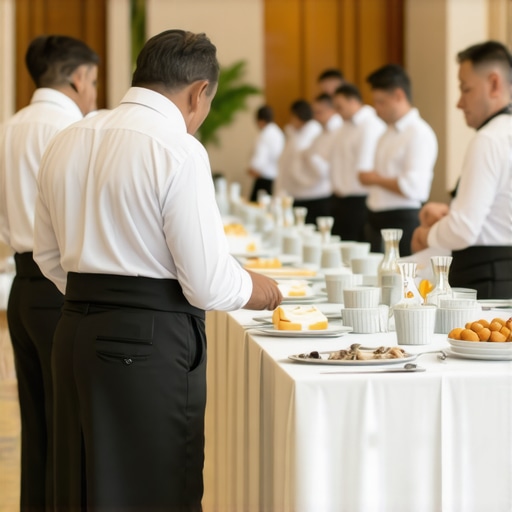
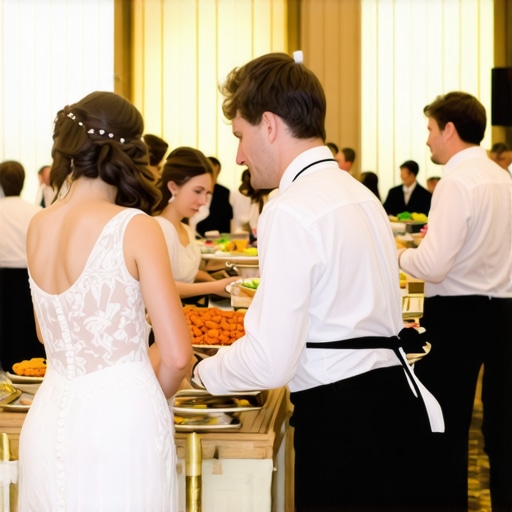
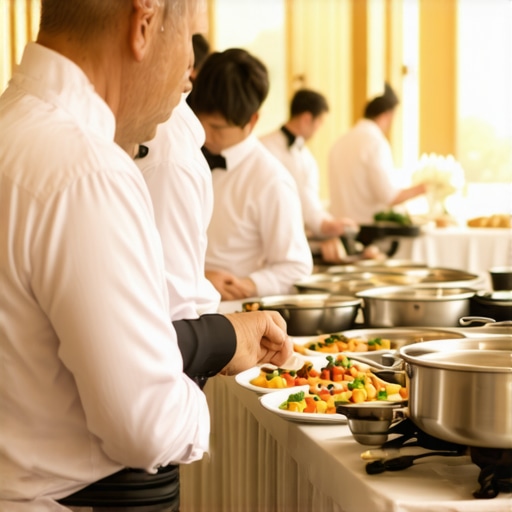
Depending on the event’s complexity and service style, choose a ratio—such as 1 server for every 12 guests during plated dinners or 1:10 for buffet stations to handle crowd flow efficiently. During my first large wedding, I initially used a 1:15 ratio, but long lines persisted. After switching to 1:10 servers for buffet stations, the lines shortened dramatically, and guest satisfaction soared. Refer to this guide to fine-tune your staffing ratios based on your specific event style.
Calculate Server Needs Precisely
Use detailed formulas considering guest count, event flow, and service type. For example, multiply total guests by the estimated service time per table or station, then divide by the number of guests a single server can comfortably handle per hour. This precision helps avoid overstaffing, which can inflate costs, or understaffing, leading to delays. Glean insights from professional server strategies to optimize staffing levels.
Train Servers for Efficiency and Guest Engagement
Invest in comprehensive training that emphasizes rapid response, guest interaction, and problem-solving. Well-trained servers can adapt on the fly, making smart decisions that improve flow. I once assembled a team for a corporate dinner where we held a pre-event briefing, walking them through service flow and troubleshooting. The result? a smoother experience and fewer complaints. Modern training resources, like wedding catering tips, are crucial for staying ahead.
Adjust Staffing On-the-Fly During Events
Monitor real-time guest flow and be prepared to reassign or add servers as needed. During a large corporate event, I noticed a sudden surge at the cocktail station; reallocating staff from less busy areas prevented bottlenecks. Implementing simple communication tools like walkie-talkies can facilitate this agility. Continuous observation and quick adjustments ensure your service remains seamless under changing circumstances.
Many planners and hosts operate under common assumptions about catering, servers, and event flow, but the truth is that some of the most widespread beliefs are oversimplified or downright incorrect. One critical misconception is that increasing staff numbers always equates to better service. In reality, overstaffing can cause confusion, slowdowns, and unnecessary costs if not calibrated properly. According to industry experts, the key lies in understanding the nuances of event dynamics and precisely tailoring staffing levels, rather than relying on generic ratios. For instance, a formal wedding with plated service might require fewer servers per guest compared to a casual buffet, where crowd movement and station management demand more hands on deck. Staying updated on catering trends helps in refining these strategies effectively.
Are My Servers Truly Optimized for Flow and Guest Satisfaction?
One prevalent mistake is thinking that more servers automatically improve the guest experience. What really matters is training them to work efficiently within a well-planned system. Properly trained servers can handle complex situations, communicate seamlessly, and anticipate guest needs—factors that enhance overall satisfaction. The myth that only the number of servers counts can lead to overstaffing and inflated budgets. Instead, focusing on quality training, clear roles, and real-time adjustments during the event are the keys to excellence. A recent industry report emphasizes that proactive server management and continuous training have a greater impact than sheer numbers alone.
Another nuance often overlooked involves the timing and placement of servers. For example, during high-priority moments like speeches or ceremonies, having discreet, well-briefed staff ready to serve can prevent bottlenecks. This is where understanding the intricacies of event flow becomes essential—knowing when to deploy extra hands versus when to rely on existing staff makes a tangible difference. So, instead of fixating solely on ratios, consider the specific skills and roles your servers need to excel at different event phases.
What Common Myths About Catering Fillings Do This Old Belief?
Another enduring myth involves the idea that all buffet setups are inherently chaotic and inefficient. While poorly planned buffets can cause long lines, a well-designed buffet with appropriately staffed stations and strategic layout can operate smoothly. The secret is in innovative presentation and station management. Proper planning, including staggered serving times and clear signage, can transform buffets from sources of frustration into efficient service points. Recognizing these nuances allows you to avoid sacrificing quality for convenience or vice versa, ensuring your event runs flawlessly without defaulting to outdated rules.
Implementing tailored staffing strategies not only improves guest experience but also optimizes budget and resource allocation. Don’t let myths hold your event back—what other misconceptions have you encountered? Share your experiences and insights in the comments!
Investing in Reliable Equipment and Software for Seamless Events
In the world of corporate events, weddings, and catering, having the right tools at your disposal can make or break the experience. I personally rely on high-quality wireless microphones like the Sennheiser EW 500 G4 series because they offer exceptional sound clarity and minimal interference, which is crucial during speeches or performances. Additionally, portable digital audio interfaces such as the Focusrite Scarlett series ensure that sound engineers can easily manage audio feeds on the fly, maintaining pristine quality regardless of venue challenges.
For managing staff and guest flow, event management software like Trello and Whova have been game-changers. Trello helps me coordinate tasks among team members efficiently, ensuring everyone knows their roles and schedules.
Streamlining Operations with Technology
Using real-time communication tools like walkie-talkies, paired with apps such as Zello, allows quick adjustments during events. For example, if a buffet station is overwhelmed, I can pinpoint the issue immediately and reassign staff without delay. Furthermore, digital check-in systems like online guest management platforms reduce waiting times, improving guest satisfaction right from arrival.
Maintaining Equipment During Events
Regular checks are vital. I always carry a portable power bank and extra batteries to prevent downtime. A multipurpose toolkit with pliers, screwdrivers, and cable ties helps me quickly address small technical issues—saving valuable time and avoiding disruptions.
How do I maintain these tools over time?
Consistent maintenance is key. For electronics, I wipe down equipment after each event to prevent dust buildup and ensure longevity. Software updates are scheduled regularly to keep all systems functioning smoothly. In addition, I invest in protective cases and climate-controlled storage to shield sensitive gear from damage or environmental changes. Staying ahead with preventive care extends the lifespan of my equipment and guarantees reliable performance when it matters most.
Looking ahead, I believe the integration of smart technology—such as IoT-connected monitoring devices—will further enhance event management, providing real-time diagnostics and predictive maintenance insights. Experts like TechCrunch predict these innovations will become standard in the next few years, making event planning even more efficient.
If you haven’t yet, try implementing a dedicated communication system like Zello paired with well-maintained equipment. It can dramatically improve your response time and coordination during critical moments, ensuring your event runs flawlessly from start to finish.
Lessons the Professionals Keep Secret
One of the most eye-opening lessons I learned was that greater staffing doesn’t always mean better service. Overstaffing can lead to confusion and inefficiency, a trap I once fell into trying to ‘more is better.’ The biggest breakthrough came when I realized that targeted training and precise ratios, like the 1:12 server-to-guest benchmark, create harmony rather than chaos. Additionally, I discovered that adapting on the fly—reassigning servers during the event—can prevent bottlenecks and elevate guest experience to new heights. Lastly, understanding the nuanced differences between event types—wedding versus corporate gala—prevented me from applying one-size-fits-all solutions, saving costs and boosting satisfaction.