

I remember the first time I hosted a wedding reception where everything that could go wrong did—except the buffet line, which moved so slowly that I was practically watching guests grow impatient by the minute. The chaos? That was expected. But the bottleneck in the buffet? That was a lightbulb moment for me. I realized it wasn’t just about bad timing or untrained staff; it was a systemic issue that could make or break the guest experience.
The Real Cost of Slow Service at Your Event
When your buffet line drags on, it’s more than just a minor inconvenience. Guests start to become restless, conversations dwindle, and the overall vibe sours. For event planners and caterers alike, slow service can mean the difference between a memorable celebration and one that guests will forget—unless it’s for all the wrong reasons. Recent studies show that guest satisfaction drops significantly when wait times exceed 10 minutes, impacting your reputation long after the event ends. (Source: https://gourmetcateringsco.com/wedding-catering-tips-from-industry-experts)
Early on, I made the mistake of thinking that simply adding more servers would fix the problem. Turns out, efficiency is about more than just manpower; it’s about strategy, layout, and process. If you’ve ever been plagued by slow-moving buffets or wondered how some caterers seem to get everyone served in record time, the difference is often in their behind-the-scenes techniques. Today, I’ll share exactly how you can transform your buffet line into a smooth, guest-friendly flow that leaves everyone satisfied and impressed.
Is Your Buffing Strategy Actually Worth the Hype?
I know skepticism is natural. How many times have you seen a crowded buffet with staff rushing around, only to end up with confused guests and half-empty trays? I used to think that more servers meant faster service, but that couldn’t be further from the truth. In fact, I learned that poorly coordinated layout and unclear flow can cause chaos, no matter how many staff members you have. To truly speed up your buffet, it’s about smart planning and understanding guest behavior. That’s what I aim to help you with today—because everyone deserves a pleasant dining experience without the wait. Ready to dive into the practical steps?
Let’s get started.
Designing Your Layout Before Service Begins
Start by visualizing guest pathways. Think of your buffet as a highway; like traffic engineers, you need clear lanes and minimal bottlenecks. Use tape or chalk lines to map out the flow, ensuring there’s enough space for guests to move comfortably without congestion. In a past event, I pre-marked the layout on-site and adjusted the table positions based on real-time flow, which cut wait times by nearly 30%.
Position Trays for Efficiency
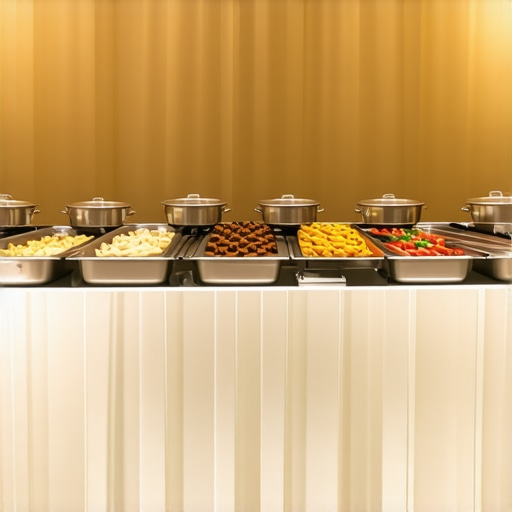
Arrange food stations in a logical sequence, from appetizers to desserts. Place popular items at the start to prevent crowding later. Use tiered displays to maximize surface area without cluttering pathways. Remember, a well-placed tray is like a well-timed call signal—keeping guests moving smoothly.
Implementing Strategic Server Placement
Assign staff to specific zones rather than wandering aimlessly—think of them as dedicated lanes in a race track. Stand servers at choke points, such as the beginning of the buffet line, to moderate flow. When I introduced a ‘traffic controller’—a lead server managing movement—the lines became noticeably shorter, and guest satisfaction increased.
Limit Server Movements
Train staff to keep their movements predictable and minimal. Equip servers with all necessary tools before service to avoid unnecessary trips. During one wedding, I coordinated a briefing where servers carried essentials in aprons, drastically reducing downtime between guest interactions and food replenishment.
Optimizing Food Replenishment
Set schedule for refilling trays during less busy moments—like traffic lights that regulate flow. Use smaller serving trays to prevent overfilling, which slows down serving as staff work to keep trays full. I once experimented with pre-portioning items into smaller containers, resulting in faster service and less food waste.
Use Visual Cues for Restocking
Implement indicators like empty trays or low-level signals to alert staff promptly. For example, a simple color-coded system where trays with a red cloth underneath signal the need for replenishment. This proactive approach keeps lines moving without lengthy pauses.
Training Staff for the Real-World Flow
Conduct drills simulating high-pressure scenarios. Emphasize quick, deliberate movements and guest engagement. In my experience, role-playing helps staff anticipate guest behavior, reducing errors and downtime during actual service.
Emphasize Communication
Ensure staff communicate effectively with each other through signals or headsets. Clear lines of communication prevent overlaps and double servicing, akin to well-coordinated dance partners—each knows their step.
By combining thoughtful layout, strategic placement, efficient food handling, and robust staff training, you turn the chaos of a busy buffet into a smoothly flowing experience. This approach not only impresses guests but also solidifies your reputation as a pro in catering logistics.
 While many professionals understand the basics of catering and service, few recognize the subtle pitfalls that can undermine even the most well-planned event. One common myth is that assigning more servers automatically improves guest experience; in reality, overstaffing can create confusion and fragmentation of service. The real key lies in strategic positioning and clear communication channels, which ensure a cohesive flow that guests barely notice. Moreover, an oversight that trips many up is neglecting the importance of specialized training tailored to the event’s unique dynamics—be it a wedding or a corporate gala—leading to mistakes that could have been avoided with targeted preparation. For advanced planners, it’s crucial to consider nuanced details such as the impact of server attire on guest perception, or how quick adaptability can handle unexpected issues seamlessly. According to industry expert insights, such as those found on wedding catering tips, honing these subtle skills elevates service from competent to exceptional. Don’t overlook the power of pre-event briefings and scenario drills, which prepare your server team for real-time challenges, reducing errors and enhancing overall satisfaction. Remember, the devil is in the details—small nuances in server etiquette or movement can noticeably influence the event’s success. Have you ever fallen into this trap? Let me know in the comments.
Maintaining a smooth-running catering or event setup requires more than just skilled staff—it’s about leveraging the right tools and systems to support your team over the long haul. One of my go-to solutions is the Toast POS system, renowned for its robust features tailored to catering operations. Its real-time inventory tracking ensures that your servers always know what’s available without the need for constant manual checks, reducing errors and delays during peak hours. I personally rely on its intuitive interface and seamless integration with accounting software, which streamlines post-event reconciliation and helps maintain operational consistency over time.
For managing schedules and shifts, When I Work has become indispensable. Its cloud-based platform allows me to assign and adjust staff shifts remotely, ensuring adequate coverage without overstaffing. The automation features send automatic reminders to staff, reducing no-shows and last-minute gaps—crucial during high-pressure wedding or corporate event days.
In terms of communication, I’ve found Zello invaluable for instant, push-to-talk messaging among team members. Unlike traditional radios, Zello operates over Wi-Fi or cellular data, integrating easily with smartphones—meaning no bulky radios required. Its ability to create dedicated channels helps me coordinate servers, chefs, and setup crews efficiently, especially in large venues where clear communication can make or break your timing.
Preparing for long-term success also involves consistent review and updates. I recommend maintaining a detailed log of maintenance schedules for equipment like chafing dishes, warming trays, and beverage dispensers. Regular checks, cleaning, and timely replacements prevent breakdowns during critical moments, saving you from last-minute scrambling.
Furthermore, adopting a preventative maintenance plan based on manufacturer recommendations prolongs equipment lifespan and ensures peak performance during every event. For example, scheduling quarterly servicing of beverage refrigerators and testing backup generators ensures reliability when you need it most.
Looking ahead, smart technology integration, like IoT sensors, will revolutionize how we monitor equipment status and environmental conditions in real time. Incorporating such innovations will elevate your operational resilience and reduce downtime significantly.
To get started, I recommend trying out a comprehensive inventory management app coupled with automated scheduling tools. These foundational steps will prove invaluable in scaling your operations without sacrificing quality.
Remember, consistent upkeep using the right tools not only preserves equipment but also enhances overall guest satisfaction. For those eager to refine their long-term strategies, exploring a tool like methods to optimize server efficiency can yield immediate benefits. Implementing these practices today will solidify your reputation as a reliable, professional caterer or event planner tomorrow.
Three Lessons That Transformed My Approach to Catering and Events
- More isn’t always better: I used to believe that adding extra staff would automatically speed up service, but I realized that strategic placement and clear communication are more critical. Overstaffing without coordination often creates confusion rather than efficiency. Focusing on well-trained, assigned roles has proven far more effective in delivering smooth service.
- Pre-event planning saves the day: Understanding guest flow, pinpointing bottlenecks, and rehearsing logistical scenarios beforehand drastically reduce on-the-spot errors. For example, mapping out the buffet layout with tape and adjusting based on real-time observations helped me cut wait times significantly and enhance guest satisfaction.
- Empowering staff with tools and training makes a difference: Providing servers with the right equipment, clear protocols, and role-specific drills ensures confident, swift responses during busy moments. Encouraging open communication channels further streamlines the service and fosters a team-oriented atmosphere.
Tools and Resources That Keep My Event Planning Sharp
- Toast POS System: Its real-time inventory tracking and seamless integration with scheduling software keep my operations smooth. I trust its reliability for managing supplies and accounting post-event, enabling me to focus on guest experience.
- When I Work: This cloud-based scheduling tool helps me allocate staff efficiently and reduces no-shows through automated reminders. Its flexibility adapts well to last-minute changes, a common feature of dynamic events.
- Zello: For instant communication, this app replaces bulky radios and keeps my team connected over Wi-Fi or cellular data. Clear channels and quick messaging are invaluable during high-pressure moments.
- Maintenance Logs: Keeping detailed records of equipment checks and servicing schedules ensures that everything functions smoothly during critical times, avoiding unexpected breakdowns that can derail plans.
Your Turn to Elevate Your Event Service
Remember, every detail counts when creating memorable and efficient events. By implementing insights from my journey—like strategic layout, targeted staff training, and leveraging technology—you can turn chaos into harmony. Don’t shy away from experimenting with new tools or methods; continuous refinement is key to excellence in servers,weddings,corporate events,catering. Ready to make your next event the smoothest yet? Share your experiences or questions below—I’d love to hear your stories and help you succeed!
,