

Ever been at a wedding or corporate event where the servers looked like they just rolled out of bed? There’s a certain awkwardness that creeps in when staff members aren’t dressed uniformly—they blend into the background or, worse, stand out in all the wrong ways. I remember one particular dinner service early in my career where a server showed up in mismatched attire, and I could see guests subtly whispering about the lack of professionalism. That moment was an eye-opener for me about the importance of a well-defined uniform code.
Clothes Make the Server: First Impressions Matter
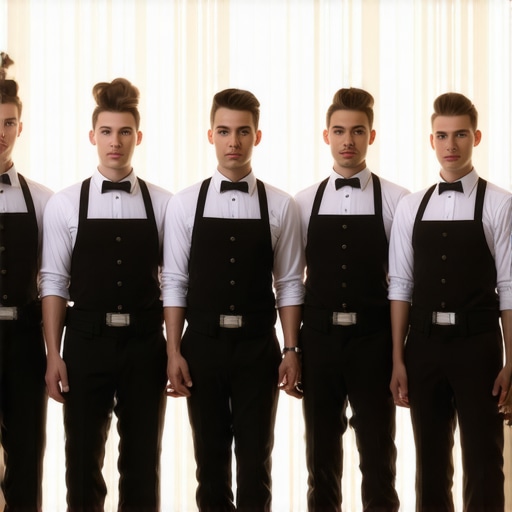
Let’s face it—first impressions can make or break the perception of your entire event. Your catering team’s appearance isn’t just about looking sharp; it’s about conveying credibility, reliability, and attention to detail. A consistent uniform tells guests, “We are professionals who care about your experience.” It’s simple, effective, and incredibly impactful. When staff dress in a cohesive way, it creates a sense of unity and helps guests identify who to approach for assistance. Over time, I’ve seen the difference a clear uniform policy makes—not just in the way servers carry themselves, but in how guests respond to the service received. Want to see your event stand out? It starts here.
Clear & Consistent: Setting the Ground Rules
Now, I know what you might be thinking—”Uniforms are just about looks, right?” Well, not exactly. It’s about setting expectations and maintaining consistency. Early on, I made the mistake of assuming that a simple apron would suffice—without considering factors like cleanliness, appropriateness, or branding. That oversight resulted in some servers wearing stained shirts or mismatched accessories, which tarnished the entire experience. That was a costly lesson, emphasizing the importance of a detailed uniform policy that covers everything from color schemes to grooming standards. It’s not about stifling individuality; it’s about creating a visual identity that guests can trust. From my experience, well-crafted uniform guidelines lead to increased staff pride and better teamwork, ultimately elevating the quality of service you deliver. For more ways to improve your team, consider exploring server skills that make every event stand out.
Have you ever faced a situation where poor attire affected guest perception? It’s a surprisingly common issue—I hear this all the time from fellow event planners and caterers. Addressing this head-on with a robust uniform code isn’t just about aesthetics; it’s a strategic move that can significantly boost your service quality and reputation.
In the next sections, I’ll walk you through practical steps to develop, implement, and enforce a uniform policy that works for your team. Because I believe that when your staff looks professional, your guests feel valued, and that’s the foundation of any memorable event.
,
Define Your Dress Code Clearly
Start by outlining specific uniform requirements tailored to your event type. For weddings, consider elegant attire with consistent colors and styles, while corporate events require a polished, branded look. During a time I managed a high-profile corporate dinner, I drafted detailed guidelines emphasizing proper grooming, logo placement, and apparel cleanliness. This clarity prevented confusion and ensured staff presented a unified appearance from the start.
Source Quality Uniforms and Accessories
Select durable, comfortable fabrics that hold up during long shifts. Opt for stain-resistant materials for ease of maintenance. When I procured uniforms for a large conference, I invested in breathable polyester blends with embroidered logos. The result? Staff stayed comfortable and looked professional all night, reducing distractions and guest complaints about appearance.
Establish Grooming and Hygiene Standards
Set strict grooming protocols—well-maintained hair, hand hygiene, and neat nails. During a wedding I coordinated, I implemented a checklist for servers ensuring uniforms were pristine, hair was tied back properly, and personal hygiene was impeccable. Enforcing these standards significantly boosted guest confidence and staff pride.
Train Staff on Uniform Expectations
Conduct quick training sessions emphasizing the importance of uniform compliance. Use role-playing to simulate scenarios where appearance influences guest perception. For a charity gala, I demonstrated how a well-dressed server can improve the event’s overall vibe, leading to better teamwork and guest satisfaction. Reinforcing these points early ensures adherence during the event.
Implement Enforcement Policies
Designate a supervisor to monitor uniform adherence throughout the event. Establish simple corrective steps—like offering spare attire or gentle reminders. I remember during a corporate retreat, a supervisor discreetly advised a server to replace a stained shirt, maintaining professionalism without embarrassment. Consistent enforcement cultivates a culture of uniformity.
Gather Feedback and Adjust
Post-event, seek staff input on uniform comfort and practicality. Use feedback to refine your policy. For an outdoor wedding, adjusting fabric choices based on staff comfort improved compliance and morale in subsequent events. Continuous improvement ensures your uniform policy remains effective and respected.
Leverage Visuals for Consistency
Utilize visual aids—such as photos of ideal uniforms—and incorporate them into training materials. During a corporate workshop, I provided a style guide with images, which reduced misunderstandings about attire expectations. Clear visuals reinforce standards and streamline enforcement.
Implementing these steps with precision ensures your staff’s appearance consistently reinforces your brand’s professionalism. Remember, a well-dressed team acts as the face of your event, creating lasting positive impressions that guests won’t forget. For additional tips on elevating your event service, explore server skills that make every event stand out.
 Even seasoned event planners sometimes fall prey to myths that can undermine their success. One widespread misconception is that guests judge an event solely by its visuals—the decor, the venue, or the food presentation. While aesthetics are important, the real impact often lies in the nuanced details that are overlooked. For example, many believe that high-end catering automatically elevates an event, but without considering practical factors like dietary restrictions and timing, the experience can fall flat. Moreover, some assume that hiring less experienced servers saves costs; however, this often results in poor service, guest dissatisfaction, and higher long-term expenses due to mistakes and rework. Diving deeper, advanced professionals recognize that the true challenge is managing the expectations and subtle cues that influence guest perception. It’s critical to avoid the trap of relying on surface-level solutions and instead focus on strategic planning that encompasses logistics, staff training, and real-time adjustments. A common myth is that catering logistics are straightforward—just order enough food and arrange staffing. In reality, detailed planning, like considering flow to minimize bottlenecks and timing the courses perfectly, can make or break the event’s success. Studies show that guests form lasting impressions based on staff professionalism and seamless service, often more than the quality of food itself. For example, during a high-stakes corporate dinner, overlooked details like staff positioning and promptness in clearing tables profoundly influenced guest ratings, despite the food being excellent. Don’t let these subtle pitfalls catch you off guard; understanding and mastering the complex layers behind execution is what distinguishes an average event from an extraordinary one. For practical tips on elevating your staff’s performance, check out expert server techniques that impress. Have you ever fallen into this trap? Let me know in the comments.
Keeping your catering and server operations running smoothly over time is a challenge that requires the right tools, consistent maintenance, and strategic planning. After years in the industry, I’ve honed a set of go-to equipment and software solutions that not only streamline day-to-day tasks but also ensure long-term excellence in every event I manage. One essential tool is a portable, high-capacity thermal printer, like the Epson TM-T88VI, which allows quick and reliable printing of receipts, labels, or guest badges on-site. This minimizes wait times and keeps service seamless. Additionally, I rely on a barcoded inventory management system such as Sortly to track supplies in real time, avoiding shortages or overstocking. The benefit? It reduces waste and keeps everything operational without last-minute scrambles. In terms of software, using comprehensive catering management platforms like Caterease has significantly improved event planning accuracy, from menu configuration to staffing schedules. These digital solutions facilitate scalability, whether you’re handling a wedding or a corporate mega-event, and can be customized to fit your unique needs. Looking ahead, I predict a rise in AI-driven order tracking and predictive analytics that will further optimize staffing and inventory decisions, making events even more flawless. To maintain your service quality over time, regular training refreshers combined with scheduled equipment checks are vital. For example, establishing a quarterly review of all hardware — from handheld POS devices to portable chafing dish warmers — ensures everything remains functional and up-to-date. Think of maintenance as the backbone of your operation; neglect it, and small issues can snowball into major disruptions. How do I maintain consistency in this evolving landscape? I recommend integrating routine audits with a checklist based on the specific tools you use, plus scheduling routine calibration of all equipment. For instance, routinely testing your wireless chargers and battery backups can prevent mid-service failures. Moreover, train your staff to perform basic troubleshooting — understanding how to replace a punctured gasket or reset a device can save precious minutes.
A practical example is streamlining your communication with a centralized app such as Slack or Basescamp, where quick updates and troubleshooting can happen in real-time. These platforms help maintain clarity and coordination, even during busy service hours. Remember, the goal is not just operational efficiency but ensuring your team can adapt to unexpected situations without missing a beat. As the industry leans more towards automation, embracing these technological tools today will future-proof your service. To maximize your maintenance routines, try creating a digital checklist that integrates with your calendar, reminding you to perform weekly inspections and updates on all your equipment. This proactive approach reduces downtime and sustains the high standards your clients expect. For insights into how to sharpen your team’s skills, check out server skills that make every event stand out. Keeping your tools in top shape isn’t just about avoiding problems — it’s about elevating your entire service experience. Regular, targeted maintenance combined with smart software investments ensures you deliver flawless events, every time. Ready to upgrade your toolkit? Start with a scheduled equipment review and see the difference it makes in your next event.
The Most Valuable Lessons I’ve Learned in Event Service
- Never underestimate the power of uniformity: Consistent dress codes not only elevate professionalism but foster team pride, which directly impacts guest perceptions and overall event quality.
- Grooming reveals respect for guests: Strict standards for personal hygiene and appearance communicate care and attentiveness, often surpassing the importance of the menu or decor.
- Preparation beats improvisation: Anticipating potential issues—whether with equipment, staffing, or logistics—can prevent mishaps that tarnish your reputation and disrupt guest enjoyment.
- Training is an ongoing process: Regular refreshers and scenario-based exercises keep staff alert and aligned with evolving standards, ensuring consistent service excellence.
- The devil’s in the details: Small touches, like arranging tableware symmetrically or ensuring dishes arrive at the right temperature, create a cohesive, memorable experience beyond just food and drinks.
Tools and Resources That Elevate Event Experiences
- Server skills guides: These provide practical techniques to enhance guest interactions and efficiency.
- Catering logistics masterclass: Essential for streamlining operations and reducing stress during complex events.
- Creative menu inspirations: Keeps your offerings fresh and exciting, impressing even the most discerning guests.
- Event planning templates: Templates that adapt to various event types, saving time and enhancing organization.
Your Next Step Toward Seamless Success
Don’t let the nuances of catering and service overwhelm you—embrace continuous learning and strategic planning, and you’ll create experiences that guests cherish long after the event ends. Each detail, from staff attire to equipment maintenance, builds your reputation as a consummate professional in the industry. Remember, the journey to mastery is ongoing, and every event is an opportunity to refine your craft. Are you ready to implement these insights and elevate your next occasion? Share your challenges or successes in the comments below, and let’s grow together!
For further inspiration and expert tips, explore the advanced server techniques that make every event stand out and transform your service delivery today.