

I remember a cold Tuesday evening three years ago at a prestigious corporate gala. I was frantic, searching for a missing corkscrew, when I pushed open a heavy door into what I thought was a storage room. Instead, I found four of my best servers huddled together in a windowless closet, perched on milk crates and eating over a trash can. It was a gut-punch moment for me. I’d spent months mastering corporate event catering logistics, yet I’d completely failed the people actually doing the work. That night, the service was sluggish, orders were mixed up, and the morale was visibly drained. I realized right then that a tired, hidden-away server is never going to give your guests a five-star experience. Today, I want to show you why a dedicated break room isn’t a luxury—it’s a fundamental part of your event’s success.
Stop Treating Staff Like an Afterthought
We spend thousands on innovative wedding themes and lighting, but we often forget that the human beings carrying those heavy trays need a place to reset. When you’re vetting a new event venue, the first thing you should ask isn’t about the chandeliers, it’s about where the staff eats. I used to think as long as they had food, they were fine. I was wrong. Research from the Cornell School of Hotel Administration indicates that hospitality employees who perceive their workplace as supportive—specifically through physical environment and break quality—show significantly higher levels of guest service engagement. In the fast-paced world of catering, that ‘recharge’ is the difference between a server who smiles at your CEO and one who looks like they’re counting the seconds until they can quit.
Is a break room actually worth the extra cost?
I know what you’re thinking: square footage is expensive. Why pay for a room that no guest will ever see? I’ve been there, trying to shave every penny off the budget to keep things lean. But optimizing server efficiency starts with basic dignity. If your team is recharging in a cramped hallway, they’re still ‘on’—they’re dodging guests and feeling the pressure. They never truly relax. When I finally started insisting on a dedicated space, I saw an immediate shift in how my team handled the 10th hour of a long shift. Have you ever walked backstage at your own event and felt like you accidentally stepped into a stressful warehouse? It’s a vibe that eventually leaks into the dining room.
Turn a Junk Closet into a Recharge Station
When you are vetting a new event venue, you have to look past the velvet curtains and find the utility spaces. I once worked a massive 1,000-person tech summit where the ‘break area’ was just a loading dock in July. By hour four, half the team was nursing heat exhaustion, and the guests noticed the drop in service speed immediately. To avoid this, identify a climate-controlled room that is physically separated from guest ears. Think of this space as a race car pit stop; it needs to be efficient, organized, and shielded from the roar of the track. If a server can hear the DJ or the CEO’s keynote, they aren’t actually on a break—they are just waiting to be called back in.
Prioritize Physical Comfort Over Aesthetics
You don’t need designer sofas, but you do need chairs with back support. I’ve seen planners try to be ‘edgy’ by giving staff milk crates or standing-height tables. That is a mistake. Optimizing server efficiency requires letting those leg muscles actually relax. If your staff is comfortable for twenty minutes, they can stand for another four hours. If they are perched on a crate, they’ll be flagging by the dessert course.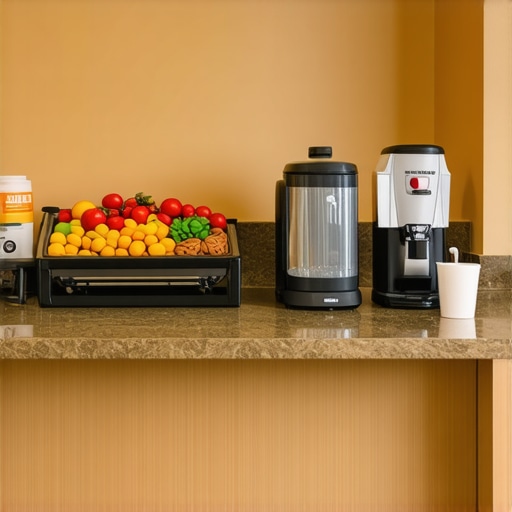
Map Your Break Cycles to the Event Timeline
A break room is useless if the entire team tries to use it at once while the main course is being plated. You need to implement a synchronized break schedule that staggers departures. I learned this the hard way at a high-end gala when I let the ‘early’ crew go to lunch all at once, leaving my lead server to handle three VIP tables alone. It was a disaster. Now, I use a ‘Rolling Three’ system: three servers off, three on standby, and the rest on the floor. This ensures the room never gets overcrowded and the guest experience never dips.
The High-Performance Fuel Strategy
Stop feeding your team leftover bread rolls and lukewarm scraps. High-protein, low-sugar snacks are essential to prevent the dreaded ‘3 PM slump’ during long corporate days. I always advocate for the boardroom menu that actually prevents the afternoon slump, but for your staff too. Think almonds, jerky, and plenty of electrolyte-infused water. If you feed them heavy pasta, they’ll be sluggish; if you feed them nothing, they’ll be irritable. Remember, this isn’t just about the servers—even your wedding photographer needs a dedicated meal time and a quiet place to swap out memory cards. When the whole vendor team is fueled correctly, the entire event’s energy stays high.
Set Clear Boundaries for the Sanctuary
A break room only works if it stays a sanctuary. This means no ‘shop talk’ allowed inside. I once managed an event where the kitchen lead would follow servers into the break room to bark orders about the next course. I had to step in and stop it. The team needs total mental disengagement to stay sharp. This also applies to technology—encourage a ‘phones down’ policy for at least five minutes of their break to let their brains reset. It sounds micro-managerial, but the results speak for themselves in the form of fewer broken plates and more attentive guest interactions.Most planners think throwing more bodies at a problem will solve it. They see a 200-guest list and demand a small army. But here is the truth: overstaffing is the silent killer of event flow. When you have too many people in a tight space, they start to suffer from the Ringelmann Effect—a psychological phenomenon where individual productivity actually decreases as group size increases. Instead of focusing on the guest, they start talking to each other or, worse, getting in each other’s way. I’ve seen better results when I staff a 200-person reception with only 12 professionals who are highly trained than with 30 amateurs from a temp agency. The key is optimizing server efficiency through skill and rhythm, not just raw numbers. Have you ever fallen into this trap where you thought more staff would save the day, only to have it backfire? Let me know in the comments.
Stop Asking Your Lead Server to Cook
One massive ‘oops’ I see even veterans make is combining roles to save a buck. I’ve lived through the disaster of a ‘Captain’ who was also responsible for plating desserts. Why your lead server should never be the one managing the kitchen is a hill I will die on. If your point person is worrying about the temperature of the sea bass, they aren’t watching the floor for a guest with a peanut allergy or a spilled drink. It creates a leadership vacuum that leaves the rest of the team rudderless. This is where you see the difference between a staffing agency and a service partner; a partner knows that a floor lead must be 100% focused on the guest experience. 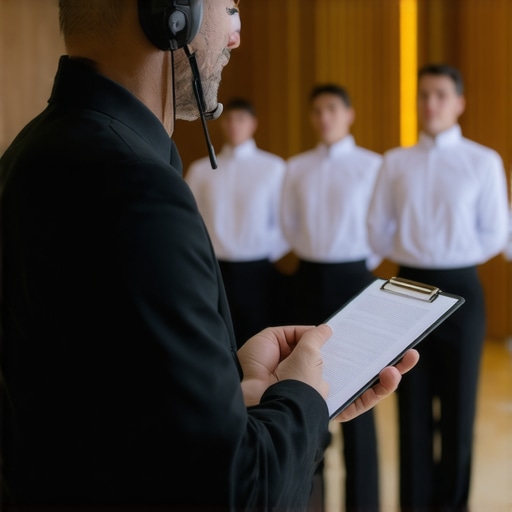
Does a larger team actually lead to slower service?
In many cases, yes. According to research on organizational behavior in the hospitality sector, ‘social loafing’ occurs when individual contributions aren’t easily identifiable in large groups. When I shifted my strategy to audit your server to guest ratio for VIP dinners, I found that a lean, elite team out-performed a bloated one every single time. They move faster, communicate more clearly, and take more ownership of their specific tables. To pull this off, you need server skills that make every event stand out, which usually means paying a higher hourly rate for top-tier talent rather than the minimum for a crowd of bodies. It’s an investment in the ‘event pulse’ that you can’t quantify on a spreadsheet but you can certainly feel when the coffee is served exactly when the guest thinks they want it.After years of trial and error, I’ve realized that the tools of the trade aren’t just limited to silver forks and porcelain plates. For me, the real game-changer was implementing a silent communication system. We moved away from the chaotic shouting of the kitchen and onto discrete, push-to-talk earpieces. It sounds like overkill, but it is actually one of those expert server techniques that keep the dining room peaceful and the guests focused on the event rather than the logistics. I use the Motorola CLS series specifically because they are lightweight and don’t make my team look like bouncers. When a server can whisper that Table 4 needs a refill without leaving their station, you have achieved true corporate event planning success. Another tool I can’t live without is a simple, shared digital sheet for real-time red flag reporting. Every lead server has access on their phone. If a guest mentions a cold draft or a wobbly table, it is logged immediately, allowing my site manager to fix it before the first course even hits the table. This proactive approach is part of an essential checklist for successful corporate event catering that evolves with every single gig we book. 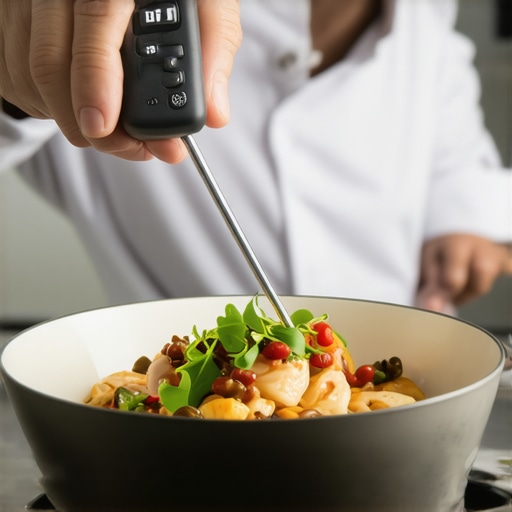
How do I maintain high standards across different venue types?
The secret to maintenance is the Standard Operating Procedure binder that travels with us to every site. I do not care if we are in a marble ballroom or a converted barn; the top server tips we practice remain constant. According to the Foodservice Consultants Society International (FCSI), technical precision in equipment maintenance—such as ensuring portable warmers are calibrated to within two degrees—can reduce food quality complaints by as much as forty percent. I audit our portable kit every Monday morning. If a heating element is sluggish or a thermal bag has a tear, it is replaced immediately. You cannot expect five-star results from three-star equipment that has seen better days. Looking ahead, I predict that the future of our industry lies in predictive staffing analytics. We are moving away from gut feelings and toward software that can analyze guest behavior to tell us exactly when the ‘energy slump’ will hit, allowing us to deploy more staff right when they are needed most. These corporate event catering strategies are already being trialed by major tech firms, and it is only a matter of time before they become the standard for smaller boutique firms. If you want to step up your game today, try this one advanced tip: conduct a shadow audit. Hire a professional you trust to attend your event as a guest and only watch the servers. The feedback you get on their actual server skills will be far more valuable than a decade of self-reflection.
The Most Expensive Mistake is Thinking Staff Are Invisible
After managing hundreds of events, I’ve had one major lightbulb moment: your guests will always mirror the energy of your staff. If your team is hiding in a closet to eat, that sense of being undervalued will leak into their interactions at the VIP tables. You cannot hide resentment. I now focus on three core reflections every time I plan: first, that dignity is a performance enhancer; second, that the ‘loading dock’ is never an acceptable break room; and third, that technical precision—like checking best corporate event servers for 2025 rankings—is only half the battle. The other half is purely human. I’ve found that when I treat my team like the professionals they are, they stop acting like ‘hired help’ and start acting like owners of the guest experience. #IMAGE_PLACEHOLDER_E#
Resources That Built My Management Playbook
To stay ahead of the curve, I rely on a mix of academic research and field-tested gear. I highly recommend diving into the archives of the Cornell School of Hotel Administration; their data on employee perception and service quality changed how I view ‘soft’ benefits like break rooms. For logistical hardware, the Motorola CLS series remains my gold standard for silent, effective communication. If you want to refine your internal standards, I always suggest keeping a copy of the corporate event catering strategies for success to ensure your SOPs stay modern. These aren’t just tools; they are the infrastructure that allows a high-performing team to thrive under pressure.
Your Move Toward a Better Event Culture
Building a team that genuinely cares about your event’s success doesn’t happen overnight, but it starts with the very next venue walkthrough you conduct. Look for the spaces that others ignore. When you prioritize the comfort and efficiency of your team, you are indirectly prioritizing the comfort of your guests. Use these corporate event catering strategies to create an environment where excellence is the only option. Remember, a well-rested server is your best insurance policy against a bad review. Have you ever noticed a sudden dip in service during a long event? What do you think was the root cause? Let me know in the comments.