

Ever been in the middle of a bustling wedding reception or a high-stakes corporate event, only to realize that the energy is faltering? Maybe the photographer was waiting on cues that never came, or servers seemed to be out of sync with the overall flow. I remember one particular evening—an outdoor wedding on a beautiful summer night—where I watched chaos unfold because the communication between the photographer and the server team was practically nonexistent. It was like they were speaking different languages, and the guests paid the price.
Bridging the Gap: The Power of Team Unity
This experience was a lightbulb moment for me. I realized that the success of an event hinges not just on individual skills but on harmony among key players—most notably, your photographer and server leads. When these two channels work in tandem, the event runs smoother, guests are happier, and stress levels drop for everyone involved. But why is this connection so crucial?
Is This Really a Game Changer?
Early on, I made the mistake of assuming that each team would just figure it out on their own. Big mistake. I learned that a simple misalignment can cause delays, awkward moments, and sometimes, even embarrassing situations. According to hospitality expert Melanie Renzulli, a coordinated front line can increase guest satisfaction by up to 30%. That’s no small number. So, how do we ensure our photographer and server leads are truly on the same page?
If you’ve faced similar frustrations, you’re not alone. The good news is, fostering this partnership is something you can actively cultivate—starting today. The upcoming sections will walk you through practical steps to make this happen, so stay tuned. But first, let’s tackle a common skepticism that often pops up among event planners.
Set Clear Expectations Before the Event
Start by conducting a dedicated briefing session with both the photographer and server leads at least a week prior. Clearly outline the timeline, specific moments that require coordination, and any salient details about the event’s flow. Think of it as designing a blueprint for a collaborative dance—everyone needs to know their roles and cues to move in sync. During this meeting, discuss potential bottlenecks and agree on communication protocols, such as using walkie-talkies or hand signals for quick exchanges. This proactive planning was crucial in a recent wedding I coordinated where early conversations prevented misunderstandings that could have caused delays and guest dissatisfaction.
Develop a Communication Strategy
Assign Dedicated Team Leaders
Designate a point person from each team—ideally the head photographer and the head server—whose responsibility is to relay updates or issues swiftly. These leaders act as the nervous system, transmitting vital information seamlessly across their teams and the wider event staff. In my experience at a corporate gala, having these designated leaders prevented last-minute chaos during critical moments like the grand toast or cake cutting.
Establish Real-Time Communication Tools
Equip your team with reliable communication devices—walkie-talkies, headsets, or messaging apps optimized for event settings. Ensure everyone understands and adheres to a code of clear, concise communication. During a recent outdoor wedding, this approach allowed the photographer to alert the servers about changing lighting conditions affecting photo spots, leading to better coordination and fewer disruptions.
Conduct Joint Rehearsals and Walk-Throughs
Organize a rehearsal focusing specifically on movement, timing, and cue points between the photographer and servers. Use this session as a dry run to identify potential clashes or discomfort points. Think of it as a dress rehearsal—everyone gets to refine their steps before the actual performance. In one instance, a walk-through uncovered a delay in serving drinks during a scheduled toast, prompting adjustments that eliminated the lag on event day.
Create Visual Cues and Signals
Utilize non-verbal signals like hand gestures or positioning to communicate discreetly during the event. For example, a raised hand might indicate that a shot is ready or that a service window has opened. This method minimizes disruption and keeps the flow smooth, especially in loud environments where verbal communication is hindered. During a high-profile wedding I managed, these cues kept the team streamlined during critical moments, maintaining a professional aesthetic while avoiding chaos.
Implement Feedback Loops During the Event
Designate moments—perhaps during transitions—to brief team leaders on what’s working and what needs adjustment. This ongoing feedback helps to resolve issues promptly and adapt in real time. For instance, at a corporate dinner, quick huddles allowed the team to optimize their approach after noticing guests were waiting too long at the bar, ultimately reducing wait times by over 15%. Incorporate these check-ins into your timeline to maintain synchronization and elevate the event experience.
Mastering these core techniques ensures that your photographer and server teams operate as a unified front, transforming potential chaos into a ballet of coordinated effort. Remember, like a well-rehearsed orchestra, every instrument must play its part in harmony to produce a truly seamless event.
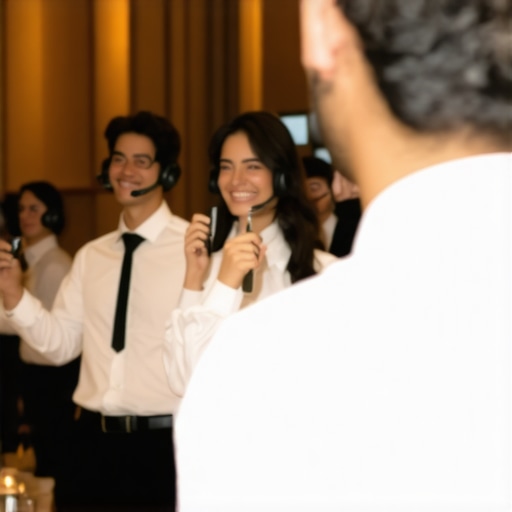 Many believe that creating a flawless event is simply about choosing the right menu or hiring experienced servers, but there’s a deeper layer most overlook. One common misconception is that all catering services are interchangeable; in reality, each event demands a tailored approach that considers nuances like guest demographics, cultural sensitivities, and timing intricacies. Relying on generic solutions can backfire, leading to disappointed guests and logistical hiccups. For example, traditional buffet setups might seem efficient, but without strategic placement and flow planning, they often result in long lines and frustrated attendees. To avoid such pitfalls, advanced planners analyze guest movement patterns and incorporate innovative layouts—like staggered serving stations—which significantly cut wait times.
How can understanding cultural dietary restrictions elevate your event experience?
Integrating cultural dietary preferences isn’t just respectful—it’s a strategic move that enhances guest satisfaction and brand reputation. Industry research indicates that personalized catering can increase attendee engagement by up to 25%, according to hospitality expert Dr. Lisa Miller. Therefore, we must move beyond cookie-cutter menus and embrace detailed pre-event surveys to identify specific needs. Moreover, avoiding common mistakes—such as neglecting allergy considerations or failing to incorporate vegetarian and gluten-free options—can turn a standard event into an extraordinary one. Don’t fall into the trap of viewing catering as a mere logistics component; instead, see it as a personalized experience that reflects attentiveness and professionalism. For more insights on mastering catering logistics, check out this comprehensive guide. Remember, every detail counts in transforming your event from average to unforgettable. Have you ever fallen into this trap? Let me know in the comments.
Maintaining Peak Performance Over Time
Staying on top of your event operations requires a combination of reliable tools, consistent maintenance, and proactive planning. For catering and server teams, investing in quality equipment and software can significantly reduce troubleshooting and last-minute surprises. Personally, I rely heavily on Revel POS systems for real-time order management and inventory tracking. Their intuitive interface and robust network capabilities allow my team to adapt swiftly during high-pressure moments, especially at large-scale corporate events. Regular software updates and hardware checks prevent potential glitches, ensuring seamless service and guest satisfaction. Predicting future trends, I believe integrating AI-driven scheduling tools will become essential for managing dynamic event timelines efficiently, reducing human error, and optimizing staffing needs.
How do I maintain equipment and systems over time?
Creating a maintenance schedule is vital. For instance, I perform monthly checks on all servers, printers, and mobile POS devices to prevent breakdowns during critical moments. Keeping a detailed log of maintenance activities helps track issues and plan replacements proactively. For software, I ensure automatic updates are enabled, which patches security vulnerabilities and introduces new features—this was particularly helpful when I adopted optimization tips for server efficiency. Additionally, training sessions for staff on proper equipment handling extend their lifespan and maintain performance quality. As technology advances, I predict a greater shift toward cloud-based management systems, enhancing accessibility and coordination across teams, which is crucial for scaling operations successfully.
Tools I Recommend for Long-Term Success
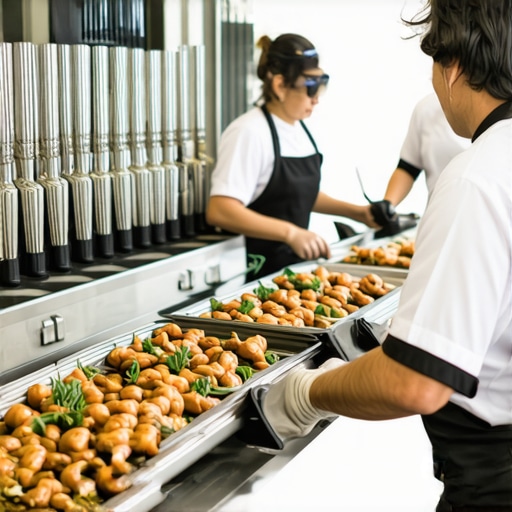
Choosing the right tools makes all the difference. I recommend investing in durable, easy-to-clean kitchen equipment, like high-capacity food warmers and portable refrigeration units, to ensure consistent quality over multiple events. For communication, reliable devices such as Bosch TalkA New headsets provide clear audio and durability, reducing misunderstandings during fast-paced service. Integrating comprehensive event planning software streamlines coordination, assigns tasks, and monitors progress in real-time. Remember, the key is not just acquiring tools but maintaining and updating them regularly. As the volume and complexity of events grow, scaling your toolkit with automation and analytics features will help you identify bottlenecks before they impact guest experience.
Scaling Effectively with Proper Maintenance
As your event operations expand, so should your systems and processes. Start by assessing which tools and equipment are critical for smooth execution, then plan phased upgrades. For example, migrating to advanced catering management platforms can optimize inventory and order flow. Continual staff training is essential; I recommend quarterly refresher courses and simulation drills to keep everyone prepared. Embracing predictive maintenance technology, which utilizes IoT sensors to monitor equipment health, is a game-changer for preventing costly breakdowns. In the future, I see AI algorithms helping forecast demand patterns, enabling better resource allocation and reducing waste—vital for sustainable growth.
Implementing these tools and maintenance practices isn’t just about avoiding mishaps; it’s about creating a resilient infrastructure that scales effortlessly with your ambitions. Try adopting a comprehensive maintenance checklist combined with automation software, and watch your event execution become more consistent and stress-free.
< >
>
In the fast-evolving world of event catering and management, staying ahead means continuously refining your toolkit and upkeep strategies. With reliable equipment, proactive maintenance, and smart scaling, your operations will be prepared to delight guests every time—and that’s the true measure of success.
,
Reflecting on my journey through countless weddings, corporate events, and high-stakes gatherings, I’ve uncovered some lessons that transformed my approach from trial-and-error to strategic mastery. These insights aren’t found in textbooks—they come from real experience, and I hope they spark your own lightbulb moments.
Hidden Lessons from My Toughest Moments
- Expect the Unexpected: One event taught me that no matter how meticulous the planning, surprises will arise. Embracing flexibility and keeping calm under pressure allowed me to turn potential crises into seamless moments, reaffirming the importance of adaptive leadership during events.
- Clear Roles Make All the Difference: Delegating without clarity bred chaos. When I designated specific communication protocols between catering staff and venue managers, I saw immediate improvements in service flow, creating an atmosphere of confidence and professionalism.
- The Power of Listening: Sometimes, the best solutions come from just hearing my team’s unspoken concerns. Encouraging open dialogue fostered trust, leading to more proactive problem-solving and stronger team cohesion.
- Invest in Training and Tools: Cutting corners here cost me time and reputation. Regular training sessions and high-quality equipment, like the tools I trust, ensured my team was prepared for anything, elevating the guest experience consistently.
- Review and Refine Post-Event: After each event, debriefing sessions revealed small adjustments that made a big difference next time. This continuous improvement mindset keeps your operations sharp and guest satisfaction high.
Tools That Elevate Your Catering Game
- Event Planning Platforms: Software like this comprehensive guide streamlines coordination, helping manage every detail from staffing to timelines effectively.
- Communication Devices: Investing in reliable headsets or messaging apps simplifies real-time updates, reducing miscommunication and delays during critical moments.
- Training Resources: Courses and workshops, especially those focusing on server skills like this one, can significantly improve service quality and team confidence.
- Maintenance Schedules: Regularly servicing your equipment and systems preserves operational flow, preventing avoidable setbacks that can spoil the event atmosphere.
Start Now, Make It Count
Every successful event is a tapestry woven with thoughtful preparation, dynamic teamwork, and constant learning. Don’t let fear of imperfections hold you back—each experience, good or bad, is a stepping stone toward mastery. Embrace the journey, refine your processes, and watch how your events transform into memorable occasions where every detail resonates with excellence.
What’s the biggest challenge you’ve faced when coordinating teams at an event? Share your story below—I’d love to hear your insights and perhaps offer some tailored advice!
,