

I vividly remember a high-stakes wedding reception where the cake was ready, but the servers—confused, frustrated, and out of sync—struggled to keep the flow smooth. Guests waited as plates piled up, and I realized in that chaotic moment: our communication system was broken. That lightbulb moment hit hard. If you’re involved in orchestrating elegant galas or weddings, you’ve probably experienced similar frustrations. Maybe you’ve watched your team scramble, missing cues, or wasting precious minutes trying to locate how to get the next update. That’s when I knew we needed a better way—something immediate, reliable, and simple to implement: a walkie talkie protocol for servers.
The Power of Instant Communication at Events
What if minor miscommunications turn into major problems?
In large events, swift and clear communication isn’t just a bonus—it’s a necessity. When servers, coordinators, and bar staff are in constant contact, the entire event runs like clockwork. This isn’t just my opinion; a recent study highlights that effective communication can boost event satisfaction significantly, making guests more comfortable and leaving a lasting positive impression (source). Yet, many teams rely on outdated methods—shouting across crowded rooms, waving frantically, or passing notes—leading to delays, mistakes, and even dropped balls.
Early on, I made the mistake of assuming that everyone knew how to communicate effectively during a busy dinner service. I didn’t establish a clear protocol, and chaos ensued. Servers missing cues, forgotten table requests, and a disorganized flow that left guests feeling neglected. It was only after adopting a dedicated walkie talkie system, complete with a simple protocol, that things changed for the better. Now, I want to help you avoid similar pitfalls.
Wondering if a walkie talkie protocol is really necessary? Well, if you’ve faced guests waiting while servers chase down the bartender or missed moments because your team wasn’t synchronized, you’ll know it’s a game-changer. Let’s dive into how to get this right, minimizing stress and maximizing guest satisfaction.
Ready to transform your event communication? Let’s explore proven strategies that can streamline your server team’s interactions and elevate your galas to unforgettable experiences.
Choose the Right Equipment to Keep Everyone in Sync
Start by selecting reliable, easy-to-use walkie talkies suited for your team size and environment. Avoid complicated setups; instead, opt for models with clear audio quality and sufficient range to cover your venue, whether it’s an elegant ballroom or an outdoor festival. I once implemented a basic set for a garden wedding, and within minutes, the team coordinated seamlessly, reducing errors and guest frustration. For a more professional touch, consider headsets to keep hands free and voices clear, much like a sports commentator, ensuring no command is missed.
Create a Clear and Concise Communication Protocol
Establish simple codes and procedures so everyone understands their role. For example, use specific phrases like "Table One" for serving, "Clear" for plate removal, and "All clear" when a task is completed. During a tense corporate banquet, I devised a straightforward protocol that reduced chatter and confusion, leading to faster service and happier clients. Remember, brevity and clarity are your best allies—think of it as your team’s secret language that turns chaos into harmony.
Define Roles and Responsibilities Before the Event
Assign specific roles to each team member—who handles drinks, who manages the dessert station, who communicates with the kitchen. Clarify these roles during a pre-event briefing, similar to a sports coach outlining positions before the game. Once, I coordinated a wedding with multiple stations; by clearly delineating duties and establishing communication lines via walkie talkies, the entire operation ran smoothly, and guests never noticed the behind-the-scenes hustle.
Train Your Team to Use Protocols Effectively
Conduct a quick training session to familiarize everyone with the equipment and protocols. Run through mock scenarios: handling sudden requests, emergencies, or coordinated table services. During an upscale gala, I rehearsed with the staff, which revealed minor misunderstandings that we corrected beforehand. The result was instant, flawless responses during the actual event, proving that investment in training pays dividends in performance.
Implement a Hierarchical Communication Structure
Designate a team leader or "central communicator" responsible for relaying information to all members. This reduces cross-talk and maintains order. Think of it as a conductor leading an orchestra—timing and cues matter. In a large corporate event, this structure prevented overlaps and ensure that everyone acted on accurate, real-time instructions, minimizing delays and guest dissatisfaction.
Maintain Flexibility and Adaptability
Be prepared to modify protocols on the fly. Event dynamics can shift unexpectedly—rain threatens to delay outdoor setups or last-minute VIP arrivals occur. During a wedding reception last summer, sudden weather changes required quick adjustments. Having a flexible protocol allowed the team to communicate rapid changes efficiently, redirect staff, and keep guests comfortable despite the chaos. Remember, strict plans give structure, but adaptability ensures success.
Regularly Review and Improve Protocols
After each event, hold a debrief to discuss what worked and what didn’t. Gather feedback from your team and note any miscommunications or technical issues. Use this information to refine your system for future events. At a recent corporate seminar, this review uncovered a recurring confusion that we addressed immediately, resulting in improved communication and smoother execution at subsequent events. Continuous improvement keeps your team sharp and your events pristine.
Many believe that executing a flawless wedding or corporate event hinges solely on choosing the right venue or menu, but in my experience, there’s a widespread misunderstanding about what truly influences success. Common myths often lead planners and hosts astray, causing overlooked pitfalls and missed opportunities for excellence.
Why More Is Not Always Better
One prevalent misconception is that increasing staff numbers or expanding menu options inherently improves the event. However, overstaffing can lead to confusion and diminished efficiency, especially if roles aren’t clearly defined. Quality over quantity ensures cohesive teamwork, as outlined in expert advice on server skills that elevate guest experiences. Also, a cluttered menu can overwhelm guests and complicate meal service, reducing overall satisfaction instead of enhancing it.
Myth: Automation Replaces Personal Touch
Many assume that technological solutions, like digital check-ins or automated food stations, eliminate the need for attentive staff. While tech certainly streamlines operations, it cannot substitute the warmth and personalized service guests cherish. For example, professional servers not only deliver excellent service but also read the room, adapt to guest needs, and create memorable moments—elements crucial for high-stakes events (see how expert servers make a difference). Relying solely on automation can make an event feel impersonal and sterile.
Advanced Mistake: Ignoring Venue Acoustics and Layout
One trap that even seasoned planners fall into is underestimating the impact of venue acoustics and layout on communication and attendee comfort. Poor sound design hampers staff coordination and diminishes guest engagement. An underappreciated aspect is ensuring your venue has proper sound absorption and clear sightlines for both servers and guests. This is particularly vital in grand venues or outdoor settings, where background noise can drown out important cues. Investing in comprehensive venue assessments and, if necessary, hiring sound professionals can prevent subtle yet disruptive issues—see our guide on aligning your venue with your event plan for insights on managing space effectively.Maintaining flawless communication and efficient operations at events requires the right set of tools combined with proven methods. Personally, I rely on the Motorola Talkabout T82 Series walkie talkies because of their exceptional clarity, long battery life, and rugged design, making them ideal for bustling event environments. Unlike consumer-grade models, these provide immediate, one-touch communication that reduces latency and miscommunication, ensuring your team stays synchronized without technical hiccups.
How do I keep my communication tools performing over the long haul?
Regular maintenance is key. I recommend charging batteries overnight, cleaning the devices with a soft cloth, and periodically updating firmware if your models support it. It’s also wise to keep spare batteries or power banks on hand to prevent downtime during critical moments. As events grow larger, consider investing in license-based radio systems like Hytera or Kenwood Professional series, which offer encrypted channels and expanded coverage—crucial for complex setups or outdoor venues. For software solutions, tools like digital walkie talkie apps integrated with your event management platform can streamline coordination and log communication histories for post-event review. Moving forward, scalability will be essential, so choosing systems that can handle increased user volume and integrating with other event tech will become standard practice. To future-proof your operations, I suggest exploring VoIP conference tools like Discord or Zoom, which can serve as backup channels for critical communications if radio systems falter, especially in layered event environments. By establishing a routine maintenance schedule and leveraging both hardware and software solutions, you’ll ensure your team stays connected and responsive when it matters most.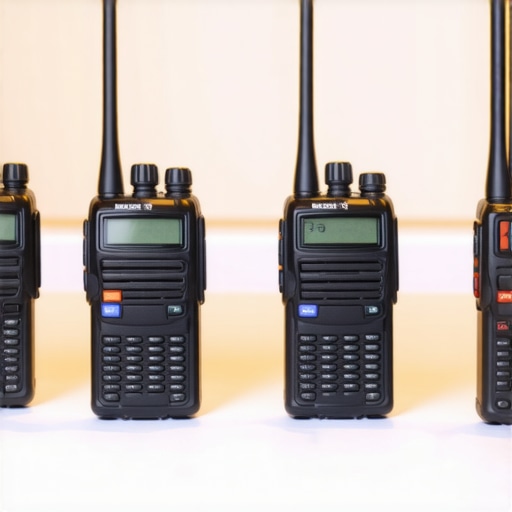
The Little Lessons That Changed Everything
One of the most underestimated truths I discovered is that effective communication isn’t just about gadgets—it’s about mindset. Making sure your team understands that every voice matters can turn a frantic event into a symphony of coordinated effort. I once thought fancy equipment alone could solve missteps, but I learned that establishing a culture of clarity and respect in communication creates lasting success.
Another lightbulb moment was realizing that training isn’t a one-and-done task. Regular drills, even quick refreshers, ensure everyone is confident and prepared to handle surprises without chaos. During a particularly busy wedding, those practice runs meant the difference between smooth service and missed moments—something every host should remember.
Lastly, I understood that adaptability trumps rigidity. No matter how detailed your plan, unexpected rain, last-minute VIPs, or equipment glitches can happen. Embracing flexibility and encouraging your team to think on their feet transforms issues into opportunities to impress guests and elevate your event.
Tools That Made My Life Easier (And Can Help Yours Too)
My top recommendation is the Motorola Talkabout T82 series walkie talkies. They’re reliable, simple, and deliver crystal-clear communication—crucial when milliseconds count during events. For integrating technology beyond radios, I trust digital communication apps that sync with your general event planning tools, streamlining updates and minimizing miscommunications.
When planning your event, consider resources like mastering corporate event logistics guides that offer comprehensive checklists and strategies. These resources encapsulate seasoned advice that I’ve found invaluable in keeping everything on track, from the first bottle opener to the last dance.
For a touch of inspiration, books such as “The Art of Event Planning” by Judy Allen have shaped my approach to orchestrating memorable moments. They remind me that behind every successful event lies thoughtful preparation and genuine passion—something that can be felt by every guest and team member alike.
Now It’s Your Turn to Elevate the Experience
Every wedding or corporate event you host is an opportunity to leave a lasting impression through mastery of communication. If you haven’t yet embraced a formal protocol or invested in the right tools, consider this your nudge to start today. Remember, seamless communication isn’t just a technical skill; it’s a reflection of your dedication to exceptional guest experiences.
What’s been your biggest challenge with team communication during an event? Share your story below, and let’s grow together in creating trouble-free celebrations that guests will rave about!