

I vividly remember the moment during my sister’s wedding when the band started playing, and I realized something was off—everyone was crowding near the sound system, and the energy was scattered. It hit me then that even the most talented wedding bands struggle to engage guests effectively without a dedicated stage. That realization transformed how I view event setups, especially for weddings and corporate celebrations. If you’ve ever hosted an event where the music seemed lost in the noise or the dance floor felt disconnected, you’re not alone. The solution? Giving your wedding band its own stage isn’t just about aesthetics; it’s about creating an atmosphere where music and celebration truly shine. Today, I’ll share why prioritizing a dedicated stage for your band can elevate your event from good to unforgettable, based on real-world experience and industry insights.
Creating a Focal Point: Why Band Stages Matter
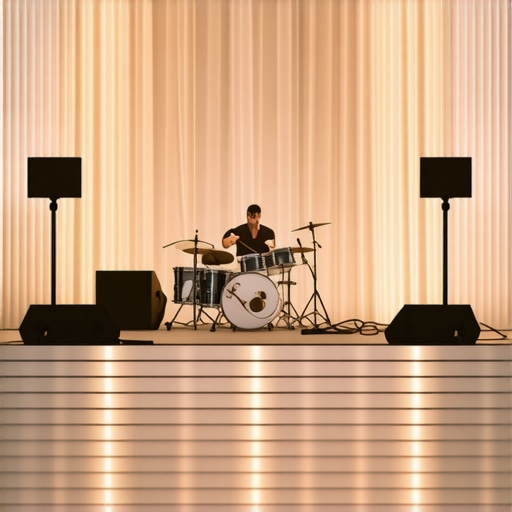
A well-designed stage isn’t merely a decorative element; it’s the heart of the celebration. When your wedding band has its own space, it becomes a visual anchor that draws guests in. Without it, the band might be hidden or overshadowed by tables, decor, or the chaos of the crowd. This often leads to muffled sound, limited interaction, and a general lack of energy, which can hinder your guests from fully engaging with the music. Just as a spectacular venue can turn a good event into a memorable one, a dedicated stage amplifies the impact of your band performances.
From personal experience, I once attended a wedding where the band was placed behind a pillar, tucked out of sight. Despite their talent, the awkward placement meant guests barely noticed them until late into the evening. The result was a less lively atmosphere until the band finally moved to a proper stage, after which everything changed. Guests started dancing, and the energy surged. It was then I realized, a stage isn’t just for looks—it’s a tool to foster connection and keep the party moving.
Studies show that event design factors like stage placement and size significantly influence guest engagement. According to a report by Eventbrite, 78% of attendees say they are more likely to enjoy an event when there’s a clear focal point or stage. This visual cue directs attention and encourages participation, making every moment more memorable.
So, if you’re considering your wedding or corporate event setup, ask yourself: Have I given the band a proper platform to perform and engage? Or are they just an afterthought buried among the tables and decorations?
In the next sections, I’ll guide you through the practical steps to ensure your band’s stage setup enhances your event—no more missed opportunities for a lively, cohesive celebration. Ready to make your event unforgettable? Let’s dive deeper into designing that perfect stage experience.
Choose the Right Location for Your Stage
Start by selecting a spot that naturally draws guest attention, such as near the dance floor or central area. Avoid cluttered corners or behind large decor pieces. Think of it like placing a spotlight on a performer—ensure visibility from all angles and clear sightlines. During my sister’s wedding, we initially placed the band beside the entrance, but guests didn’t notice them. Moving the stage to a central, open space transformed the atmosphere and encouraged more interaction with the music.
Determine the Appropriate Size and Height
Balance visibility with space considerations. A stage that’s too high can feel distant; too low, and it may get buried in decor or tables. Aim for approximately 18-24 inches high—like a raised platform that elevates the band without creating a barrier. Use simple risers or modular platforms to customize. For a corporate event, I once built a makeshift stage using sturdy crates, which improved visibility and engagement immediately.
Build or Rent a Suitable Structure
Opt for a stable, level platform that can support the band’s equipment and performers comfortably. Materials like plywood and metal frames are reliable. If on a tight budget, rental options often include portable stages designed for quick assembly. During a recent wedding setup, I coordinated with rental vendors to deliver a lightweight, foldable stage that was easy to assemble and disassemble, saving setup time and ensuring safety.
Incorporate Lighting for Visual Impact
Enhance the stage with focused lighting to highlight the performers. Use spotlights or colored LEDs to set the mood, just like a concert. Proper lighting not only creates a focal point but also energizes the crowd. I once added smart lighting around the stage, which responded to the music rhythm, amplifying the vibe.
Arrange Power and Sound Equipment Properly
Plan for accessible power outlets and hide cords to prevent tripping hazards. Use cable covers or run cables under rugs or along walls. Position speakers to project sound evenly across the venue. During a wedding, I made sure the sound mixer was on a stable surface behind the stage, with all cables neatly secured, preventing accidents and ensuring clear audio.
Coordinate with Other Event Elements
Align your stage design with decor themes, food stations, and guest flow. For example, set the stage away from buffet lines or seating areas to reduce noise overlap. During a corporate event, I coordinated with the catering team using this checklist to ensure food and stage setups complemented each other without congestion.
Test and Adjust Before Guests Arrive
Conduct a walkthrough with the band or performers to check sightlines, acoustics, and lighting. Make adjustments as needed. I once had to reposition a speaker after a test, which improved sound quality dramatically. This proactive step prevents surprises during the event and guarantees a smooth entertainment experience.
 Many event planners and hosts believe they have a clear grasp of what makes a successful gathering, but even seasoned professionals often fall prey to subtle pitfalls. One widespread misconception is that following traditional practices ensures event success—yet, in reality, overlooking nuanced details can undermine even the most elaborate plans. For example, a common myth is that catering can be a secondary concern, leading to cookie-cutter menus that neglect guest preferences and dietary restrictions. According to industry expert insights, tailored catering experiences, such as those highlighted in elegant wedding venues and catering tips, significantly elevate guest satisfaction and overall event impression.
Another trap is underestimating the importance of proper server training. Hosts often focus solely on food quality but forget that skilled servers, like those discussed in server techniques for corporate events, are crucial for delivering a seamless experience. Poor service can distract guests and diminish the event’s perceived value. A hidden nuance that many miss involves lighting and acoustics; adjusting these can dramatically influence comfort and ambiance. For instance, subtle changes in lighting techniques can transform a stark venue into an inviting environment.
One sophisticated question that arises often is: How can we anticipate and adapt to the unpredictable elements that threaten to derail an event? The answer lies in proactive contingency planning and meticulous walkthroughs—advice that industry veterans swear by. Failures to plan for weather, technical glitches, or last-minute guest needs are where many events falter. An expert tip is to have backup arrangements, especially for outdoor venues or complex audio-visual setups. According to catering logistics specialists, pre-emptive measures can save hours of stress and ensure the event flows smoothly.
Ultimately, the real secret to thriving in this niche involves paying close attention to these hidden nuances—catering choices, server proficiency, lighting, and contingency plans. By breaking free from the myth that traditional equals successful, savvy hosts can craft memorable experiences that resonate long after the event ends. Remember, small details often have the biggest impact. Have you ever fallen into this trap? Let me know in the comments.Maintaining your event setup is crucial to ensure everything goes smoothly from start to finish. Personally, I rely on a combination of high-quality equipment and strategic procedures to keep proceedings seamless. One indispensable tool I always use is a portable multimeter. It’s perfect for quickly diagnosing and troubleshooting technical issues with sound systems or lighting—especially during unexpected glitches. For instance, during a recent wedding, a fuse blew unexpectedly. Having my multimeter on hand allowed me to identify and replace it swiftly, preventing a major disruption. Additionally, I swear by a rugged wireless checklist app, like Evernote or Notion, to track equipment, staff assignments, and scheduled tasks in real time. These tools enable me to update and communicate changes instantly, which is vital when managing larger events such as corporate galas or ballroom weddings, where delays can cascade. To keep long-term results consistent, I recommend establishing a routine maintenance schedule—regularly checking and servicing equipment months before the event. This proactive approach minimizes the risk of failure during critical moments. Moving forward, the trend points toward smarter, integrated systems that can self-monitor and alert you via mobile apps, reducing manual oversight. Building this kind of ‘smart maintenance’ setup today can future-proof your event planning.
How do I maintain equipment and staff efficiency over time?
One strategy is to conduct routine training sessions using simulation tools. For example, practice troubleshooting common sound system issues with a dedicated technician, like those discussed in this article on server efficiency. This not only sharpens skills but also builds confidence in handling problems swiftly. I urge you to try implementing a check-and-repair protocol immediately before your next big event—like a pre-event equipment run-through. It’s one of the simplest ways to ensure everything functions optimally when it counts most. Incorporate spare parts and backup systems into your plan, too. A set of extra microphones or portable speakers can save the day if primary gear fails. Long-term, keeping detailed logs of equipment performance and maintenance history can reveal patterns, informing better investment decisions and avoiding recurring issues. And don’t forget staff wellness; regular breaks and clear communication channels help maintain team focus over hours and days. By combining these tools and practices, you’ll not only prevent mishaps but also enhance overall event quality. The better you keep everything running, the more memorable and enjoyable the event becomes—for your clients and guests alike.
The Hidden Truths Behind Flawless Events
Over the years, I’ve discovered that some of the most crucial lessons in creating unforgettable weddings and corporate events aren’t found in standard checklists. One lightbulb moment was realizing that the placement and design of the band stage can make or break the energy of an event. Small tweaks, like elevating the stage or positioning it centrally, lead to significant boosts in guest engagement. I’ve watched events transform from dull gatherings to lively celebrations simply by paying attention to these details.
Another insight is the importance of anticipating the unexpected. Equipment failures, weather changes, or last-minute guest needs can derail even the best plans. Developing a proactive mindset—such as having backup gear or contingency plans—keeps the flow smooth and maintains guest satisfaction. These behind-the-scenes strategies often distinguish good organizers from exceptional ones.
My Treasure Trove of Essential Resources
When it comes to elevating your event game, I rely on a handful of trusted tools. First, checklists for catering success ensure no detail slips through, especially for complex corporate gatherings. Second, creative catering ideas inspire unique menus that wow guests and fit the theme perfectly. Third, adopting user-friendly project management apps like Notion has streamlined coordination among my team, saving time and reducing errors. These resources work together to create seamless, memorable events.
Your Next Leap in Event Excellence
You hold the power to transform any wedding or corporate celebration into an extraordinary experience. Paying attention to seemingly minor details—like stage placement, lighting, or staff training—can have an outsized impact on guest enjoyment and event success. Remember, the difference between a good event and a legendary one often lies in these hidden nuances. So, why not take the plunge today? Your guests will thank you, and you’ll stand out as a true master of the craft.