

I remember the moment vividly—the room was filled with guests eagerly circling the dessert table, plates in hand, eyes sparkling with anticipation. Yet, amidst the sweet chaos, I watched a server struggle to keep up, juggling empty trays and distracted guests. That realization hit me like a rush of sugar—everyone’s experience was suffering because no one was truly in charge of the dessert station. It was a lightbulb moment that reshaped how I approach wedding planning.
The Critical Role of a Dedicated Attendant for Your Dessert Table
In the whirlwind of wedding planning, it’s easy to overlook the importance of assigning a specific role to your dessert setup. But trust me, having a dedicated attendant isn’t just a luxury—it’s a necessity. This person ensures the station stays replenished, organized, and inviting, turning a potential bottleneck into a smooth, enjoyable experience for your guests.
Without someone in charge, your dessert table can become a cluttered, chaotic mess—ruining the aesthetic and causing long lines that frustrate your guests. A dedicated attendant is the silent hero who keeps the sweets flowing and spirits high, allowing everyone to indulge without stress.
Did you know that studies show guests remember the flow of service almost as much as the menu itself? According to industry experts, seamless service significantly boosts guest satisfaction and overall event success. Skipping this step can lead to overlooked details and a less-than-ideal atmosphere.
Now, I’ll show you how to avoid common pitfalls and make sure your dessert table is the star of the night, not a forgotten corner. Ready to learn how to select and train the perfect attendant for this sweet task? Let’s dive into the essentials.
Choose the Right Person for the Job
Start by identifying someone with experience in event service or hospitality, ideally with a friendly, approachable demeanor. Look for individuals who understand the importance of timing and guest interaction. Avoid assigning this role to someone already overwhelmed with other responsibilities, as their focus on the dessert station is crucial. Conduct interviews or quick role-play scenarios to assess their ability to handle real-time challenges, similar to how you would vet top servers for a seamless wedding reception see tips here.
Define Clear Responsibilities and Expectations
Once selected, create a detailed checklist outlining their duties: replenishing desserts, maintaining cleanliness, arranging displays attractively, and assisting guests politely. Use visual aids or charts to communicate expectations effectively. Setting clear standards prevents confusion and ensures consistency, much like how professional catering teams coordinate during a big event learn more.
Train for Service and Presentation
Offer hands-on training emphasizing guest interaction, hygiene practices, and quick problem-solving. Teach them to read guest cues—if the tray is empty, they should proactively approach the table. Demonstrate proper tray carrying techniques and attractive presentation styles. Incorporate role-playing exercises, and provide real-time feedback to refine their approach. For example, during a messy wedding I helped organize, I trained a junior staff member on preventing overfilling dessert plates, leading to smoother service and happier guests <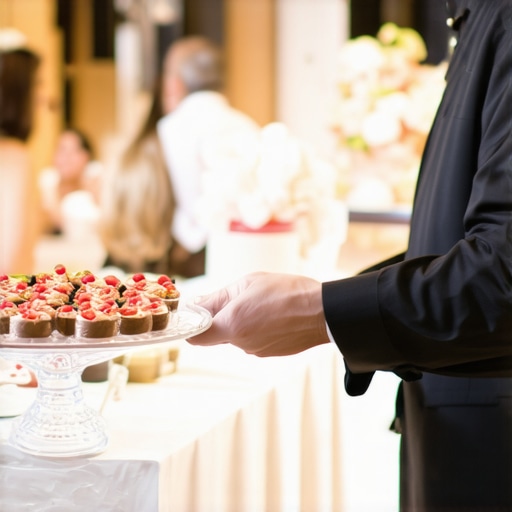 >.
>.
Simulate the Role in a Real-Event Setting
Practice makes perfect. Set up a mock station and observe their performance, focusing on speed and guest engagement. Encourage them to handle multiple tasks—replenishing desserts while addressing guest inquiries. Adjust their responsibilities based on observed weaknesses or strengths. This rehearsal phase is critical, reminiscent of how caterers test-run their team at smaller events before the big day.
Provide Continuous Feedback and Support
Throughout the event, stay accessible for guidance. Offer positive reinforcement for quick adjustments and tactfully correct mistakes. After the event, review their performance together: what went well and what could improve. This continuous cycle of feedback ensures the attendant becomes ever more efficient and confident. Remember, even seasoned servers learn through practice and reflection, and your attentive coaching makes all the difference see how.
Applying these concrete steps ensures your dessert station runs smoothly, elevating your entire event experience. This approach transforms what could be a chaotic area into a well-oiled part of your celebration, leaving guests delighted and impressed with your organization skills.
Many assume that common practices in event catering and server management are foolproof, but in my experience, there are nuanced pitfalls that can derail even well-planned occasions. For example, a widespread myth is that hiring the cheapest servers will save money; however, cutting corners often results in disorganized service and dissatisfied guests, which poisons the overall atmosphere. In fact, investing in professionally trained servers, especially for high-stakes events, is critical—something many overlook until it’s too late. A key warning is neglecting the importance of detailed training for your staff; without it, even experienced servers can mishandle sophisticated situations, like addressing dietary restrictions discreetly or managing multiple stations efficiently. An advanced question I often encounter is: How can event organizers preemptively identify server performance issues before the event begins? According to industry experts, conducting trial runs and observing staff in simulated environments can reveal hidden weaknesses, saving you embarrassment on the big day. Additionally, many assume that the simpler the setup, the better; but complexity often introduces confusion, especially if staff lack clear protocols. For instance, complex buffet arrangements without proper signage and flow management can cause long lines and chaos, eroding guest experience. External studies, like those from the Event Planners Association, emphasize that every detail—from server attire to movement patterns—significantly influences guest perception and satisfaction.
What strategies can event professionals implement to fine-tune staffing nuances for maximum impact?
Implementing ongoing training, clear role definitions, and real-time supervision are vital steps. For example, referring to our comprehensive guide on selecting top-tier servers can provide actionable insights. Recognizing these often-overlooked details and continually refining your approach ensures your event runs seamlessly, transforming potential pitfalls into pillars of success. Remember, it’s the nuanced decisions that distinguish average events from unforgettable experiences. Have you ever fallen into this trap? Let me know in the comments.Maintaining flawless service and operational efficiency during corporate events, weddings, and catering requires more than just initial planning—it’s about investing in the right tools and establishing proven methods for ongoing success. One essential piece of equipment I personally rely on is a high-quality walkie-talkie system, such as the Motorola RM Series. I use these because they offer clear communication even in noisy environments, allowing my team to coordinate seamlessly across large venues without delays that can compromise service quality. In addition, I’ve found that cloud-based event management software like Asana or Trello is invaluable for tracking staff assignments, inventories, and timelines, especially when coordinating multiple service stations. These platforms enable real-time updates and accountability, ensuring nothing falls through the cracks, even during extended events. Looking ahead, I predict that integrating AI-powered scheduling and predictive maintenance tools will become standard practice, helping organizers anticipate device issues and optimize staffing dynamically. How do I maintain tool effectiveness over time? Regular calibration of communication devices ensures clarity and prevents miscommunication—a critical factor that can make or break the guest experience. I personally schedule quarterly tests and firmware updates to keep everything running smoothly. Additionally, conducting routine staff training sessions to familiarize team members with new features or features of your tools prevents declines in performance. For example, after noticing a slight drop in communication clarity earlier this year, I implemented monthly briefings and quick check-ins with staff, which instantly improved coordination. Remember, the longevity of your equipment and processes depends on proactive maintenance and staying updated with technological advancements. For instance, investing in ruggedized, water-resistant walkie-talkies might seem costly upfront, but it reduces replacement needs — as warned by industry expert Kim Conklin in her recent webinar on catering technology. Take this tip as a challenge: Audit your current communication devices today, and implement a regular calibration schedule. Doing so could save you hours of troubleshooting and elevate your event management standards.Throughout my years coordinating weddings and corporate events, one thing remains clear: attention to detail and proactive planning turn good gatherings into unforgettable experiences. By investing in dedicated staff, leveraging the right tools, and continuously refining your approach, you create a seamless flow that makes your guests feel valued and engaged. Remember, even the smallest tweaks—like clear communication protocols or choosing the perfect attendant—can have a profound impact. So, embrace the nuances, learn from every event, and keep pushing for excellence. Your dedication will translate into more memorable moments and satisfied guests, setting your events apart from the rest. Take these insights to heart, and watch your next celebration become a standout success.