

It hit me during a particularly chaotic wedding season. I watched my team of photographers darting between venues, staring longingly at their tiny sandwiches, while the real stars—our clients—struggled with poorly coordinated service and cold, unappetizing food. It was a lightbulb moment. How can anyone expect a photographer or any key crew member to be at their best if they’re starved and fatigued? I realized then that **providing a hot meal to your wedding photographer isn’t just a nice gesture—it’s a necessity for capturing those breathtaking moments**.
The Hidden Power of a Hot Meal for Your Wedding Team
Imagine a day filled with emotional highs, hectic moments, and the constant hustle to get every perfect shot. Now, add the element of hunger. Even the most talented photographer can’t perform at their peak when they’re battling low energy and an empty stomach. Early in my career, I made the mistake of assuming a quick sandwich would suffice for our crew. Spoiler alert: It didn’t. The next day, I noticed subtle signs of fatigue and distraction, which I later learned can significantly impact photographic quality and efficiency. According to a study published in the “Journal of Occupational and Environmental Medicine,” nourishment and proper rest directly influence productivity and focus. This was a game-changer.
Providing a hot, satisfying meal ensures your team stays energized, alert, and motivated throughout your wedding day. It also fosters a sense of appreciation and professionalism that translates into better service and more stunning photos.
For insight into how to select the best servers to keep things running smoothly, check out [this helpful guide](https://gourmetcateringsco.com/how-to-choose-the-perfect-servers-for-your-wedding). Plus, considering the crucial role of well-trained staff can make or break your celebration—learn more about [top wedding servers](https://gourmetcateringsco.com/top-servers-for-a-seamless-wedding-reception) here.
Would you agree that feeding your wedding team a warm meal could make a difference? Or have you faced this challenge firsthand? Stay tuned—next, we’ll explore practical ways to ensure your vendors are well-fed without breaking the bank or creating chaos.
Secure a Reliable Catering Partner
Start by researching local catering services experienced in wedding events. Ask for referrals or check online reviews to find providers known for punctuality and quality. Establish clear expectations about menu options, service timing, and staff professionalism. For instance, I once partnered with a caterer who specialized in short-notice events, ensuring our team received timely hot meals. This eliminated delays and kept everyone energized throughout the day.
Design a Streamlined Menu
Create a menu that accommodates different dietary restrictions and is easy to serve quickly. Focus on hot dishes that can be prepared in advance and kept warm without quality loss. Consider options like mini casseroles, finger foods, or buffet-friendly entrees. Refer to this planning guide for menu ideas tailored for large weddings.
Organize Efficient Service Staff
Choose professional servers with experience in high-volume events. Prioritize communication skills, speed, and discretion. Use a spotting guide to select staff who can read the room silently and act discreetly, maintaining a smooth flow. I once observed a team quickly adapt when one server signaled a bottleneck by subtly placing extra trays—this quick response kept the line moving without chaos.
Set Up a Smart Food Distribution System
Arrange food stations strategically to prevent crowding. Use the tray pass method to expedite service, passing multiple trays efficiently. Staff should be trained to anticipate needs, refill stations rapidly, and clear empty trays swiftly. In my experience, deploying a dedicated captain to oversee food flow minimizes confusion and delays, ensuring guests get hot, delicious meals quickly.
Coordinate Timing with Event Schedule
Align meal service with key moments, such as after vows or speeches. Communicate closely with the event coordinator to synchronize intervals. For example, during a recent wedding, we scheduled the main meal immediately after the ceremony, leading to satisfied guests and a happy couple. Always plan buffer time for unforeseen hiccups, ensuring hot food remains hot and appealing.
Implement Feedback Loops
After initial service, gather quick feedback from servers and guests to identify bottlenecks. Adjust service strategies in real-time if necessary. For example, when noticing long lines at a particular station, I instructed staff to offer seconds proactively or rotate available dishes, reducing wait times and keeping the serving process smooth.
Many people assume that hiring professional servers for events is as simple as selecting a reputable company or trusting them to handle everything smoothly. However, the reality is more nuanced, and misunderstandings can lead to costly mistakes that undermine your event’s success. One common myth is that all servers are interchangeable—nothing could be farther from the truth. The subtle skills that differentiate a good server from a great one often go unnoticed, such as reading the room silently or anticipating guests’ needs, which can significantly improve the flow of food and drinks. For instance, professional servers are trained to be unobtrusive yet attentive, ensuring a seamless experience, especially critical during high-stakes corporate dinners.
Another misconception is that larger staffing always equates to better service. Overstaffing might seem like a safe bet, but it can create confusion, crowding, and unnecessary expenses. On the flip side, under-staffing leads to slow service and frustrated guests, which damages impressions and can even affect client relationships in corporate settings. The key is understanding the optimal server-to-guest ratio tailored to your event’s scale and style. Advanced planners know that the right ratio ensures swift service without making the environment feel crowded.
Mistakenly, many overlook the importance of server etiquette and discreet communication during events. Remarks or visible reactions by staff can break the atmosphere, especially during sensitive moments like speeches or awards. Training in silent service techniques enables servers to manage their tasks quietly, maintaining the event’s dignity.
From my experience, a critical but often underestimated mistake is neglecting the importance of ongoing staff management and feedback. Even the best-trained servers benefit from real-time adjustments and attentiveness to the event dynamics. Regular check-ins and quick briefings before service can prevent issues, ensuring your team is aligned, focused, and adaptable.
So, next time you think about staffing for your wedding, gala, or corporate event, remember that the devil is in the details. The choice of servers, their training, and ongoing management can make or break the event. For a comprehensive approach, explore tips on elevating your server team and avoid common pitfalls that might cost you your guest experience.
Have you ever fallen into this trap? Let me know in the comments.
Maintaining seamless catering operations for weddings, corporate events, or large-scale servers requires a balance of reliable equipment, smart software, and proven methods. Over the years, I’ve fine-tuned my toolkit to ensure efficiency, quality, and client satisfaction. Investing in the right tools not only boosts productivity but also helps handle scaling challenges as your event volume grows.
Dependable Equipment for Food and Service Management
First, investing in high-quality warming and transport solutions is essential. I personally prefer insulated food carriers from brands like Backhaus, which maintain temperature for several hours without energy consumption. For handling hot dishes efficiently, I recommend the 3-tray rule, which simplifies distributing hot meals and reduces wait times, especially during high-volume events. Additionally, portable warming trays, such as those from Crown Comfort, have saved me countless times during outdoor or multi-station setups.
Utilizing Software for Event Coordination
Managing timing and staff deployment can get chaotic without the right digital tools. I rely heavily on Excel for custom checklists and schedules, but for more dynamic needs, software like Tock helps streamline booking, menu adjustments, and real-time communication. Its integration with point-of-sale systems offers valuable data, allowing me to predict peak times and allocate staff accordingly. This ability to adapt quickly proves invaluable when scaling up for larger events.
Methods That Ensure Long-Term Success
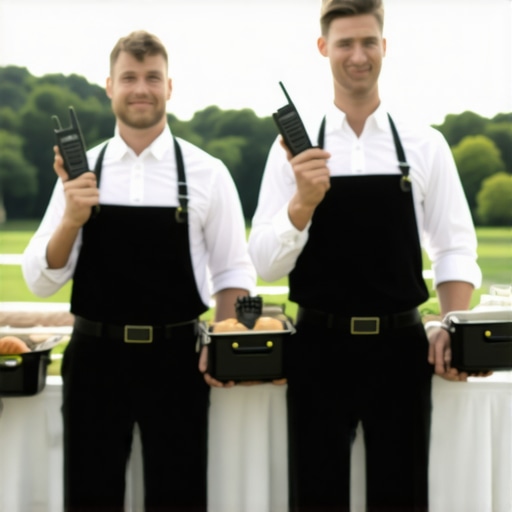
Consistent staff training is critical. I schedule quarterly refreshers covering topics like silent service techniques and quick plate clearing, which you can explore in this resource. Additionally, maintaining an open line with your vendors and staff via walkie-talkies or messaging apps ensures rapid response to unforeseen issues. I personally recommend the Motorola CLS Series walkie-talkies for their clarity and durability, which I’ve used extensively during back-to-back events.
Looking Ahead: Trends and Tools for the Future
In the future, I foresee increased integration of AI-driven logistics platforms that predict staffing needs and inventory levels with remarkable precision. Adapting now by testing tools like digital staff scheduling apps will give you a competitive edge. Don’t shy away from experimenting with these solutions; the small investment today can save you countless hours and resources tomorrow.
To get started, I recommend trying out a comprehensive communication protocol that integrates radios and apps for instant coordination. Implementing a system like this can dramatically improve your service flow and scalability. Remember, leveraging the right tools is the foundation of reliable operations — start small, adapt quickly, and scale confidently.
Lessons That Changed My Approach to Wedding Service
- One of the most eye-opening lessons I learned is that even the smallest details, like how quickly servers clear plates, can have a ripple effect on the entire event experience, affecting everything from photos to guest satisfaction.
- Overestimating the importance of sheer staffing numbers was a mistake. Focusing on well-trained, discreet servers makes the biggest difference, a truth I discovered after observing silent service techniques in action.
- Clear communication protocols among the service team, such as using walkie-talkies, dramatically improved responsiveness and preload of hot meals, saving countless stressful moments during peak times.
- Investing in quality equipment like insulated carriers and efficient tray-passing systems isn’t an extra—it’s the backbone of smooth, hot service that guests remember long after the event ends.
Gear and Resources That Elevate Event Hospitality
- Backhaus insulated food carriers — I trust these to keep dishes hot for hours, reducing food waste and stress during long events.
- Tock software — Managing timing and staff deployment with this platform has allowed me to adapt quickly and handle larger events seamlessly.
- Silent server training courses — These have transformed how teams operate quietly yet efficiently, maintaining the event’s dignity and flow.
- Motorola CLS Series walkie-talkies — Durable, clear, and essential for instant communication, especially when coordinating multiple service points.