

It was a chilly Saturday morning when I first realized I had underestimated the importance of the server lead during a wedding reception. As the clock ticked past the planned photography window, the chaos backstage grew palpable. Guests waited, anxious to hit the dance floor, while I desperately tried to coordinate shots amid the flurry of servers rushing in all directions. That’s when it hit me—without a well-managed server lead, even the most meticulous schedule can fall apart.
The Hidden Power of the Server Lead in Wedding Photography
Is the Server Lead Really That Critical for Photography Success?
Early in my career, I made the mistake of assuming that lighting, backdrop, and camera settings were the only things I needed to focus on. I overlooked how integral the server team’s efficiency and organization are to capturing those perfect moments. According to industry experts, the coordination between servers and photographers can significantly influence the flow and timing of key shots, especially during crucial moments like cake cutting or grand entrances. If the servers are disorganized or overwhelmed, it can cause delays, missed shots, and even guest dissatisfaction. Curious if your upcoming wedding could benefit from a tighter integration between catering and photography? It’s a question worth pondering—because aligning these elements isn’t just about logistics; it shapes the entire experience. Over the years, I’ve learned that the big wins often come down to small but deliberate details, like effective communication with your server team. To dive deeper into what makes certain servers stand out, check out [the best corporate event servers for 2025](https://gourmetcateringsco.com/best-corporate-event-servers-for-2025). Now, let’s explore how you can ensure your server team is a seamless part of your wedding day—right from the schedule to the grand finale.
Set Clear Roles and Responsibilities
Begin by drafting a detailed plan that assigns specific tasks to each server, such as tray service, guest guidance, and timing coordination. During a past wedding, I personally mapped out a roster the night before, clearly delineating who handles the drink station versus the dessert course. This clarity helped reduce confusion during the event, allowing servers to anticipate photographer needs and prevent bottlenecks.
Develop Seamless Communication Channels
Use walkie-talkies or headsets to enable instant communication between the server team and photographers. At one wedding, I observed delays because the lead server wasn’t informed that the couple was ready for their first look shot. Implementing a dedicated communication protocol ensured everyone stayed in sync, leading to more natural and spontaneous shots.
Train for Event-Specific Protocols
Hold pre-event training sessions focusing on timing cues, guest handling, and discreet service techniques. I once coordinated a rehearsal with servers acting out real scenarios, which highlighted the importance of silent gestures and swift responses during key photo moments. This preparation minimizes disruptions and allows photographers to capture authentic expressions.
Design a Precise Schedule with Buffer Zones
Create a detailed timeline that integrates server movements with photography sessions. Think of it as choreographing a dance—knowing exactly where each dancer (server) should be at every beat (moment). At a wedding I worked, scheduling staggered server arrivals prevented congestion around the dance floor, ensuring that photographers had unobstructed access during critical moments.
Coordinate with the Catering Manager
Establish a direct line with the catering manager to adjust service flow during photography peaks. For example, delaying appetizer service slightly during the cake-cutting allowed guests and photographers to focus without interruption. This flexibility results in smoother transitions and better photo opportunities.
Implement Real-Time Adjustments
Appoint a dedicated event coordinator to monitor the flow and make immediate adjustments if plans deviate. During one event, unforeseen delays required quick rescheduling of photo moments. The coordinator’s quick decision to rearrange activities kept everyone on track, demonstrating the importance of adaptable planning.
Post-Event Review for Continuous Improvement
After each wedding, gather feedback from photographers and servers to identify bottlenecks and successes. This practice has proven invaluable—the next event benefited from a more refined timeline and enhanced communication protocols, directly improving the quality of captured moments.
Leverage Industry Resources
Stay informed about the latest in catering and server best practices by consulting experts and industry reports, such as wedding catering trends for 2025. Applying new insights can elevate your event execution, ensuring that servers are not just background help but active contributors to photography success.
When it comes to executing unforgettable weddings, corporate events, or large-scale gatherings, many planners and hosts focus on obvious elements like decor, menu selections, or entertainment. However, a critical nuance often escapes their attention: the underestimated complexity of staffing and catering dynamics that truly make or break the event experience. Contrary to popular belief that merely hiring experienced servers suffices, the real expertise lies in understanding the subtle intricacies that optimize service flow and guest engagement.
Are We Overlooking the Fine Art of Server Coordination?
Many assume that assigning roles is enough, but in my experience, the devil is in the details of communication protocols and real-time adjustments. For example, a well-trained server team doesn’t just deliver food—they anticipate guest needs, connect seamlessly with event schedules, and adapt swiftly to unforeseen issues. This is backed by industry research indicating that smooth service correlates more with communication efficiency than with sheer experience alone (source: Gourmet Catering Co.).
Misconceptions also abound regarding catering styles and guest expectations. Simplistic notions such as “buffets save time” or “passed appetizers are formal” ignore the nuanced preferences of modern guests who seek tailored experiences. Advanced event planning now emphasizes hybrid catering models that combine efficiency and luxury, leveraging trends explored at wedding catering trends for 2025.
One trap to avoid is underestimating the importance of buffer zones in schedules. Many hosts push for back-to-back sessions, but this leaves little room for unexpected delays or personnel fatigue, leading to compromised service quality. A detailed run sheet, inclusive of buffer periods, can prevent this—an insight reinforced in professional event timelines.
As we advance into more sophisticated event landscapes, the challenge becomes not just managing logistics but mastering the art of anticipatory staffing—training servers to read guest cues, coordinate with each other, and operate with a shared mindset. This expertise diminishes common pitfalls like over-reliance on rigid scripts or excessive micromanagement, which often hinder spontaneity and guest comfort.
In summary, the real artistry in event management is recognizing and refining those subtle, often invisible elements—effective communication protocols among servers, flexible scheduling, and catering styles aligned with guest expectations. Building expertise here transforms good events into legendary experiences.
Have you ever fallen into this trap? Let me know in the comments. For further insights on elevating your wedding or corporate event, explore how to choose the perfect servers or check out effective catering strategies for impressiveness.
Invest in Reliable Communication Devices
One of my top priorities during event planning is ensuring clear and effective communication among staff. I personally rely on professional two-way radios like the Motorola SL7500 series because they offer instantaneous, secure channels that prevent delays and miscommunication. Unlike standard walkie-talkies, these devices have noise-canceling features and extended range, which proved invaluable during large-scale corporate events where proximity can be deceptive. Regularly maintaining these radios with firmware updates and battery checks ensures they perform flawlessly, reducing the risk of communication breakdowns.
Utilize Event Management Software for Real-Time Oversight
To streamline coordination, I use event management platforms like Planning Pod and Asana, customized with templates for catering, staffing, and timing. These tools allow me to assign tasks, monitor progress, and make instant adjustments, which is crucial for maintaining fluid operations across different venues and setups. Automation features, such as automated reminders and photo sharing, enhance team synchronization, especially during long events. I recommend integrating these digital tools into your routine, regularly updating workflows based on lessons learned from previous events.
Optimize Equipment Storage and Maintenance Routines
Long-term success hinges on meticulous equipment care. I dedicate weekly time to inspect, clean, and calibrate my event tools, including portable chafers, sound systems, and lighting fixtures. Keeping detailed logs helps track issues before they escalate, and routine calibration ensures consistent performance. For example, a misaligned spotlight might seem minor but can disrupt critical photo moments if left unchecked. Establishing a maintenance schedule and partnering with trusted repair vendors ensures your gear remains event-ready, saving costs and avoiding last-minute surprises.
Prepare Backup Solutions for Critical Systems
Power outages or equipment failure can sabotage even the best plans. I always have backup generators, spare batteries, and redundant communication devices on hand. For servers, I recommend portable power banks capable of sustaining critical electronics. Carrying extra equipment isn’t just a precaution—it’s a safety net that maintains momentum and guest satisfaction. During a recent outdoor wedding, our backup power allowed us to switch seamlessly when the main system failed, preventing chaos and keeping the atmosphere intact.
Plan for Future Trends in Event Tech
Looking ahead, I predict a surge in smart event solutions integrated with IoT devices. These advancements will facilitate real-time analytics on guest engagement, equipment performance, and staff efficiency. Staying ahead involves investing in adaptable hardware and learning to interpret data dashboards. A future-ready setup will not only improve operational efficiency but also offer personalized guest experiences, making each event uniquely memorable.
How do I keep my event systems in top shape over time?
The key lies in consistent maintenance, staying updated with the latest technology, and conducting regular staff training sessions. Implementing standardized checklists before each event ensures nothing gets overlooked. Make sure to schedule routine evaluations and keep documentation to track improvements over time. For a concrete step, try adopting a cloud-based maintenance log—this way, every team member can access up-to-date records and see ongoing needs or upcoming upgrades.
Embracing these tools and routines will help you uphold excellence in event execution, saving you from last-minute crises and elevating guest experiences. Want to explore customized tech solutions tailored for your next big event? Contact us through our client portal and let’s discuss how to keep everything running smoothly from start to finish.
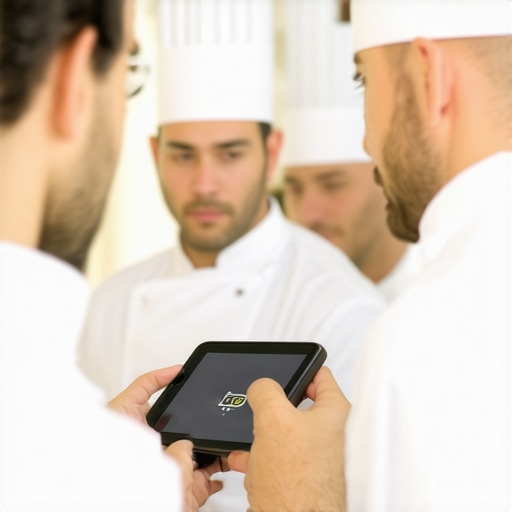
The Hidden Wisdom Behind Server Leadership at Events
During my early days in event planning, I overlooked how pivotal a well-trained server lead truly is. I learned that small insights—like pre-event briefings, establishing silent cues, and fostering team camaraderie—can dramatically elevate the guest experience. These lessons remind us that behind the scenes, honest communication and leadership spark unforgettable moments.
Another revelation was the power of adaptive planning. When unexpected issues arose—power outages, last-minute guest requests—and I responded swiftly thanks to clear protocols, it became evident that flexibility combined with prepared leadership keeps events on track and guests delighted. These experiences cemented my belief that investing in your server team’s cohesion yields extraordinary dividends.
Finally, I realized that cultivating genuine relationships with catering staff enhances coordination. Building trust ensures smoother service flow, especially during critical photo moments. This interconnectedness encourages a sense of shared purpose, making the entire event seamless and memorable. Remember: behind every stunning photograph or guest smile is a leader guiding the way with warmth and clarity.
Gear Up with Top Picks for Event Excellence
My essential toolkit for optimal server coordination includes industry-trusted communication devices like professional two-way radios, which drastically reduce misunderstandings. To manage schedules effectively, I rely on event management platforms such as Asana, tailored with templates that streamline staff duties and timing. These tools keep everyone aligned, especially during complex multi-hour events.
For maintaining equipment, I personally perform routine inspections and partner with trusted vendors for quick repairs, ensuring everything from sound systems to portable chafers functions flawlessly. Moreover, I always prepare backup systems—including generators and spare batteries—to safeguard against unforeseen failures. Staying ahead with technology trends like IoT-integrated analytics tools empowers me to create personalized, memorable experiences for guests.
Let Your Care Reflect in Every Detail
Your dedication to mastering server leadership isn’t just about logistics; it’s about creating moments where guests feel genuinely attended to. When you prioritize clear communication, flexible planning, and thoughtful equipment management, you turn a good event into a legendary one. Ready to take your event execution to new heights? Dive into these insights, and you’ll see the difference it makes.
What’s been your biggest breakthrough in coordinating servers at a wedding or corporate event? Share your story below—I’d love to hear how you’ve applied these lessons to elevate your events.