

I’ll never forget the look on my friend Sarah’s face when she realized the only photo of her father seeing her in her dress was a blurry, grain-filled shot from a guest’s iPhone. The professional photographer was at the other end of the hall, perfectly capturing the bridesmaids’ reactions. It was a beautiful shot, sure, but the father-daughter reveal? Gone. Vanished into the ether of ‘could-have-beens.’ That moment hit me like a ton of bricks. I’d spent years telling people that one good pro is all you need, but I was dead wrong. I made that same mistake at my first big corporate gala too, thinking I could save a few bucks by sticking to a single lensman. We got great shots of the CEO, but zero of the actual networking that made the event a success.
Why One Camera Lens Can’t Be in Two Places at Once
The math just doesn’t add up when you’re trying to cover a massive life event with a single human being. Even the most talented pro in the world hasn’t figured out how to teleport from the groom’s nervous prep room to the bride’s final touch-ups three floors away. When you hire two photographers for a 150-guest wedding, you aren’t just buying more files; you’re buying peace of mind. I’ve learned the hard way that while one person is focusing on the ‘big’ moments—the kiss, the cake, the speech—the second shooter is catching the ‘real’ moments. They’re the ones getting the tear in your mom’s eye while you’re looking at your partner. If you’re still on the fence, consider this: according to data from The Knot’s Real Weddings Study, nearly 25% of couples wish they had spent more on their wedding photography to ensure better coverage.
Is paying for a second shooter actually worth the extra cost?
I get it. Your budget is already screaming. Between the flowers and making sure you coordinate server movements to keep the dinner flowing, adding another vendor fee feels like a gut punch. You might be worried that two photographers will feel like a paparazzi swarm. But here’s the secret: a good duo works like a well-oiled machine. While the lead is directing the formal portraits, the second is using a clever photography hack to get candid angles without anyone even noticing they’re there. They blend into the background. In my experience, having that extra set of eyes actually lets the lead photographer breathe and be more creative. Plus, don’t forget that your photographer needs a dedicated meal time, and having a second shooter ensures that someone is always ‘on’ even when the other is refueling. Have you ever looked back at an event and realized a huge chunk of time was missing from your gallery?
The Security Blanket of a Backup Perspective
Think of a second shooter as your event’s insurance policy. Equipment fails. It’s a terrifying reality of the industry. I once saw a lead photographer’s primary camera body brick itself right as the processional started. Because he had a second shooter, the ceremony wasn’t a total loss—the second just stepped up and became the primary while the lead swapped gear. Beyond disasters, a second shooter allows for different focal lengths. One gets the wide shot of the whole ballroom while the other gets the tight shot of the laughter. When you choose a photographer who stays out of the way but still brings a partner, you get a 360-degree story of your day. It’s about more than just quantity; it’s about the narrative layers that one person simply cannot see. It’s the difference between a highlight reel and a documentary that captures the soul of the evening.
Assign Different Missions to Each Lens
To make a photography duo work, you have to treat them like a chef and a sous-chef. One manages the heat and the main plate, while the other handles the garnish and the prep work. If both are chasing the same bride-walking-down-the-aisle shot, you have effectively wasted half your media budget. I always tell my clients to ensure the lead is glued to the primary action while the second is hunting for ‘the details’ and environmental textures. This is exactly why your wedding photographer needs a shot list for the decor; while you are doing family portraits, the second shooter should be documenting the room you spent months designing. 
Sync Your Gear Before the First Shot
It sounds technical, but if their internal clocks are off by even sixty seconds, your final gallery will be a chronological nightmare. I remember a tech launch in 2022 where the photographers failed to sync their cameras. We had the product reveal happening in the metadata *after* the celebratory toast—it took my team hours of manual sorting to fix the timeline. Beyond the clock, you must ensure they are using a high-speed memory card strategy to avoid buffer lag during rapid-fire moments like the bouquet toss or a keynote standing ovation. This technical prep is the invisible foundation of a professional result.
Keep the Flow Steady During Meal Breaks
You cannot have both photographers disappear at once. It is the same logic used when you staff a 200-person reception with only 12 professionals—coverage must be staggered. At a corporate gala last winter, the lead went to eat right as an unscheduled award was handed out. Because we had planned for a synchronized break schedule where the second shooter stayed on the floor while the lead refueled, we did not miss the CEO’s big announcement. If you want seamless success, you have to treat your media team like part of the operational staff rather than separate vendors.
Clear the Path
Your photographers are not magicians; they cannot see through solid walls or five-foot-tall floral arrangements. I have seen stunning shots ruined because the second shooter’s angle was completely blocked by oversized decor. This is why you should never use tall centerpieces for networking mixers or high-stakes events. It creates a physical barrier that forces photographers into the middle of the room, making them more intrusive than they need to be. By keeping your sightlines open, you allow that second shooter to stay on the periphery, catching those deep-bench candid shots of guests actually enjoying the party without a camera lens being shoved in their faces.Let’s dig deeper into the mechanics of the room. People often mistake a massive server-to-guest ratio for a sign of prestige, but in my experience, throwing more bodies at the floor without a logic-driven plan is a recipe for disaster. A study by the Cornell School of Hotel Administration indicates that operational efficiency in banquet settings actually declines when the server-to-guest ratio is poorly matched to the room’s layout, leading to increased food waste and slower response times. If you don’t audit your server to guest ratio for VIP dinners, you aren’t buying better service; you’re buying a bottleneck.
Why throwing more bodies at the problem usually backfires
The ‘Oops’ factor I see most often is the Lead Server Trap. Many planners assume the person managing the front-of-house can also oversee the kitchen. Why your lead server should never be the one managing the kitchen comes down to divided attention. When the lead server is stuck in the back fixing a plating error, they aren’t on the floor noticing that the VIP table’s wine is low or that the music is too loud for conversation. You need two distinct ‘generals’: one for the guest experience and one for the culinary execution. This is the same reason why you choose a catering style based on your venue size—it’s about matching the logistics to the physical reality of the space.
How do you spot a service pro before the first plate hits the table?
There are subtle server skills that make every event stand out. A true professional doesn’t just walk; they ‘glide’ through the room, always maintaining a 360-degree awareness of their section. You can spot a bad lead server in the first 10 minutes if they are reactive rather than proactive. If they wait for a guest to ask for water instead of refilling it as they pass, they are a ‘runner,’ not a ‘server.’ 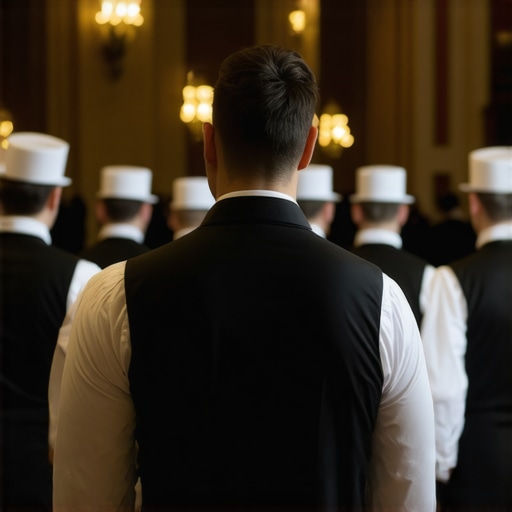 Beyond the staff, the physical environment must support the menu. You can have the most unforgettable wedding catering ideas, but if your wedding venue needs a temperature-controlled prep space and doesn’t have one, your high-end appetizers will suffer. This is the difference between a staffing agency and a service partner—a partner will tell you the venue won’t work for the menu you want, whereas an agency will just send the staff and watch the ship sink. Have you ever fallen into this trap? Let me know in the comments.I’ve spent a lot of time talking about the ‘what’ and ‘who,’ but we need to talk about the ‘how.’ In my kit, there’s one piece of gear I value more than my spare camera lenses: my discrete surveillance-style earpieces. If you’ve ever seen a lead server or a coordinator frantically waving their arms across a crowded ballroom, you’re looking at an amateur operation. To truly optimize server efficiency, you need a silent ‘brain’ for the room. I use a multi-channel radio system with a push-to-talk (PTT) lag of less than 0.1 seconds. This is how we pivot when a speech goes long or when the kitchen needs to hold the sea bass for five minutes. It’s about maintaining that luxury wedding catering vibe without the chaos of shouting. According to the National Association for Catering and Events (NACE), clear communication protocols are cited as the top factor in reducing service-related guest complaints in high-volume settings. If your staff isn’t wired, they’re just guessing.
The Maintenance Routine That Saves Your Reputation
How do I keep my event standards high after forty weddings?
It’s easy to be sharp in June; the real test is late October when the team is exhausted. I treat my event kit like a pilot treats a pre-flight checklist. We do a ‘kit audit’ every Tuesday. We check for top server tips that might have been ignored and refresh our training on server skills that make every event stand out. Most people forget that the ‘tools’ aren’t just physical—they are psychological. I maintain a digital archive of every floor plan we’ve ever executed. If I’m heading back to a venue we haven’t visited in two years, I pull up the old notes. Did the power fluctuate? Was the loading dock too small? This data is your most powerful tool for seamless success. 
Where the Industry is Headed by 2025
Looking at wedding catering trends to impress guests in 2025, I predict we are going to see a massive shift toward real-time AI staff allocation. Imagine a system that tracks guest density in the bar area and automatically pings servers’ watches to shift coverage. It sounds like sci-fi, but we’re already seeing early versions of this in high-end stadium hospitality. For your next event, I challenge you to do one thing: ditch the printed run-of-show for a shared digital document that everyone—from the photographer to the lead server—can access on their phones. It’s a small tech leap that eliminates the ‘I didn’t get the update’ excuse forever. If you’re ready to see how a professional team handles these high-stakes details, contact us today.
The Mistakes That Taught Me to Look Beyond the Surface
Over the years, I have realized that the most successful events are not the ones with the biggest budgets, but the ones with the most cohesive teams. I used to think that as long as I had a great lead, the rest would fall into place. I was wrong. A single weak link in the communication chain—like a server who doesn’t know the dietary restrictions or a photographer who misses the cue for the first dance—can dismantle months of planning in seconds.
Here is what I know for sure: first, silence is a luxury. If your guests hear your staff coordinating, the magic is broken. Second, you must always prioritize the ‘unseen’ logistics, like ensuring your top server tips are integrated into a formal training session before the doors open. Finally, never underestimate the power of a shared vision. When your photographer and your catering lead are on the same page, they stay out of each other’s way while ensuring every plate and every smile is documented.
#IMAGE_PLACEHOLDER_E#
My Go-To Toolkit for Flawless Hospitality
To keep my standards high, I rely on a few non-negotiables. I always look for these 3 signs your event server is a pro during the first walkthrough; their spatial awareness tells me everything I need to know about their efficiency. I also insist on using cloud-based floor plan software that allows for real-time updates—essential for when a guest list fluctuates at the eleventh hour. For education, I constantly refer back to the NACE standards to ensure our service protocols remain industry-leading and our technical metadata sync is flawless.
Crafting a Moment That Outlives the Evening
At the end of the day, your event is a living, breathing story. Whether you are browsing luxury wedding catering ideas for a fairytale atmosphere or coordinating a high-stakes board meeting, the goal is the same: to create an environment where your guests feel seen and cared for without seeing the ‘gears’ turning behind the scenes. By investing in a two-photographer strategy and a logically staffed service team, you aren’t just buying labor; you’re securing a legacy of memories that won’t fade once the lights go up. As we look toward the wedding catering trends to impress guests in 2025, remember that the human element—the glide of a pro server and the click of a perfectly timed shutter—is what makes an event truly timeless.
What is the one detail you are most nervous about for your next big event? Let me know in the comments below!