

I’ll never forget the sight of my Aunt Martha stuffing cocktail napkins into her ears at my cousin’s reception. The DJ was talented, sure, but he was playing 128-BPM house music while the 70-somethings were trying to eat their salad. The dance floor was empty, the energy was awkward, and I felt for the couple who had clearly spent a fortune on a ‘top-tier’ performer who didn’t know his audience. It was a visceral lesson in why ‘good on paper’ doesn’t mean ‘good for your family.’ That night, I realized that a great club DJ is often a terrible wedding DJ because they lack the social empathy to read a room filled with people from ages 8 to 80. I’ve spent years helping couples avoid these exact pitfalls, and today, I’m going to share how you can find a ‘crowd whisperer’ who knows exactly when to play Sinatra and when to drop the hits. We are going to solve the puzzle of the multi-generational playlist so your guests stay on the floor instead of fleeing to the parking lot. [IMAGE_PLACEHOLDER]
Why Your Wedding Music Shouldn’t Feel Like a 3 AM Nightclub
I made a huge mistake early in my planning career. I hired a DJ based solely on his technical mixing skills. He was incredible at transitions, but he didn’t realize that the older generation needs a different sonic experience during the early hours of the party. He treated the reception like a rave. I watched as the grandparents left before the cake was even cut. A wedding isn’t just a party; it’s a reunion, and the soundtrack needs to reflect that. Professional servers for a seamless wedding reception often notice the mood shifts before anyone else—they see the guests who stop talking because the music is too loud or the genre is too niche. To maintain a fairytale atmosphere, your DJ must be a curator, not just a performer. They need to understand that the volume at 7:00 PM shouldn’t be the same as the volume at 10:30 PM. According to a study by The Wedding Report, entertainment is consistently ranked as one of the top three most memorable parts of a wedding for guests, yet it is often the most misaligned with the actual demographic of the room.
Can one person actually make every generation happy?
Many couples fear that trying to please everyone will result in a generic, boring playlist. They worry they’ll be stuck with ‘The Chicken Dance’ all night. But here is the secret: a pro knows how to find the ‘bridge songs’—those tracks that grandma loves and the teenagers think are cool. Think 70s funk, 80s pop, and classic Motown. When you vet your DJ, you aren’t just looking for someone with a laptop; you are looking for a strategist who knows how to avoid the mid-event lull in guest energy by reading the body language of the crowd. I always tell my friends that if a DJ doesn’t ask about your guest list’s age range, that’s your first red flag. You also need to think about logistics; for example, why you should never put the bar next to the speakers, because if the older crowd can’t order a drink without getting a headache, they won’t stay long. Have you ever been to a wedding where the music made you want to hide? I’d love to hear your horror stories or your biggest wins in the comments.
Master the Three-Phase Volume Shift
To transition from a quiet cocktail hour to a high-energy dance floor, you need a blueprint that respects the timeline of the meal. Most amateurs blast the volume too early, but a pro uses a three-tier approach. Phase one is the Conversational Layer, where background tracks never compete with guest chatter. During dinner, the energy pivots to Ambient Rhythmic. This is where wedding catering tips from industry experts become vital, as servers need to be heard while explaining the components of a complex dish. Finally, you hit the Dance Floor Peak, where the volume increases but remains directional—hitting the dancers, not the guests trying to finish their coffee. I once managed an event where the DJ pointed a subwoofer directly at the retirees’ table. By the time we adjusted the layout, half of them had already retreated to the foyer. Directional sound is non-negotiable for a multi-generational party.
Why Your Server Lead and DJ Need a Shared Script
The biggest energy killer is a lack of coordination between the kitchen and the booth. If the DJ drops a floor-filler just as the service team is rolling out the main course, you split the room’s attention. This is why your server lead needs a copy of the event script. They need to know exactly when the energy will spike so they can clear plates efficiently. When these two teams aren’t in sync, you end up with “clash points” that make the reception feel disjointed and messy. 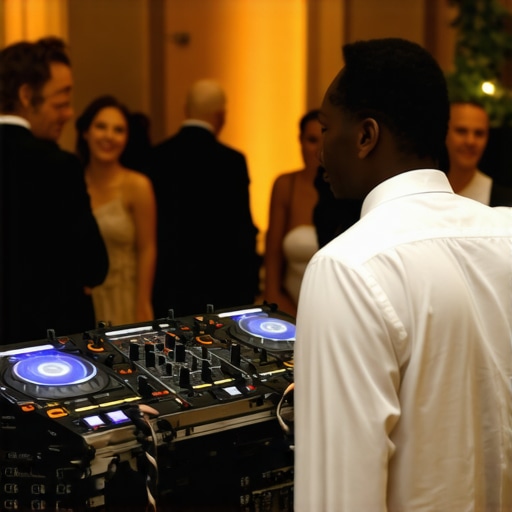
The Real Reason You Need a Sound Check
Every room has a unique acoustic fingerprint. High ceilings swallow bass, while marble floors create a harsh echo that can physically hurt guests’ ears. You must insist on a walkthrough because knowing why you should always do a sound check before the ceo speaks is just as relevant for a wedding entrance. I remember a wedding in a concrete warehouse where the reverb was so intense that the speeches sounded like Charlie Brown’s teacher. We fixed it by layering the space with why heavy linens actually reduce noise in loud ballrooms to absorb the bounce.
Size the Dance Floor for Real Human Movement
A dance floor that is too large is an energy vacuum. If you have 100 guests and a floor built for 300, people will feel exposed and shy. You need to understand how to choose the right-size dance floor for 200 people or your specific guest count to create a “pressure cooker” effect. Proximity breeds confidence. In my experience, it is always better to have a floor that feels slightly crowded than one that looks like a vast, empty wasteland.
How to Spot a Pro Before the First Song
You can often tell the quality of your entertainment by looking at their gear before the party starts. Just as you can identify 3 signs your event server is a pro within seconds of meeting, look for cable management and equipment cleanliness. Professionals understand that their setup is part of the decor. By following top server tips to elevate your event experience, you ensure that the technical side of the wedding is as polished as the floral arrangements. If you see a DJ who isn’t checking in with the lead server, that is a massive red flag. I’ve learned that the best events are those where the entertainment acts as the heartbeat and the staff as the hands, working in perfect, unspoken harmony. Knowing how to spot a bad lead server in the first 10 minutes of an event helps, but ensuring they are talking to the DJ is the ultimate insurance policy for your night.
But even with a synchronized DJ and server team, I see a massive error that many ‘luxury’ hosts make: they think variety equals value. It’s a classic mistake. We’ve been conditioned to believe that a 20-item buffet is the height of hospitality, but in my experience, it’s a recipe for a sluggish party. This is exactly why most buffets waste 30 percent of the food produced and why your guests end up spending forty minutes in a line instead of on the dance floor. If you want a high-energy reception, you have to embrace the ‘curated’ mindset. When you limit choices, you actually increase guest trust. It sounds counterintuitive, right? But the small plate trend why less food often means more trust proves that when you present a focused, high-quality selection, guests feel cared for rather than overwhelmed. Have you ever stood at a buffet, staring at four different types of pasta, feeling more stressed than hungry? Let me know in the comments if choice overload has ever ruined a meal for you.
How do you balance guest preferences without creating a logistical nightmare?
The secret lies in ‘intentional minimalism.’ According to a report by the National Association of Catering and Events (NACE), the most successful events in 2024 are those that reduce menu size by roughly 20% to increase service speed and food quality. By tightening the menu, you allow the kitchen to focus on execution rather than volume. This is a primary driver in optimizing server efficiency to enhance event satisfaction. Fewer items mean faster plate-clearing and more room for the staff to focus on the small, high-touch details that guests actually remember. 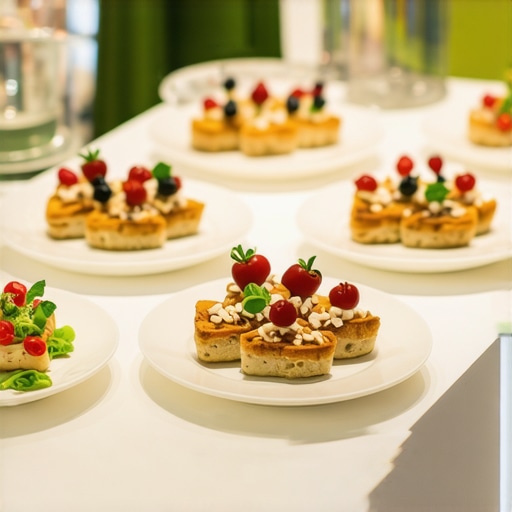
Give your kitchen team a fighting chance
The hidden ‘oops’ factor that ruins many high-end events isn’t just about the food selection; it’s about the physical environment where that food is prepared. I’ve seen stunning historic venues that lack basic infrastructure, which is a total trap for the unsuspecting couple. If you don’t verify why your wedding venue needs a temperature-controlled-prep-space, your ‘gourmet’ meal will arrive lukewarm despite the staff’s best efforts. Even the most advanced top server tips to elevate your event experience cannot save a meal that’s been sitting in a drafty hallway because the prep kitchen was too far from the dining room. Furthermore, professional logistics are often overlooked in the planning phase. For example, why your caterer needs a designated-loading-zone is a detail that separates a smooth load-in from a chaotic one that stresses out the entire team before the first guest even arrives. Finally, always ensure why your catering contract should explicitly mention leftover policies to avoid awkward disputes at the end of the night. True expertise is found in these unglamorous details that keep the fairytale atmosphere alive for everyone involved.
I’ve spent years obsessing over floor plans because a bad layout is a silent event killer. I personally use digital mapping tools like Social Tables to visualize the guest flow before a single table is set. It’s not just about where the forks go; it’s about **predicting the bottlenecks** that happen when 150 people move toward a bar at once. This is where optimizing server efficiency to enhance event satisfaction becomes a data-driven science rather than a guessing game. When you can see the precise distance from the kitchen door to the furthest table, you can calculate the exact number of steps a server takes, which is how we determine how to staff a 200 person reception with only 12 professionals 4. If those steps are too high, your food gets cold and your staff burns out. 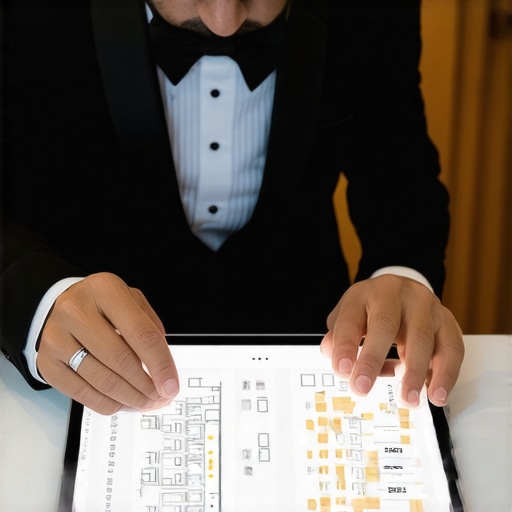
How can I keep the event quality high from start to finish?
Maintenance isn’t just for cars; it’s for the energy of your reception. You need to audit the room every 45 minutes. I call this the ‘Freshness Sweep.’ This involves more than just clearing plates; it’s about checking the temperature, the lighting levels, and the bathroom cleanliness. According to the American Hotel & Lodging Association (AHLA), the gold standard for luxury service involves a 1:20 server-to-guest ratio for plated meals, but maintaining that level of care requires giving your team a place to recharge. This is why your event staff should have a dedicated break room—a tired server makes mistakes, but a refreshed one catches the small details that keep the party polished.
Tools That Keep the Party Polished
Beyond software, I never go to an event without my technical kit. I carry a digital sound level meter to ensure the DJ stays within the ‘sweet spot’ we discussed earlier. It’s the only way to objectively how to keep your event sound system from humming or vibrating through the floorboards. I also insist on my lead best corporate event servers for 2025 using discrete earpieces for real-time coordination. Relying on hand signals in a crowded room is a recipe for missed cues and cold entrees. Looking ahead, I predict we’ll see AI-driven ‘heat mapping’ become standard in 2025 and beyond. Imagine sensors in the ceiling telling us in real-time which areas are too crowded or which buffet stations are being ignored, allowing for instant adjustments. Try this advanced tip: At your next big dinner, set a silent alarm for every 60 minutes. When it goes off, step completely outside the room for two full minutes, then walk back in with ‘fresh eyes.’ You will be shocked at the smells, sounds, and lighting shifts you’ve become blind to during the heat of the moment.
When the last song fades and the lights come up, you want your guests to feel like they were part of something transcendent, not just another event on the calendar. Achieving that level of synergy requires looking past the playlist and into the psychology of the room. [IMAGE_PLACEHOLDER_E]
Hard Truths About Keeping the Energy High Until Midnight
Over the years, I’ve realized that the ‘perfect’ song doesn’t exist in a vacuum. I’ve seen a Motown classic fall flat because the lights were too bright, and I’ve seen a modern hit ignite a room because the timing was flawless. The hardest lesson I learned is that the DJ is not the only one responsible for the vibe. If the service is slow, the music feels intrusive. If the room is too cold, people won’t dance. You must treat the atmosphere as a living ecosystem where every element—from the bass levels to the top server tips to elevate your event experience—works in unison. I also discovered that ‘requests’ can be a double-edged sword; a professional knows how to filter a guest’s suggestion through the lens of the overall energy rather than just playing it to be polite. Finally, remember that the older generation isn’t ‘anti-fun’; they just value comfort. If you provide them with a pocket of the room where they can enjoy the music without losing their ability to converse, they will stay two hours longer than they planned.
My Personal Survival Kit for Flawless Receptions
I don’t leave things to chance, and neither should you. To keep my events running like a Swiss watch, I rely on a few specific tools and sources that go beyond the basic checklist. I use the NIOSH Sound Level Meter app to monitor decibels in real-time, ensuring we never cross into the ‘physical discomfort’ zone for our more sensitive guests. For layout planning, I am a devotee of Social Tables; it allows me to visualize how sound waves will bounce off specific walls before the speakers are even placed. To keep my creative edge, I regularly study wedding catering trends to impress guests in 2025 to see how sensory experiences are evolving. I also recommend every couple read The Art of Gathering by Priya Parker—it completely changed how I view the purpose of a wedding reception, shifting the focus from ‘performance’ to ‘connection’.
Your Blueprint for a Night They’ll Never Forget
Planning a wedding that bridges the gap between your college friends and your great-uncles is no small feat, but it is one of the most rewarding challenges you’ll ever face. When you prioritize social empathy and technical precision, you create a space where everyone feels seen and celebrated. Don’t be afraid to set firm boundaries with your vendors to protect that fairytale atmosphere you’ve worked so hard to design. The goal isn’t just to throw a party; it’s to craft a memory that remains vivid long after the last guest has driven away. By focusing on the harmony between your entertainment and your hospitality, you are investing in a legacy of joy. Whether you are executing a high-stakes corporate gala or unforgettable wedding catering ideas for a magical celebration, the human element always comes first. Have you ever seen a dance floor empty out because of one bad song choice, or have you experienced a ‘bridge song’ that brought everyone together? Let me know your stories in the comments below!