

I remember the exact moment I realized I’d messed up. It was a high-end corporate gala, and the guest of honor had just finished a poignant speech. As the band struck the first chord of an upbeat jazz number, thirty servers descended upon the tables like a swarm of well-dressed locusts. The sound of porcelain clattering against porcelain and the frantic scraping of silverware drowned out the music entirely. It wasn’t a transition; it was a cacophony. I stood there, cringing, realizing that in my haste to stay on schedule, I’d completely ignored the acoustic impact of a massive ‘clear.’ We spent months planning the menu, but zero minutes planning how to keep the room from sounding like a busy cafeteria at the exact moment the party was supposed to start. Today, I’m going to share exactly how you can avoid that clatter and ensure your move from the main course to the dance floor is as smooth as silk.
Stop the Silverware Symphony from Ruining the Mood
The transition period is often where event planners lose their grip on the atmosphere. You’ve worked hard to hire top-tier servers, but even the best professionals can’t stay quiet if the logistics aren’t set up for success. My early mistake taught me that noise management isn’t just about the volume of the music; it’s about managing the physical sounds of the service.
Is a silent transition actually worth the extra effort?
You might think guests won’t notice a bit of clatter, but according to studies on psychoacoustics, excessive background noise in social settings significantly increases guest fatigue and can actually shorten the amount of time people stay at an event. If your guests are already fighting to hear each other over the clearing of plates, they’ll be too exhausted to hit the dance floor. We want to avoid that classic mid-event energy dip that happens when the logistics feel too ‘loud.’ To keep things quiet, I always recommend looking at your decor first. For example, choosing heavy linens can act as a natural muffler for the sounds of glasses being set down. It’s also vital that you are giving your server lead a copy of the event script so they know exactly when to pull back and when to go full speed. Have you ever been at a wedding where the sound of clearing plates was louder than the first dance? I’d love to hear your horror stories or how you handled it!
Stop Clearing Plates in Front of Your Guests
If you want to maintain the magic of a high-end evening, you have to hide the mechanics of the service. Think of your catering team like a pit crew during a high-stakes race; they should be invisible until the moment of action, and even then, they must work with surgical precision. The biggest mistake I see in event management is servers ‘scraping and stacking’ right at the guest’s elbow. This isn’t just a breach of etiquette; it’s an acoustic nightmare. I once managed a high-stakes tech launch where the CEO was giving a whispered, emotional closing address. We had thirty servers on the floor. I instructed them to perform a ‘one-trip clear’—picking up only what they could carry comfortably without stacking plates on top of each other. We then utilized a ‘ghost station’—a hidden area tucked behind a pipe-and-drape wall lined with sound-absorbing foam just outside the dining perimeter. Because the servers weren’t juggling porcelain like circus performers, the room stayed dead silent, allowing the CEO’s message to land with full impact. This is a core part of the ultimate guide to corporate event catering logistics: if the guest sees or hears the cleanup, the hospitality has essentially failed.
The Ghost Station Strategy
To pull off a silent transition, you need to audit your floor plan for ‘dead zones’ before the first guest even arrives. These are spots close to the dining area but shielded from the line of sight. By placing rubber-matted tables in these zones, you give your team a place to deposit heavy trays without the jarring ‘clack’ of ceramic on wood. This isn’t just about noise; it is about pure speed. When you are optimizing server efficiency to enhance event satisfaction, you drastically reduce the time a dirty plate sits in front of a guest. It is a win-win for both the atmosphere and the timeline.
Train for Stealth and Speed
Service at a high-level wedding or gala is a physical performance. I tell my teams to ‘walk like a cat and carry like a crane.’ This means keeping their center of gravity low and avoiding the frantic, heel-striking gait that echoes across a hardwood ballroom or a marble foyer. You can usually how to spot a bad lead server in the first 10 minutes of an event by how they manage their team’s volume. A true professional lead will use subtle hand signals or a discrete earpiece instead of shouting instructions across the pass. These effective catering strategies for corporate event impressiveness ensure the staff feels like a natural part of the environment rather than an intrusive necessity.
Why Your Lead Server is the Real Conductor
The secret weapon in any silent transition is the server lead. They need to be in total lockstep with the event’s timing, acting as the bridge between the kitchen and the floor. This is exactly why your server lead needs a copy of the event script. If they know a video is about to play or a delicate toast is beginning, they can signal a ‘hard stop’ on service. I’ve seen events saved from disaster by a lead who held the entire team in the kitchen for sixty seconds to ensure a emotional tribute wasn’t interrupted by a falling fork. It requires discipline and a commitment to the guest experience that goes far beyond just serving good food. You are managing the entire sensory experience, and that includes the precious silence between the notes.
The Myth That More Bodies Equal Better Service
Most planners think that throwing more people at a problem is the ultimate solution for a high-end event. I used to believe that if I had one server for every six guests, nothing could go wrong. But here is the contrarian truth: overstaffing often creates a ‘logistical jam’ that kills the atmosphere. When the floor is crowded with too many bodies, servers start bumping into each other, the kitchen exit becomes a bottleneck, and the guest experience feels cluttered rather than curated. In my experience, a lean, elite team is always superior. Learning how to staff a 200-person reception with only 12 professionals is a masterclass in efficiency over volume. You want surgical precision, not a crowd.
Is Your Server-to-Guest Ratio Actually Hurting the Vibe?
It is a sophisticated question that many seasoned organizers overlook. A study by the Cornell School of Hotel Administration suggests that guest satisfaction is more closely tied to the ‘quality of interaction’ than the ‘frequency of presence.’ If a server is hovering too much because they have nothing to do, it feels intrusive. You should always audit your server-to-guest ratio for VIP dinners based on the complexity of the menu, not just a standard industry number. High-stakes events require staff who know when to disappear into the shadows. 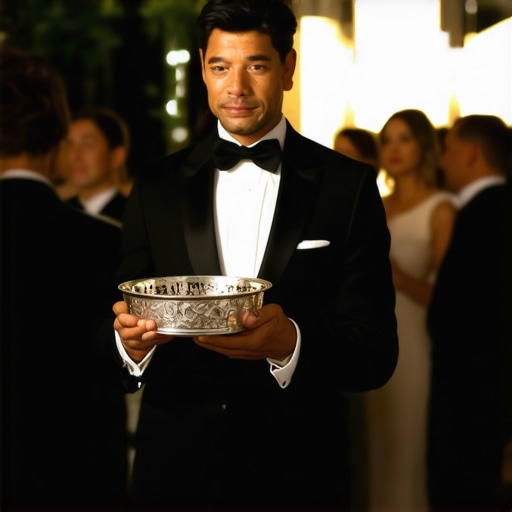
Spot the Difference Between a Hired Hand and a Service Partner
The ‘oops’ factor often happens during the hiring phase. Planners frequently fall into the trap of hiring from general labor pools, assuming a server is just a server. This is a massive mistake. There is a profound difference between a staffing agency and a service partner. A service partner trains their team on the nuances of body language and anticipatory service—the art of refilling a water glass before the guest even realizes it is half-empty. These are the effective catering strategies for corporate event impressiveness that turn a standard dinner into a legendary one.
The Hidden Danger of the ‘Uniform Trap’
One nuance that separates the pros from the amateurs is the attention to detail in presentation. I have seen million-dollar events lose their luster because the staff were wearing polyester vests three sizes too large. It sounds superficial, but why professional event servers refuse to wear ill-fitting uniforms actually comes down to pride and mobility. A server who feels sloppy will act sloppy. When you hire true professionals, they treat their appearance as part of the event’s ‘set design.’ They are not just there to move plates; they are there to uphold the prestige of your brand or your wedding day. Have you ever fallen into this trap of thinking more servers would fix a bad flow, only to have it backfire? Let me know in the comments below!
The Equipment That Stops the Chaos Before It Starts
Maintaining a high-end atmosphere isn’t just about the people; it is about the physical tools you put in their hands. After years of trial and error, I’ve found that the difference between a loud, clunky event and a seamless one often comes down to the gear. For example, I never allow a team to use standard metal trays without silicone non-slip tray liners. These aren’t just for preventing spills; they act as a high-density acoustic dampener. When a server places a glass down, the silicone absorbs the impact, killing that high-pitched ‘ting’ that ruins a quiet speech. This is the level of detail required when you are mastering corporate event planning secrets to seamless success. Another non-negotiable is the ‘comms’ system. We’ve moved away from bulky walkie-talkies to ultra-low-profile earpieces that use bone conduction technology. This allows the lead server to hear the kitchen and the floor manager without blocking their actual hearing, ensuring they stay present with the guests while applying expert server techniques in real-time.
How do I maintain elite service levels over the long term?
The most common question I get from venue owners is how to keep the ‘magic’ from fading after the first few months of a contract. The answer is a rigorous post-event audit. I use a ‘Service Scorecard’ that we fill out within twelve hours of every event. We don’t just look at the food quality; we analyze the logistics. Was the transition from dinner to dancing delayed? Was there a bottleneck at the back because someone forgot that your caterer needs a designated loading zone that remains unobstructed? By treating every event like a data set, you can spot trends before they become habits. According to the International Live Events Association (ILEA), the failure to address a single repetitive technical friction point can decrease overall guest satisfaction scores by nearly 40% over a six-month period. To stay sharp, we rotate our lead servers across different styles of events—moving a wedding specialist to a corporate gala—to keep their perspective fresh and prevent the ‘autopilot’ mode that leads to mistakes.
Predicting the Move Toward Bio-Responsive Event Pacing
Looking ahead to 2025 and beyond, I believe we are going to see a massive shift in how we manage event energy. We are already experimenting with ‘Bio-Responsive Pacing.’ This involves using subtle sensors in the room to monitor ambient noise levels and movement density. If the data shows guest energy is dipping, the server lead receives a haptic alert to speed up the coffee service or trigger the late-night snack transition. This isn’t science fiction; it’s the next evolution of wedding catering tips from industry experts who want to control every variable. The goal is a truly invisible service that responds to the room’s heartbeat. If you want to elevate your next event right now, I challenge you to try one thing: implement a ‘Hard Silence’ protocol for the five minutes before your main speaker. No ice being poured, no plates moved, and no footsteps on hard surfaces. You’ll be amazed at how that intentional silence makes the following speech feel ten times more important.
Counterintuitive Truths for the High-Stakes Host
After years of managing ballrooms, I’ve realized that silence isn’t just the absence of noise; it is a high-end product that you have to manufacture. One major lightbulb moment for me was realizing that the energy of a room is incredibly fragile. When a server breaks a poignant moment with a clattering tray, you can’t just ‘fix’ it by turning up the music—the spell is permanently broken. This is why I always insist that your event budget needs a 10 percent contingency fund specifically for logistical support, like extra hands during the critical ‘clear’ window. I also learned that why small bites are better for high stakes networking isn’t just a culinary choice; it’s a strategy to keep the floor clear of bulky porcelain that creates acoustic clutter. Finally, remember that your staff’s body language dictates the room’s heartbeat. If a server looks rushed, your guests will feel rushed. True luxury is the feeling that time has slowed down, and that starts with a calm, invisible service team.
My Essential Toolkit for Flawless Execution
To pull off a silent transition, you need more than just a good attitude; you need the right structural support. First and foremost, the ‘Event Bible’ is non-negotiable. Ensuring that your server lead needs a copy of the event script allows them to act as a conductor, pausing service the second a toast begins. Second, I cannot stress enough the difference between a staffing agency and a service partner. A partner brings specialists who are trained in the art of the ‘ghost clear,’ whereas an agency often just provides bodies. Lastly, I always recommend using silicone tray liners and low-profile earpieces; these are the technical ‘silent killers’ of event-ruining noise.
Crafting Your Own Invisible Symphony
You now have the blueprint to move beyond the clatter of a standard banquet and into the realm of true hospitality artistry. When you focus on these invisible, sensory details, you aren’t just serving a meal—you are protecting the atmosphere of a once-in-a-lifetime moment. By mastering corporate event planning secrets to seamless success, you elevate your hosting from a logistical task to a curated experience. Go forth and create that perfect, silent transition that leaves your guests wondering how everything happened so perfectly without them even noticing. What is the loudest or most distracting service mistake you have ever witnessed at a gala or wedding? Let me know your story in the comments below!