

I’ll never forget the look on the bride’s face. It was a stunning August evening, the kind where the light turns everything to gold, and I was helping run a high-end garden reception. The layout was a dream, the floral arrangements were towering masterpieces, and the energy was electric. But then, the main course hit the tables. Within five minutes, the braised short ribs—which had been steaming in the kitchen—were stone cold. I watched as a guest poked at the congealing sauce with a look of polite disappointment. It was a disaster. I was mortified. The wind had basically turned our buffet into a giant refrigerator. I realized then that all the wedding catering tips from industry experts in the world won’t save you if you don’t respect the elements. Today, I’m going to share the hard-won secrets I’ve learned from years of trial and error so you never have to see that look of disappointment on a guest’s face. We’re going to talk about the physical physics of the outdoors and how to outsmart the wind and sun to keep your food at that perfect, mouth-watering temperature. Have you ever hosted an outdoor party only to have the ‘hot’ food turn lukewarm before the first person even finished their plate?
Don’t Let a Light Breeze Ruin Your Hard-Earned Menu
The biggest mistake I made early in my career was trusting standard equipment to perform the same way outdoors as it does in a ballroom. I once tried to run a corporate lunch using basic chafing dishes and standard sterno fuel on a breezy rooftop. The wind was so persistent that it licked the flames right out from under the pans. We spent the whole hour frantically relighting wicks while the food grew colder by the second. Now, I know better. Optimizing server efficiency to enhance event satisfaction starts with ensuring the infrastructure actually works in the wild. If you don’t have a temperature-controlled prep space or wind-resistant heat sources, you are playing a losing game. According to the USDA Food Safety and Inspection Service, food kept between 40°F and 140°F is in the ‘Danger Zone’ where bacteria can double in as little as 20 minutes. It isn’t just about taste; it’s a matter of safety. When you’re dealing with the great outdoors, you have to treat the environment like an adversary you’re trying to charm. It’s about more than just heat; you also have to worry about the soggy salad trap at large outdoor weddings caused by humidity and sun.
Do you really need to spend thousands on thermal tech?
A lot of people ask me if they actually need ‘professional grade’ insulated carriers or if a few extra sternos will do the trick. The honest truth? It depends on your setup, but cutting corners here is like buying a Ferrari and putting cheap lawnmower tires on it. I’ve seen hosts try to DIY their way through a 100-person event with foil pans and prayer. It never ends well. You need equipment that creates a micro-climate for the food. If you can’t control the backyard, you have to control the box the food is in. In the next section, I’ll break down the specific tools that actually work when the wind starts to howl.
Block the Breeze with Professional Wind Guards
Standard chafing dishes are designed for the stillness of a ballroom, not a gusty patio. When you are outside, the wind acts like a giant cooling fan, stripping heat away faster than a sterno can provide it. You need wind-resistant chafing frames. I call these the ‘bodyguards’ of your buffet. These are metal enclosures that wrap around the burner, forcing the flame to stay focused on the bottom of the water pan. I remember a wedding on a literal cliffside in Big Sur. We had these sleek, heavy-duty guards that essentially created a pressurized heat chamber. While the trees were bending in the gale, the salmon stayed at a perfect 145 degrees. 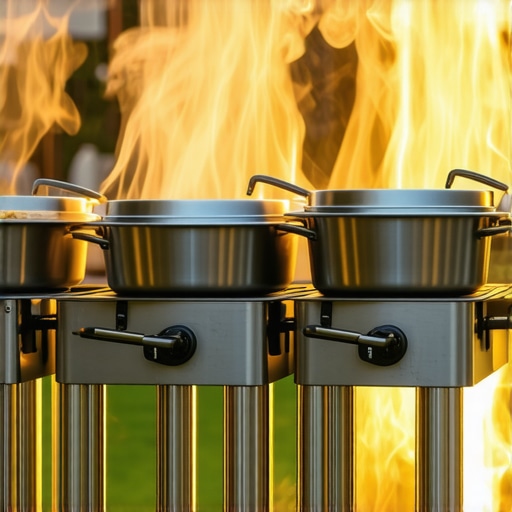
Why Your Food Needs a Thermal Suit of Armor
If you aren’t using insulated food carriers—often called ‘Cambros’ in the trade—you’re losing the battle before the guests even arrive. Think of these as a high-tech cooler, but for heat. For corporate event catering logistics, these are non-negotiable. You pre-heat the boxes with a pan of boiling water, dump the water, and slide in your hot pans. This ‘pre-charging’ method keeps food safe for up to four hours without any external power. This is part of an essential checklist for successful corporate event catering because it removes the stress of ‘is it still hot?’ while you’re stuck in traffic or waiting for a speech to end.
Pick a Spot That Fights the Elements for You
Never place a buffet table in a wind tunnel between two buildings. Why venue walkthroughs should happen at the same time as your event becomes obvious when you realize where the sun hits at 6 PM versus 10 AM. Use the natural architecture of the venue—hedges, stone walls, or even the catering tent itself—to create a leeward side for the food. If you’re stuck in the open, even floor-length linens can help block under-table drafts that extinguish flames.
Keep the Lids On and the Lines Moving
It sounds simple, but a lid left off for five minutes can drop the internal temperature of a dish by 20 degrees. Train your team so that your server lead needs a copy of the event script to know exactly when to uncover the food. If the keynote is running late, keep those lids shut. This is where optimizing server efficiency to enhance event satisfaction really pays off. A pro server knows that a closed lid is a hot meal, and a hot meal is a happy guest. By controlling these variables, you move from hoping for the best to guaranteeing a culinary win regardless of what the weather channel says.
Stop Chasing the Heat and Start Managing the Air
Most people assume that if the food is cold, you just need to light another sterno. This is the most common mistake I see in DIY outdoor catering. In reality, too much direct flame without enough water in the pan creates a ‘hot spot’ that scorches the bottom of your protein while the top layer remains frigid. I’ve found that managing the air gap is actually more important than the fire itself. You need to create a convection-like environment within the chafing dish. If you’ve ever noticed a dry, rubbery texture on your chicken, it’s likely because someone tried to fight the cold with brute force heat instead of a gentle, steam-filled chamber. 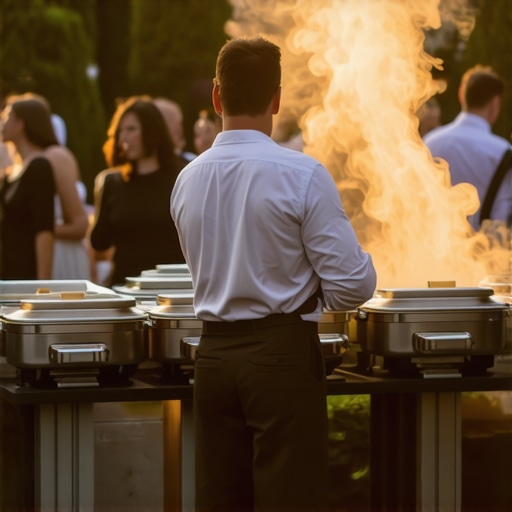
The Hidden Reason Your Service Staff is Underperforming
We often talk about optimizing server efficiency to enhance event satisfaction, but here is a nuance many planners miss: why your lead server should never be the one managing the kitchen. I’ve made this mistake personally. You want your best person everywhere, so you put them in the back to oversee the plating. Meanwhile, the floor is falling apart. A lead server is your eyes and ears; they need to be spotting the guest whose glass is empty or the table that hasn’t seen a bread basket in twenty minutes. When the lead gets stuck in the weeds in the kitchen, the ‘human’ element of the event vanishes. To truly stand out, you need server skills that make every event stand out, and that starts with leadership being visible on the floor at all times.
Does a Higher Server Count Guarantee a Better Guest Experience?
It’s a common belief that throwing more bodies at an event solves service issues. However, you should actually audit your server-to-guest ratio for VIP dinners based on the style of service rather than just the guest count. For instance, the advantage of hiring servers who specialize in French service is that they can handle complex interactions with grace, whereas a larger number of untrained staff might just create traffic jams. According to a study by the Cornell School of Hotel Administration, guest satisfaction in high-stakes environments is more closely tied to the quality of individual interactions and the ‘peak-end rule’—how they felt at the conclusion—than the sheer volume of staff present.
Why Smelly Foods are the Ultimate Networking Killer
One trap I see at high-end corporate events is the selection of ‘difficult’ or pungent foods. I call this the social sabotage. When you are looking for effective catering strategies for corporate event impressiveness, the menu must facilitate conversation, not hinder it. This is why you should avoid smelly foods at professional mixers or anything that requires two hands and a heavy amount of focus. If your guests are struggling with a messy slider or worrying about garlic breath, they aren’t networking. You want to avoid the soggy salad trap at large outdoor weddings and the ‘un-social snack’ trap at business galas to keep the energy high. Have you ever fallen into this trap where the food actually got in the way of the fun? Let me know in the comments.
Your Spreadsheet Won’t Save a Lukewarm Steak
I’ve spent a lot of time in the weeds, but the one thing that truly separates the veterans from the amateurs is the digital trail they leave behind. Implementing corporate event catering strategies for success requires more than just good recipes; it requires an obsessive focus on hardware maintenance. I once lost an entire batch of tenderloin because a seal on an insulated carrier had cracked just enough to let the heat bleed out over a three-hour transit. Now, I use a digital probe system that syncs to my phone. Relying on top server tips to elevate your event experience only works if the hardware supports the hustle. If your equipment is failing, your staff is set up to fail. The best corporate event servers for 2025 will likely be those who can troubleshoot a digital thermal probe as easily as they can pour a vintage Bordeaux.
How can I maintain elite service standards year after year?
Maintenance isn’t just about the ovens; it’s about auditing your human systems. I make it a point to physically inspect every piece of transport gear every quarter. We check for gasket integrity on the Cambros and test the fuel burn time on our wind-resistant burners. When you choose the right staffing ratio for a vip event, you have to account for the ‘tech overhead’—the time it takes for staff to monitor these systems. 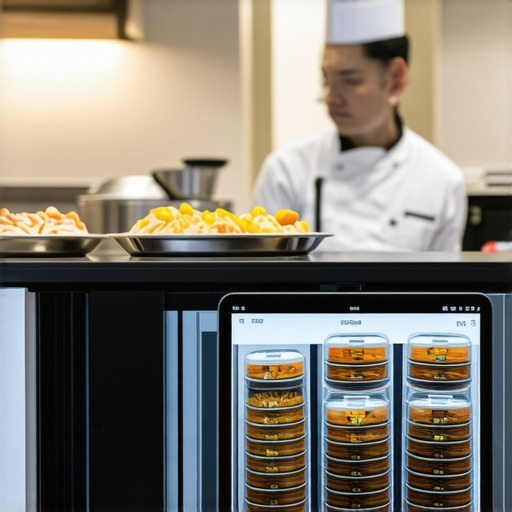
Prepare for the Rise of Real-Time Heat Mapping
I’m predicting a massive shift in how we handle large-scale buffets within the next three years. We are moving away from ‘set it and forget it’ to real-time heat mapping. Imagine a dashboard that shows you exactly which chafing dish is dipping below 145 degrees before a guest even touches the handle. Learning how to staff a 200 person reception with only 12 professionals depends entirely on this kind of equipment reliability. If the technology handles the safety monitoring, your servers can focus on the guest connection. According to the Journal of Food Protection, the use of continuous wireless temperature monitoring significantly reduces the risk of ‘critical control point’ failures compared to manual logging. This isn’t just a luxury; it’s the future of liability management. My challenge to you: Before your next big gig, perform a ‘dry run’ of your thermal boxes. Charge them with boiling water, let them sit for four hours, and measure the drop. If it’s more than 10 degrees, it’s time to retire that unit and invest in your reputation.
Lessons I Had to Learn the Hard Way Under a Catering Tent
Looking back at that cold short rib disaster, I realize the ‘Goldilocks Zone’ is much narrower than most beginners think. Here are a few lightbulb moments that changed my approach forever. First, never assume that food which is ‘hot enough’ in the kitchen will stay that way for the five-minute walk to the table; you have to over-compensate for the ambient temperature drop immediately. Second, I’ve seen how top server tips to elevate your event experience actually impact the perceived temperature of the food. If a server is fast, attentive, and keeps lids closed, the guest never feels the chill. Finally, the physics of a ‘thermal bridge’—the cold table touching the hot pan—will drain your heat faster than the air ever will. Always use a buffet runner or a cloth to insulate the pan from the table surface itself.
Specific Gear That Changed My Event Game Forever
I don’t leave the warehouse without my ‘outdoor survival kit’ anymore. If you want to move beyond basic setups, I highly recommend the UPC400 Ultra Pan Carriers. They are the gold standard for maintaining heat during transport and holding. I also rely heavily on Infrared Laser Thermometers for instant, non-contact checks of every pan on the line. For those looking to master the human side of the equation, optimizing server efficiency to enhance event satisfaction is essential training for any team handling these high-pressure environments. These tools allow you to apply wedding catering tips from industry experts with technical precision rather than just guesswork.
#IMAGE_PLACEHOLDER_E#
Your Future as a Master of the Outdoor Elements
You now have the technical blueprint to turn a potential weather disaster into a triumph of hospitality. When you respect the physics of the environment as much as the flavor of the food, you graduate from being a cook to being a true event architect. Every successful outdoor gala or garden wedding builds your legacy for reliability. Implementing these corporate event catering strategies for success is a journey of constant refinement, but the reward—that look of pure satisfaction on a guest’s face—is worth every extra sterno and wind guard. Go out there and host something legendary. What is the biggest weather-related challenge you have ever faced during an outdoor event? Let me know in the comments below!