

I will never forget the “Cluck-Cluck” gala of 2018. I thought I was being incredibly savvy by playing it safe, serving a standard grilled chicken breast to two hundred corporate executives. By the time the keynote speaker took the stage, I looked out at a sea of plates littered with half-eaten, rubbery poultry and realized I hadn’t just missed the mark on the food; I had drained the energy right out of the room. It was dry, it was predictable, and it was utterly forgettable.
Your Guests Are Tired of the Same Old Bird
We have all been there. You walk into a beautiful summer wedding or a high-stakes corporate mixer, and the smell of charred, uninspired chicken hits you before you even see the buffet. It has become the “vanilla” of the catering world, a crutch we lean on because we are afraid of dietary restrictions or picky eaters. But I learned through that 2018 disaster that why your menu needs to balance heavy and light options is about more than just nutrition—it is about the guest experience. When you offer variety, you offer excitement.
Is sticking to chicken actually the safest bet?
You might worry that moving away from a poultry-heavy menu will alienate your guests or blow your budget. This is a common fear, but the reality is that flavor fatigue is a real psychological phenomenon. According to research from the Culinary Institute of America, flavor diversity and textural contrast are the primary drivers of guest satisfaction in seasonal dining. If everyone is eating the same texture for forty-five minutes, they tune out. I used to think innovative catering ideas for modern weddings were only for people with unlimited budgets, but I was wrong. By embracing wedding catering trends that will delight guests, like chilled seafood towers or vibrant grain salads, you often save money by using peak-season local produce. Today, I am going to show you exactly how to move past the grill and build a menu that feels like a breath of fresh air. We are going to look at proteins that actually thrive in the heat and the Mediterranean meal plan secrets for keeping corporate teams productive during those long summer seminars. Have you ever looked at an event menu and felt like you’d already eaten that exact meal a dozen times before? It is time to change that.
Build a Menu That Breathes
Stop Treating Veggies Like a Side Show
Think of your menu like a play; if the protein is the lead actor, the vegetables are the stage, lighting, and sound. Most planners treat them like an afterthought—a soggy pile of steamed carrots to fill the plate. I once worked a high-end wedding where we replaced the standard starch with a vibrant, chilled pea and mint purée topped with local honey. By realizing why local honey and herbs are the newest wedding favor trend, we were able to create a dish that guests actually photographed instead of pushing aside. This wasn’t just about aesthetics; it was about lightness. You want guests dancing, not slipping into a food coma because they were forced to finish a pound of heavy mashed potatoes. When you lean into seasonal produce, you naturally reduce the density of the meal, allowing the flavor profiles to shine without weighing down the guest experience.
Choose Proteins That Love the Heat
If you are hosting an outdoor summer gala, a standard steak will turn into shoe leather in ten minutes under the sun. You need proteins that thrive at room temperature or even chilled. Cold-poached salmon with a citrus gastrique or thinly sliced herb-crusted flank steak served with chimichurri are game changers. I remember a tech launch in 2021 where we ditched the ovens entirely and went with a silk-road theme. I realized why central asian fusion is the most underused strategy for executive lunches because the spice profiles and grain-heavy bases are naturally designed for warm climates. We served chilled lamb skewers with a yogurt dip and pomegranate seeds. The result? Not a single person felt sluggish during the afternoon workshops, and the energy in the room stayed consistently high because the food wasn’t fighting the weather.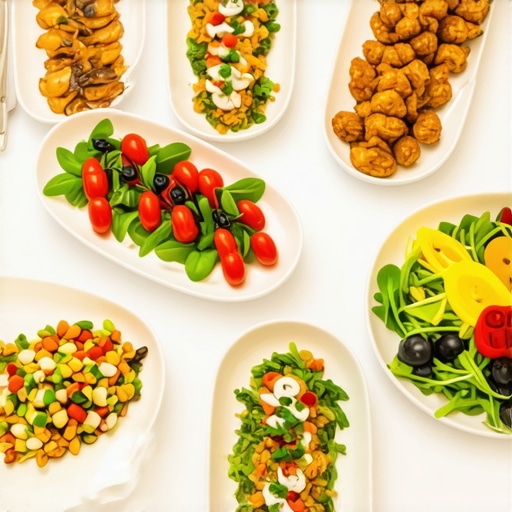
Scale Your Staff to Your Ambition
A complex menu with unique proteins and temperature-sensitive sides is like a high-performance engine; it requires a specialized crew to run it. You cannot expect a skeleton crew to manage a menu with six different components per plate without losing quality. This is where you must choose the right staffing ratio for a vip event. If your servers are overextended, that perfectly chilled seafood tower becomes a lukewarm health hazard. Think of your lead server as an air traffic controller. If they are also trying to clear plates and pour wine, the entire system crashes. When I switched from ‘safe’ menus to more ambitious ones, I had to double my server-to-guest ratio to ensure that every dish arrived at the table exactly as the chef intended, maintaining that crucial first-bite impact.
Don’t Let Logistics Kill the Vibe
The biggest mistake I see is a lack of preparation for the environment. If you are outside, heat is your enemy. You must know the secret to maintaining food temperature at outdoor events, which often involves dry ice for chilled stations or specialized thermal carriers for hot items. I once saw a beautiful dessert station melt into a sugary puddle because the coordinator forgot to check the afternoon sun path through the venue windows. Since then, I always insist on a site visit at the exact time of the meal. Mastering corporate event planning secrets means obsessing over the details that guests never see, like where the service entrance is located or how far the kitchen is from the furthest table. A menu is only as good as the journey it takes from the prep station to the guest’s fork.
The Buffet Fallacy That Costs You Thousands
Everyone says that a buffet is the ultimate “safe” choice for a large crowd because it offers variety and cuts down on labor costs. In my experience, that is a dangerous half-truth. While a buffet might seem simpler, it often becomes the biggest source of “hidden” stress for a planner. Without a precise layout, you end up with the “buffet slump”—a sad, picked-over table that looks more like a 2 AM diner than a luxury event. I have seen events where why most buffets waste 30 percent of the food produced becomes a literal mountain of lost profit in the trash. To avoid this, you have to master how to prevent the empty plate look at minimalist buffets by using tiered risers and smaller, frequently replenished platters that maintain a sense of abundance.
Why does your high-end buffet still feel like a school cafeteria?
It usually comes down to “the line.” Nothing kills the vibe of a black-tie gala faster than two hundred people standing in a single-file line like they are waiting for a bus. Research from the Cornell University Center for Hospitality Research indicates that guest satisfaction drops significantly for every five minutes spent waiting in a static queue. This is where most people get it wrong: they think more food is the answer, but the real solution is flow. Use why high-top tables are the secret to better networking flows to create satellite stations that break up the crowd and keep the energy circulating throughout the venue.
The Lead Server Trap You Are Probably Falling Into
Here is a mistake I see even the most seasoned planners make: assigning your most experienced, charismatic lead server to the “VIP” table. It sounds logical, right? Give the CEO or the bride’s parents the best person you have. Oops. By doing this, you have just anchored your captain to one spot. I have learned through years of trial and error that why a lead server should never be assigned a single table is the golden rule of floor management. Your lead needs to be the “ghost in the machine,” moving between the kitchen and the floor to spot problems before they escalate. If they are busy refilling a single glass of Pinot Noir, they won’t notice that Table 12 hasn’t received their appetizers or that the bar is running dangerously low on glassware. 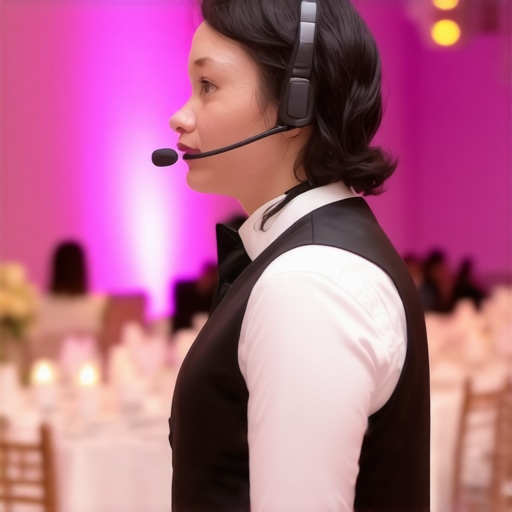
Are you auditing your team for technical precision?
To truly elevate an event, you must look past the headcount and look at the strategy. Most agencies will send you warm bodies, but you need a service partner. This is why you should audit your server to guest ratio for vip dinners long before the first guest arrives. It is not just about having enough hands; it is about server skills that make every event stand out, like the ability to read a room and know when to vanish during a sensitive conversation. When you are building your team, focus on how to spot a professional server in an interview by asking about their spatial awareness and their understanding of multi-course pacing. Have you ever fallen into this trap where your best staffer was stuck in the wrong place? Let me know in the comments.
Your Service Is Only as Strong as Your Logistics Stack
I’ve spent years refining the tech behind the scenes because a clipboard and a prayer simply won’t cut it for a 500-person gala. When I am mastering the ultimate guide to corporate event catering logistics, I rely heavily on collaborative floor-planning software like Allseated. It is not just about seeing where the tables go; it is about real-time synchronization between the kitchen, the lead server, and the event planner. If a guest at Table 4 has a sudden anaphylactic allergy, I can update the digital plan instantly. This level of precision is how you start optimizing server efficiency to enhance event satisfaction because it eliminates the ‘telephone game’ of verbal instructions that always get garbled in a loud room.
How do I maintain consistent service quality over a triple-booked weekend?
The secret isn’t just hiring more people; it is the ‘rinse and repeat’ of your pre-service systems. I never let a tray lift without knowing how to organize a staff meeting before a 500 person dinner where every single person knows the ‘why’ behind the menu. I also provide ‘cheat sheets’ for the team. This is exactly why your server lead needs a copy of the event script. If they know the CEO is going to skip the second half of the keynote, they can prep the coffee service ten minutes early. Maintenance is about anticipating the break in the rhythm before it happens. According to the Professional Convention Management Association (PCMA), technical failures in communication are the leading cause of service delays in large-scale hospitality. #IMAGE_PLACE_HOLDER_D#
Invest in Gear That Actually Solves Problems
I stopped using standard walkie-talkies years ago. They are loud, distracting, and make your staff look like security guards. I moved to discreet, low-profile earpieces and ‘push-to-talk’ apps on smartphones. This keeps the atmosphere elegant while ensuring the kitchen knows exactly when the first course is cleared. You also have to consider your environment; why your event venue selection impacts your av budget is a lesson I learned the hard way when I tried to run digital comms in a basement ballroom with zero cell service. Always test your tech during the site visit, not the night of. Looking ahead, I predict we are going to see a massive shift toward AI-driven ‘load balancing’ for buffet lines—sensors that alert the kitchen to replenish specific dishes based on real-time consumption patterns. It sounds like sci-fi, but it is the only way we will truly solve the food waste crisis. My challenge to you: before your next event, run a ‘dead zone’ test with your communication gear at the furthest corners of the venue. You might be surprised where your signal—and your service—drops off.
The Hardest Lessons I Learned Managing High-Stakes Service
After years of trial and error, I have realized that the biggest mistakes do not happen in the kitchen; they happen in the gaps between the staff. Here is the ‘insider’ reality of high-end hosting that I wish I had embraced sooner:
- Static leads are failing leads. If your captain is stuck pouring wine for the CEO, they are not watching the room. I learned to spot the signs of trouble early by understanding how to spot a bad lead server in the first 10 minutes of an event.
- Service is a partnership, not a transaction. When you hire for a gala, you must understand the difference between a staffing agency and a service partner to ensure your team actually cares about the outcome.
- The schedule is your best friend. Efficiency is not just about speed; it is about knowing the best way to schedule a multi-course tasting menu so guests never feel rushed or ignored.
The Tools That Keep My Events From Crashing
To consistently deliver excellence, I rely on a specific ecosystem of resources. Allseated is my go-to for floor plan visualization, ensuring that server paths do not cross and create bottlenecks. For the hard data on guest psychology, I constantly return to the Cornell University Center for Hospitality Research. If you want a deeper dive into the nuances of the industry, I highly recommend looking at wedding catering tips from industry experts to see how they handle unexpected pivots. These tools are not just for professional planners; they are for anyone who wants to stop guessing and start executing with confidence.
Your Turn to Redefine the Guest Experience
The next time you are tasked with organizing corporate events or planning complex weddings, remember that your choice of catering and the technical skill of your servers will define the memory your guests take home. Don’t be afraid to ditch the ‘safe’ options for something that truly reflects the season and the setting. When you focus on flow, protein integrity, and logistical precision, you are not just serving a meal—you are crafting an atmosphere where people feel valued and energized. Have you ever faced a catering disaster where the ‘safe’ option backfired on you? Let me know in the comments below.