

It was a sweltering July afternoon, and the bride was three steps into her walk down the aisle when the back doors of the chapel flew open with the force of a gale-wind. A late-arriving cousin, clutching a gift bag and looking frantic, literally bumped into the flower girl. The music faltered, the photographer missed the ‘first look’ shot, and I—the person supposedly in charge—stood there frozen. It was a total disaster. Since that day, I’ve realized that managing late guests isn’t just about being polite; it’s about protecting the sacredness of the moment you’ve spent months planning. We all want a perfect start, but life happens. Traffic, flat tires, or just a guest who can’t find their shoes. I used to think I could just wing it, but I learned the hard way that knowing how to keep your event schedule on track without rushing guests requires a specific tactical approach for the stragglers. Today, I’m going to share the exact system I developed to handle the ‘fashionably late’ crowd without making them feel like outcasts or ruining your photos.
Save Your Processional from Unwanted Cameos
When I first started out, I made the amateur mistake of assuming people would just see the ceremony had started and wait outside. Spoiler alert: they don’t. People panic. They see a closed door and they push. If you don’t have a plan, those doors will open right as the vows begin. I now tell all my clients that your how to choose the perfect servers for your wedding strategy must include a dedicated ‘gatekeeper.’ This person isn’t there to be a bouncer, but to act as a gentle guide. You need someone who knows the script. In fact, why your server lead needs a copy of the event script becomes incredibly clear when a late guest arrives right before a reading or a song. You want your staff to know exactly when a 30-second window of silence or transition is coming so they can usher guests to a back row quickly. According to the etiquette experts at the Emily Post Institute, guests who arrive after the ceremony has begun should stay at the back of the site until there is a break in the music or a transition between readings. This isn’t just about tradition; it’s about basic respect for the couple.
Is Stressing Over Latecomers Actually Worth Your Time?
You might be thinking, ‘Is it really that big of a deal? Can’t they just find a seat?’ Trust me, as someone who has seen a videographer’s shot ruined by a guest walking directly in front of the lens during the ring exchange, it is a huge deal. One of the top server tips to elevate your event experience I always share is to keep the last two rows of seating reserved specifically for late arrivals. It prevents them from wandering toward the front looking for an empty chair in the middle of a row, which is the ultimate distraction. By having a pre-designated ‘late zone,’ you minimize movement and keep the focus where it belongs. Have you ever been the person ‘creaking’ open that heavy door five minutes too late, or were you the bride who caught a glimpse of a straggler in your peripheral vision during the vows?
Stop the Door Pushers Before They Reach the Aisle
To execute this properly, your gatekeeper needs more than just a smile; they need a physical barrier or a clear zone of control. I once managed a high-stakes corporate gala where a major donor arrived twenty minutes late, right as the CEO started a somber tribute. Instead of letting him stumble into the darkened room, my lead server—who I’d briefed using optimizing server efficiency to enhance event satisfaction techniques—held him in the foyer. We offered him a pre-poured glass of water and waited for the applause break. It wasn’t about keeping him out; it was about choosing the right moment for him to enter. 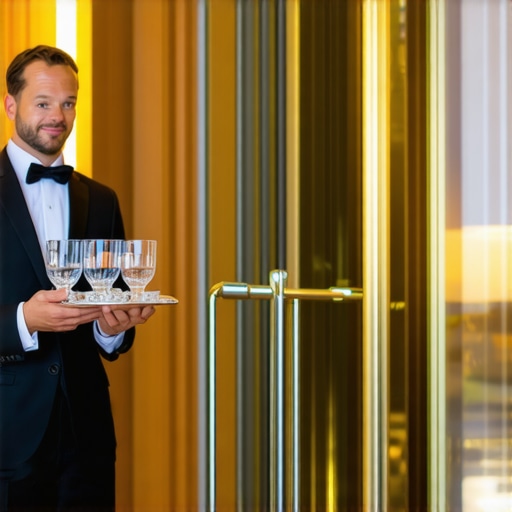
Designate a Silent Entry Zone
Your floor plan is your best friend here. When you are mastering corporate event planning secrets to seamless success, you realize that the back two rows should always remain empty during the initial seating phase. Think of these as the ’emergency landing strip.’ I instruct my teams to keep these chairs clear even if the front looks crowded. This ensures that when a straggler inevitably appears, they can be slipped into a seat in under five seconds without crossing a single camera line. This is also why why your ballroom floor plan needs a three-foot safety buffer behind the last row of chairs. It allows for movement without the ‘excuse me’ shuffle that distracts everyone else.
Sync Your Staff with the Event Script
The biggest mistake is leaving your servers in the dark. If the team doesn’t know when the ‘I do’s’ or the keynote starts, they can’t help you. I’ve found that how to choose the right staffing ratio for a VIP event often comes down to having that one extra person whose only job is monitoring the door during transitions. This person needs to know the script better than the bride. If there is a musical interlude or a video presentation, that is the ‘green light’ window. During a particularly messy outdoor wedding, we had a group of six arrive late due to a shuttle delay. Because the server lead knew a three-minute song was coming up after the first reading, we moved all six guests in a single, coordinated sweep. It looked intentional rather than chaotic.
Train Your Team to Handle the Panic
Late guests are usually flustered. They speak too loudly and move too fast. Your staff needs to lower their own voices and use hand signals to guide them. This is part of the essential checklist for successful corporate event catering that many overlook. A calm server can de-escalate the guest’s urgency, preventing them from sprinting toward their family in the front row. I always tell my crew: ‘You are the thermostat, not the thermometer.’ You set the temperature of the room; you don’t just react to the heat the guest brings in.Everyone tells you to build a ‘buffer’ by putting a 4:30 start time on the invitation for a 5:00 PM ceremony. I’m here to tell you that’s a rookie move that actually compromises your event’s integrity. In my experience, starting exactly on time—or at most, five minutes past the hour—is the only way to respect the 95% of guests who prioritized your day. When you delay for the stragglers, the energy in the room sours, and your catering team begins a frantic battle with the secret to maintaining food temperature at outdoor events. It is far better to start strong and manage the ‘fashionably late’ at the door than to let your punctual guests feel ignored. According to the Association of Bridal Consultants, a delay of even ten minutes can trigger a domino effect that results in overcooked entrees and a rushed photography schedule later in the night.
Why Delaying Your Start Time Actually Backfires
One of the biggest ‘oops’ factors I see planners fall for is the ‘Late Guest Pivot.’ This happens when a well-meaning server tries to find a late guest’s specific assigned seat in the middle of a speech or a vow. This is a total trap. You must empower your team to abandon the seating chart for any guest arriving after the doors have closed. If you’ve followed wedding catering tips from industry experts, you know that the back rows are your sanctuary. Don’t let a server lead a guest to the front; it’s a visual distraction that ruins the videography. Instead, use optimizing server efficiency to enhance event satisfaction techniques to ensure guests are seated immediately in the ‘Late Zone’ and only moved to their assigned tables once the transition to the next phase of the event begins. 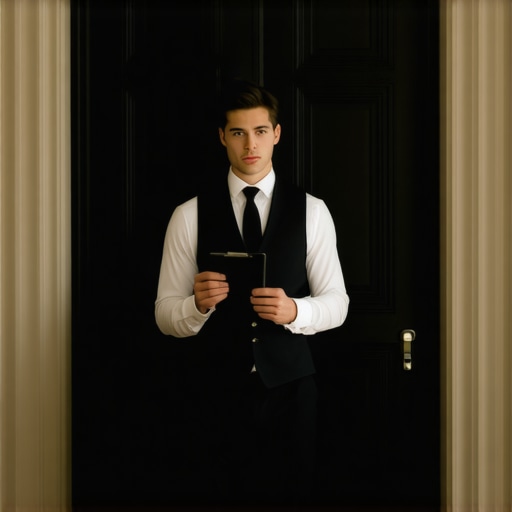
How Do You Pivot When a VIP Blows the Entrance?
This is the ultimate test of your coordination. If a major donor or the grandmother of the bride arrives ten minutes late, the instinct is to stop everything. Don’t. A truly professional server—someone you’d identify by knowing how to spot a professional server in an interview—will know how to perform a ‘silent intercept.’ They should guide the VIP to a comfortable spot just out of the line of sight and offer a brief, whispered explanation of when the next ‘safe’ entry window is. This keeps the VIP from feeling embarrassed by a public entrance and keeps the focus on the podium. When you are mastering corporate event planning secrets to seamless success, you realize that the flow of the program is more important than any single individual’s arrival time.
Ditch the Seating Chart During the Ceremony Window
I’ve seen it happen a hundred times: a late guest insists they ‘have to sit with their family’ and tries to push past the gatekeeper. This is where corporate event catering strategies for success meet high-stakes diplomacy. Your staff needs to be trained to say, ‘To ensure you don’t miss the moment, please take this seat right here, and we will get you to your party the moment there’s a break.’ It’s about framing the restriction as a benefit for the guest. This level of control is also why a lead server should never be assigned a single table; they need to be mobile and ready to handle these human-element variables. Have you ever fallen into the ‘wait for everyone’ trap? Let me know in the comments.
The Gear That Actually Saves My Sanity
Building a foolproof system for stragglers isn’t just about strategy; it’s about the tools you carry. I’ve moved away from paper clipboards and now rely heavily on digital floor-plan software like AllSeated or Social Tables. Why? Because I can digitally toggle sightlines. When I’m mastering the ultimate guide to corporate event catering logistics, I need to see exactly where the camera’s field of view ends and where my ‘late-entry sanctuary’ begins. If you aren’t visualizing the lens’s path, you’re guessing. I also insist on my lead servers using discrete push-to-talk earpieces rather than waving hands. It allows for a ‘silent count’—a 10-second warning before a keynote begins—ensuring that the gatekeeper knows to lock down the entrance immediately. This level of precision is one of those server skills that make every event stand out to high-end clients who value silence as much as service.
How do I keep my systems sharp for the long haul?
Maintenance is where most planners fail. They create a plan for one wedding and assume it’s a template for life. I conduct a ‘post-mortem’ after every single event, specifically looking at the ‘Straggler Log.’ We track how many people arrived late and where the bottleneck happened. According to the NFPA 101 Life Safety Code, maintaining specific widths for egress is a legal requirement, but I use those same standards to ensure our ’emergency seating’ doesn’t feel cramped or like an afterthought. If we see a recurring issue with a specific venue’s entrance, we adjust the script for the next time. This constant refinement is part of effective catering strategies for corporate event impressiveness. You can’t just set it and forget it; you have to audit your own performance. 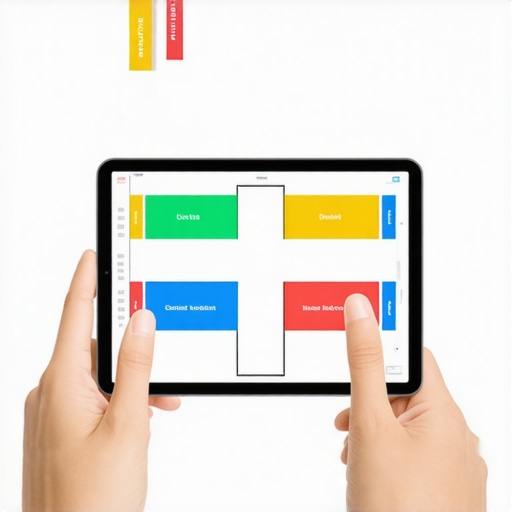
Predictive Analytics Will Change How We Seat Stragglers
I’m keeping a close eye on how data is reshaping our industry. In the next five years, I predict we’ll see integrated traffic-monitoring apps linked to guest lists. Imagine a dashboard that tells the kitchen and the gatekeeper, ‘15% of your guests are currently stuck in a 20-minute delay on the highway.’ This will allow us to make real-time decisions about whether to hold the first course or prepare the late-entry zone early. This proactive approach is the natural evolution of mastering corporate event planning secrets to seamless success. We are moving from reactive management to predictive hospitality. It’s also a reminder that why your event budget needs a 10 percent contingency fund often covers the tech and extra staffing required to handle these unpredictable human variables. If you want to elevate your next event, try this: Mark your ‘late-entry zone’ in red on your master floor plan today and brief your team on it specifically during the morning huddle. It’s a small change that yields massive results in the atmosphere of the room.
Realities of the Red Zone That No One Tells You
After years in the field, I’ve realized that managing stragglers isn’t actually about the guests—it’s about managing your own anxiety. I used to think a late guest was a personal failure of the timeline, but now I see it as a variable you can easily solve with the right mindset. First, you have to accept that silence is your most powerful tool. A server who whispers and uses slow hand gestures will naturally calm a panicked guest faster than any lecture on etiquette. Second, always remember that your primary loyalty lies with the people who arrived on time. When you follow an essential checklist for successful corporate event catering, you’ll see that protecting the vibe of the room is the number one priority. Lastly, don’t be afraid to be the ‘bad guy’ for thirty seconds to ensure the next thirty minutes are perfect.
My Go-To Kit for High-Stakes Management
If you want to handle these situations like a pro, you need to look beyond the basic clipboard. I swear by AllSeated for visualizing exactly where the ‘safe zones’ are in a floor plan. It’s a game-changer when you’re mastering corporate event planning secrets to seamless success. I also never run an event without discrete push-to-talk earpieces. Relying on hand signals across a crowded room is a recipe for disaster. Finally, I highly recommend reading ‘The Art of Gathering’ by Priya Parker. It completely shifted my perspective on why we need to be ‘generous hosts’ who are firm about boundaries. This philosophy is also why a lead server should never be assigned a single table; they need the freedom to manage the threshold of the room. #IMAGE_PLACE_FINAL#
Reclaim Control of Your Ceremony Atmosphere
At the end of the day, you can’t control the traffic or a guest’s alarm clock, but you can control how those interruptions impact your hard work. By preparing your team and setting clear boundaries, you ensure that the focus remains on the milestones, not the movement in the back of the room. This is how you master how to keep your event schedule on track without rushing guests while still maintaining a professional standard. It takes a bit of extra effort and perhaps a slight shift in why your event budget needs a 10 percent contingency fund to account for that extra door-guard, but the peace of mind is worth every penny.
Have you ever had a VIP guest arrive at the exact wrong moment? How did your team handle it? Let me know in the comments below!