

I’ll never forget the silence that followed the CEO’s opening remarks at a high-stakes board dinner I managed three years ago. It wasn’t a thoughtful, respectful silence. It was the uncomfortable sound of twelve high-powered executives feeling like they were under a heat lamp in a fast-food kitchen. I had focused so much on the catering logistics and the menu that I completely ignored the overhead fluorescents. They were washing out the expensive Chilean sea bass and making everyone look physically exhausted. That’s the day I realized: if the lighting is wrong, the deal is dead before the appetizer even hits the table. Lighting isn’t just about seeing your food; it’s about setting a psychological stage where people feel comfortable enough to say ‘yes.’
Get Your Executives Out of the Interrogation Room
Early in my career, I made the rookie mistake of thinking that simply ‘dimming the lights’ was a universal fix. It isn’t. I once turned the dials so low at a private club that the board members couldn’t even see their own notes. They were literally using their phone flashlights to read the quarterly reports. It was a total disaster for the vibe. To avoid this, you absolutely must test your event lighting during the actual hours of the dinner, not at 10 AM when the sun is doing all the heavy lifting for you. Today, I’m going to show you how to move past the basics and blend functional visibility with that high-end glow that keeps stakeholders relaxed but sharp. We will explore how corporate planning secrets can turn a sterile boardroom into a sanctuary for decision-making.
Can Good Bulbs Really Influence a Multi-Million Dollar Decision?
You might be skeptical, thinking lighting is a ‘fluff’ expense. However, environmental psychology suggests otherwise. Research published in the Journal of Environmental Psychology has shown that warm, indirect lighting can significantly reduce stress levels and foster a sense of cooperation during negotiations. If you’re trying to reach a consensus on a difficult merger, the last thing you want is a harsh glare causing a literal headache for the chairman. Have you ever sat through a corporate dinner where the lighting was so aggressive you found yourself rushing to leave as soon as the coffee was served? We’re going to make sure that never happens at your event. By the time we’re done, you’ll know exactly how to light a table without blinding the people you’re trying to impress, ensuring the atmosphere is as refined as the wine list. [image placeholder]
Build Your Atmosphere with the Three-Layer Rule
You don’t just ‘turn on’ a room; you paint it. Think of ambient lighting as your base coat of primer—it provides the safety and general visibility needed for guests to find their seats without tripping. However, the real magic happens in the next two layers: task and accent lighting. Task lighting is the focused beam that allows a CEO to read the fine print on a contract or a guest to appreciate the texture of a perfectly seared scallop. If you skip this, guests end up squinting at their plates, which subconsciously signals work and strain rather than enjoyment. Accent lighting is your highlighter; it draws the eye to the bar, the stage, or the branding. When you how to use lighting to guide guests through a venue, you are essentially creating a visual map that dictates where they should focus their attention. Without these layers, even the most expensive ballroom feels like a flat, uninspired box.
Why 2700K is the Magic Number for Executive Comfort
The ‘color’ of your light is measured in Kelvins, and in the world of high-stakes corporate dining, anything above 3000K is a disaster. High-Kelvin light is blue and clinical; it mimics daylight and keeps the brain in ‘high-alert’ mode. While that’s great for a morning seminar, it’s the enemy of a dinner designed to build rapport. I strive for 2700K—a warm, amber glow that mimics candlelight. This specific temperature softens facial features, hides the fatigue of a long workday, and makes the food look vibrant and appetizing. I once managed a fintech gala in a repurposed warehouse where I tried to be ‘edgy’ with cool blue LEDs to match their branding. The result? The prime rib looked grey and the guests looked sickly. I had to scramble to swap out the gels twenty minutes before the doors opened. It taught me that while you might why you should always request a tasting before finalizing your menu to ensure flavor, the lighting is what ensures that flavor is visually communicated to the guest. 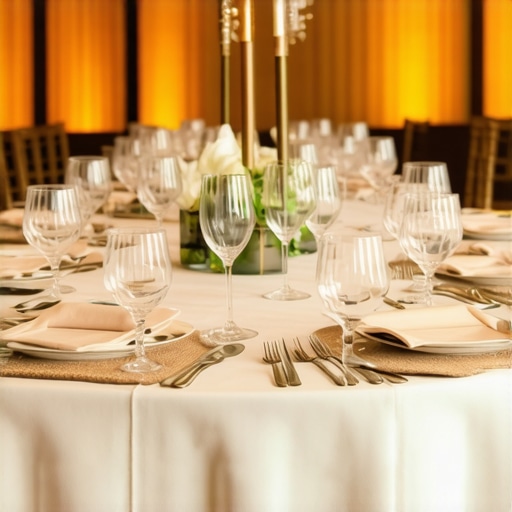
Put Your Service Team in the Right Light
The most overlooked element of event lighting is how it affects your staff’s ability to execute. Your servers are the heartbeat of the evening, and if they are operating in pockets of total darkness, the service will inevitably suffer. To provide top server tips to elevate your event experience, you must ensure they have enough light in transition zones—the areas between the kitchen and the dining room—to check plates for stray garnish or smudges. I’ve seen beautiful events ruined because a server couldn’t see a spilled drink on a dark floor, leading to a literal slip-up in front of a major stakeholder.
Keep the Kitchen Noise and Light from Killing the Vibe
There is a delicate balance between the bright, functional light of the kitchen and the moody atmosphere of the dining room. If the service door keeps swinging open, sending a strobe of bright white light across the room every time a course comes out, the immersion is broken. This is why why a lead server should never be assigned a single table; they need to be the gatekeeper of that flow, ensuring that the ‘backstage’ reality of the kitchen doesn’t bleed into the ‘performance’ of the dinner. Using heavy drapes or specialized light baffles at the service entrance can maintain the mystery and keep the focus on the conversation at the table. You want the transition from the cocktail hour to the seated meal to feel like a natural progression, not a jarring shift in environment. When you master the technical side of the glow, you create a space where the only thing your guests have to focus on is the person sitting across from them.Beyond the bulbs, the most frequent mistake I see high-level planners make is assuming that a bigger budget for staff automatically translates to a smoother evening. It’s a classic trap. You think that by throwing twenty servers at a forty-person board dinner, you’re ensuring ‘white-glove’ service. In reality, you’re just creating a mosh pit in a tuxedo. When the floor is overcrowded, your guests feel hovered over, and the conversation—the very reason they are there—stifles under the weight of too many interruptions. Instead of raw headcount, you need to focus on optimizing server efficiency to enhance event satisfaction. A small, elite team that understands the rhythm of a high-stakes conversation is worth double a disorganized fleet of temps. I’ve seen fifty-thousand-dollar dinners derailed because the servers were tripping over each other, creating a frantic energy that trickled down to the stakeholders. This is where corporate event catering strategies for success shift from simple logistics to precise choreography.
Why Does Your 1-to-10 Server Ratio Still Feel Slow?
It sounds counterintuitive, but a high server-to-guest ratio often results in slower response times. This is frequently due to a psychological phenomenon known as social loafing or the Ringelmann effect. Research, such as studies discussed by the University of Massachusetts regarding group dynamics, suggests that as group size increases, individual productivity can decrease because responsibility feels shared rather than owned. In a dining room, if everyone is vaguely responsible for ‘the floor,’ nobody feels personally responsible for Table 4’s empty wine glass. To combat this, you must learn how to choose the right staffing ratio for a VIP event based on micro-zones rather than just grand totals.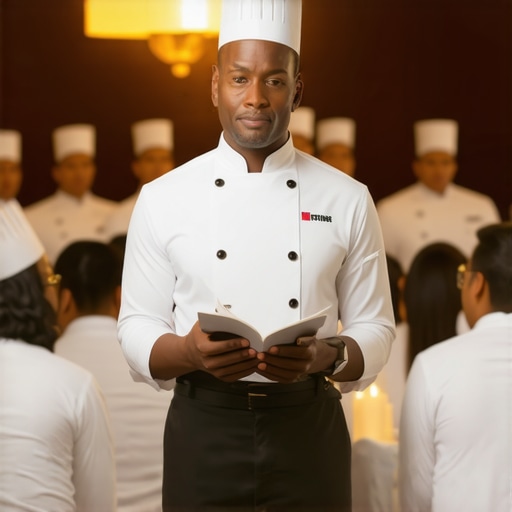 The ‘Oops’ factor that kills the momentum every time is the ‘Super-Lead’ trap. Planners often designate one rockstar staffer to handle the VIPs, manage the kitchen timing, and oversee the bar. It’s a recipe for a bottleneck. In my experience, the reason why your lead server should never be the one managing the kitchen becomes painfully obvious the moment a guest asks a complex question and the lead is stuck arguing with a chef about a missing garnish. You need a captain on the floor and a separate lead in the ‘back of house’ to maintain that invisible wall of professionalism. To truly master the flow, understanding why your server team needs a designated captain for every 50 guests becomes the gold standard for maintaining accountability. When everyone has a specific territory, the service becomes telepathic rather than intrusive. Have you ever fallen into this trap of over-staffing and ended up with a crowded room? Let me know in the comments.
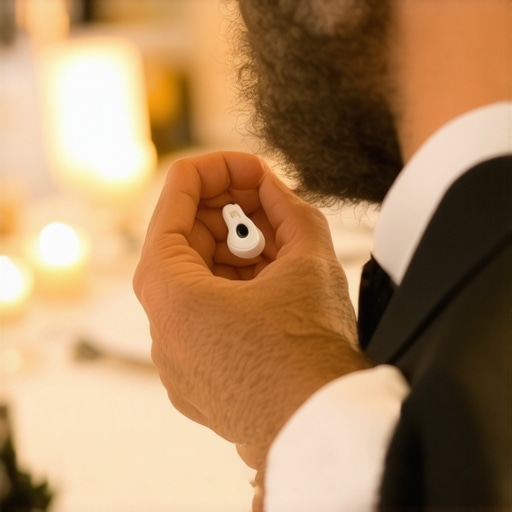
I’ve found that even the most seasoned leads can lose the plot when the heat of the kitchen hits the friction of the dining floor. To scale your success, you have to stop relying on individual heroics and start building a tech-forward infrastructure. I personally swear by discrete, low-profile earbud communication systems rather than the clunky, noisy walkie-talkies that scream ‘security guard.’ When your team can whisper-sync about a guest’s empty water glass from forty feet away, you are no longer just providing service—you are performing hospitality magic. This is one of the core effective catering strategies for corporate event impressiveness that separates the amateurs from the true professionals.
How do I maintain the ‘Day One’ energy for an entire week-long summit?
The biggest threat to a multi-day event isn’t a logistical failure; it is ‘fatigue drift.’ By the third day, the standards that felt vital on Tuesday afternoon begin to feel optional by Friday morning. To combat this, I treat every morning briefing like a movie premiere. We refresh the essential checklist for successful corporate event catering every single day to account for guest mood shifts. According to a research study from the Cornell School of Hotel Administration, perceived effort in luxury service is a key driver of guest loyalty. If the guest sees the effort, you’ve lost. The goal is to use tools that make the most complex maneuvers look effortless and spontaneous.
One specific tool I recommend is a centralized digital event script that syncs to every section lead’s tablet. If the keynote speaker finishes early, you don’t have to go running through the halls like a madman. One tap on the digital script notifies the kitchen and the floor captains to move up the service, ensuring you how to keep your event schedule on track without rushing guests. I’ve seen this save a dinner for five hundred people from becoming a cold-plate disaster just because a CEO decided to skip their closing remarks. This level of agility is exactly what you should look for when hiring best corporate event servers for 2025.
Looking toward the future, I predict we will soon see AI-driven occupancy sensors that automatically adjust the warm 2700K lighting and ambient temperature based on the ‘energy’ of the room. Until then, you need to be the sensor. The next time you manage a high-stakes dinner, I challenge you to ditch the paper binders and move your lead team to a real-time digital sync tool. The reduction in communication lag will be the most immediate ROI you’ve ever seen in your career. It allows your team to focus on the human nuances, like catching a guest’s eye before they even realize they need another glass of wine.
Hard-Won Truths from a Decade in the Dining Trenches
Over the years, I’ve realized that the ‘Invisible Wall’ is your most valuable asset. The kitchen door isn’t just a physical barrier; it’s a portal. If light or noise leaks through, the psychological spell you’ve cast on your guests is instantly broken. I’ve also learned that over-staffing is a silent killer of luxury. I once flooded a private equity dinner with extra staff thinking it would feel ‘premium,’ but I only succeeded in creating a tuxedo-clad traffic jam. Now, I focus on optimizing server efficiency to enhance event satisfaction rather than just filling the room with bodies. Finally, remember that while great lighting can’t save a bad steak, bad lighting will absolutely ruin a great one. Even the most exquisite plate looks unappetizing under 5000K office fluorescents.
The Gear and Wisdom That Keep My Events Seamless
To keep my standards high, I rely on a few specific tools that haven’t let me down. First, a dedicated Color Temp Reader app is essential for auditing venues before we even sign a contract. I never take a venue manager’s word that their lighting is ‘warm.’ Second, I always ensure my server lead has a digital copy of the event script on a silenced tablet. This prevents those cringeworthy moments where a server starts clearing plates in the middle of a delicate negotiation. Lastly, I look for the best corporate event servers for 2025 who possess ‘soft skills’—the ability to read the energy of a room and adjust their pace without being told.
#IMAGE_PLACE_HOLDER_E#
Your Signature Glow is Waiting
Creating the perfect environment isn’t about having the biggest budget; it’s about the intentionality you bring to the small details. When you master the temperature of the room and the choreography of the staff, you aren’t just serving dinner—you’re facilitating the next big merger. Don’t be afraid to experiment with these corporate event catering strategies for success at your next board meeting. Once you see the moment a stakeholder truly relaxes because the atmosphere is perfect, you’ll never settle for a standard setup again. What’s the one lighting or staffing disaster that taught you the most about managing a high-stakes room? Let me know in the comments below.