

I’ll never forget the sinking feeling I had at a 500-person wedding three years ago. I had spent months planning the ultimate wedding reception meal, making sure the beef was sourced from the best ranch and the sear was absolute perfection. Then, I watched a guest cut into their filet mignon. The meat was still steaming, but the plate? It was stone-cold. By the third bite, that expensive, butter-tender cut of beef had congealed into something sad and tepid because the ceramic had sucked the life right out of the fat. It was a heartbreak I’ve never quite lived down, and it taught me a lesson I carry into every event: if your plate isn’t warm, your food is already failing. Today, we’re going to talk about the physics of the plate and how to master corporate event catering strategies for success by focusing on the one detail most people ignore.
Stop Letting Your Steak Die on a Cold Porcelain Grave
Most hosts think the job ends when the chef puts the meat on the dish. They focus on server skills that make every event stand out but forget the thermodynamics of the plate itself. Ceramic is a massive heat sink. If you place a 135-degree steak on a 65-degree plate, the plate wins every time. According to the Culinary Institute of America, serving hot food on cold plates is one of the primary reasons professional restaurant reviews fail, as it fundamentally alters the mouthfeel and temperature of the sauce and proteins within seconds. I made this exact mistake early on in my career, thinking the heat lamps would do all the heavy lifting. They don’t. You need a heated staging area. It’s why why your wedding venue needs a temperature-controlled prep space is a non-negotiable for me now.
Does Plate Temperature Really Make That Much Difference?
You might be thinking that warming up hundreds of plates is just extra work for a minor gain. The truth is, it’s the difference between a luxury experience and a cafeteria lunch. Have you ever been to a high-end dinner where the food was great but somehow felt cold by the time you actually finished the portion? Tell me in the comments if a tepid meal has ever ruined a gala for you. Mastering the logistics of a 400-person plated dinner in a tent requires more than just good food; it requires controlling the environment from the oven to the guest’s fork. We are going to ensure that never happens to your guests.
Turn Your Temporary Kitchen into a Heat-Retaining Powerhouse
To keep food hot, you have to treat the staging area like a vault. I remember a 2021 gala in a drafty warehouse where the ambient temperature was barely 55 degrees. We were serving a delicate sea bass that would have turned into a rubbery puck the moment it hit a cold plate. We didn’t just warm the plates; we built a pressurized heat tunnel using heavy-duty plastic and industrial space heaters, effectively creating a micro-climate for the plating line. The result was a miracle: guests were actually letting their food cool for a minute because it stayed so hot. This level of control is part of the effective catering strategies for corporate event impressiveness that separate the amateurs from the pros. If you are in a tent, you must understand the logic of using sidewalls to keep your heated tent warm during winter events, because a single draft can drop your plate temperature by twenty degrees in seconds.
The Gear That Saves Your Menu from the Elements
Stop relying on hope and start relying on insulated transport. You need electric plate heaters or ‘hot boxes’—specifically units like Cres Cors—that can hold hundreds of plates at a steady 150 degrees. When we plate, the porcelain should be almost too hot to handle with bare hands. This creates a thermal buffer. Even as the server carries the dish across a large ballroom, the plate is actively giving heat back to the food rather than stealing it. This is the secret to maintaining food temperature at outdoor events where the wind is your constant enemy. If your rental company doesn’t offer heated cabinets, you are fighting a losing battle from the start.
Pre-Pour Your Way to a Faster Dinner Service
Speed is the second half of the temperature equation. Every second a plate sits on a tray is a second it’s losing its soul. One of my favorite efficiency hacks is to handle the non-thermal tasks before the kitchen even fires the first steak. This is why pre-pouring water is the secret to a fast service start; it clears the servers’ hands to focus entirely on the ‘hot run.’ If a server is busy filling a water glass, that hot plate is sitting on the stand getting colder. By pre-pouring, the team can move in a synchronized wave, ensuring that the 50th guest receives their meal at the same temperature as the first.
Put a Plate Captain in Charge of the Flow
You cannot leave the timing of a large-scale dinner to chance. You need a specific leader who does nothing but monitor the gap between the kitchen and the dining room. I’ve found that why your server team needs a designated captain for every 50 guests becomes apparent during the main course ‘push.’ The captain acts as the air traffic controller, making sure that trays are loaded and moved the instant the garnish is placed. In my experience, a ‘messy’ event happens when the servers are left to decide when to pick up their own trays. A captain forces a rhythm, ensuring the heat stays exactly where it belongs: inside the food.
The Staffing Fallacy That Actually Slows Your Dinner Down
Most event planners believe that throwing more bodies at a service delay will fix the problem, but in my experience, over-staffing is the quickest way to create a logistical nightmare. If your kitchen exit is only three feet wide, adding five extra servers just creates a human traffic jam. I’ve seen 400-person galas where the service was glacial despite having a 1:8 server-to-guest ratio because the floor plan lacked a three-foot safety buffer for the tray runs. Real mastering corporate event planning secrets to seamless success involves looking at the floor as a series of highways. If you don’t have the right corporate event catering logistics in place, you’re just putting more cars on a road that’s already at a standstill. 
Spot the Difference Between a Server and a Uniformed Body
There is a dangerous trap in the industry where agencies provide ‘bodies’ rather than professionals. You might think a server is a server, but how to spot a fake luxury server team before they ruin your gala is a skill you need to develop. A professional knows that they are not just delivering food; they are managing the energy of the table. Have you ever fallen into this trap where the staff looked the part but lacked the intuition to clear a glass without being asked? Let me know in the comments. To avoid this, you must know how to choose the perfect servers for your wedding or gala based on their ability to read the room, not just their ability to carry a tray. According to a study by the Cornell School of Hotel Administration, the ‘perceived wait time’ of a guest is significantly reduced when servers engage in proactive non-verbal communication, even if the food delivery time remains the same.
Wait, isn’t silver service always better for high-end galas?
Many clients insist on silver service or synchronized plating because they think it’s the pinnacle of luxury. However, for many modern events, this can be a mistake. Synchronized service—where eight servers drop eight plates at the exact same moment—looks incredible on Instagram, but it often means the first four plates have been sitting on a tray for three minutes while the team waits for the ‘go’ signal. If you prioritize the ‘show’ over the temperature, you’re failing the guest. I often recommend the advantage of hiring servers who specialize in french service for specific courses, but for the main event, speed and heat must win. You should focus on optimizing server efficiency to enhance event satisfaction by choosing a style that fits the kitchen’s output capacity.
Don’t Ignore the Technical Details That Kill Professionalism
The nuance that separates the elites is often hidden in the server’s toolbelt. I once worked an event where the server team was excellent, but the venue’s floor-length linens were two inches too long. The servers were literally tripping over the fabric while carrying hot soup. Understanding the impact of floor length linens on server safety is a detail only a seasoned pro will flag during the walkthrough. Combined with boost your corporate event with expert server techniques, these small environmental adjustments ensure that the ‘high-stakes’ feeling of your event is maintained from the first appetizer to the final coffee service. If you’re ready to ensure your next event is flawless, don’t forget to contact us to discuss how we can manage these complex logistics for you.I’ve learned that the difference between a one-hit-wonder catering company and a legacy brand comes down to the gear you trust when the pressure is at its peak. I don’t just rely on my eyes anymore; I rely on digital temperature probes that sync directly to my phone. For every high-stakes gala, I am using real-time data to monitor the holding environment while I am cross-referencing the essential checklist for successful corporate event catering. If you are still using manual dial thermometers, you are leaving too much to chance. According to Technomic’s 2024 Equipment Evolution Report, the integration of IoT-enabled thermal monitoring in off-site catering reduces food quality degradation by 18% by preventing moisture loss during long holding periods. This technical precision is how we ensure that the wedding catering trends to impress guests in 2025 are technically flawless, not just aesthetically pleasing. When you scale from one event a week to three, you need a software-backed system for your ultimate guide to corporate event catering logistics. I personally use automated inventory kits to manage our growth. Every 100-person event triggers a specific pack list, ensuring we never forget the small things, like the extra glassware you often find you need after you audit your rental order for missing water glasses. 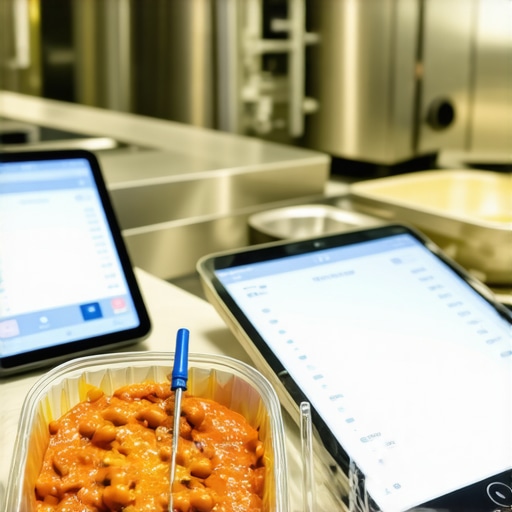
How do I keep event quality high year after year?
The secret to long-term results is the post-mortem meeting. Within 48 hours of every major gala, we review the top server tips to elevate your event experience against our actual performance on the floor. We look for micro-failures—the one table that felt a draft or the guest whose special meal was caught a second too late. This constant refinement is why your event needs a dedicated staff member for dietary requests to manage complex guest data in real-time. Looking ahead, I predict a massive shift toward battery-powered induction plates that keep food at a precise temperature throughout a ninety-minute meal. This technology will be a total game-changer for corporate event catering strategies for success in non-traditional venues like industrial lofts or art galleries. Try this for your next event: appoint one ‘Temperature Captain’ who does nothing but log staging area temps every twenty minutes. It sounds excessive until you catch a failing heating element before a single guest notices a cold plate.
Hard Truths I Learned the Expensive Way
Reflecting on years of high-pressure galas, I’ve realized that the most expensive steak in the world is worthless if it hits a cold plate. First, I learned that trusting your gut isn’t a strategy—you need real-time data from digital probes to know your staging area is actually holding heat. Second, I’ve found that top server tips to elevate your event experience often boil down to physics rather than just “service.” If the path from the kitchen to the table isn’t clear, your temperature is dropping with every step. Finally, never underestimate the power of a “dry run” with your captains to ensure everyone knows the rhythm of the push. #IMAGE_PLACEHOLDER_E#
Gear and Knowledge Every Pro Needs in Their Kit
To consistently deliver quality, you need more than just a good recipe; you need an arsenal of reliable tools. I personally swear by Cres Cor heated cabinets because they offer the most consistent thermal buffer for large-scale porcelain warming. For staying ahead of the curve, I recommend keeping an eye on Technomic’s Equipment Evolution Reports; they offer deep insights into how IoT is changing the way we hold food. Lastly, always keep a copy of the essential checklist for successful corporate event catering in your lead’s hands. It’s the only way to ensure that small details, like pre-poured water or dietary markers, don’t get lost in the noise of a 500-person dinner.
Take Control of Your Next Event Experience
Executing a flawless gala or wedding is about more than just food; it is about mastering the environment. By focusing on plate temperature, server logistics, and real-time monitoring, you can implement corporate event catering strategies for success that leave your guests talking about the meal for years to come. It takes effort to go from “good” to “unforgettable,” but the results are always worth the extra staging. If you’re feeling overwhelmed by the technical details, feel free to contact us to see how we can bring our logistical precision to your next big day. Have you ever been served a meal that was perfectly cooked but stone-cold by the second bite? Drop your catering horror stories or wins in the comments below!