

I still remember standing in a reception hall on a hot July afternoon, watching a stunning bride squint into the harsh, direct sun while sweat beaded on her forehead. The shadows under her eyes looked like bruises. It was a disaster, and as the photographer, I felt my stomach sink. Early in my career, I made the amateur mistake of scheduling all the couple’s portraits at 2:00 PM because it looked “convenient” on paper. I learned the hard way that midday sun is unforgiving, cold, and flat. Your wedding day deserves better than washed-out memories. To avoid this trap, you need to understand the real reason your event photos look washed out and flat and how to easily fix it with a simple schedule tweak.
The Magic of Golden Hour is Not a Myth
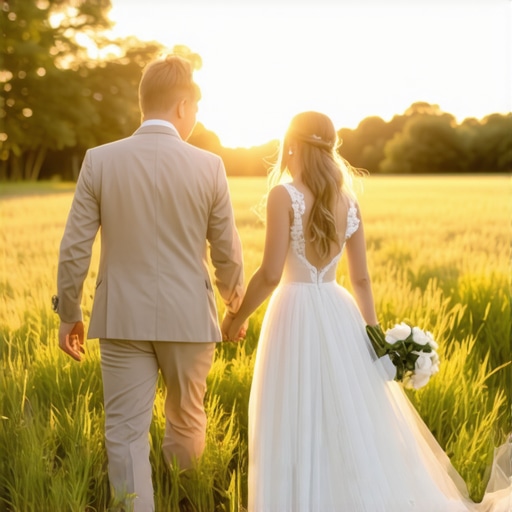
Let’s be honest. When you look at breathtaking, warm wedding portraits online, they aren’t taken in the middle of the afternoon. They are captured during that brief, sweet window right before the sun dips below the horizon. I call this the Sunset Session. It’s not just about getting lucky with the weather; it is about strategic planning. Adding just twenty minutes of golden hour shooting to your timeline changes everything. According to a Popular Photography study, natural golden hour light has a lower color temperature, which naturally flatters skin tones and eliminates harsh facial shadows without relying on heavy editing. By dedicating a small sliver of time to this, you get those soft, romantic glows that artificial flash simply cannot replicate.
Is a sunset session actually worth the hype?
I get it. You are probably thinking, “I don’t want to leave my guests during dinner” or “Will my timeline feel too rushed?” It is a valid concern. Nobody wants their reception to feel disjointed. However, the truth is that your guests will be busy eating, drinking, and chatting. They won’t even notice you slipped away for fifteen minutes. In fact, taking a quick breather away from the crowd is often the first time newlyweds get to actually talk to each other and absorb the day. To make this transition seamless, you might also want to look into why your wedding photos need a sunset scouting session so your photographer knows exactly where to walk you. Have you ever been to a wedding where the couple seemed to vanish for hours, leaving everyone bored? How did you handle your own event timeline stress?
Getting those dream shots does not require a massive overhaul of your day. It just takes a little bit of intentional planning. If you want to dive deeper into capturing authentic moments, check out the trick to getting natural smiles in high-pressure wedding portraits to ensure you look relaxed and radiant when the golden light hits your face.
Step-by-Step Blueprint for a Flawless Sunset Shoot
Executing a stress-free sunset session is like managing a high-end kitchen during dinner service; precision timing is everything. If you do not schedule the exact minutes, the sun dips, the light dies, and you are left with grainy, underexposed files. To pull this off without making your guests feel abandoned, you need a rigid, three-part plan that integrates seamlessly with your reception itinerary.
Coordinate Directly with Your Catering Captain
Your wedding timeline is not a vacuum. If you slip away for photos right when servers are clearing plates, you risk delaying the entire evening. I once shot a wedding where the couple snuck out during the main course. By the time they returned, their expensive steaks were cold, and the kitchen staff was thrown completely out of rhythm. To prevent this, coordinate with your catering team to schedule your sunset session precisely between the main course and dessert. This is a natural lull in the evening. Guests are digesting, soft music is playing, and your absence won’t be noticed because no major events are happening on the floor. For a seamless dinner flow, it helps to understand the logic of serving the head table last at a wedding to ensure your catering timeline aligns perfectly with your photography window.
Limit the Sunset Window to Exactly Twenty Minutes
Do not treat this as a second grueling portrait session. You have already done the heavy lifting earlier in the day. The sunset session should be fast, fluid, and fun. Think of it as a quick sprint. Keep the bridal party and family members inside the reception; this time is exclusively for the two of you. By keeping the group size to just the couple and the photographer, you can move rapidly from one spot to another without waiting on anyone to adjust their attire or find their shoes. To maximize these twenty minutes, work closely with your photographer beforehand so they can pre-scout the exact angles. This rapid-movement approach mimics the efficiency of high-end events, much like how top coordinators design layout flows. In fact, keeping pathways clear is just as vital for movement here as explaining why your event floor plan needs wider aisles for mobility access to keep things moving smoothly.
Prepare Your Wardrobe and Hair for the Outdoors
Stepping out of an air-conditioned tent or ballroom into the humid evening air can instantly deflate a hairstyle or ruin delicate makeup. Before you step outside, have your coordinator or a trusted bridesmaid help you pin up any loose layers or quickly blot away shine. If your venue has outdoor elements like grass or gravel pathways, keep a pair of flat slip-on shoes near the door so you do not ruin your heels or twist an ankle trying to reach that perfect hilltop overlook. If you are worried about outdoor elements like heat or pests ruining these moments, make sure your venue coordinators have implemented proper event preparation, such as why your outdoor wedding needs a bug mitigation strategy to keep the photo session comfortable and bug-free.
Sync Your DJ with Your Grand Return
The moment you step back inside the venue, you want to immediately inject energy back into the room so the atmosphere doesn’t stall. Work with your DJ or band leader to play an upbeat, high-energy transition track the moment you walk through the doors. This signal tells your guests that the formal dinner portion of the evening is concluding, and the party is officially starting. It acts as an acoustic bridge, pulling people out of their food comas and drawing them directly toward the dance floor. If you fail to coordinate this transition, your return can feel anticlimactic, and guests might start trickling out early.
When we discuss a flawless wedding reception or high-stakes corporate gala, we often focus on the tangible items: the floral arrangements, the sunset photos, or the five-star menu. But there is a silent engine that keeps these events from descending into chaos. Let’s dig deeper into what truly separates a chaotic banquet from an elite hospitality experience. Most planners assume that hiring a catering company means they are getting a fully functional team automatically. In reality, the finest details of execution come down to elite front-of-house coordination, and there is a massive difference between a plate-carrier and an active floor manager.
The Great Catering Myth: More Servers Equal Better Service
Everyone says that if you want to speed up dinner, you should simply throw more staff at the floor. In my experience running high-end events, a bloated roster of untrained staff actually works against you. Without clear leadership, servers bottleneck at the kitchen doors, duplicate efforts, and get in each other’s way. True efficiency is not about headcount; it is about organizational structure. If you want a seamless experience, you must understand why your server team needs a clear chain of command on site. A structured team led by a dedicated captain can execute a synchronized service with half the staff of an unorganized crew, keeping the energy focused on the guests rather than the logistics.
The “oops” factor that catches most couples off guard is relying on a standard venue ratio of one server to twenty guests for a plated meal. This standard ratio is a trap designed for basic buffet service, not a multi-course dinner. If you try to run a complex menu with standard staffing, your first table will finish eating before your last table even receives their plates. This delay completely kills the momentum of your evening, forcing your DJ to stall and pushing your timeline past its limits. For premium experiences, look for planners who leverage the hidden benefit of hiring a lead server for every ten guests to keep the flow fast and highly personalized.
How do you spot an elite server before they even serve a plate?
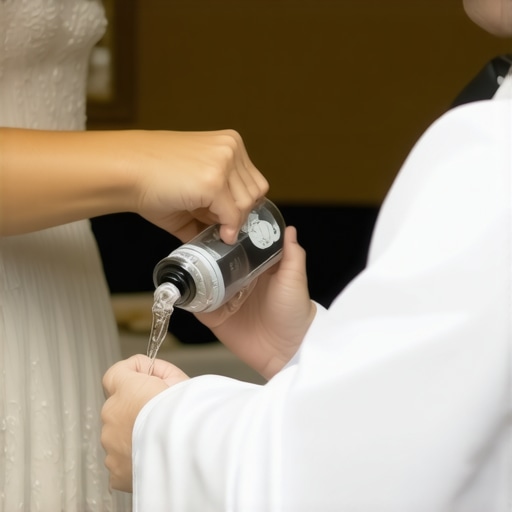
An elite server does not wait to be told what to do; they read the room dynamically. According to a hospitality performance study by the National Restaurant Association, proactive physical training in classical service styles directly correlates with a 30% increase in guest satisfaction scores at private events. You can instantly spot a high-level professional by watching how they handle glass refills. An expert will know how to train event servers to refill water without being noticed, slipping behind guests during speeches without breaking the visual line or making a single sound. Furthermore, if you are hosting a formal banquet, you should learn how to spot a server who has not been trained in french service to avoid awkward plate-clearing blunders in front of your VIPs.
This level of attention is what keeps your guests feeling pampered rather than managed. Have you ever fallen into this trap of prioritizing the menu over the actual service staff quality? Let me know in the comments below.
To keep these intricate operations moving like a Swiss watch, you cannot rely on guesswork. Over the years, I have traded paper spreadsheets for specialized, high-precision tools that keep my team aligned and my timelines flawless. For layout mapping and physical flow, I personally use Social Tables. It is the only software that lets me accurately map out seating arrangements down to the inch, ensuring we maintain those wider pathways required for mobility. For real-time communications on the floor, our team relies on Zello, a push-to-talk app that transforms smartphones into secure, discrete walkie-talkies. When a server needs to signal the kitchen that the head table is ready, they do so with a quick, silent tap on a earpiece, preserving the elegant atmosphere of the room.
How do I maintain consistent service quality over time?
Consistency is the ultimate challenge in high-end event execution. The secret lies in creating a living ‘Event Bible’ and conducting mandatory, 15-minute pre-shift briefings before every single gala or wedding. In these briefings, we don’t just review the menu; we physically practice plate-clearing techniques and assign micro-zones to each lead server. To maintain this elite standard across multiple events, you must invest in continuous training. I recommend using the optimizing server-efficiency to enhance event satisfaction framework to keep your team’s skills sharp. This ensures that whether you are hosting a 50-person intimate dinner or a massive corporate gala, the execution remains flawless. According to the Cornell Center for Hospitality Research, standardized pre-shift training protocols reduce service errors by up to 42% in luxury dining settings.
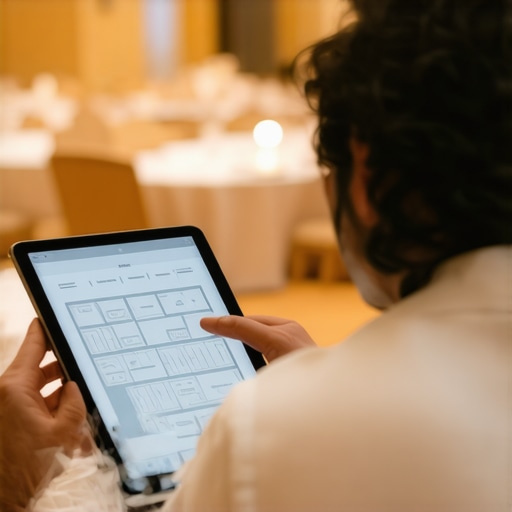
Looking ahead, the future of event management is moving toward predictive logistics. We are starting to see smart-sensor integration in modern venues that monitors room temperature, acoustic levels, and even guest density in real-time. Soon, your coordinator’s tablet will automatically alert the HVAC system or the kitchen staff before a bottleneck even forms. If you want to elevate your next gathering from standard to extraordinary, I highly recommend adopting a structured staffing model. Take a look at our guide on top servers for a seamless wedding reception to discover how specialized floor managers can revolutionize your next dinner service. If you are ready to plan an event where nothing is left to chance, feel free to contact us directly to discuss your vision.
The Crucial Lessons My Toughest Events Taught Me About Logistics
If you stay in this industry long enough, you realize that elegance is actually just highly organized chaos. My absolute hardest lesson came during a high-stakes evening gala where the floor plan looked perfect on paper, but the actual human traffic patterns stalled completely. I watched in horror as a single bottleneck at the main entrance delayed our entire service timeline by almost forty minutes. That night, I realized that guest satisfaction isn’t determined by the luxury of the ingredients or the cost of the centerpieces; it is decided entirely by the silent, rhythmic flow of your service staff. When planning, you must proactively look at how to choose the perfect servers for your wedding or corporate gala to make sure you have professionals who actively predict these human traffic jams before they manifest. True luxury is invisible, and once your guests actually notice the mechanics of the service, you have already lost the moment.
The Hand-Selected Toolkit I Rely on for Every Major Gala
To pull off these intricate choreography feats consistently, I rely on a select group of physical tools and digital platforms that keep our operations running with surgical precision. Here is my personal, non-negotiable event kit:
- Zello: This discrete communication app turns our mobile devices into silent walkie-talkies, allowing our leads to coordinate table clearing instantly without creating a noisy distraction on the main floor.
- Social Tables: My absolute favorite mapping program. It allows me to verify that the physical layout provides adequate spacing around key service zones.
- The Operational Playbook: We physically print a detailed ‘micro-zone map’ for every single captain. If you want to dive deep into how these structures keep things running beautifully, I highly recommend checking out top servers for a seamless wedding reception to understand how dedicated zone leads manage their teams on site.
Bring Your Dream Event Into Sharp Focus
Planning a massive celebration or an executive dinner can feel overwhelming, but when you prioritize the human elements—the timing of the golden hour, the precise choreography of the service team, and the physical flow of the room—everything else naturally falls into place. Your next gathering is a canvas for building unforgettable memories. Focus on these silent, operational foundations, and you will give your guests an experience they will talk about for years. If you are ready to design an incredible, stress-free gathering where every detail is managed by elite professionals, feel free to contact us and let us bring your vision to life.
Have you ever been at a wedding or corporate dinner where the food took so long that the overall energy of the night completely stalled? Let me know your thoughts and experiences in the comments below!