

I will never forget the look on Sarah’s face. It was my sister’s wedding reception, and while everyone else was diving into a rich, slow-braised beef short rib, Sarah—a lifelong vegan—was staring down at a plate of plain, unseasoned steamed broccoli and three lonely carrot coins. It felt like a punishment. I had personally approved the catering menu, but in the chaos of planning, I made the rookie mistake of treating dietary restrictions as a late-night afterthought. She was isolated, highlighted as the ‘difficult’ guest, and she quietly left before the cake was even cut. That painful lesson completely changed how I look at event dining. Whether you are hosting a high-stakes business dinner or coordinating unforgettable wedding catering ideas, feeding people is about inclusion, not just checklist compliance. Today, I want to show you how to design a menu where every single guest feels pampered, seen, and thoroughly stuffed, without throwing your budget or your kitchen staff into absolute chaos.
Why True Inclusion is the Secret to a Stellar Event
The hospitality landscape has shifted dramatically. According to research published by the National Institutes of Health, food allergies and sensitivities have risen significantly over the last two decades, meaning that up to 30% of your guest list likely has a specific dietary boundary. When you ignore this reality, you are not just risking a minor inconvenience; you are actively dampening the energy of your entire room. I used to think that offering a generic gluten-free plate on the side was enough. It is not. True hospitality means designing your primary offerings with flexibility baked right into the core. You want your vegan, celiac, and halal guests to enjoy the same culinary journey as everyone else, rather than being served a sad, afterthought salad while their tablemates feast on culinary masterpieces.
Is catering to everyone actually worth the extra headache?
I get the skepticism. You might think that trying to please every single palate will leave you with a bland, compromise-heavy menu that pleases absolutely nobody. But that is only true if you approach it the old-fashioned way. By utilizing smart strategies like how to manage dietary restrictions without changing the entire event menu, you can keep your signature dishes intact while elegantly accommodating everyone. When you master this balance, your guests do not feel singled out, and your kitchen runs like a finely tuned machine. Have you ever sat at a beautiful event only to feel completely forgotten when the main course arrived? Tell me about your worst catering experiences in the comments below.
Execute a Seamless Dietary Strategy Without Ruining Your Menu
Accommodating complex dietary requirements is like managing air traffic control; it requires precision, clear communication, and a refusal to rely on last-minute improvisations. When I coordinated a 400-person gala in downtown Houston three years ago, I attempted to manage dietary requests on the fly. The result was pure chaos in the kitchen. We had plates of grilled vegetables cold-plating on countertops while our servers scrambled to identify which table ordered the gluten-free, nut-free chicken. That night, I realized that guest inclusion cannot be retrofitted. It must be designed directly into your main layout and service plan.
Build Your Core Menu Around Common Denominators
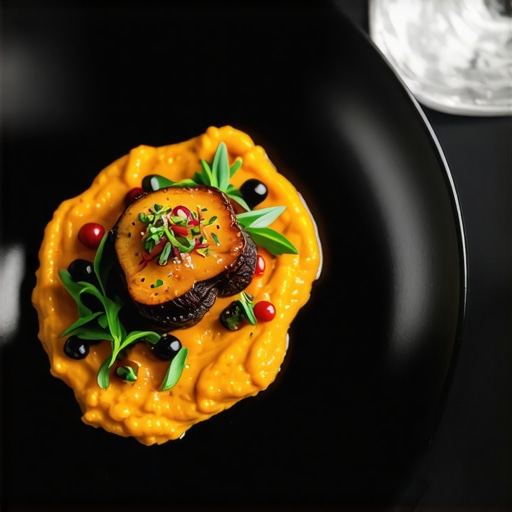
Instead of creating five completely different meals for five different dietary groups, design your primary dishes with natural compatibility. Start with naturally gluten-free and dairy-free bases. For instance, a rich polenta or a charred seasonal root vegetable puree serves as an exquisite foundation for both a slow-braised short rib and a roasted king oyster mushroom. You can easily learn the secret to serving a vegan menu that meat-eaters actually like by focusing on umami-rich glazes and varied textures that satisfy every palate simultaneously. By keeping the bulk of your plate naturally free of common allergens, you reduce the workload on your kitchen staff and ensure that everyone eats at the exact same pace.
Arm Your Service Staff with Detailed Floor Plans
Even the most brilliant menu falls apart if your front-of-house team cannot deliver the right plate to the right seat. Do not rely on your guests to flag down a busy waiter to explain their severe peanut allergy. Instead, use a color-coded seating chart where every dietary restriction is mapped directly to a seat number. I highly recommend learning how to train event servers to refill water without being noticed and how to execute silent service, ensuring that dietary-restricted plates are delivered without any loud announcements or awkward table side interrogations. Your service should feel like magic, not a medical roll call.
Communicate with Your Caterer Weeks in Advance
Never wait until the week of the event to finalize your dietary counts. Professional catering logistics require meticulous ingredient sourcing and kitchen zoning to prevent cross-contamination. Establishing a firm cutoff date for dietary submissions at least fourteen days before the event allows your culinary team to prep safely. If you are coordinating a corporate function, utilizing essential checklist for successful corporate event catering strategies will help you gather this critical guest data seamlessly during the initial registration process, long before the first pan is heated.
The Myth of the ‘All-Rounder’ Caterer
In my years of organizing high-stakes functions, I have noticed that most planners fall into a dangerous trap: they believe that any premium caterer can seamlessly handle any style of event. They assume that a team brilliant at delivering luxury wedding catering ideas for a fairytale atmosphere can easily pivot to execute a tight, 60-minute corporate luncheon. In reality, these are two entirely different culinary beasts. Wedding catering is theatrical, emotional, and paced to celebrate; corporate catering is highly transactional, rigid, and bound to a strict clock. When you hire a catering team without verifying their specific operational background, you invite disaster.
Everyone says to focus on the menu tasting, but in my experience, assessing the staffing ratio and operational speed works much better. A common error is assuming that a standard server pool can handle sophisticated services. If your event calls for refined service, you must explicitly screen for specialized training, such as knowing how to spot a server who has not been trained in French service, to avoid awkward service delays or messy table mishaps. The wrong skill set front-of-house will ruin even a Michelin-starred menu.
Why does the traditional ‘head table first’ rule fail at modern receptions?
Here is a contrarian view that often shocks traditionalists: serving the wedding couple and the head table first is actually a logistical mistake that slows down your entire timeline. According to a landmark study on banquet efficiency by the Cornell University School of Hotel Administration, prioritizing the head table creates an immediate bottleneck because those guests are often pulled away for photographs, toasts, or impromptu conversations. When food sits untouched at the head table, servers hesitate to clear, delaying the entire room’s service. A smarter approach is practicing the logic of serving the head table last at a wedding, ensuring that the bulk of your guests are happily eating while the VIPs complete their hosting duties. This keeps the kitchen moving at peak efficiency and ensures no guest feels ignored.
The Chaos of Poor Front-of-House Allocation
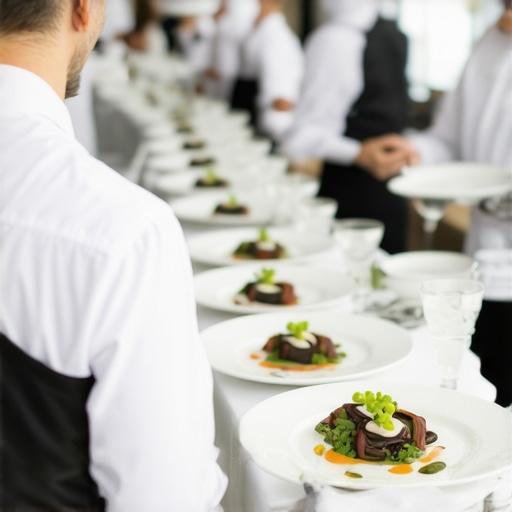
The absolute worst ‘trap’ you can fall into is under-staffing your floor to save a few dollars on labor. Planners often look at the total guest count and apply a generic 1-to-20 server ratio. However, a high-end plated dinner requires micro-teams. If you do not have dedicated leadership on the floor, your service will inevitably drag, and plates will arrive cold. To prevent this, smart hosts leverage the hidden benefit of hiring a lead server for every ten guests. This structural choice ensures that every section has a captain managing the micro-logistics, allowing the service to feel completely seamless and highly personalized. Have you ever fallen into this trap and watched your event timeline fall apart? Let me know in the comments below.
How to Keep Your Event Machinery Running Perfectly Under Pressure
Executing a flawless event menu is only half the battle; the real test lies in maintaining absolute precision from the first hors d’oeuvre to the final digestif. In my years of managing high-stakes galas, I have found that relying on memory or basic spreadsheets is a recipe for disaster. That is why I personally use Social Tables for real-time 3D floor plan modifications, coupled with Airtable for dynamic dietary tracking. These platforms allow our service captains to adjust seating assignments instantly when a guest swap occurs, preventing any awkward plate mix-ups. This systematic approach is the foundation of mastering corporate event planning secrets to seamless success. When you possess the correct tools, your front-of-house team can make split-second decisions without interrupting the host or breaking the natural flow of the dining room.
How do I maintain consistent service quality over a multi-day event?
The secret to sustaining peak performance during multi-day conferences or weekend-long wedding celebrations lies in establishing daily post-service debriefs. Every night, my team reviews kitchen bottlenecks, server physical fatigue, and guest feedback from the day’s meals. We also implement a rigorous zoning checklist. If you are managing a large-scale corporate gathering, deploying the ultimate guide to corporate event catering logistics ensures that kitchen staff and servers are never guessing about their designated service routes. In my experience, even the most elite staff will experience fatigue by day three, making daily micro-briefings and automated scheduling tools absolutely essential to prevent costly service lapses.
Looking ahead, the future of high-end event dining will rely heavily on predictive AI guest profiling. According to the 2024 State of Hospitality Technology Report by Hospitality Technology, emerging platforms are beginning to predict guest dietary preferences and regional menu favorites during the ticket registration process. This technology allows organizers to order exact quantities, reducing food waste by up to 15% while personalizing the culinary experience. To elevate your next gathering, I challenge you to try this advanced tip: use a digital seating diagram to color-code your guests’ meals, and watch how smoothly your service team delivers every single plate.
What the Industry Won’t Tell You About Event Catering Execution
Over a decade of orchestrating high-end galas has taught me that the biggest failures don’t happen because of bad recipes; they happen because of faulty logic. One of the most expensive assumptions you can make is that a beautiful menu translates to an effortless guest experience. In reality, execution is entirely about spatial awareness and timing. For instance, I always advise clients that why you should never use scented candles on a dinner table has nothing to do with decor aesthetics and everything to do with protecting your guests’ sensory appreciation of the culinary profile. Similarly, the physical flow of your service team can make or break the evening. If you fail to design your room with enough clearance, your staff cannot perform their roles. It is vital to understand why your event floor plan needs wider aisles for mobility access, which simultaneously grants your service team the physical runway required to deliver plates swiftly before they lose their optimal serving temperature.
My Essential Event Planning Toolkit
To keep the chaotic gears of hospitality turning in perfect unison, I rely on a curated selection of specialized platforms and checklists. These are the tools that prevent last-minute emergencies and ensure the kitchen remains a place of calm creation:
- Social Tables: My absolute go-to for interactive 3D floor plan layouts. This tool is indispensable for ensuring server pathways are clear of bottlenecks.
- Airtable: I use this database to manage complex guest dietary profiles, linking guest seat numbers dynamically to specific allergen alerts.
- The essential checklist for successful corporate event catering, which provides the step-by-step foundation needed to align with culinary teams weeks before a contract is even signed.
- The specialized system for tracking and executing multi-course service times, outlined in our guide on the ultimate guide to corporate event catering logistics, perfect for keeping high-stakes dinners strictly on schedule.
Crafting Moments Your Guests Will Talk About for Years
At the end of the day, guests may not remember the exact wording of the speeches, but they will always remember how they felt when their meal was served. True inclusion means that the guest requiring a gluten-free plate receives a dish just as stunning and texturally satisfying as the traditional menu. When you invest the time to design your event around shared, accessible culinary foundations, you elevate the entire room’s energy. This thoughtful preparation is the ultimate secret to mastering corporate event planning secrets to seamless success. Step out of the old checklist mindset, plan your next menu with empathy and logistical precision, and watch your gathering transform into a legendary experience.
Have you ever attended an event where the dietary accommodations felt like a total afterthought, or perhaps you experienced a service that ran like clockwork? Let me know your thoughts in the comments below!