

I will never forget the collective groan that echoed through a rented ballroom back in 2018. I had booked a high-energy, experimental electronic DJ for a mixed-generation corporate gala. The twenty-somethings on the marketing team were thrilled. The executive board, however, looked like they were being subjected to acoustic torture, and the middle managers quietly slipped out the back door to find a quiet bar. It was an absolute disaster. I made the classic rookie mistake of planning for one vocal demographic instead of looking at the entire room. Since that painful night, I have dedicated myself to figuring out the delicate science of keeping everyone from Gen Z interns to Boomer executives engaged. Today, we are going to solve this puzzle once and for all so you never have to watch your guests flee for the exits.
Designing a seamless event means looking at how every element works together, from the moment guests walk in to the final performance of the night. If you want to dive deeper into the operational side of these gatherings, check out my thoughts on mastering corporate event planning secrets to seamless success.
The Multi-Generational Room is Your Ultimate Test
Every corporate crowd is a beautiful, chaotic mix of cultural touchstones. You have people who remember rotary phones sitting next to people who have never owned a physical wallet. Trying to bridge this gap with a single act is incredibly difficult. Most organizers panic and choose the safest, most boring option possible—a generic cover band playing elevator-style soft rock. This is actually why most corporate entertainment fails to keep people in the room. It lacks soul, and it bores everyone equally. The secret lies in creating layers of engagement rather than forcing a one-size-fits-all performance onto a diverse crowd. Have you ever stood by the exit of your own event, watching people make polite excuses to leave before the main act even starts? It is a terrible feeling, but it is entirely preventable if you structure the evening correctly.
Are interactive experiences actually worth the extra budget?
Yes, they absolutely are, but not in the way most people think. Interactive does not mean forcing your introverted software engineers onto a stage for live karaoke. That is a recipe for social anxiety. True interactive entertainment allows people to engage on their own terms. According to data compiled by BizBash, events that feature immersive, passive-participation elements see a 40% increase in guest retention past the two-hour mark. Think about close-up sleight-of-hand magicians moving through the crowd, high-end culinary demonstration stations, or a digital caricature artist who sends sketches straight to guests’ phones. It gives the younger crowd something shareable for social media while providing the older crowd with a relaxed, low-pressure conversation starter. When you combine this with a team of seasoned professionals, like the ones you find when you choose the best corporate event servers, the transition between dinner and entertainment feels completely natural and effortless.
How to Program an Evening That Bridges the Generational Divide
The secret to keeping a diverse room engaged is to treat your event timeline like a curated playlist. You cannot start the night with maximum energy, nor can you let the momentum flatline. You must structure the evening in distinct phases that naturally guide guests through different social moods. I learned this lesson the hard way at a medical tech conference in Chicago. I tried to schedule a high-octane comedy set immediately after a heavy three-course dinner. The transition failed completely; half the room was in a food coma, and the other half was checking their watches. Since then, I have relied on a strict transition strategy to shift energy levels smoothly. Starting with ambient, sophisticated interaction during cocktail hours and shifting to a central, high-impact focus during dessert is the only way to prevent your crowd from dispersing. For an effortless flow, you can learn more about the best way to transition a corporate venue from seminar to dinner.
Create Zones of Varying Social Intensity
People do not all socialize the same way. Introverted executives might want a quiet space to discuss strategy, while younger staff want high-energy environments for photos and networking. If you force both groups into a single, highly loud space, one group will leave early. You need to design your venue floor plan with quiet retreat zones that still feel premium. A common mistake is placing the bar right where people walk in, creating immediate congestion. Instead, consider the logic of placing the bar as far from the entrance as possible to pull the crowd deeper into the room and open up natural pathways for movement.
Balance Soundscapes and Room Acoustics
High-energy entertainment often translates to extreme volume. While a younger demographic might enjoy a bass-heavy performance, older attendees often find excessive noise physically uncomfortable and socially isolating. You must work closely with your production team to control the audio dispersion. At a large gala in a historic library, the echo was so intense that guests could not hear the person sitting next to them. We solved this by using heavy fabrics and strategically placed furniture to absorb the sound. To prevent this at your own venue, read about the impact of table linens on the acoustic quality of a room. Use directional speaker arrays that focus the sound on the dance floor while keeping the bar and dining areas quiet enough for comfortable conversation.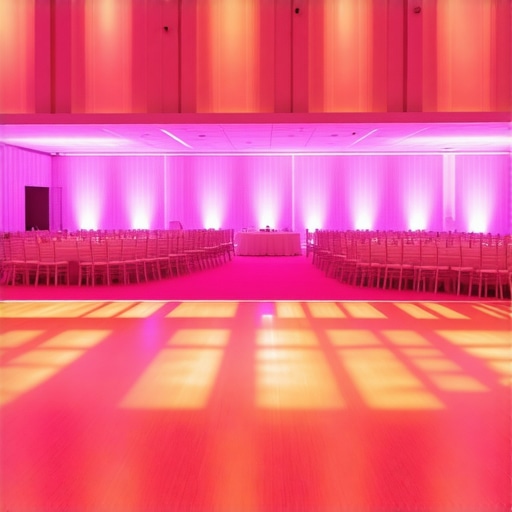
Rely on Micro-Performances to Keep People Moving
Instead of planning one massive, ninety-minute performance that requires everyone to sit still, break your entertainment into bite-sized segments. Five-minute interactive sets scheduled between dinner courses keep the energy high without disrupting the flow of service. This approach demands absolute precision from your service staff. To keep everything on schedule, organizers often rely on a clear leadership structure on-site, which is why your server team needs a clear chain of command on-site. When your catering team and performers work in perfect harmony, the night feels incredibly dynamic, leaving no room for boredom.
When planning entertainment for high-stakes corporate crowds, there is a comfortable lie that planners tell themselves: if you check all the boxes on a spreadsheet, the room will naturally fall into place. We have been conditioned to believe that if we hire a high-rated act and buy premium catering, success is guaranteed. However, after years in the trenches, I have realized that the industry standard for crowd management is fundamentally broken. Everyone says you should aim to entertain the average attendee, but in my experience, designing for the average guest is exactly how you create a forgettable, sterile evening.
The Illusion of Universal Appeal
The most common trap in corporate event planning is searching for the mythical entertainment that appeals to everyone equally. This approach leads to watered-down experiences that fail to excite anyone. When you try to find a middle ground that keeps a twenty-two-year-old software engineer and a sixty-year-old Chief Financial Officer equally engaged, you end up with uninspired background noise. Instead of trying to blend preferences, you should run a multi-tiered evening where different groups can engage at their own level of comfort. This is why many planners struggle; they focus entirely on the main stage act while ignoring the crucial role of human-to-human service on the floor. For example, learning how to boost your corporate event with expert server techniques will do more to keep guests comfortable and engaged than a slightly more expensive cover band ever could.
Why do planners keep falling for the over-programming trap?
Planners often overschedule because they confuse activity with engagement. They pack every single minute of the itinerary with performances, speeches, and interactive games, leaving no room for organic networking. A study by the Event Industry Council revealed that the number-one reason professionals attend corporate galas is peer-to-peer networking, yet schedules routinely crowd out quiet conversation. When you over-program, you actively work against your guests’ primary goal. The moment your entertainment becomes a chore that prevents people from speaking, they will start planning their escape. To prevent this, you need a service team that understands how to read a room, which is why it is essential to focus on server skills that make every event stand out. Quiet, professional service creates pockets of hospitality that allow your guests to relax without feeling pressured by the main stage.
The Dangerous Trap of Service Bottlenecks
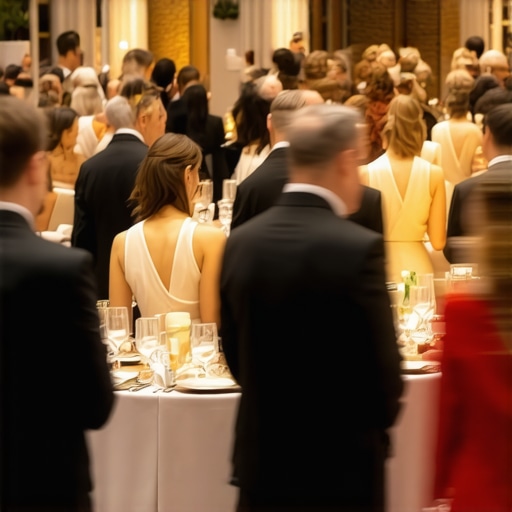
Even the most talented performer in the world cannot save an event if the audience is frustrated by slow service or warm drinks. If your guests are standing in a fifteen-minute line for a cocktail, their focus is entirely broken. The real secret to keeping people in the room is ensuring that the physical logistics of the food and beverage service run seamlessly in the background. If you want to keep the energy high and the mood positive, you must look at optimizing server efficiency to enhance event satisfaction. When plates are cleared discreetly and glasses are refilled without a word, your guests can lose themselves in the experience rather than worrying about when their table will be served. Have you ever fallen into this trap? Let me know in the comments.
When you have addressed the acoustic challenges and solved the service bottlenecks, the next logical step is establishing a robust framework to keep everything running smoothly behind the scenes. In my early days, I used to rely on mental checklists and frantic text threads. Today, I rely on a highly structured logistical toolkit. To guarantee that the energy of your crowd never falters, you must manage your technical and human resources with absolute precision. That means moving away from generic planning software and adopting tools designed specifically for real-time adjustments.
My Personal Toolkit for Flawless On-Site Execution
I do not believe in theoretical planning; I believe in tools that survive the chaos of a live floor. For real-time communication, my team completely abandoned standard walkie-talkies in favor of Riedel Bolero wireless intercoms. This system allows us to create isolated channels for the culinary staff, the stage manager, and the front-of-house team. If the kitchen experiences a minor delay, the stage manager can instantly cue the performer to extend an interactive segment by two minutes without the guests ever noticing a gap in service. This level of coordination is why your corporate gala needs a professional stage manager who understands how to utilize these technical channels.
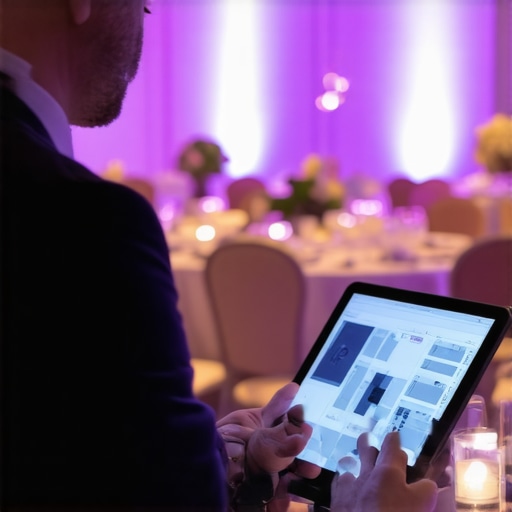
For spatial planning and crowd-flow simulations, I exclusively use Social Tables. This tool allows us to map out realistic safe distances and service corridors, ensuring that our team never runs into guests. Using digital layout tools is essential to verify that your service pathways remain completely unobstructed throughout the evening. If your layout is cramped, even the most skilled team will struggle, which is why it is critical to implement corporate event catering strategies for success from the very first layout draft.
How do I maintain seamless event flow and communication over long hours?
The secret to keeping a long event from deteriorating in quality is establishing a structured hand-off and rotation system. According to the Event Safety Alliance (ESA) standards manual, staff performance and situational awareness drop by over thirty percent after six hours of continuous standing work. To combat this physical fatigue, I implement a rolling thirty-minute buffer rotation for our lead coordinators and service captains. This ensures there is always a fresh set of eyes monitoring the crowd’s energy levels, the volume of the soundscape, and the speed of the bar lines.
Maintaining this standard over a multi-day conference or a long gala evening also requires a highly disciplined setup. You must constantly monitor your infrastructure. This is why I always mandate an electrical load audit before the event begins, and why we emphasize checking backups, much like understanding why your venue needs a backup generator for outdoor events. If you do not actively maintain your physical assets and staff energy, the seamless atmosphere you worked so hard to build during the first hour will completely dissolve by hour four.
The Future of High-Stakes Crowd Management
Looking ahead, I predict that crowd management will rely heavily on predictive spatial analytics and real-time sensor feedback. We are already seeing high-end venues integrate heat-mapping cameras that track guest density near bars and buffet lines. In the next few years, this data will feed directly into automated catering systems, dynamically alerting service captains to deploy more staff to congested areas before a bottleneck even forms. To stay ahead of the curve, I highly recommend trying one advanced tip at your next gathering: map your server paths completely separate from guest paths using distinct color-coded tape during rehearsal. Watch how this simple physical boundary instantly slashes service times and keeps your guests focused on the entertainment.
The Hardest Lesson I Learned While Managing High-Stakes Corporate Crowds
If my disastrous 2018 gala taught me anything, it is that you cannot force human chemistry, but you can absolutely design for it. The single biggest mistake I made was believing that entertainment lives only on the stage. In reality, engagement is a physical state of comfort. If your guests are struggling to hear each other, standing in long lines, or feeling ignored by the service staff, even a multi-million-dollar headliner will fail to keep them in the room. True crowd management is about removing friction. Over the years, I have realized that the quiet choreography of your floor staff has a far greater impact on guest retention than any flashy main-stage act. When you invest in cultivating server skills that make every event stand out, you are building an invisible safety net that keeps your attendees feeling valued, comfortable, and energized to stay until the final curtain.
The Logistics Playbook I Keep on My Dashboard
I do not expect you to run your next event on sheer intuition. Over the last decade, I have curated a specific set of operational guides and standards that I rely on for every major production. Here are the three resources you should study before your next floor plan draft:
- The Event Safety Alliance (ESA) Standards Manual: This is my absolute bible for managing staff fatigue and crowd safety thresholds. It is where I developed my rolling thirty-minute rotation strategy to keep our team sharp.
- Social Tables Interactive Layouts: I use this tool to simulate guest paths and ensure we maintain spacious service corridors. If you want to make sure your logistics are flawless from day one, you must implement strategic corporate event catering strategies for success directly into your room layout.
- Riedel Bolero Wireless Intercom Guides: This manual completely changed how my team communicates in real-time, allowing our front-of-house leads to synchronize perfectly with the kitchen and stage.
Take the Leap and Own Your Room
The days of generic, uninspired gatherings are over. Your corporate guests deserve an experience that respects their diverse backgrounds, their sensory boundaries, and their desire for genuine connection. By shifting your focus from loud, forced entertainment to subtle, high-performance crowd management, you will elevate your gatherings from standard corporate obligation to highly anticipated highlight. It takes courage to move away from the traditional, over-programmed schedule, but the reward of a packed room at the end of the night is worth every single ounce of preparation. If you want to take your upcoming gathering to the next level, start by learning how to boost your corporate event with expert server techniques and watch how the overall atmosphere transforms.
Have you ever struggled to keep a mixed-generation crowd from leaving an event early? What unexpected strategy saved your night? Let me know in the comments below!