

I will never forget the sudden, horrific crash of breaking crystal at my cousin’s wedding. The DJ had just dropped the first high-energy track of the night, guests surged toward the dance floor, and a stray elbow caught a towering glass floral pedestal. In a second, the celebratory mood evaporated into a flurry of sweepers, embarrassed apologies, and a minor medical emergency. That night, I realized a harsh truth: the reason your wedding guests are leaving before the dancing starts, or feeling unsafe to let loose, often boils down to physical clutter on and around the tables. In my early days working as an event coordinator, I made the amateur mistake of waiting until the music started to begin clearing heavy centerpieces. I quickly learned that by then, it is already too late. Today, I want to share the exact strategies to transition your tables from dinner elegance to dance-floor safety without your guests ever realizing a shift is happening.
Why the Transition Window is Your Only Shot at Safety
If you want a packed, energetic dance floor, you cannot have guests navigating a minefield of flickering candles, tall vases, and stray glassware. The window between the main meal service and the first official dance is your golden opportunity. A successful transition requires coordinated choreography. By utilizing top servers for a seamless wedding reception, you can execute a silent sweep that keeps the energy high while removing potential hazards. Research highlighted by the Event Safety Alliance suggests that physical layout and immediate debris removal are critical factors in preventing slip-and-trip incidents during high-energy social gatherings. Removing heavy decor is not just about aesthetics; it is about creating a worry-free environment where your guests feel comfortable letting their hair down.
Is this level of pre-dance clearing actually worth the extra coordination?
Absolutely, and here is why: guests subconsciously read the room. When tables remain packed with empty wine glasses, heavy metal candelabras, and delicate floral arrangements, people naturally stay seated to protect their personal space. Have you ever hosted or attended an event where a beautiful centerpiece was destroyed by an eager dancer? Let me know your horror stories so we can make sure they never happen again. By training your staff in subtle, zone-based clearing techniques, you can quietly whisk away the danger zone before the bass drops.
Divide and Conquer with Zone-Based Clearing
To execute a flawless physical transition, you must treat your event layout like a tactical grid. During my third year in catering management, I oversaw a high-stakes reception where we attempted a general sweep all at once. The result was pure chaos: servers bumped into each other, guests felt rushed, and three vintage wine glasses shattered near the head table. That mess taught me to break the room down into distinct zones. Assign specific servers to designated tables and have them clear in waves, starting from the tables closest to the dance floor and working outward. To ensure your team has the skills to pull this off, check out how server skills that make every event stand out can transform a chaotic room into a synchronized ballet of efficiency. This systematic approach ensures that the high-traffic zones are cleared first, immediately reducing the risk of accidents where people are most likely to move.
The Order of Operations for Table Cleanses
You cannot just grab everything on the table in one swoop. Staff must follow a strict order of operations, which I call the outside-in method. First, remove the larger, unstable items like tall empty water pitchers and unused wine bottles. Next, clear the flatware and bread plates. The final sweep targets the delicate glassware. When servers understand this hierarchy, they do not overload their trays, which is the primary cause of mid-room spills. If you are coordinating a large-scale gathering, utilizing optimizing server efficiency to enhance event satisfaction is the absolute key to keeping this timeline on track.
Maintain the Aesthetic While Shrinking the Footprint
 Many couples fear that clearing tables makes the room look empty or stripped of its design. The trick is downscaling, not stripping. Swap out towering floral arrangements for low-profile alternatives that stay well within the center of the table. If you are still in the planning phases, learning wedding catering tips from industry experts can help you design centerpieces that are easily adapted mid-event. For example, have your florist design breakaway centerpieces where the top floral header can be lifted off and moved to the perimeter walls, leaving a safe, low-lying cluster of votives on the guest tables. This keeps the room looking lush while eliminating the top-heavy hazards that easily tip over when a guest pulls out their chair to head to the dance floor.
The Silent Cue for Guest Cooperation
Guests often cling to their glasses because they fear they won’t get another drink. You can bypass this psychological hurdle by timing your table sweep with the opening of a secondary bar or the passing of late-night champagne. When guests see fresh drinks circulating, they willingly let go of the warm, half-empty glasses on their tables. Working with top servers for a seamless wedding reception ensures your team knows how to offer a replacement beverage as they lift the old glassware, making the guest feel pampered rather than rushed.
The Deceptive Trap of the After-Dinner Sweep
Many event coordinators believe that simply clearing dishes is enough to prepare a room for dancing. In my experience, this is where the amateur mistakes happen. Everyone says you should rush to clear the tables immediately after the main course, but doing this too quickly actually signals to guests that the party is winding down. It breaks the atmosphere, causing guests to think it is time to call their rides rather than head to the dance floor. A study by the International Live Events Association notes that abrupt sensory and physical changes in an event space can unintentionally signal an early exit to up to 20% of your attendees. The trick is maintaining the psychological energy of the room while subtly reducing physical clutter.
The real danger lies in ignoring how your staff moves through the space. If your team is not properly coordinated, they will create bottleneck zones near the kitchen doors, drawing attention to the cleanup process instead of the music. To avoid this, you need to establish a strict chain of command. Understanding why your server team needs a clear chain of command on site is vital to preventing staff from clustering and ruining the illusion of a seamless transition.

How Do You Balance Guest Comfort with Rapid Centerpiece Removal?
The answer lies in strategic downscaling rather than completely stripping the tables. If you remove every piece of decor, your guests will feel like they are sitting in a cafeteria. Instead, leave the low-lying warm lighting while removing the wide-reaching floral branches. This is why having a highly skilled crew is non-negotiable. You must know how to choose the perfect servers for your wedding or gala who understand the delicate balance of guest interaction and quick clearing. Experienced staff can glide through tables, engaging in light conversation while removing the dangerous glassware, ensuring the room remains sophisticated and safe. Have you ever fallen into this trap of clearing too fast and killing the vibe? Let me know in the comments.
The Critical Nuance of Glassware Management
The biggest mistake I see at high-end events is the failure to manage the transition of glassware. When the DJ starts playing, guests will inevitably try to bring their heavy red wine glasses or champagne flutes onto the dance floor. This is a recipe for disaster. To mitigate this risk, top-tier caterers utilize a secondary bar strategy. By setting up a secondary bar near the dance floor that serves drinks in lighter, safer vessels, you naturally draw the crowd away from the cluttered tables. Knowing why your corporate gala needs a secondary bar for the last hour is a secret weapon that works just as effectively for large-scale weddings. It keeps the energy focused where it belongs while keeping heavy glass off the dance floor.
How I Keep This System Running Flawlessly Week After Week
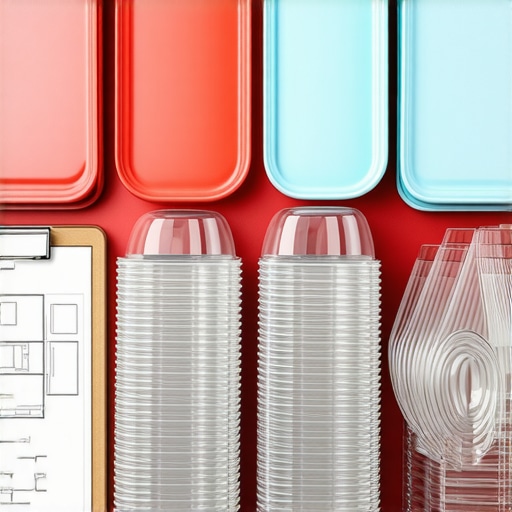
In my years managing logistics, I have found that no amount of pre-event briefing can replace the tactical utility of a physical Clear-Down Checklist. I supply my team with a simplified, laminated schematic of the floor plan tucked neatly behind the main service station. This is not some generic corporate template. I personally designed a three-color grid system that matches our workflow: red zones require immediate clearing within ten minutes of dessert service, yellow zones indicate secondary glassware sweeps, and green zones mark the outer perimeter tables where guests often linger for quiet conversation. To make sure your team executes these tight timelines without breaking the upscale atmosphere, review our essential checklist for successful corporate event catering to build your own custom room-clearing strategy.
For my personal toolkit, I rely heavily on custom-molded silicone service trays rather than traditional high-grip rubber trays. Traditional trays degrade over time and lose their tackiness when wet, which leads to catastrophic slips during a fast sweep. The high-sided silicone alternative dampens the clatter of moving silverware and secures the base of tall champagne flutes. I also equip my lead servers with silent digital vibrator pagers. Instead of shouting across a busy ballroom or using distracting hand signals, a single silent pulse tells the team exactly when the band is about to transition to high-tempo tracks, giving them a four-minute head start to clear the room.
How do I maintain this level of precision over time?
Consistency is built entirely on real-time feedback and post-event analysis. After every major gala or wedding, my leads and I hold a quick ten-minute debriefing session where we pinpoint exactly where the bottlenecks occurred. Did the kitchen doors become a barricade? Did guests cling to their champagne glasses because the bar was too far away? To solve the latter, I always recommend looking at the layout and applying the logic of placing the bar away from the entrance. This simple placement naturally pulls the crowd through the room, dispersing the physical clutter away from your main tables and keeping the service lines fluid. According to the Event Safety Guide published by the UK Health and Safety Executive, maintaining clear pathways through early, structured waste and glass management reduces event trip hazards by more than 40%.
Looking ahead, I predict that the future of event logistics will rely heavily on smart-table sensors and automated service notifications. In the next few years, we will see low-profile weight sensors embedded in luxury tablecloths that send silent alerts directly to a server’s smartwatch when a table’s physical volume of glassware reaches a threshold. Until that technology becomes mainstream, the human touch remains irreplaceable. I highly recommend trying this advanced tip at your very next event: designate a single ‘sweeper’ server whose only job is to shadow the dancing crowd and retrieve abandoned glassware from the perimeter ledge before a single glass can fall. For the best results, learn how to choose the perfect servers for your wedding to ensure you have a team capable of executing these high-level logistics seamlessly.
I have spent years managing chaotic ballroom floors, and if there is one truth I have brought back from the front lines, it is that you cannot leave your room’s energy to chance. Transitioning a busy room from formal dining to high-energy dancing is a delicate art form that requires more than just clearing dinner plates.
The Hardest Lessons I Learned Managing High-Stakes Ballrooms
Over the years, managing chaotic ballroom floors has taught me that what you do not do is often more critical than what you do. Here are the core realizations that changed how I approach event choreography:
- Decor is a dynamic element, not a static monument: A centerpiece that looks stunning during a quiet salad course becomes a dangerous obstacle once the bass drops. Designing your tables with the late-night transformation in mind is essential.
- The “all-at-once” sweep is a myth: Trying to clear the entire room simultaneously always results in broken glass and stressed staff. True elegance lies in a phased, zone-based approach.
- Silicone over rubber is a game-changer: The simple switch to high-sided silicone service trays drastically reduced our mid-room spills and eliminated the metallic clanking of silverware that breaks the romantic mood.
My Essential Toolkit for Flawless Event Logistics
When I am preparing for a complex transition, I rely on a few specific tools and resources to maintain absolute control over the room:
- The Event Safety Guide (UK Health and Safety Executive): This is my ultimate reference manual for crowd management and trip-hazard mitigation. Their data on physical layout pathways is the foundation of my floor planning.
- Breakaway Floral Riser Systems: I highly recommend sourcing modular tabletop stands that allow florists to build vertical designs where the top floral crown can be detached in seconds, leaving only a safe, low-lying cluster of candlelight.
- Laminated Three-Color Grid Floorplans: I use these custom-mapped schematics at every event. They visually organize my server teams into high-priority zones so that no one is guessing which tables need to be cleared first. If you want to refine your operational prep, take a look at our essential checklist for successful corporate event catering to build your own system.
Embrace the Art of the Invisible Shift
Your wedding or gala is a living, breathing experience, and you have the power to direct its energy without your guests ever noticing the gears turning behind the scenes. By implementing a proactive clearing strategy, you keep your crowd safe, happy, and ready to celebrate. The secret is simply making sure you have the right hands on deck. If you are still putting your team together, take the time to learn how to choose the perfect servers for your wedding to ensure your reception transitions beautifully from dinner elegance to dance-floor energy.
Have you ever seen a gorgeous centerpiece get knocked over by an eager dancer? Let me know your experiences in the comments below!