

I remember the exact moment I realized my gala was sinking. It was 11:15 PM in a grand, mahogany-clad ballroom, and the energy—which I had meticulously built over four hours—just evaporated. Why? Because 200 people were trying to squeeze through a single service point for one last nightcap. It was a sea of expensive suits and visible frustration. My mistake was simple: I planned for a peak, but I did not plan for the exit. Today, I want to show you why a secondary ‘closer’ bar is the insurance policy your event deserves to prevent that midnight slump.
Stop the 11 PM Stampede with a Satellite Station
Most of us spend weeks perfecting corporate event catering strategies for success, yet we frequently ignore the physics of the final hour. When the dance floor hits its stride or the final awards wrap up, every guest hits the bar simultaneously. I’ve seen firsthand how the common mistake of placing the bar in a back corner turns a sophisticated celebration into a chaotic mosh pit. Early in my career, I thought I was being clever by consolidating beverage service to one central location to save on labor. Instead, I created a bottleneck so tight that guests actually started poaching wine bottles from service trays just to avoid the line. It was humiliating. A secondary bar, even a simple satellite station that opens late, disperses the crowd and keeps the mood light. You do not want your legacy to be the person who made the CEO wait fifteen minutes for a glass of scotch. It is about maintaining that momentum until the very last light goes out. [image_placeholder]
Does an extra bar station actually fit the budget?
Skepticism is healthy, especially when budgets are tight and you are already worrying about how to handle a liquor shortage mid-way through a gala. You might worry about extra setup fees or wasting server skills that make every event stand out on a station that is only open for sixty minutes. However, the cost of a ‘dead’ party is far higher. According to a study by the International Journal of Hospitality Management, guest satisfaction drops by nearly 40% when wait times for services exceed ten minutes at premium events. By utilizing the best corporate event servers for 2025, you can efficiently staff a smaller pop-up station that only serves ‘quick-pour’ items like beer, wine, and a single signature cocktail. Have you ever watched a great event fizzle out simply because the logistics could not keep up with the guest’s thirst? It is a heartbreaking sight for any planner, but it is entirely preventable with a little foresight into the final hour’s flow.
Map Out the Floor Plan Like a Commuter Traffic Controller
To avoid a late-night logjam, you have to think like a civil engineer designing a highway interchange. Most planners place the bar where it’s easiest for the venue to set up—usually near the kitchen—but you should apply the logic of placing the bar as far from the entrance as possible to draw people through the space during the peak hours. However, when 11:00 PM hits, your main bar is likely at the far end of the room near the stage. Your ‘closer’ bar needs to be positioned near the exit or the coat check. This serves as a ‘relief valve’ for the crowd. I once managed a 600-person gala in an old library where the main bar was stuck behind a series of heavy columns. By 10:30 PM, the line looked like a TSA checkpoint on the Wednesday before Thanksgiving. We quickly opened a small satellite station by the main doors, serving only champagne and sparkling water. Within ten minutes, the congestion vanished because guests grabbed a drink on their way out instead of fighting their way back to the center of the room. This tactic is essential for the best way to transition guests from cocktail hour to dinner and eventually to the exit without a bottleneck.
Identify the Natural Exit Path
Watch your guests as the night winds down. They naturally drift toward the doors, the valet stand, or the elevators. If you place your secondary service point along this path, you capture the ‘one last drink’ crowd before they cluster at the main bar and create a fire hazard. This is one of the most effective catering strategies for corporate event impressiveness because it feels like you anticipated their needs before they even had them. It shows a level of corporate event catering logistics that separates amateurs from veterans. 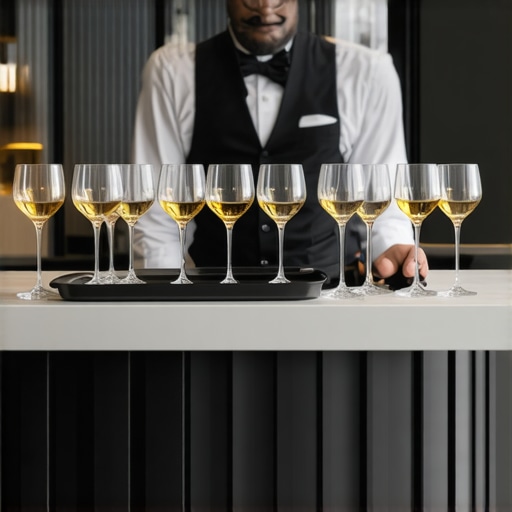
Streamline the Menu to Kill the Wait Times
Complexity is the enemy of speed in the final hour. If your closer bar has a ten-ingredient signature cocktail that requires muddling, you’ve already lost. Your secondary station should be a model of optimizing server efficiency to enhance event satisfaction. Limit the menu to ‘quick-pour’ items: pre-poured wine, bottled beer, and perhaps one batch-made cocktail. By removing the need for a shaker or a blender, you ensure that every guest spends thirty seconds at the bar rather than three minutes.
The Quick-Pour Philosophy
Think of this bar as an express lane at the supermarket. In a high-stakes environment, the principle behind why pre-pouring water is the secret to a fast service start applies to your late-night beverages too. Having twenty glasses of the house red already poured and lined up on a tray means your staff can handle a wave of fifty people in minutes. I saw this in action at a luxury car launch where we knew the final speech would trigger a massive rush. We had three servers ready with trays of chilled prosecco at the back of the room the moment the applause started. No one waited. Everyone felt like a VIP.
Deploy Your Team Based on Real-Time Demand
You don’t need a full army for the entire night, but you do need leadership. This is why your server team needs a designated captain for every 50 guests. The captain can see the ‘ebb and flow’ and pull staff from the main dining room to man the satellite bar as dessert service ends.
Staffing for the Surge
Use the best corporate event servers for 2025 who are trained in multi-tasking. You want someone who knows how to spot a professional server in an interview based on their ability to stay calm under pressure. During that library gala I mentioned, our ‘closer’ server didn’t just pour drinks; they acted as a traffic warden, gently directing people toward the coat check once they had their nightcap. This is a subtle but powerful way of how to keep your event schedule on track without rushing guests out the door.
Let’s dig deeper into the mechanics of why these late-night shifts often fail despite the best intentions. Every novice planner says ‘give the guests whatever they want,’ but I’m telling you to give them less—specifically at the satellite bar. The biggest myth in high-end hospitality is that variety equals luxury. In reality, at 11:30 PM, variety equals a queue. When you offer a full cocktail menu at a ‘closer’ bar, you aren’t being hospitable; you’re creating choice paralysis. I have watched guests spend three minutes deciding on a gin brand while fifty people behind them grow restless. True luxury is the speed of service.
Choice Paralysis is the Hidden Enemy of Speed
In my experience, the ‘Oops’ factor usually happens when you treat your satellite bar like a primary one. If you don’t use optimizing server efficiency to enhance event satisfaction techniques, you are essentially building a wall between your guests and their departure. A 2023 report from Cvent suggests that 62% of event planners cite ‘on-site logistics’ as their primary stressor, yet fewer than 15% actually map out the physical guest flow for the final hour. To avoid this, you must strictly curate your late-night menu. One red, one white, one beer, and a batch-made signature drink. That is the formula for a flawless exit.
Why does your 500-person gala still feel like a school cafeteria line?
The answer is usually staffing quality over quantity. You might think hiring twenty extra bodies solves the problem, but the hidden risks of hiring student servers for high-end events often manifest as confusion during the rush. These generalists lack the ‘event-sense’ to anticipate guest needs. Instead, you need to know how to spot a professional server in an interview who understands the nuance of high-volume flow. This professional will notice how to spot a server who hasn’t been briefed on the menu and correct them before the guest even notices a delay. 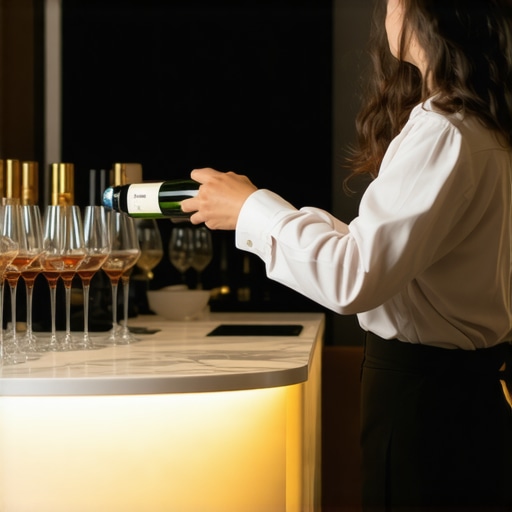
Stop Hiring Generalists for Specialist Roles
Another advanced trap is failing to assign specific roles for the ‘surge.’ It is not enough to have people behind a bar; you need specialists. For instance, why your event needs a dedicated staff member for dietary requests becomes even more critical late at night when the kitchen is winding down but guests are still looking for a snack. Without this, your bar staff gets distracted by questions about allergens instead of pouring drinks. This is why your server team needs a designated captain for every 50 guests to keep the gears turning. These are the wedding catering tips from industry experts that prevent a beautiful evening from ending on a sour note. Have you ever fallen into this trap of over-complicating the final hour? Let me know in the comments.
Ditch the Group Text for Real-Time Voice Comms
When you are in the thick of a 1,000-person gala, waiting for a text message to deliver is a luxury you don’t have. I’ve transitioned my teams entirely to push-to-talk apps like Voxer or traditional high-frequency radios with discrete earpieces. This isn’t just for security; it’s the only way to ensure optimizing server efficiency to enhance event satisfaction during a sudden shift in flow. If the main bar runs out of clean glassware, the captain can whisper it into the feed, and a runner from the back can pivot instantly. This level of corporate event catering logistics is what prevents a minor hiccup from becoming a guest-facing disaster. Without a live audio link, you’re just guessing, and in high-stakes hospitality, guessing is a fired offense.
How do I maintain high energy and service standards for a 12-hour production?
The secret is the ‘Fresh Eyes’ rotation. I never let a server stay in the same zone for more than four hours. By rotating your best corporate event servers for 2025 between high-intensity zones like the bar and lower-stakes areas like the lounge, you prevent the mental fatigue that leads to sloppy mistakes. It’s also why I insist on knowing how to spot a professional server in an interview who demonstrates high emotional intelligence; they can sense when a colleague is flagging and step in. According to the Professional Convention Management Association (PCMA), attendee satisfaction is most heavily influenced by the final 20% of the event duration, making these late-shift energy resets absolutely vital for effective catering strategies for corporate event impressiveness.
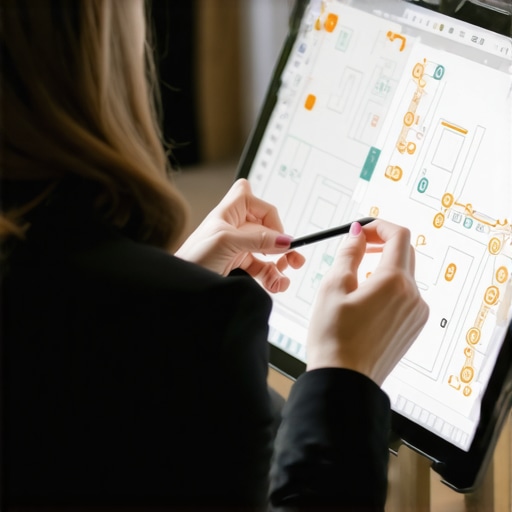
Map Your Floor Plan with a Three-Foot Safety Buffer
I swear by digital floor planning tools like AllSeated or Social Tables, but the tool is only as good as your data. A rookie mistake is trusting the venue’s ‘max capacity’ numbers. I always apply the logic of placing the bar as far from the entrance as possible, but I also build in what I call the ‘Service Moat.’ This is why your ballroom floor plan needs a three-foot safety buffer around every service point. This space isn’t for guests; it’s for your team to move quickly without bumping into a CEO holding a full glass of Cabernet. If you don’t visualize these ‘lanes’ during the planning phase, your top server tips to elevate your event experience won’t matter because your staff will be stuck in a human gridlock.
The Future of Flow is Predictive AI
We are moving toward a world where heat-mapping sensors will tell us exactly where the crowd is headed before they even get there. Within the next three years, expect to see AI-integrated staffing platforms that suggest the math behind hiring extra servers for a flowing champagne reception based on historical guest movement data. For now, we rely on the intuition of a great lead. This is why your server team needs a designated captain for every 50 guests—they are your human sensors. If you want to elevate your next gala, try this one advanced tip: assign one server to do nothing but ‘path-clearing’ during the final hour, ensuring the route between the satellite bar and the glass washer is never obstructed. It sounds simple, but it’s the difference between a frantic finish and a graceful exit.
The Hardest Lesson I Learned About Midnight Meltdowns
One thing I’ve realized after a decade in the ballroom is that a great start means nothing if you have a clunky finish. I used to think that throwing more people at a problem was the answer, but the hidden risks of hiring student servers for high-end events taught me otherwise; it’s about specialized skill, not headcounts. You need staff who can read a room and anticipate the ‘surge’ before it happens. This shift in perspective—from managing tasks to managing flow—changed everything for my reputation as a planner.
Another lightbulb moment? The realization that silence is your best tool. When you use discrete voice comms, you eliminate the visual clutter of staff running around with clipboards. It allows your best corporate event servers for 2025 to operate like a coordinated unit, moving with the grace that defines luxury wedding catering ideas for a fairytale atmosphere even in a high-pressure corporate setting. Always prioritize those who know how to spot a professional server in an interview because their poise is contagious.
My Go-To Toolkit for Perfecting Guest Flow
If you’re serious about optimizing server efficiency to enhance event satisfaction, you need the right gear. First, I never plan a room without a digital layout tool like AllSeated to verify that my ballroom floor plan needs a three-foot safety buffer. Second, I swear by high-frequency radios with clear acoustic tubes; they are the ‘nervous system’ of a large gala. Finally, I always have a printed essential checklist for successful corporate event catering tucked into my jacket. It’s the backup for when the Wi-Fi fails but the expectations do not.
Own the Room Until the Final Curtain
Your ability to control the physical flow of an event is what truly sets you apart. By implementing these corporate event catering strategies for success, you are not just serving drinks; you are curating an experience that feels effortless from the first toast to the final valet call. Don’t be afraid to pull the main bar early and transition to a satellite station—your guests will thank you for the lack of lines, even if they do not know exactly why the night felt so smooth.
[image_placeholder]
Have you ever had a ‘bottleneck nightmare’ at the end of a big event? Let me know how you handled it in the comments below.