

I still remember my first big morning trade show in Chicago. It was 7:55 AM, the doors were about to swing wide, and I stood there staring at a single, sad 12-cup percolator. I had 400 exhausted attendees about to descend on my booth, and I had exactly enough caffeine for about six of them. It was a total disaster. People didn’t just walk past; they looked at my empty carafe with genuine heartbreak. That morning taught me a brutal lesson: in the world of high-stakes networking, coffee isn’t just a beverage; it’s the fuel that drives engagement. If your station isn’t built to scale, you aren’t just losing out on leads—you’re actively annoying your future clients. Today, I want to show you exactly how to avoid that panic and create a setup that handles the 8:00 AM stampede with grace.
Scale Your Setup Before the Doors Even Open
Scaling for a trade show isn’t about buying the most expensive beans; it’s about mastering the logistics of volume. One of the biggest mistakes I made early on was treating a trade show booth like a small office kitchen. I didn’t account for the ‘surge.’ In a corporate setting, people trickle in. At a trade show, they arrive in a massive tidal wave. You need to think about high-capacity thermal dispensers and a layout that prevents the dreaded creamer bottleneck. If you’ve ever stood behind someone trying to open ten tiny milk containers while the line stretches out the door, you know exactly what I mean. Research shows that 63% of American adults drank coffee in the past day, and that number effectively doubles when people are navigating a cold convention center floor. Have you ever had your booth traffic die because the coffee ran out right as a key prospect walked by? It’s a sinking feeling I wouldn’t wish on anyone. To keep things moving, you must implement strategies for serving hundreds of people in minutes.
Is a fancy espresso machine actually worth the hype?
It’s a common question: do you really need the steam wands and the latte art? My honest opinion? Usually, no. Unless you have a dedicated staff member who can pull shots at lightning speed, a high-end espresso machine becomes a liability. It creates a ‘spectacle’ that slows down the line to a crawl. I’ve found that high-quality batch-brewed coffee served from insulated carafes is much more effective for a morning trade show. You want to be the booth that gives people what they need—energy—immediately. If you really want to level up, remember that separating your coffee station from the snacks is the best way to keep the flow moving. This prevents people who just want a quick caffeine fix from getting stuck behind someone debating which blueberry muffin looks the least crumbly. By focusing on speed and accessibility, you ensure your booth stays a destination rather than a frustration.To avoid the chaos I experienced in Chicago, you have to treat your booth layout like an airport terminal, not a cozy cafe. You want a clear “in” and “out” path.
Build a Layout That Actually Flows
One of the best ways to keep the line moving is to apply the same logic as placing a bar away from the entrance. You don’t want the first thing a guest does—grabbing a cup—to happen right at the edge of the aisle where they’ll block traffic. I once saw a booth at a Las Vegas tech expo that had a 20-foot line spilling into the main walkway; the fire marshal nearly shut them down before 10:00 AM. We fixed it by creating a U-shaped flow where the coffee was at the back of the “U” and the exits were clear. This is why optimizing server efficiency is critical; your team shouldn’t be dodging guests to swap out empty carafes.
Separate the Milk from the Mud
The absolute biggest bottleneck in any coffee station is the condiment tray. Someone inevitably spends three minutes perfecting their sugar-to-cream ratio while five people behind them just want black coffee. The fix is simple: put the sugar, stirrers, and milk on a completely separate “island” three to five feet away from the coffee dispensers. It’s the same logic used for managing a 1000-person conference buffet without a stampede. By the time they reach the milk, they already have their drink in hand, and the person behind them is already pouring theirs. 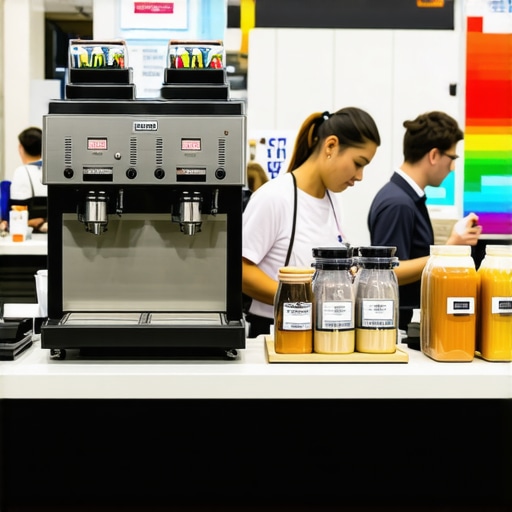
Hire Specialists Who Know How to Move
Don’t leave your coffee station to your sales team. They are there to close deals, not to wipe up spilled oat milk. You need professionals who can spot a low carafe from across the room. When I’m staffing these high-volume events, I look for the best corporate event servers who have experience in “surge” environments. You need a hierarchy on the floor. Just like a professional kitchen, your server team needs a designated captain to coordinate the refills and manage the “trash” runs. I remember a mess at a medical conference where a trash can overflowed, and because no one was “in charge” of the station, guests were piling sticky napkins on the expensive mahogany counter. It looked terrible and felt unprofessional. Implementing effective catering strategies means having a person whose sole job is to keep that station pristine and stocked while your sales reps do what they do best.
Why More Staff Often Slows Down Your Service
There’s a common misconception in the corporate world that throwing more people at a problem fixes it. I’ve seen planners hire double the recommended staff for a gala, thinking it would guarantee speed, only to watch in horror as servers literally bumped into each other in the kitchen doorway. In my experience, less is often more if those few are highly trained. When you have too many uncoordinated bodies, you end up with the dreaded plate stacking or, worse, three different people asking the same guest if they want more water while the VIP table’s main course goes cold. This is why your server team needs a clear chain of command on-site rather than just a high head count. Quality control starts with leadership, not just volume.
The Hidden Risk of the Budget Staffing Trap
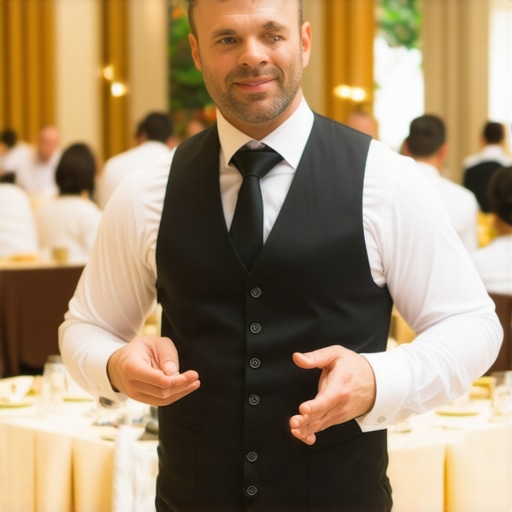
We’ve all been there: the budget is tight, and someone suggests hiring local students or general help to save a few thousand dollars. This is the ultimate oops factor. Professionalism isn’t just about carrying a tray; it’s about knowing how to navigate a room without being noticed. I recently consulted for a firm that hired students for a high-stakes board dinner, and one well-meaning kid accidentally cleared a CEO’s plate while he was still mid-sentence during a closing argument. Talk about a vibe killer. Understanding the hidden risks of hiring student servers for high-end events is the difference between a seamless evening and a series of apologies. You need specialists who understand how to spot a server who has not been trained in French service, as that lack of polish reflects directly on your brand image.
Does a high staff-to-guest ratio actually guarantee quality?
Surprisingly, the answer is often no. According to a study published in the Journal of Convention & Event Tourism, guest satisfaction in high-volume catering is driven by service climate—the organizational structure and training level of the team—rather than the sheer volume of personnel. If you don’t have a lead server for every ten guests to act as a localized manager, the flow collapses into chaos. I always tell my clients that optimizing server efficiency is about surgical precision, not brute force. Have you ever fallen into the trap of hiring extra hands only to have them stand around looking confused while your guests waited for drinks? Let me know in the comments below; I’d love to hear your stories and how you managed the fallout.
Moving beyond the immediate chaos of a single event, I’ve realized that the tools you use behind the scenes are what actually determine your long-term reputation. I used to think a clipboard and a loud voice were enough to run a floor, but I was wrong. After that Chicago debacle, I started investing in high-precision tools that take the guesswork out of movement. For starters, I never walk into a venue without a digital layout that accounts for every square inch. If you haven’t realized that your event floor plan needs wider aisles for mobility access, you’re setting yourself up for a literal logjam. I use tablet-based mapping to ensure that my servers aren’t just ‘working,’ but are moving in a choreographed dance that maximizes every step. This isn’t just about aesthetics; it is about providing top server tips to elevate your event experience through calculated efficiency. One specific piece of tech I swear by is discrete ear-piece communication for the lead staff. It allows me to whisper, ‘Table 12 needs more water’ without a server having to run across the room or wave their hands like they’re landing a plane. When you boost your corporate event with expert server techniques like these, the atmosphere changes from ‘busy’ to ‘effortless.’
Equip Your Team with More Than Just a Tray
People feel cared for without feeling hovered over.
How can I keep my service standards high month after month?
It comes down to the ‘pre-flight’ ritual. Every event, no matter how small, gets a 10-minute deep dive where we audit the specific needs of the client. I’ve found that mastering corporate event planning secrets isn’t about one big win; it’s about the boring, repetitive tasks. For example, I have a mandatory ‘server skill check’ where we ensure everyone knows server skills that make every event stand out, like the proper way to approach a guest during a speech. Consistency is hard, but a lead server system is the glue that holds it together. According to research from the Cornell School of Hotel Administration, service consistency is the single largest predictor of repeat corporate booking. This is why your server team needs a designated captain for every 50 guests to maintain that laser focus even during the third hour of a gala. 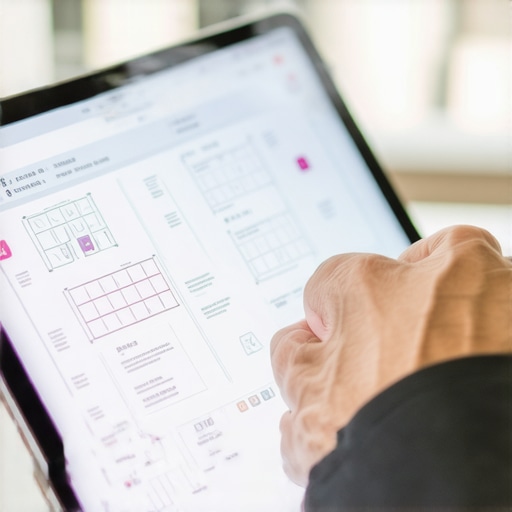
Expect This Shift in High-End Service Technology
Looking ahead, I see a major shift toward ‘frictionless’ service where AI-driven heat maps will show us exactly where the bottlenecks are forming in real-time. We won’t just guess where to put the coffee; a sensor will tell us when the queue is hitting the critical threshold. Until then, you need to rely on effective catering strategies that prioritize the guest’s path above all else. If you want to elevate your next gathering immediately, try my ‘silent briefing’ method: give your staff a one-page visual map of the VIPs and their specific dietary needs instead of just reading them a list. You’ll see the difference in their eyes—and your guests’ smiles.
The Truth About Why My First Fifty Events Felt Like Firefights
I used to think being the loudest person in the room meant I was in control. It took a dozen empty carafes and a very angry keynote speaker to realize that control is actually silent. The biggest lightbulb moment for me was realizing that your coffee station isn’t just a service area; it’s an interactive data point. If people are huddling there for more than 90 seconds, your layout is failing your networking goals. True professionalism happens when a guest never has to ask ‘is there more?’ because the best corporate event servers for 2025 are trained to see the bottom of the pot before the guest does. I’ve learned that the invisible details, like the speed at which a used stirrer is whisked away, speak louder than any branded banner you can hang.
A Few Tools and Blueprints I Never Leave Behind
To stay ahead of the curve, I recommend keeping a few key resources in your planning folder. First, always review the guide on mastering corporate event planning secrets to ensure your timeline matches your physical logistics. I also swear by using a simple heat-mapping app on my phone during the first thirty minutes of an event to track where guests linger too long; it allows for real-time adjustments that save the day. Finally, I never sign off on a floor plan without auditing it against effective catering strategies for corporate event impressiveness to ensure my flow isn’t creating a fire hazard or a guest bottleneck.
Turn Your Next Trade Show Into a Networking Powerhouse
You now have the blueprint to move beyond the ‘sad percolator’ phase of event management. By focusing on human flow, separating your bottlenecks, and hiring for precision rather than just high headcounts, you transform a simple beverage break into a high-octane lead generation machine. Success in this industry isn’t about avoiding the surge; it’s about building a system that thrives because of it. Implementing these corporate event catering strategies for success is the surest way to ensure your brand is remembered for its excellence and efficiency, rather than its empty carafes. Have you ever had a coffee station disaster that completely changed how you plan your trade show booth? I want to hear your stories in the comments below!