

I remember the moment vividly: an elegant wedding reception, guests mingling, the band playing softly in the background, and suddenly, chaos erupted over the appetizers. Servers scrambling, confused guests waiting forever for drinks, and a noticeable dip in the celebration’s energy. That classic scene of disorganization struck a nerve—how could such an elegant event turn into a logistical nightmare?
The Hidden Struggle of Managing Large Events
For years, I believed that having a skilled team and a detailed plan were enough. But as I gained more experience, I realized that even the best-laid plans can falter without the right tools. Managing a vast guest list, coordinating server movements, and keeping everyone informed became overwhelming, especially without a centralized system. That’s when I stumbled upon a game-changer: the professionally managed event mobile app.
Is Doing It Yourself Still a Good Idea?
Early on, I made the mistake of relying solely on paper schedules and verbal instructions. It seemed simple and cost-effective—until last-minute changes, dietary restrictions, or guest requests threw everything off balance. A single miscommunication could lead to delays or dissatisfied guests. According to industry experts, inefficient communication is responsible for up to 30% of event mishaps, emphasizing the importance of reliable coordination tools.1
Since adopting a mobile app tailored for events, my approach shifted dramatically. Guests received real-time updates about schedule changes or special offers. Servers had instant access to dietary notes and table assignments. The entire operation became smoother, enhancing guest experience and reducing stress for everyone involved.
But what exactly makes these apps so effective? And is investing in one truly worth the hype? Let’s explore these questions together, starting with common doubts and how to overcome them.
Streamlining Server Assignments for Optimal Service
During my last wedding reception, I assigned specific servers to tables based on the guest list, matching staff experience with table size and guest needs. To do this effectively, create a detailed floor plan highlighting each table’s location. Use a digital or printed chart to assign staff, ensuring that more experienced servers handle complex or high-profile tables. Review assignments with the team beforehand, emphasizing communication protocols, such as using walkie-talkies for real-time updates. This approach minimizes confusion and speeds up service, as outlined in Boost Your Corporate Event with Expert Server Techniques.
Implementing a Real-Time Communication System
To keep everyone synchronized during an event, establish a reliable communication system. I recommend providing walkie-talkies or headsets to key staff members, especially for large venues. At my last event, I set up a channel specifically for the service team, enabling instant coordination. Brief staff on standard hand signals and quick message protocols to reduce verbal chatter. Regular check-ins before and during the event ensure that any issues are promptly addressed, preventing service delays. For a comprehensive guide, see Elevate Your Wedding with Professional Servers.
Optimizing Food and Beverage Stations
Efficient placement of stations can prevent bottlenecks. I once positioned cocktail stations away from main walkways but with clear signage, encouraging flow and reducing congestion. Use portable carts or floating trays to serve drinks and appetizers, which allows servers to reach guests quickly without bunching up. Adjust station arrangements during the event based on guest movement patterns observed in earlier phases. For detailed tips, see Avoid the Soggy Salad Trap.
Preparing for Last-Minute Changes
Unexpected requests or dietary restrictions can disrupt plans. To mitigate this, keep an updated digital sheet accessible via tablets for staff to view live changes. During a recent wedding, a last-minute vegan demand appeared; quick communication and flexible serving trays allowed us to accommodate without delay. Train staff to handle such adjustments smoothly, emphasizing patience and professionalism. For strategies, visit Handling Last-Minute Dietary Requests.
Conducting Pre-Event Run-Throughs
Rehearsals aren’t just for couples—they’re essential for service teams. I scheduled a walkthrough before every large event, walking through each station, duty, and communication protocol. During one rehearsal, we uncovered potential friction points, such as overlapping station duties. Addressing these ahead of time prevents chaos during the actual event. For more guidance, see Mastering Corporate Event Planning Secrets.
When it comes to executing flawless weddings, corporate events, or catering services, many people hold misconceptions that can sabotage their success. Let’s dig deeper into some nuanced truths that even experienced planners sometimes overlook, and uncover advanced mistakes to avoid.
Are All Servers Created Equal? The Myths Behind Staffing Choices
One pervasive myth is that any attentive staff member can handle professional service seamlessly. In reality, server expertise varies significantly. Rushing to hire based solely on friendliness or appearance without evaluating proper skills can lead to chaos—a costly mistake. For example, an untrained server might struggle with timing, multitasking, or managing dietary restrictions, which can impact guest experience profoundly. According to industry expert Gourmet Catering’s guide, investing in specialized server training and selecting staff with proven event experience is essential for high-pressure moments.
Many assume that front-of-house staff can adapt effortlessly across different event types. But specific nuances—like managing a high-profile corporate dinner versus a casual outdoor wedding—require tailored skills. Overlooking these differences often results in service gaps, especially during peak hours. To elevate your event, consider consulting specialized staffing agencies or training programs to ensure servers possess the competencies needed for your unique occasion.
Why Overlooking the Details of Hospitality Tech Is a Costly Oversight
Another common mistake is underestimating the power of technology in streamlining service. Some planners believe a paper schedule or verbal instructions suffice, but this overlooks the benefits of real-time communication tools. For instance, a mobile app that updates staff on menu changes, dietary notes, or guest arrivals can dramatically reduce errors. Yet, many still rely on outdated methods, risking miscommunication and delays. As Gourmet Catering explains, integrated communication systems are vital for swiftly adapting to unforeseen circumstances and maintaining professionalism throughout the event.
Furthermore, deploying reliable radio systems or headsets can prevent awkward moments and ensure flawless coordination. Recognize that neglecting these advanced tools is an oversight that diminishes both efficiency and guest satisfaction.
How Do You Avoid the Trap of Overpreparedness and Rigidity?
It’s tempting to believe that sticking strictly to predefined plans guarantees success, but rigidity can be harmful. Overplanning may hinder staff flexibility, leading to mechanical service rather than warm hospitality. An expert approach involves training your team to adapt smoothly—knowing when to stick with procedures and when to improvise to serve guests better. For example, quick thinking in reallocating servers or modifying station layouts mid-event can handle last-minute changes gracefully. To master this, explore resources like secrets for seamless corporate events.
Being adaptable also means recognizing the importance of pre-event run-throughs: rehearsals reveal hidden pitfalls, allowing teams to respond deftly under real conditions. This nuance separates merely good events from truly memorable experiences. Have you ever fallen into this trap? Let me know in the comments.
Keeping your event operations running smoothly over the long term requires more than just good intentions; it demands reliable tools and consistent maintenance. Personally, I swear by a combination of industry-proven software and hardware that help me streamline every facet of wedding, corporate, and catering events.
Leverage Software for Precise Coordination
Primarily, I rely on a platform like Mastering Corporate Event Planning Secrets to maintain a centralized event logistics plan. This software allows me to assign tasks, track vendor communications, and manage timelines—all in one place. It’s an essential hub that reduces the risk of miscommunication and ensures that everyone is on the same page from planning through execution.
Additionally, I use a dedicated catering management app that integrates with my POS systems, facilitating real-time updates on dietary restrictions, guest arrivals, and service schedules. Having this digital backbone means I can quickly adapt to last-minute changes or unexpected issues, keeping everything on track.
Invest in Quality Hardware for Field Operations
On the ground, I recommend robust walkie-talkies with noise-cancelling features like the Motorola TLK Series. These are a game changer during large events, allowing my team to coordinate silently and efficiently even in noisy environments. I also equip servers with tablets preloaded with digital menus and service guides—this minimizes delays, promotes contactless service, and ensures staff are always updated with the latest instructions.
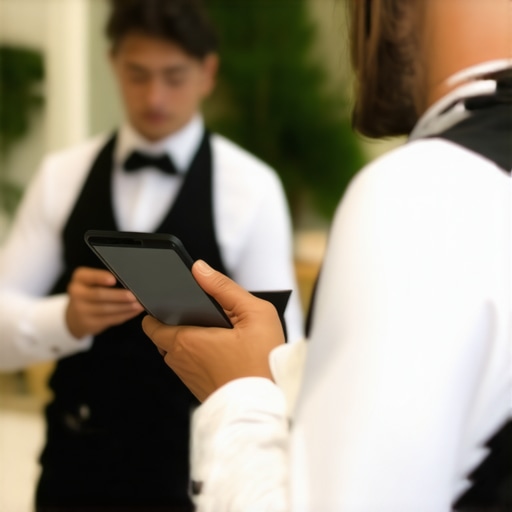
This image would depict a team of catering staff using tablets and walkie-talkies, illustrating modern, tech-enabled service at a large event.
As I reflect on countless events—weddings filled with joy and corporate gatherings buzzing with energy—one thing remains clear: the difference between good and unforgettable often hinges on behind-the-scenes wisdom that isn’t immediately obvious. These revelations transformed my approach, ensuring each event I plan or oversee leaves a lasting impression for all the right reasons.
What I Once Overlooked: Small Details Make the Big Difference
Early in my journey, I underestimated the power of micro-management—like training servers to read guests’ body language or pre-adjusting station setups for quick access. These seemingly minor adjustments minimized chaos and maximized guest satisfaction, proving that meticulous focus on details pays off exponentially in bustling environments.
For example, a quick briefing on how to handle last-minute dietary requests or subtle cues during service created smoother interactions. Implementing such subtle strategies, outlined in this guide, became a game-changer in my operational efficiency.
Tools That Changed the Game for My Event Planning
Investing in reliable technology fundamentally shifted my success rate. A centralized digital platform like this comprehensive planning resource streamlined communication, task assignment, and real-time problem-solving. Combining it with hardware like high-quality walkie-talkies, such as the Motorola TLK Series, provided silent, instant coordination that outfitted my team for high-stakes scenarios.
Using tablets preloaded with service guides not only reduced delays but also enhanced contactless service, aligning with modern guest expectations. These tools collectively enabled quick adaptation to unforeseen circumstances—an essential trait in dynamic event environments.
Thinking Beyond the Norm: Customizing Experiences for Lasting Impact
One insight that redefined my event philosophy was recognizing that cookie-cutter approaches rarely suffice. For weddings, tailoring menus with seasonal, local ingredients elevated guest engagement, as discussed in this resource. For corporate events, aligning decor and service style with company culture created authentic atmospheres that resonated deeply with attendees.
Additionally, encouraging teams to be flexible—empowered to improvise within a solid framework—created smoother flow and more genuine guest interactions, which no rigid plan could replicate. This balance between planning and spontaneity is a lesson I hold close for every event.
Insider Wisdom That Could Have Saved My Early Blunders
- Minor oversights can escalate quickly: Neglecting to brief servers on VIP guests or special requests can lead to awkward moments. Clear, detailed pre-event run-throughs prevent these pitfalls.
- Tech is your best ally, not an afterthought: Ignoring digital communication solutions hampers responsiveness. Properly integrated, they turn chaos into harmony.
- Staff training is non-negotiable: Skilled servers aren’t born—they’re made through targeted training that emphasizes guest experience and problem-solving.
- Flexibility beats rigidity every time: Being prepared to pivot, whether due to last-minute menu changes or guest flow, creates memorable, smooth events rather than stressful disasters.
My Toolkit for Event Brilliance
- Event management software: Mastering Corporate Event Planning Secrets provides a robust platform for coordinating logistics seamlessly.
- Communication hardware: Motorola TLK Series walkie-talkies ensure silent, instant team coordination in noisy or expansive venues.
- Digital service guides: Tablets with updated menus and guest notes keep service swift and contactless, enhancing guest safety and satisfaction.
- Staff training resources: Industry-specific courses and workshops sharpen skills, boosting confidence and professionalism among servers.
Now It’s Your Turn to Make It Happen
My experience has shown that success in catering and event service isn’t just about the big picture but also the tiny, well-executed details that elevate the entire experience. By embracing innovative tools, honing your staff’s skills, and cultivating flexibility, you set the stage for consistently memorable events. Remember, behind every seamless wedding or corporate gathering lies a combination of strategic planning and heartfelt execution—don’t neglect either.
What long-standing lesson has transformed your approach to managing large events? Share your insights below and let’s learn from each other’s experiences!